
- russian
- italian
- japanese
- korean
- latin
- latvian
- lithuanian
- malay
- norwegian
- persian
- polish
- portuguese
- romanian
- irish
- sanskrit
- slovak
- spanish
- swahili
- swedish
- tamil
- thai
- turkish
- ukrainian
- urdu
- vietnamese
- welsh
- english
- arabic
- armenian
- basque
- belarusian
- bengali
- bulgarian
- burmese
- croatian
- czech
- danish
- deutsch
- dutch
- albanian
- estonian
- filipino
- finnish
- french
- georgian
- greek
- hebrew
- hindi
- hungarian
- icelandic
- indonesian
Spider coupling exporters play a critical role in modern industrial infrastructure, offering a robust and reliable solution for torque transmission. Their ability to dampen vibrations and accommodate misalignment makes them essential components in a wide array of machinery, from pumps and compressors to conveyors and gearboxes. Understanding the nuances of these couplings – their types, applications, and the companies exporting them – is increasingly important in a globalized marketplace where efficiency and durability are paramount.
The global demand for high-quality Spider coupling exporters is steadily growing, driven by the expansion of industries in emerging economies and the need for enhanced operational reliability in developed nations. The market is influenced by factors such as raw material prices, manufacturing advancements, and adherence to international quality standards like ISO certifications. This demand presents both opportunities and challenges for exporters, requiring them to adapt to evolving customer needs and maintain competitive pricing.
Ultimately, selecting the right Spider coupling exporter is a strategic decision for any organization reliant on rotating equipment. The benefits extend beyond simple mechanical functionality, contributing to reduced downtime, lower maintenance costs, and improved overall system performance. This makes careful consideration of exporter capabilities and product quality essential for long-term success.
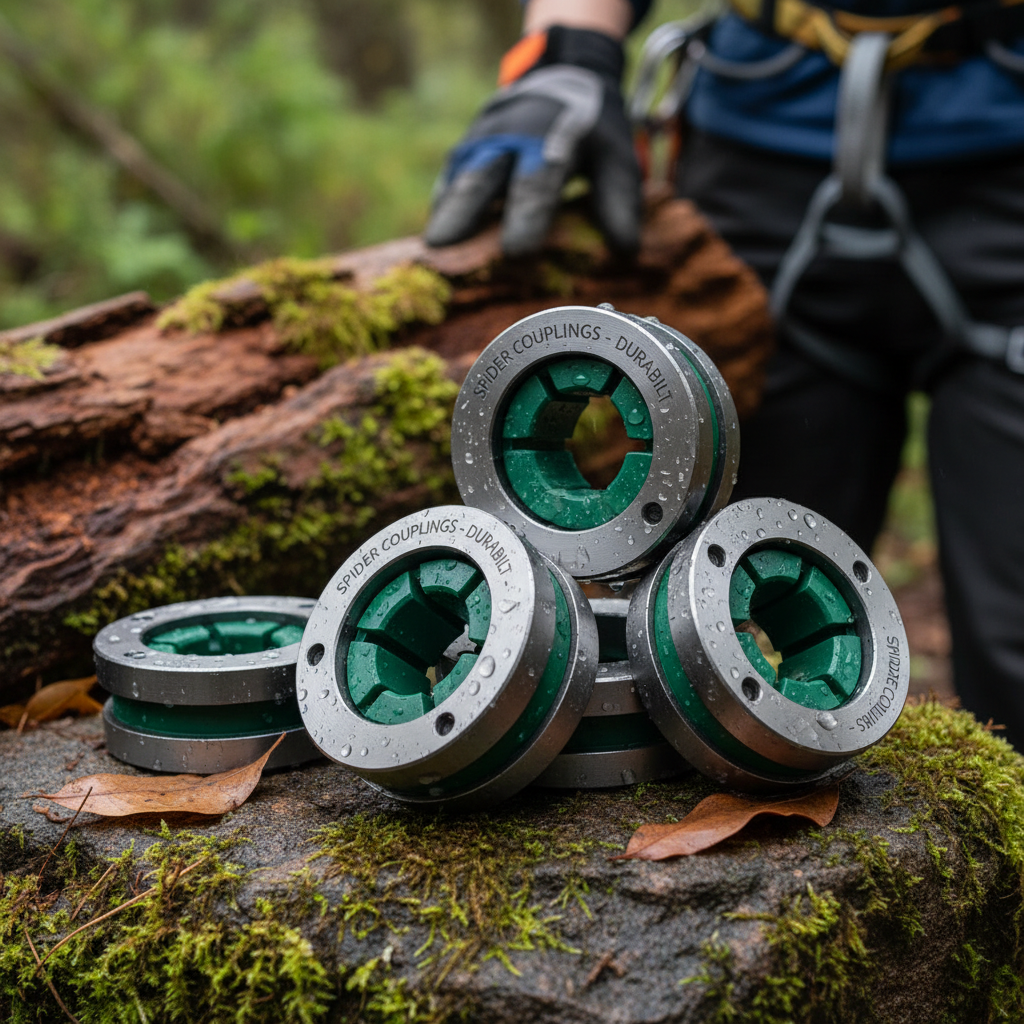
The Significance of Spider Coupling Exporters
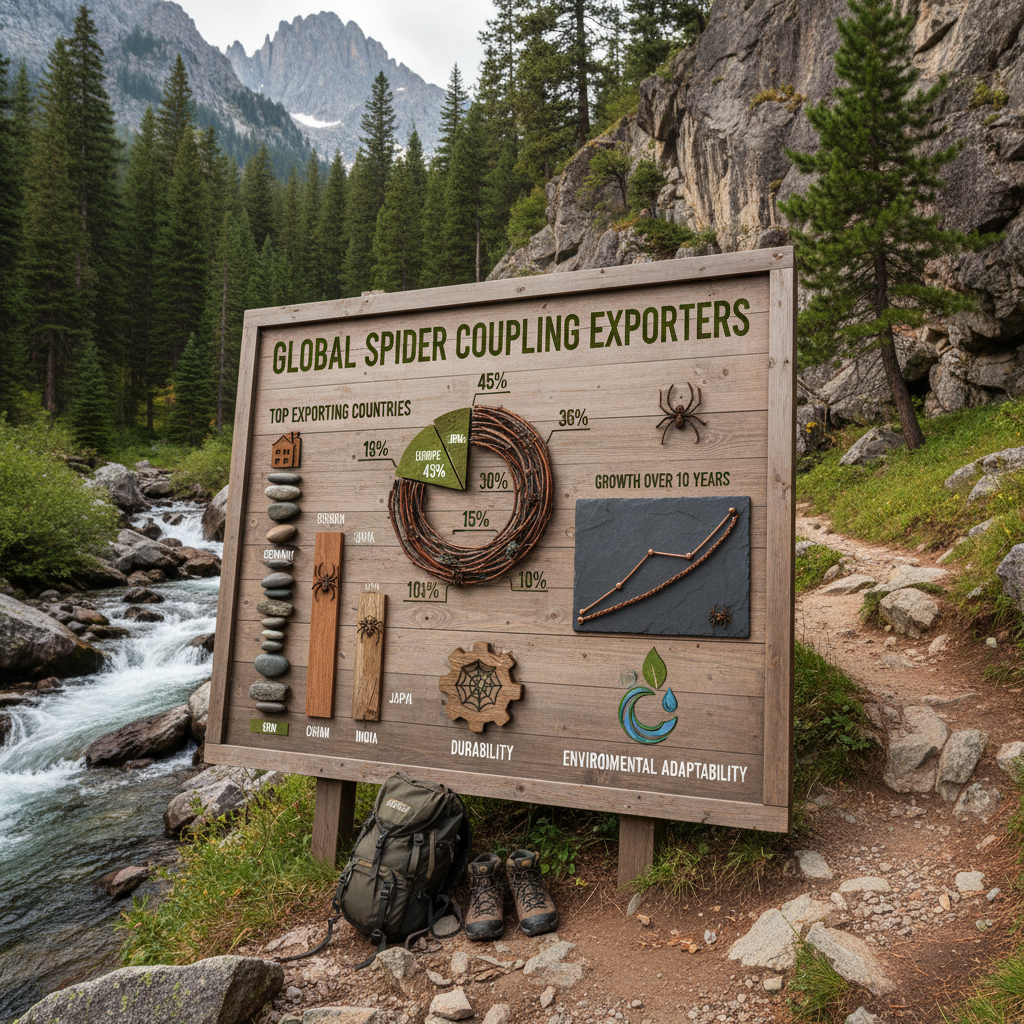
Spider coupling exporters are vital to the smooth operation of countless industries worldwide. Their expertise ensures that businesses receive components engineered for optimal performance and longevity. A strong exporter understands not only the technical specifications of the couplings but also the logistical challenges of international shipping and the importance of responsive customer support.
The ability of these exporters to consistently deliver high-quality products, adhering to stringent industry standards, directly impacts the efficiency and reliability of their clients' operations. Choosing a reliable exporter minimizes downtime, reduces maintenance costs, and ultimately contributes to a stronger bottom line.
FAQS
Spider couplings excel in their ability to dampen vibrations and accommodate misalignment, making them ideal for applications where shock loads or imperfect shaft alignment are present. Unlike rigid couplings, they protect connected equipment from stress. Compared to gear couplings, they offer quieter operation and reduced maintenance. The elastomer ‘spider’ element offers a cost-effective solution for absorbing shock and providing flexibility.
The elastomer material significantly affects a Spider coupling’s performance characteristics. Different elastomers offer varying degrees of temperature resistance, oil resistance, and torsional stiffness. For example, polyurethane is commonly used for general-purpose applications, while neoprene offers good oil resistance. Selecting the appropriate elastomer ensures compatibility with the operating environment and optimal performance. Spider coupling exporters can advise on the best material for your specific needs.
The lifespan of a Spider coupling varies depending on the application and operating conditions. Typically, the elastomer element is the first component to wear out, requiring replacement every 1-3 years. Factors affecting lifespan include temperature, shaft misalignment, shock loads, and the type of elastomer used. Regular inspection and preventive maintenance can extend the coupling’s service life.
Determining the correct size and torque capacity requires careful consideration of several factors, including the motor horsepower, shaft speed, and the nature of the load. It's crucial to calculate the maximum torque transmitted by the system and select a coupling with a suitable service factor. Consult with Spider coupling exporters for assistance in sizing and selection.
Look for exporters certified to international quality standards such as ISO 9001, demonstrating their commitment to consistent product quality and process control. Additional certifications like CE marking may be relevant depending on the intended market. Verifying certifications ensures that the exporter adheres to recognized industry best practices.
Lead times vary depending on the exporter's production capacity, the complexity of the order, and the shipping destination. Standard couplings typically have shorter lead times (2-4 weeks), while customized solutions may require 6-8 weeks or more. It’s essential to confirm lead times with the exporter before placing an order and factor in potential delays due to customs clearance and shipping.
Conclusion
In conclusion, Spider coupling exporters are indispensable partners for industries relying on rotating machinery. Their ability to provide reliable, durable, and customizable coupling solutions directly impacts operational efficiency, reduces downtime, and enhances overall system performance. Understanding the core characteristics of leading exporters, key performance indicators, and future trends is essential for making informed procurement decisions.
As technology continues to advance and sustainability concerns grow, the role of Spider coupling exporters will only become more critical. By embracing innovation, investing in quality, and prioritizing customer service, these exporters will play a vital role in shaping the future of industrial operations globally. We encourage you to explore the options and find the right partner for your needs.
Related Posts
-
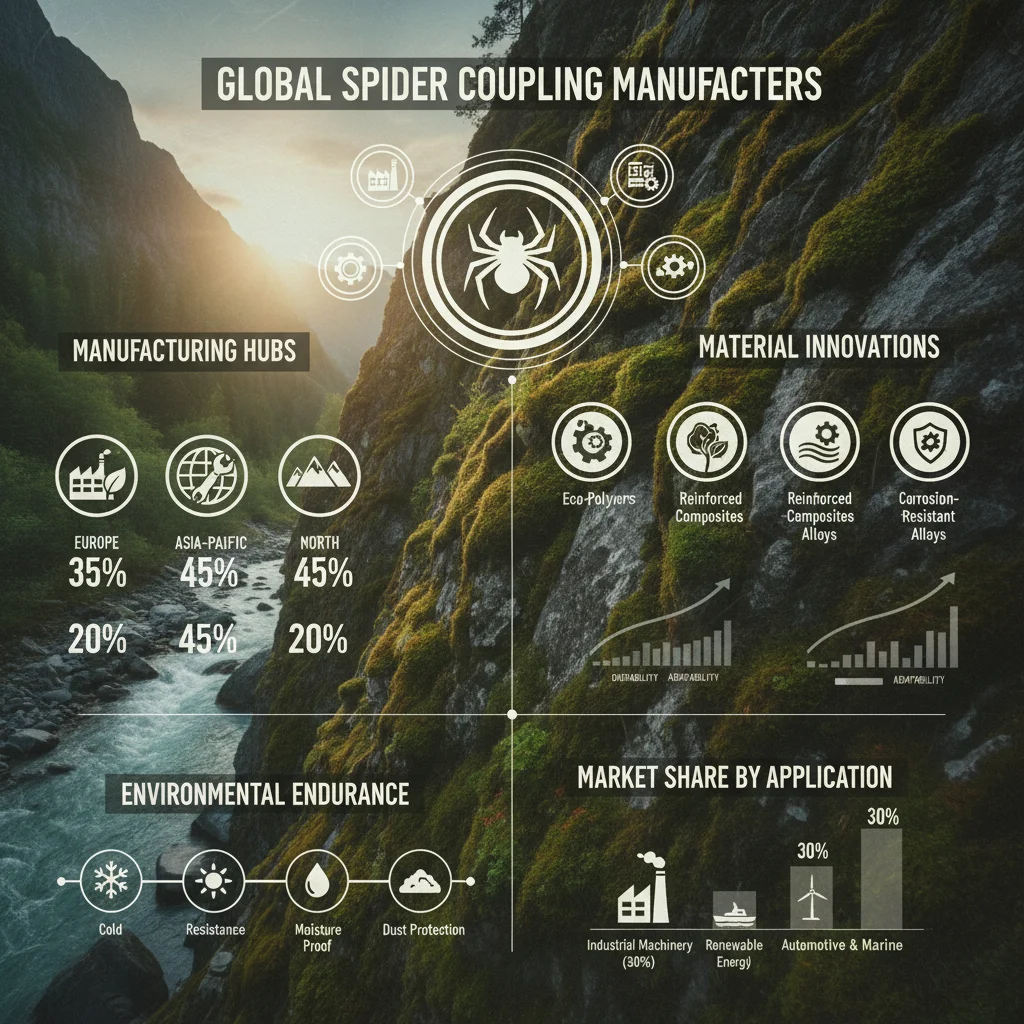
Expert Spider Coupling Manufacturers for Industrial Power Transmission Solutions
-
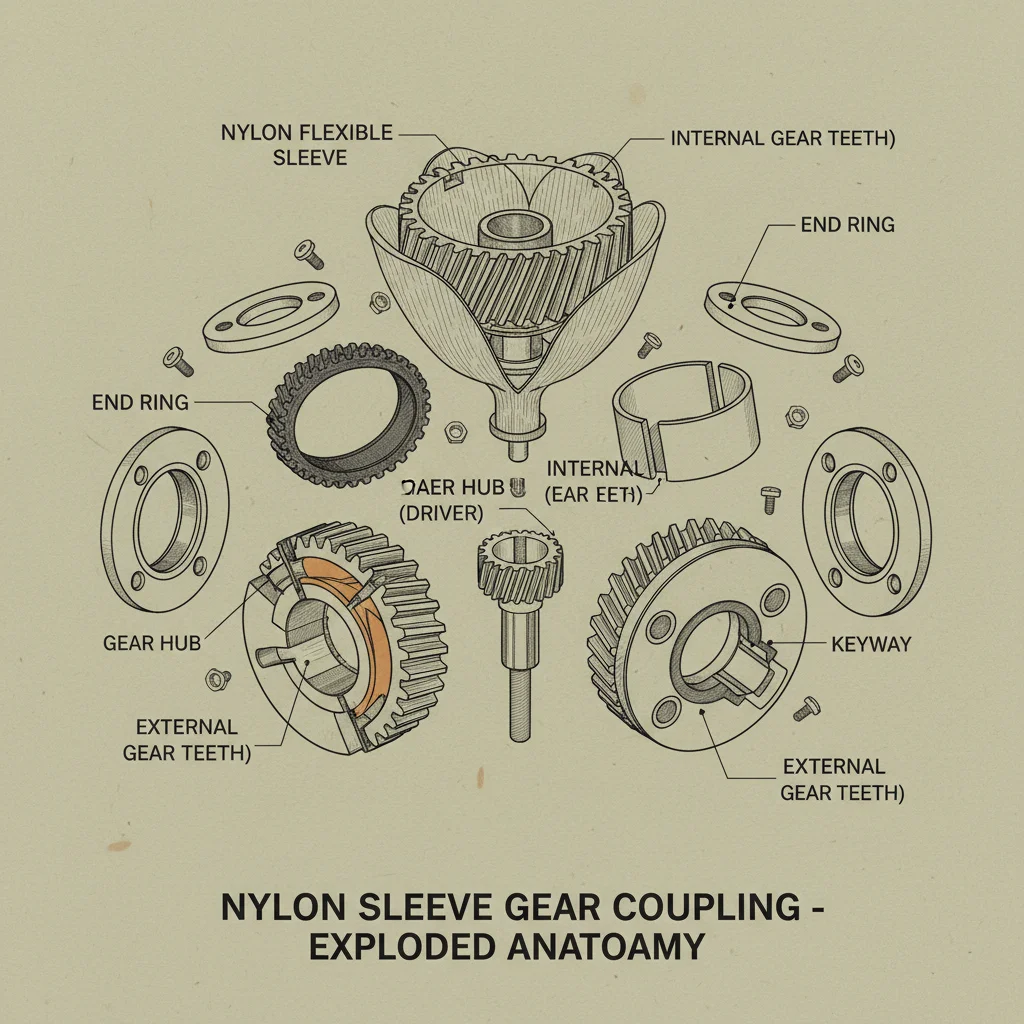
High Quality Nylon Sleeve Gear Coupling Manufacturer for Industrial Applications
-

Comprehensive Guide to Spider Coupling Exporters and Industrial Applications
-
Reliable Rubber Coupling Supplier for Construction and Industrial Projects