Finding the Right Spider Coupling Supplier: A Comprehensive Guide
In the world of power transmission and mechanical engineering, efficient and reliable couplings are essential. A spider coupling supplier plays a critical role in ensuring businesses have access to high-quality components. This article will provide an in-depth look at spider couplings, key factors to consider when choosing a supplier, and why Binhao Coupling stands out as a trusted partner. We will explore the benefits of these couplings, common applications, and how to select the best supplier for your specific needs.
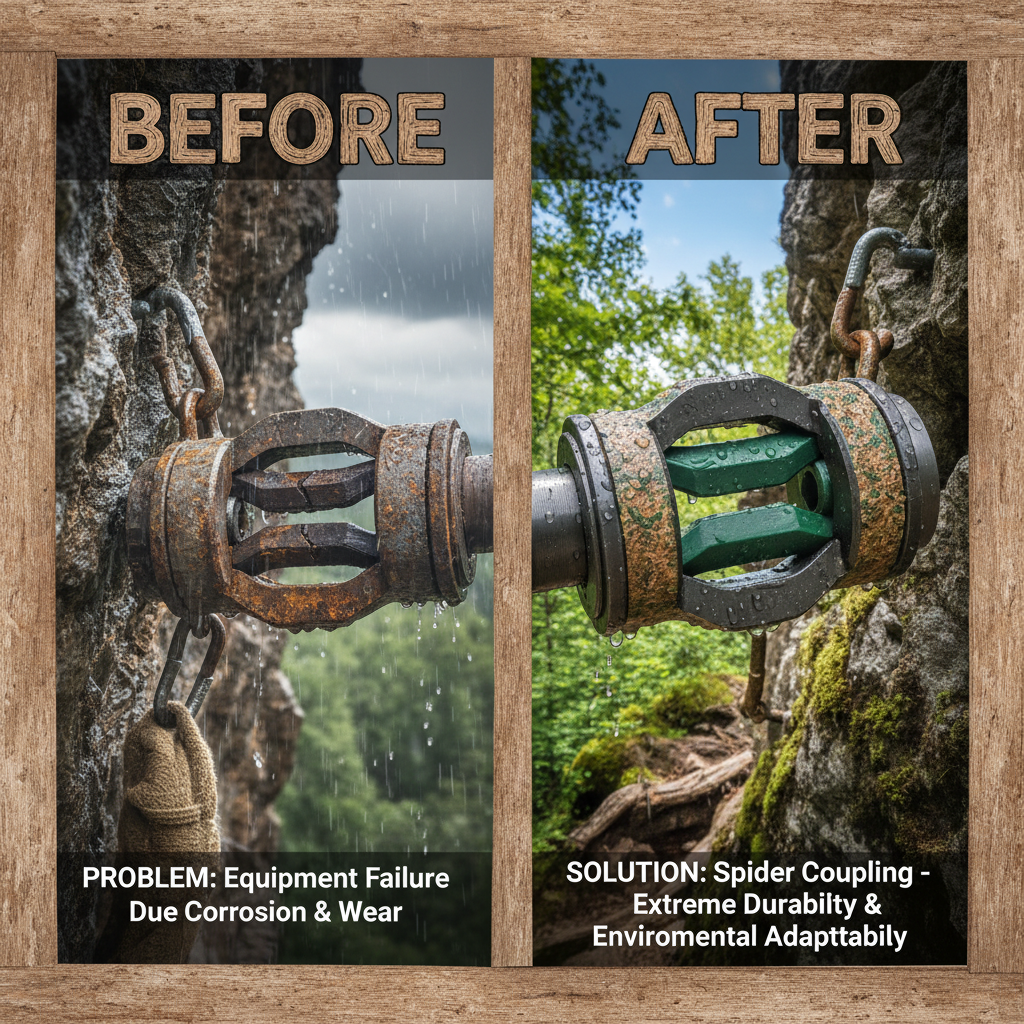
What is a Spider Coupling?
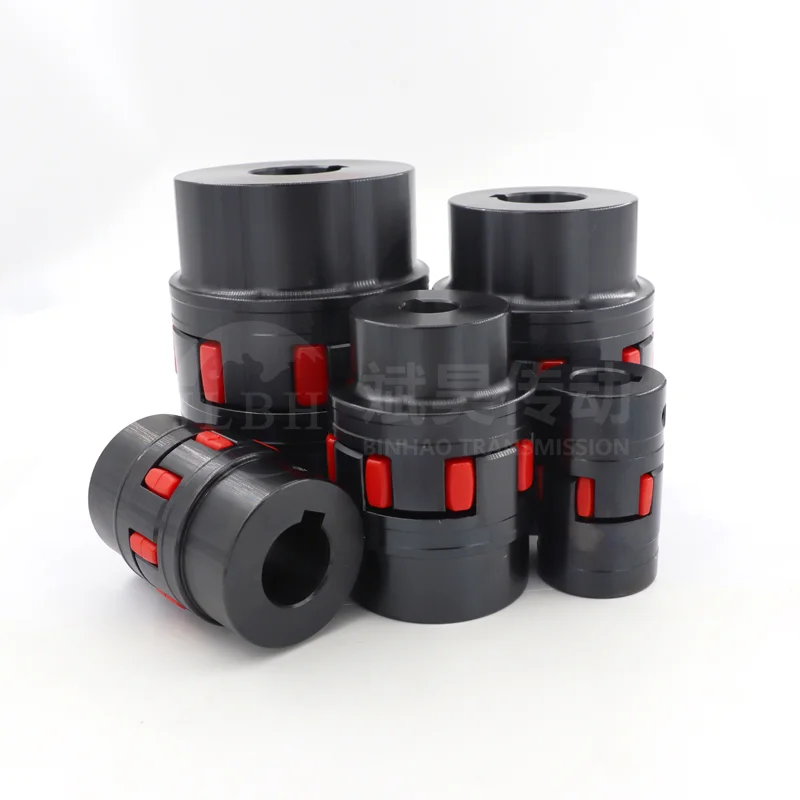
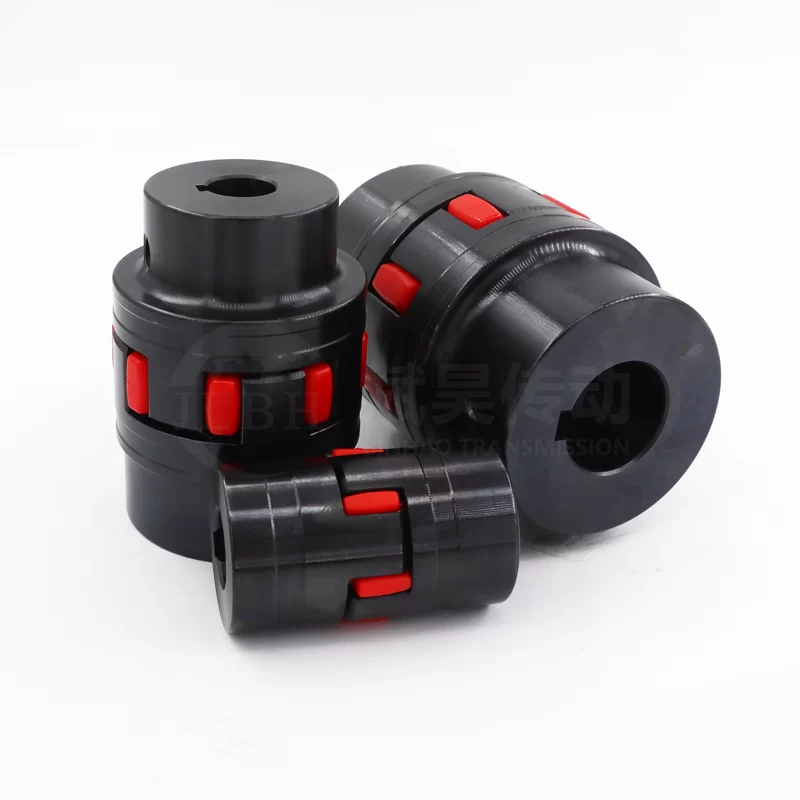
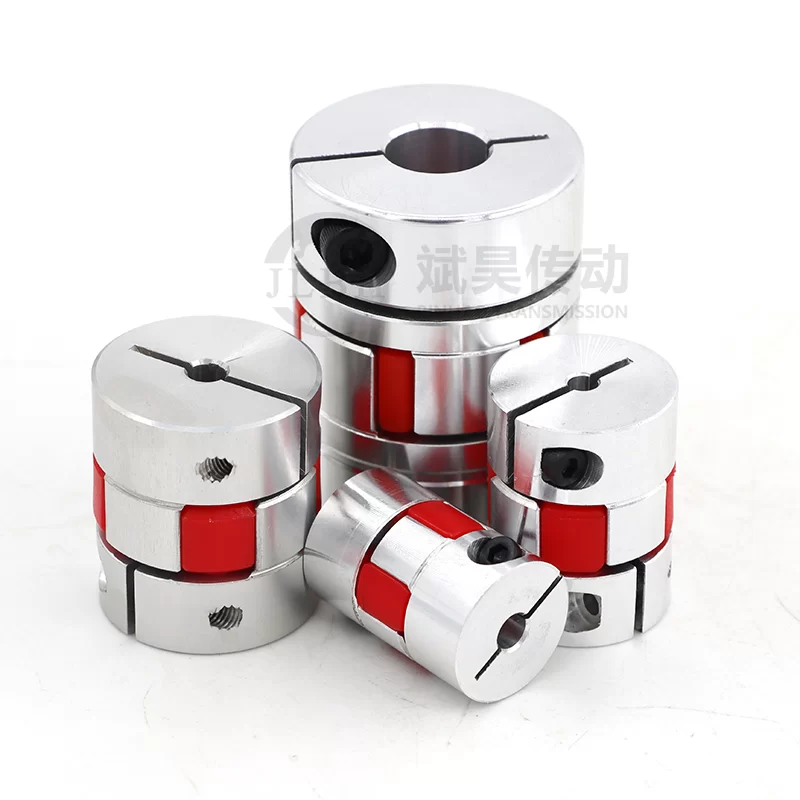
A spider coupling, also known as a jaw coupling, is a type of flexible coupling used to transmit torque between two shafts while accommodating misalignment. It consists of two hubs with interlocking jaws, and a resilient element – the “spider” – positioned between the jaws. This spider element, typically made of rubber, polyurethane, or Hytrel, absorbs shock, vibration, and compensates for angular, parallel, and axial misalignment. This makes them ideal for a wide range of applications where precise shaft alignment isn't possible or where vibration damping is required.
Key Benefits of Using Spider Couplings
Spider couplings offer several advantages over other coupling types. They are relatively inexpensive, easy to install and maintain, and can handle a variety of operating conditions. More importantly, they provide excellent vibration damping, reducing noise and extending the life of connected equipment. The flexibility of the spider element also protects against shock loads and prevents damage to shafts and bearings. Because no lubrication is required, maintenance costs are minimized. These benefits make spider couplings a popular choice across diverse industries.
Key Highlights: Cost-effective, easy to maintain, excellent vibration damping, accommodates misalignment, and requires no lubrication.
Choosing the Right Spider Coupling Supplier: What to Look For
Selecting a reliable spider coupling supplier is critical for ensuring the quality and performance of your equipment. Consider the following factors: product range, material quality, customization options, lead times, pricing, and technical support. A reputable supplier will offer a wide selection of couplings in various sizes and materials to meet your specific application requirements. They should also be committed to using high-quality materials and adhering to strict manufacturing standards. Don't hesitate to ask for certifications and quality control documentation.
Binhao Coupling: Your Trusted Spider Coupling Supplier
Binhao Coupling is a leading manufacturer and supplier of spider couplings, serving customers globally. We specialize in providing high-quality, customized coupling solutions for a wide range of industries. Our couplings are engineered for durability, reliability, and optimal performance. We offer a comprehensive range of materials, including rubber, polyurethane, and Hytrel, to suit different application needs. We are committed to providing exceptional customer service, competitive pricing, and fast delivery.
Applications of Spider Couplings
Spider couplings are used in a diverse range of applications, including: pumps, fans, compressors, conveyors, mixers, gearboxes, and various types of machinery. They are commonly found in industries such as manufacturing, agriculture, mining, wastewater treatment, and oil and gas. The ability to accommodate misalignment and absorb vibration makes them particularly suitable for applications where precise alignment is difficult to achieve or where noise and vibration need to be minimized.
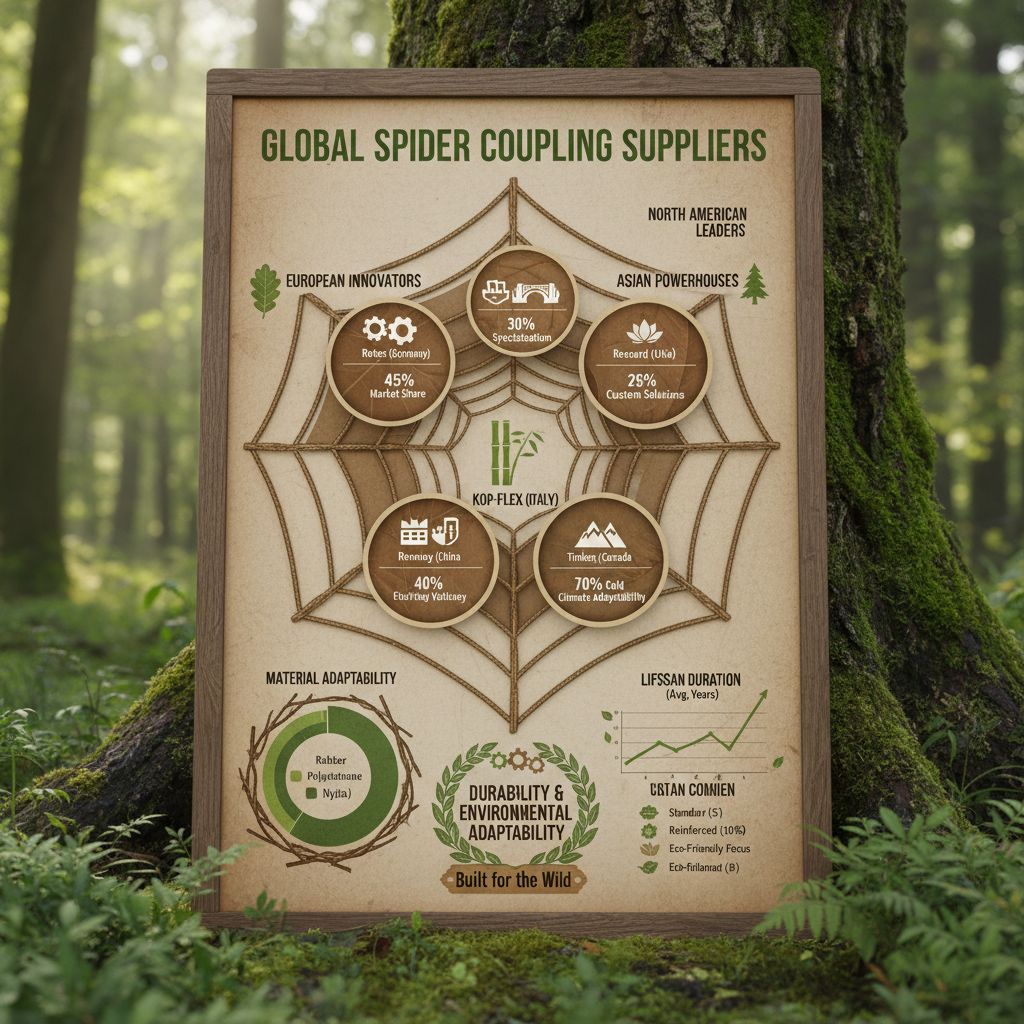
Conclusion: Choose Binhao Coupling for Reliable Performance
When selecting a spider coupling supplier, prioritize quality, reliability, and technical expertise. Binhao Coupling offers a comprehensive range of solutions, exceptional customer service, and competitive pricing. Partner with us to ensure the smooth and efficient operation of your machinery.
Frequently Asked Questions (FAQs)
What is the typical lifespan of a spider element?
The lifespan of a spider element depends on the operating conditions, including torque loads, temperature, and the environment. Generally, rubber spiders require replacement every 1-3 years, while polyurethane and Hytrel spiders can last longer, often 3-5 years or more. Regular inspection for wear, cracks, or deformation is crucial. Factors like excessive heat, chemical exposure, and overload can significantly shorten the lifespan. Binhao Coupling offers spider elements made from various materials to suit different applications and extend service life.
Can spider couplings be used with different shaft diameters?
Yes, spider couplings can accommodate different shaft diameters through the use of tapered bores in the hubs. These tapered bores allow for a secure and precise fit with various shaft sizes. Binhao Coupling offers hubs with a wide range of bore sizes and keyway options to ensure compatibility with your specific application. We can also provide custom machining services to create hubs with non-standard bore sizes.
What type of spider material is best for high-temperature applications?
For high-temperature applications, Hytrel spider elements are generally the best choice. Hytrel is a thermoplastic elastomer that exhibits excellent resistance to heat, oil, and abrasion. It can withstand temperatures up to 150°C (302°F) without significant degradation. Polyurethane spiders can also be used in moderately high-temperature applications, but their temperature resistance is lower than Hytrel. Rubber spiders are not recommended for high-temperature environments.
Does Binhao Coupling offer custom spider coupling designs?
Yes, Binhao Coupling specializes in providing customized spider coupling solutions to meet specific customer requirements. We can modify existing designs or create entirely new couplings based on your application parameters. Our engineering team will work closely with you to understand your needs and develop a solution that delivers optimal performance and reliability.