Spider Coupling Suppliers: A Comprehensive Guide
When it comes to power transmission and motion control, selecting the right coupling is crucial for optimal performance and longevity. Spider couplings are a versatile and reliable choice for a wide range of applications. This article will provide a detailed overview of spider couplings, their benefits, common applications, and why choosing a reputable spider coupling supplier is essential. We will explore key factors to consider when selecting a supplier, and highlight the advantages of partnering with Binhao Coupling.
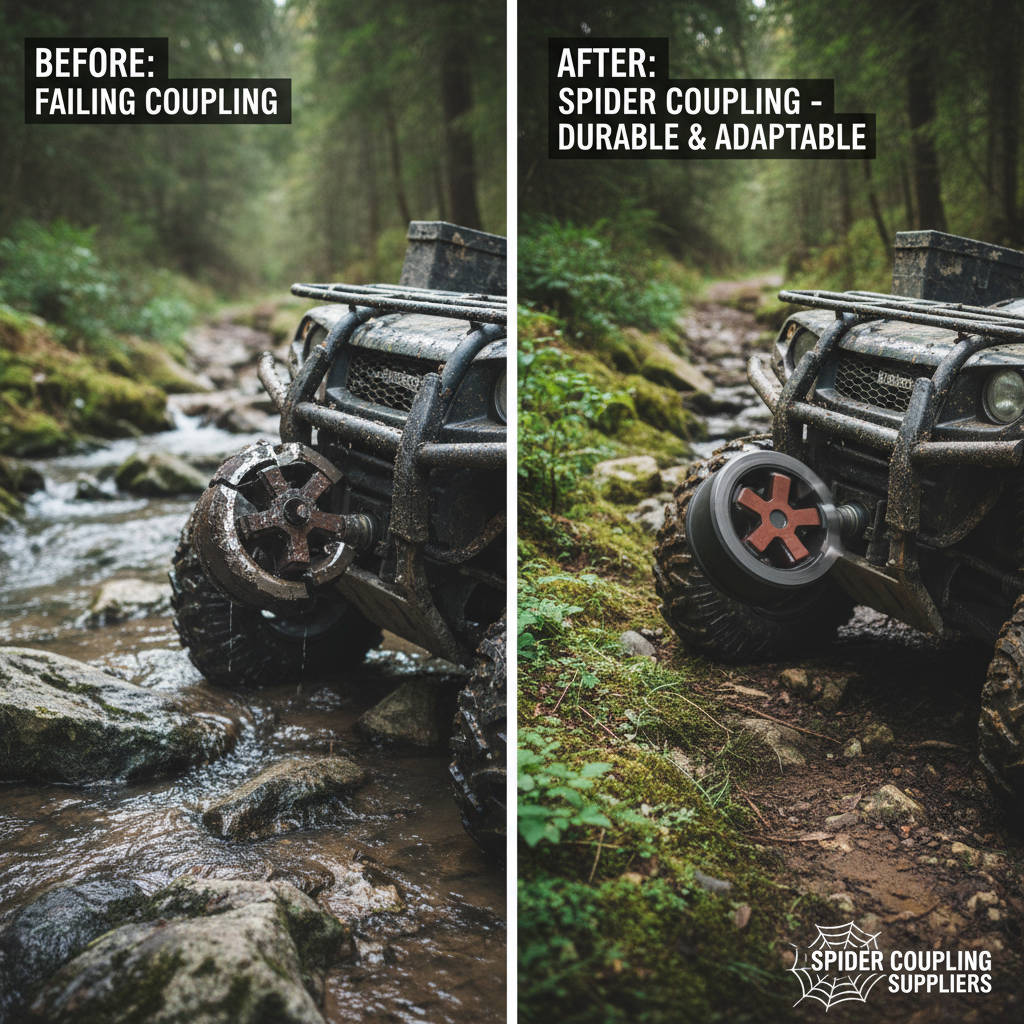
Understanding Spider Couplings: Design and Functionality
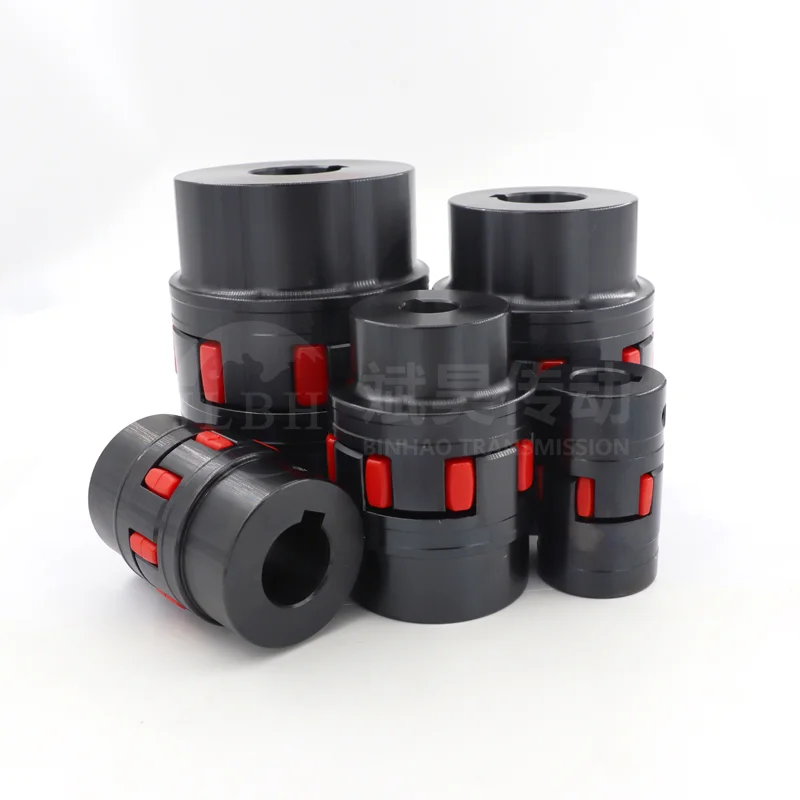
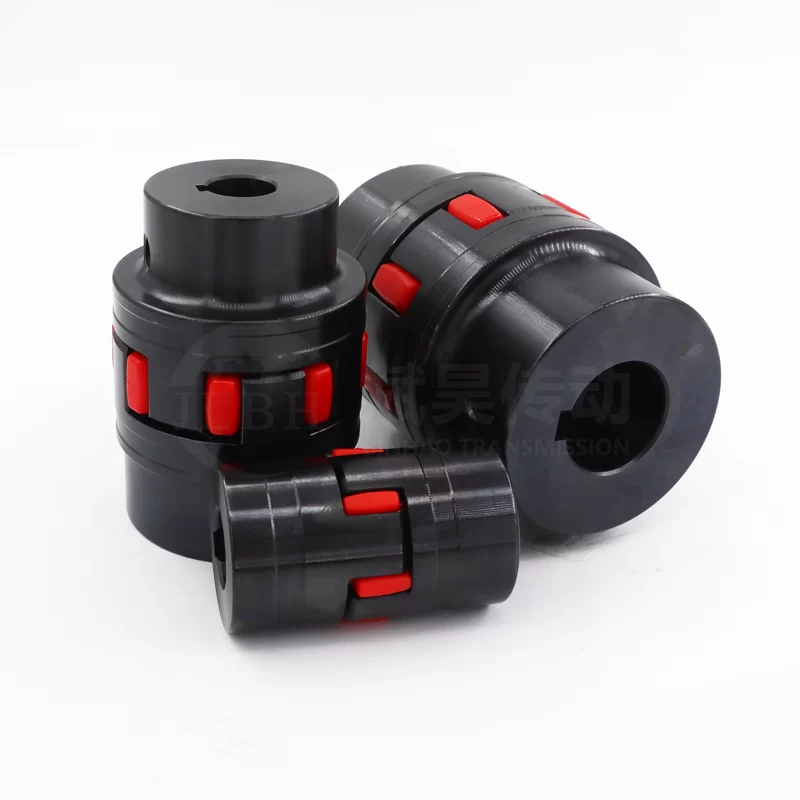
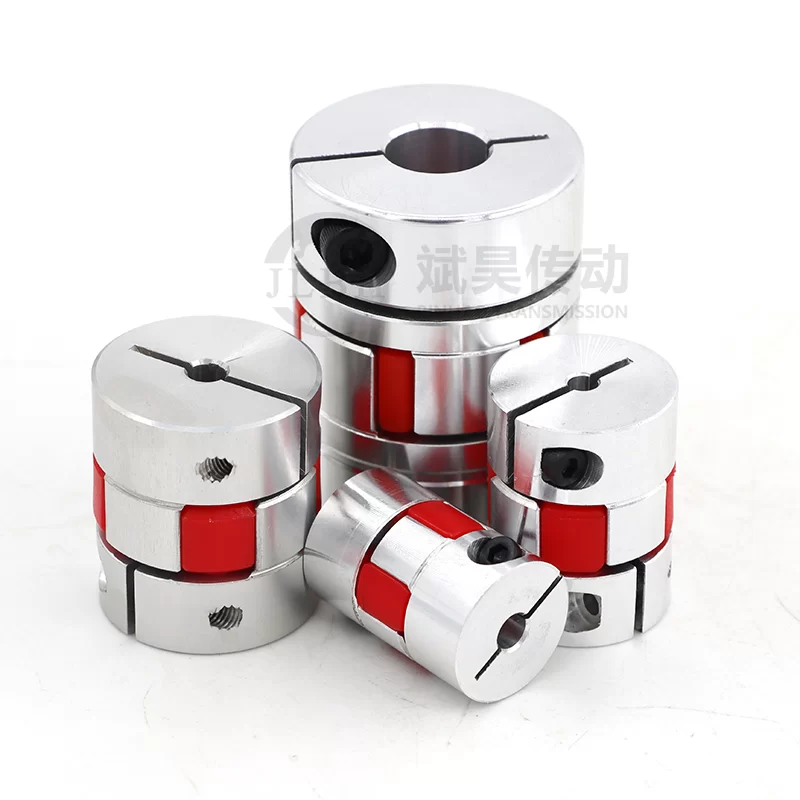
Spider couplings, also known as pin and bush couplings, consist of two flanges with interlocking jaws and an elastomeric ‘spider’ element inserted between them. This spider element is typically made of rubber, polyurethane, or Hytrel, offering vibration damping, shock absorption, and misalignment compensation. The flexibility of the spider allows for torsional compliance, reducing stress on connected components. The design of these couplings makes them incredibly versatile, handling misalignment, end-float, and dampening vibrations effectively. This results in smoother operation and reduced wear and tear on machinery.
Key Benefits: Vibration damping, shock absorption, misalignment compensation, easy maintenance, and cost-effectiveness.
Applications of Spider Couplings Across Industries
Spider couplings find applications in a diverse range of industries, including: Pulp & Paper, Water/Wastewater Treatment, Oil & Gas, Mining, and General Machinery. They are commonly used to connect motors to pumps, gearboxes, conveyors, and other rotating equipment. Specifically, they are ideal for applications requiring high torque capacity, consistent performance, and reduced noise levels. The ability to accommodate misalignment makes them particularly useful in situations where precise alignment is difficult to achieve or maintain.
Common Applications:
• Connecting motors to pumps and compressors
• Driving conveyors and material handling systems
• Connecting gearboxes to driven equipment
• Providing torsional flexibility in power transmission systems
Choosing the Right Spider Coupling Supplier: Key Considerations
Selecting the correct spider coupling supplier is paramount to ensure you receive high-quality products and reliable support. Here are crucial factors to consider: Product range, Customization capabilities, Material quality, Manufacturing standards, Lead times, Pricing, Technical support, and Customer service. A reputable supplier will offer a wide range of spider coupling types, sizes, and materials to meet your specific application requirements. They should also be able to provide custom solutions if needed.
Why Choose Binhao Coupling as Your Spider Coupling Supplier?
Binhao Coupling is a leading manufacturer and supplier of high-quality spider couplings. We offer a comprehensive range of sizes and materials, coupled with exceptional customer service and technical support. Our commitment to quality is evidenced by our adherence to stringent manufacturing standards, ensuring that our couplings meet or exceed industry expectations. We provide quick turnaround times and competitive pricing without compromising on quality. Binhao Coupling is dedicated to providing reliable and long-lasting solutions for your power transmission needs.
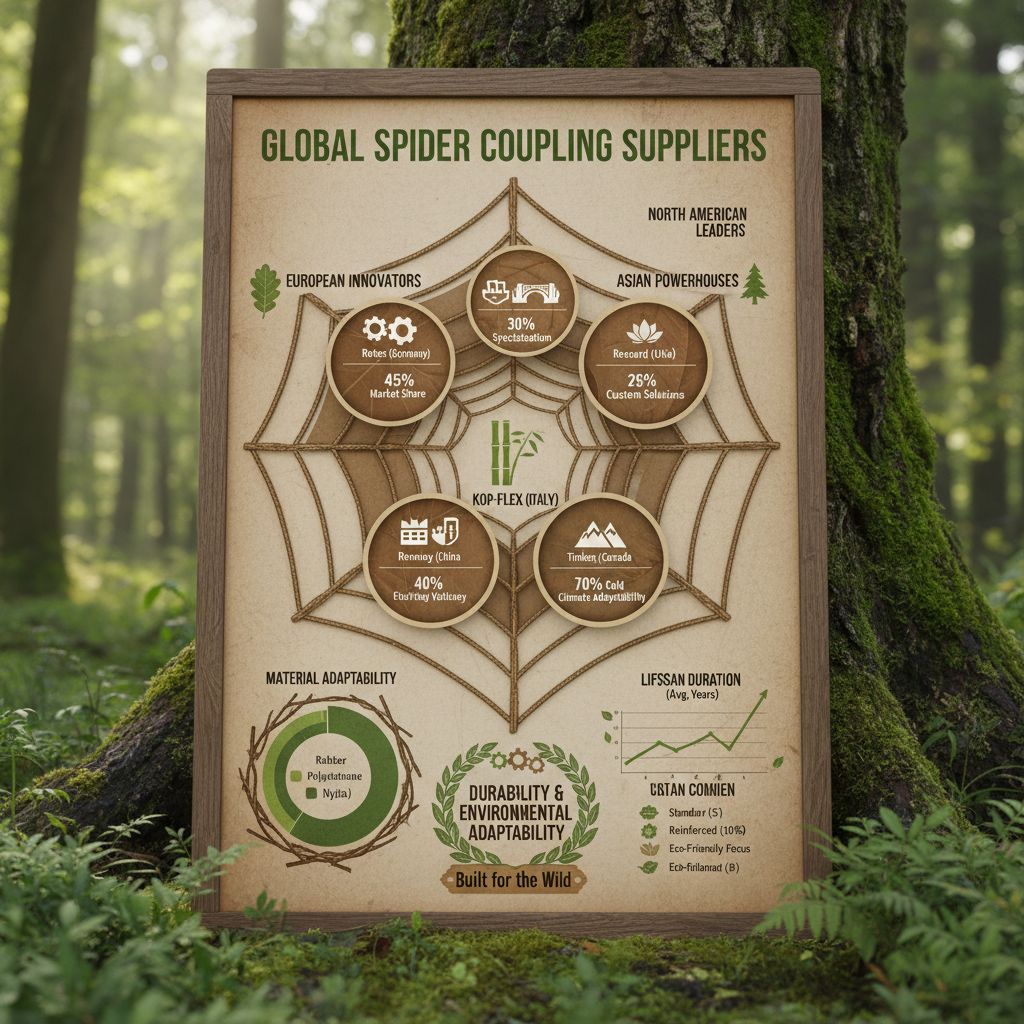
Spider Coupling Specifications
Understanding the technical details of spider couplings is vital for selecting the right component for your specific application. Here's a quick overview of common specifications:
Conclusion: Partner with Binhao Coupling for Reliable Spider Couplings
Choosing the right spider coupling and a trustworthy supplier is crucial for optimizing your power transmission system. Binhao Coupling offers a superior combination of product quality, technical expertise, and customer service. We are dedicated to providing solutions that enhance the efficiency, reliability, and longevity of your machinery. Contact us today to discuss your specific requirements and experience the Binhao Coupling difference.
Frequently Asked Questions (FAQs)
What is the typical lifespan of a spider element?
The lifespan of a spider element depends on several factors including the operating environment, load conditions, and the material of the spider itself. Generally, rubber spiders have a shorter lifespan than polyurethane or Hytrel spiders. Regular inspection is crucial. Signs of wear include cracking, tearing, or excessive deformation. Under normal operating conditions, a spider element might last between 1 and 3 years. It's essential to replace the spider element proactively to prevent unexpected downtime and potential damage to connected equipment.
Can spider couplings be used in reverse rotation applications?
Yes, spider couplings are generally suitable for reverse rotation applications. However, it's important to consider the spider material and the specific operating conditions. Some spider materials may exhibit different performance characteristics in reverse rotation. We recommend consulting with a coupling specialist to ensure the selected spider material is appropriate for your application. Binhao Coupling can provide expert guidance on selecting the optimal coupling for your needs.
What maintenance is required for spider couplings?
Spider couplings require minimal maintenance, primarily focusing on periodic inspection of the spider element. Regularly check for signs of wear, cracking, or damage. Lubrication is generally not required. If the spider element shows any signs of degradation, it should be replaced promptly. Ensure the coupling flanges are clean and free from debris. Following these simple maintenance practices will help ensure the long-term reliability and performance of your spider coupling.
Does Binhao Coupling offer custom spider coupling solutions?
Yes, Binhao Coupling specializes in providing custom spider coupling solutions tailored to meet specific application requirements. We can modify existing designs or develop entirely new couplings based on your unique needs. Our engineering team can assist with material selection, dimensional adjustments, and performance optimization. Contact us to discuss your custom coupling needs.