Understanding Disc Coupling Types for Optimal Power Transmission
In the realm of mechanical power transmission, disc couplings stand out for their unique combination of flexibility, reliability, and zero backlash. These couplings are ideal for applications requiring precise alignment and the ability to accommodate misalignment. This article will provide a comprehensive overview of various disc coupling types, their characteristics, and the industries they serve. Choosing the correct coupling is crucial for ensuring efficient and trouble-free operation of your machinery.
Single Disc Couplings: Simplicity and Cost-Effectiveness
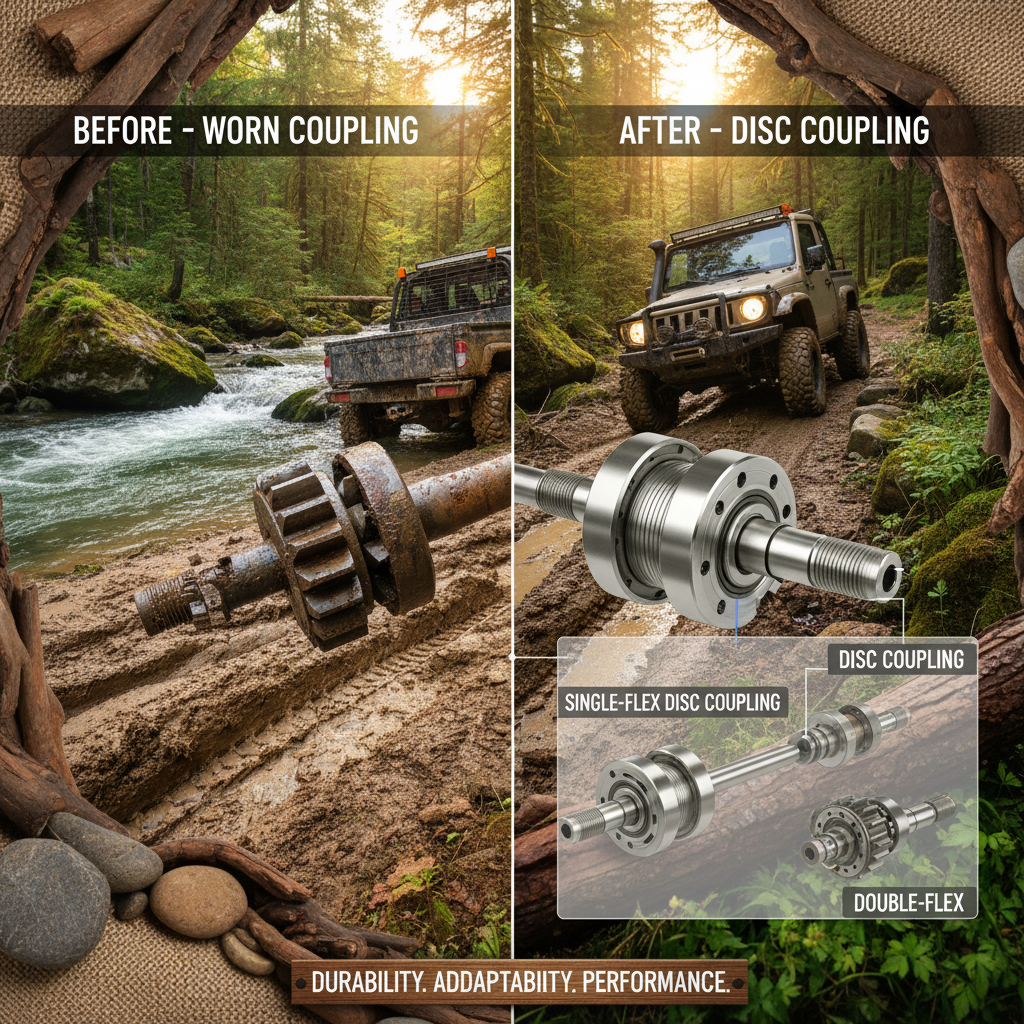
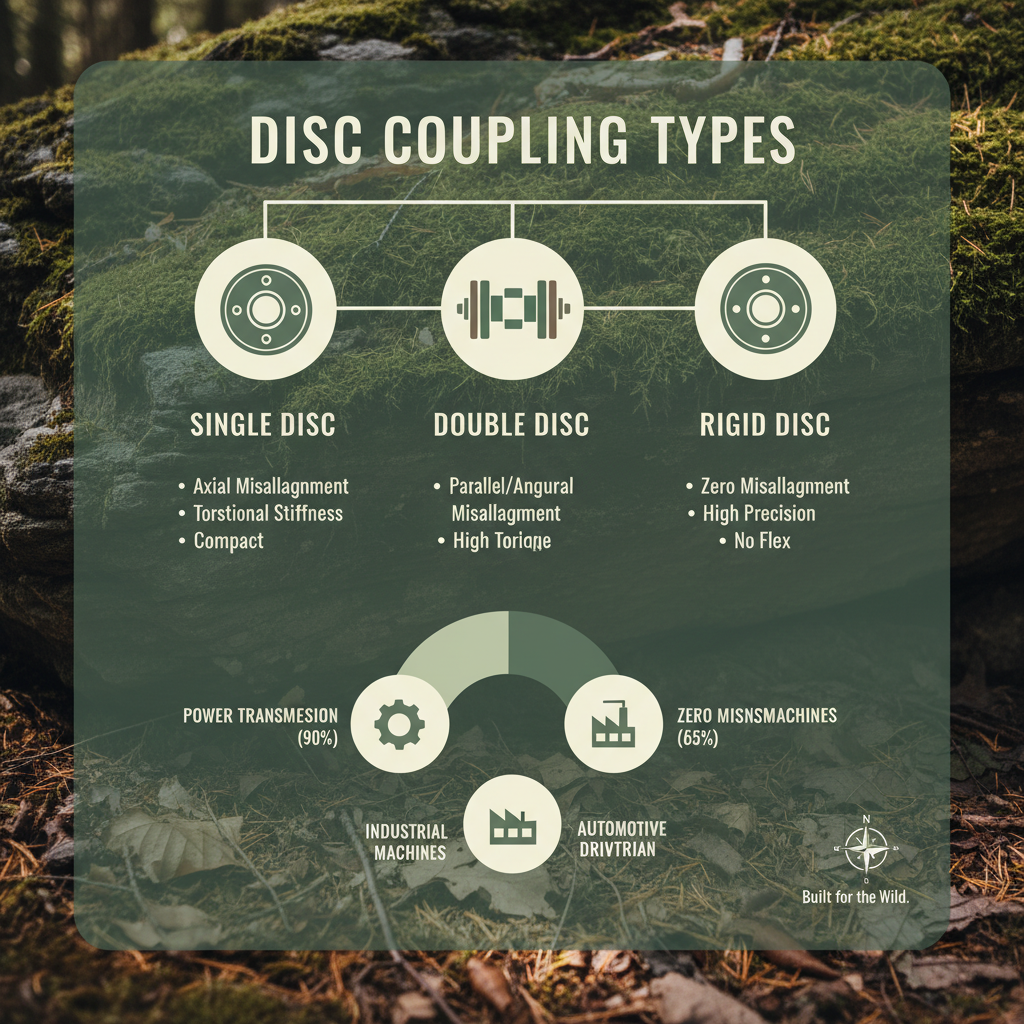
Single disc couplings are the most basic type, featuring a single flexible disc connecting two hubs. They're known for their simplicity, cost-effectiveness, and ability to accommodate angular misalignment. They are ideally suited for applications where minimal misalignment exists and where high torque transmission isn’t required. These couplings are typically used in light-duty applications such as pumps, fans, and small machinery. Binhao Coupling offers a range of single disc couplings designed for various applications.
Key Benefits: Cost-effective, simple design, accommodates angular misalignment, ideal for light-duty applications.
Double Disc Couplings: Enhanced Torque Capacity & Misalignment Accommodation
Double disc couplings utilize two flexible discs to provide increased torque capacity and improved misalignment accommodation compared to single disc couplings. This design allows them to handle higher loads and more significant angular, parallel, and axial misalignment. Double disc couplings find application in more demanding scenarios like gearboxes, compressors, and other heavy-duty machinery. The increased rigidity also contributes to improved system stability. Explore our double disc coupling options for robust performance.
Triple Disc Couplings: Maximum Performance and Misalignment Capabilities
For the most demanding applications, triple disc couplings offer the highest torque capacity and unparalleled misalignment capabilities. Utilizing three flexible discs, these couplings excel in scenarios involving severe misalignment, high shock loads, and heavy-duty power transmission. They are commonly found in turbine drives, large pumps, and other critical applications where reliability is paramount. This configuration minimizes stress on the discs, extending the coupling's lifespan and ensuring consistent performance.
Triple Disc Coupling Advantages:
• Highest torque capacity
• Exceptional misalignment accommodation
• Suitable for high-shock load applications
• Maximized lifespan and reliability
Comparing Disc Coupling Types: A Side-by-Side Analysis
Selecting the appropriate disc coupling hinges on a thorough understanding of application requirements. The table below provides a comparative overview to aid in the decision-making process.
Industries Served by Disc Couplings
Disc couplings find widespread use across a diverse range of industries, including:
- Power Generation: Turbine drives, generators
- Oil & Gas: Pumps, compressors, pipelines
- Manufacturing: Gearboxes, conveyors, machinery
- Water Treatment: Pumps, mixers, aeration equipment
- Mining: Heavy-duty machinery, conveyors
Conclusion: Choosing the Right Disc Coupling
Selecting the appropriate disc coupling type is critical for optimal performance, reliability, and longevity of your mechanical systems. Understanding the characteristics of each type – single, double, and triple disc – and considering the specific demands of your application will ensure a successful outcome. Binhao Coupling provides a comprehensive range of high-quality disc couplings tailored to meet your diverse needs. Contact us today for expert guidance and solutions!
Frequently Asked Questions (FAQs)
What materials are disc couplings typically made from?
Disc couplings are commonly constructed from stainless steel, carbon steel, and aluminum. Stainless steel offers excellent corrosion resistance, making it ideal for harsh environments. Carbon steel provides high strength and is cost-effective for general applications. Aluminum is lightweight and suitable for applications where weight is a concern. The flexible disc itself is usually made from spring steel or other resilient materials, ensuring the coupling can handle torsional stress and misalignment without permanent deformation.
How do I determine the correct size disc coupling for my application?
Determining the correct size requires careful consideration of several factors. You need to know the horsepower, operating speed, and torque requirements of your application. It’s also crucial to assess the amount of misalignment – angular, parallel, and axial – that the coupling will need to accommodate. Consult the coupling manufacturer's specifications and sizing charts. Our team at Binhao Coupling can assist you with selecting the optimal size based on your specific needs.
What are the advantages of zero backlash in disc couplings?
Zero backlash is a significant advantage in applications requiring precise motion control, such as servo systems, indexing drives, and precision machinery. Backlash refers to the amount of play or looseness between components, which can lead to inaccuracies and vibrations. Disc couplings, when properly designed and installed, offer minimal backlash, ensuring accurate and repeatable performance. This is particularly important in applications where positional accuracy is critical.