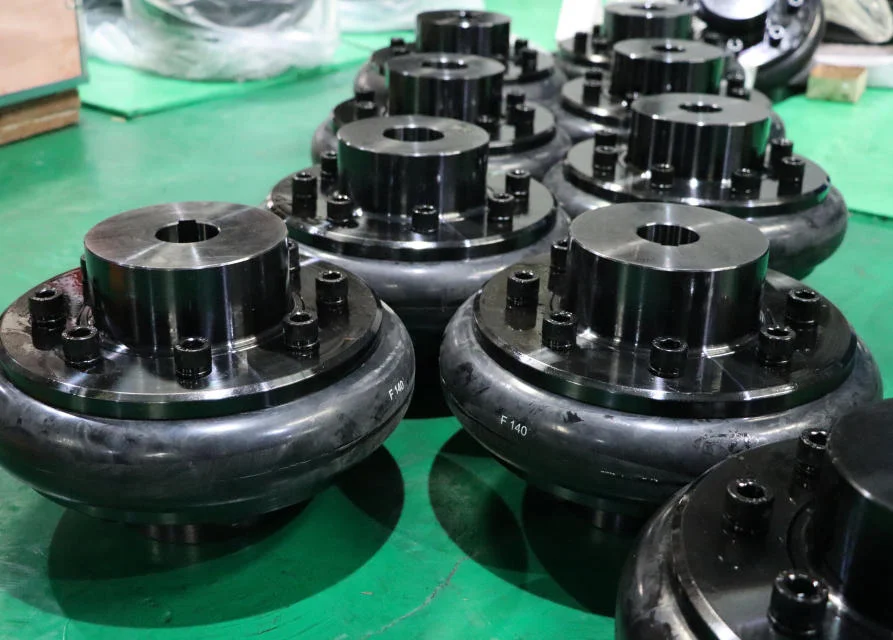
In the demanding landscape of industrial power transmission, the search for reliability often leads engineers to the rotex A-H concept of elastic coupling. These systems are critical for maintaining mechanical integrity in environments where vibration and misalignment are inevitable, ensuring that motors and driven equipment operate in harmony without premature failure.
The global shift toward high-precision manufacturing has amplified the need for components that can absorb shock loads while maintaining torsional rigidity. By utilizing advanced material compositions, the rotex A-H approach addresses the common industry challenge of mechanical fatigue, providing a buffer that protects expensive machinery from the harsh realities of operational stress.
Whether you are managing a fleet of industrial fans or a complex network of water pumps, integrating a high-performance solution like the rotex A-H equivalent, such as the NM Cast Iron Elastic Coupling, ensures a seamless energy transfer that maximizes uptime and minimizes maintenance overhead.

The Structural Foundations of rotex A-H Design
The structural essence of the rotex A-H design philosophy lies in its ability to blend rigidity with flexibility. By employing high-strength cast iron hubs, the system ensures maximum torsional rigidity, which is essential for preventing energy loss during the transmission of medium to small torque loads. This creates a stable foundation that can withstand the rigors of continuous industrial operation.
Complementing this rigidity is the integration of a specialized annular rubber elastic pad. This component acts as the primary dampening mechanism, allowing the rotex A-H style coupling to compensate for angular and radial misalignments effectively. This dual-material approach prevents the transmission of harmful vibrations from the motor to the reducer or pump, significantly extending the equipment's lifespan.
Global Industry Relevance of rotex A-H Standards
In the global manufacturing sector, adhering to standards similar to the rotex A-H framework is not merely a preference but a necessity for operational safety. Across Europe, Asia, and North America, ISO standards for power transmission emphasize the reduction of mechanical stress. The adoption of elastic couplings helps industries meet these safety benchmarks by mitigating the risk of catastrophic shaft failure.
Many industrial facilities struggle with unplanned downtime caused by misalignment. Statistics from global maintenance reports suggest that a significant percentage of bearing failures are rooted in poor coupling choices. The rotex A-H approach solves this by providing a flexible interface that absorbs the "shock" of start-up and shut-down cycles, which are often the most stressful periods for any rotating machine.
As industries move toward more automated and high-speed production lines, the demand for cost-effective yet durable solutions grows. The rotex A-H philosophy provides a scalable model where high-performance rubber elements can be replaced without dismantling the entire drivetrain, offering a pragmatic solution for plant managers worldwide who need to balance performance with maintenance budgets.
Core Components and Material Synergy in rotex A-H
The effectiveness of a rotex A-H style system depends entirely on the synergy between its cast iron hubs and the elastic element. The high-strength cast iron provides the necessary "skeleton" to handle the torque, ensuring that the coupling does not deform under normal load conditions. This ensures that the power transfer remains precise and efficient.
At the heart of the rotex A-H mechanism is the annular rubber pad. This elastic element is engineered to handle temperatures up to 80°C, providing a critical buffer that absorbs impact loads. By converting kinetic energy from vibrations into a small amount of heat, the rubber pad protects the motor and connected machinery from mechanical fatigue.
Furthermore, the precision engineering of these components allows for an angular deviation of ≤ 1° and a radial offset of approximately 0.5mm. This level of compensation is what makes the rotex A-H concept so versatile, as it accommodates the slight imperfections inherent in manual equipment installation and thermal expansion during operation.
Performance Metrics and Operational Efficiency
Evaluating the performance of rotex A-H inspired couplings requires a look at their torsional rigidity and dampening capacity. Unlike rigid couplings, which transfer every vibration directly to the motor, the elastic design filters out high-frequency noise. This leads to a quieter working environment and a drastic reduction in the wear and tear of bearings and seals.
The operational efficiency is further highlighted by the ease of maintenance. Because the rubber gasket is modular, it can be replaced by simply removing bolts, eliminating the need for complex realignment of the main machinery. This ensures that the return on investment is maximized by minimizing the labor hours required for routine upkeep.
Operational Performance Comparison for rotex A-H Systems
Real-World Applications of rotex A-H Systems
The versatility of the rotex A-H design makes it an ideal choice for a wide range of industrial equipment. In water treatment plants, for instance, these couplings are used to connect heavy-duty pumps to electric motors, where they absorb the hydraulic surges that could otherwise damage the motor shaft. Similarly, in the HVAC industry, they are indispensable for industrial fans and blowers, reducing the noise pollution and vibration transmitted to the building structure.
Beyond fluid handling, the rotex A-H approach is widely applied in conveyor belt systems and mixing equipment. In these settings, the load can be erratic, and the potential for shock loads is high. The embedded rubber element prevents these spikes in torque from causing mechanical failure, ensuring that the production line continues to move steadily even under fluctuating conditions.
Long-Term Value and Sustainability Benefits
Investing in a rotex A-H style coupling provides tangible long-term value by extending the lifecycle of the entire machine assembly. By reducing the direct impact on bearings and housings, companies can move from a reactive "fix-it-when-it-breaks" mentality to a proactive, scheduled maintenance strategy. This shift not only saves money but also increases the overall safety of the workplace.
From a sustainability perspective, the modular nature of these couplings is a significant advantage. Instead of replacing the entire cast iron assembly when the elastic element wears out, only the rubber gasket needs to be swapped. This reduces material waste and the carbon footprint associated with manufacturing and shipping heavy metal components.
Ultimately, the trust placed in the rotex A-H framework comes from its reliability. When a system is designed to handle the "worst-case" misalignment and vibration scenarios, it provides peace of mind to engineers and operators alike, knowing that the critical power transmission link is secure and durable.
Future Innovations in rotex A-H Coupling Technology
As we look toward the future, the rotex A-H design is evolving to incorporate smarter materials. Research into high-performance polymers and composite rubbers is promising, aiming to push the working temperature limits beyond the current 80°C. This would allow elastic couplings to be used in more extreme industrial environments without the risk of premature rubber degradation.
Digital transformation is also making its way into the coupling world. We are seeing the emergence of "smart" monitoring systems that can track the wear of the rubber pad in real-time. By integrating sensors into the rotex A-H architecture, maintenance teams can receive automated alerts before a failure occurs, moving toward a truly predictive maintenance model.
Furthermore, the drive toward green energy is pushing the design of couplings that are even more energy-efficient. By optimizing the torsional rigidity to minimize hysteresis loss in the rubber element, the next generation of these couplings will help reduce the overall electricity consumption of industrial motors and pumps.
Comprehensive Analysis of rotex A-H Technical Advantages
| Performance Dimension | rotex A-H Elastic Solution | Standard Rigid Coupling | Impact on Equipment |
|---|
| Vibration Damping | Excellent (Rubber Pad) | None (Direct Transfer) | Reduced Bearing Wear |
| Misalignment Tolerance | High (1° Angular) | Zero (Requires Precision) | Easier Installation |
| Maintenance Effort | Low (Modular Gasket) | Moderate (Full Realignment) | Reduced Downtime |
| Shock Absorption | High (Dynamic Buffering) | Low (Direct Impact) | Motor Protection |
| Torsional Rigidity | Balanced (Cast Iron Hub) | Maximum (Solid Steel) | Efficient Power Transfer |
| Cost per Lifecycle | Low (Long-term Value) | High (Frequent Failures) | Better ROI |
FAQS
The elastic element, typically an annular rubber pad, serves as the core buffering component. Its primary role is to absorb impact vibrations and compensate for minor axial, radial, and angular misalignments between the driving and driven shafts, which protects the rest of the machinery from fatigue.
The long-term working temperature for these couplings should not exceed 80°C. If your operational environment consistently exceeds this limit, the rubber will age prematurely, leading to hardness increases or cracking, which necessitates more frequent replacement to avoid failure.
The NM series and similar rotex A-H designs are specifically engineered for medium to small torque applications. For extreme high-torque requirements, we recommend transitioning to more robust solutions such as Gear or Diaphragm couplings to ensure structural integrity.
Maintenance is highly simplified. You only need to regularly inspect the rubber pad for wear or visible cracks. When replacement is needed, the gasket can be swapped by removing the bolts, meaning the main machinery does not need to be moved or completely dismantled.
They are widely utilized in industrial fans, water pumps, mixers, and conveyor belt systems. Any application where vibration reduction is essential for the safety of the motor and the longevity of the connected equipment is an ideal fit for this coupling type.
Typically, these couplings can compensate for angular deviations up to 1° and radial (parallel) offsets of approximately 0.5mm. They also allow for small amounts of axial expansion and contraction, which is critical for machines that experience thermal growth.
Conclusion
The rotex A-H design philosophy represents a perfect balance between structural rigidity and operational flexibility. By integrating high-strength cast iron with advanced rubber buffering, it addresses the most critical challenges of industrial power transmission: vibration, misalignment, and mechanical wear. From its ease of maintenance to its ability to protect expensive motors, the value it brings to the industrial floor is undeniable.
As we move toward a future of predictive maintenance and sustainable manufacturing, the continued evolution of these elastic couplings will be key to achieving higher efficiency and longer equipment lifespans. We encourage plant engineers to evaluate their current transmission links and consider the long-term reliability that comes with a high-quality elastic solution. Visit our website for more information: www.binhaocoupling.com