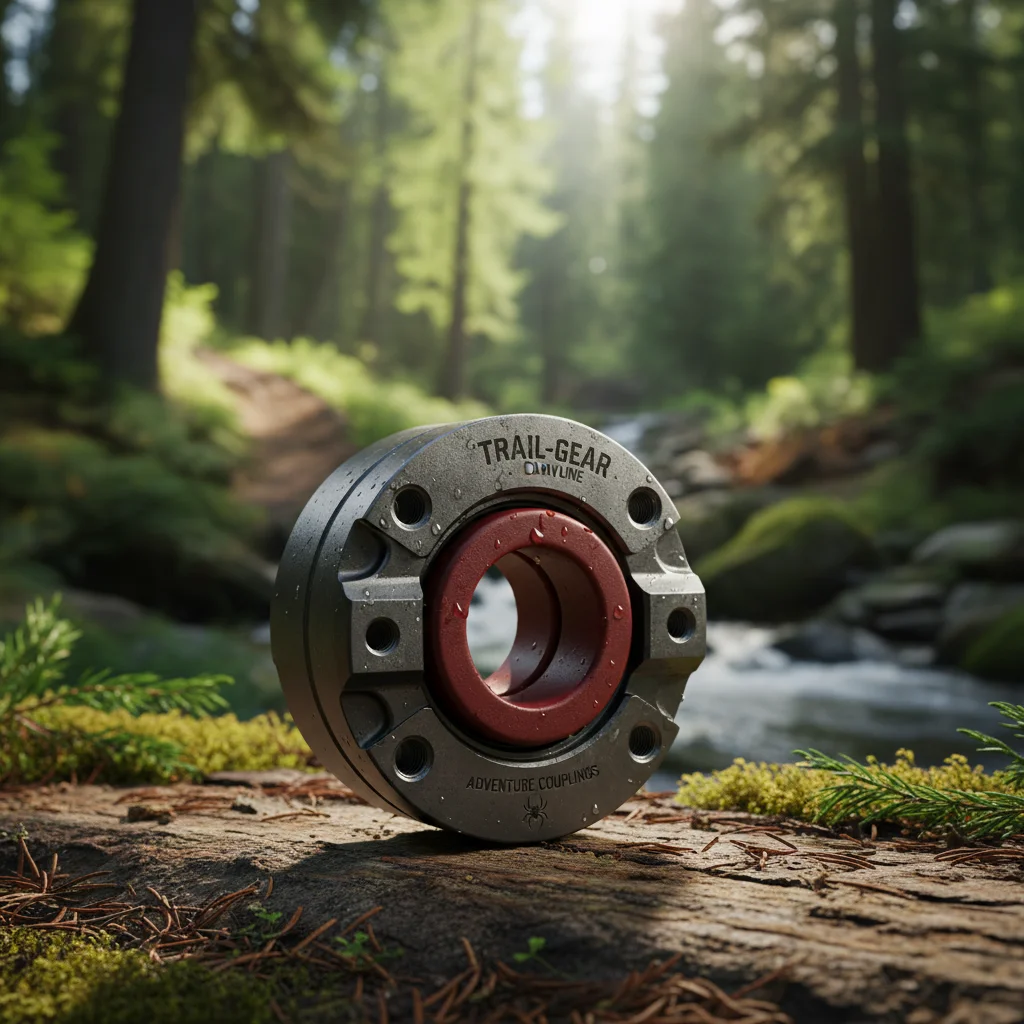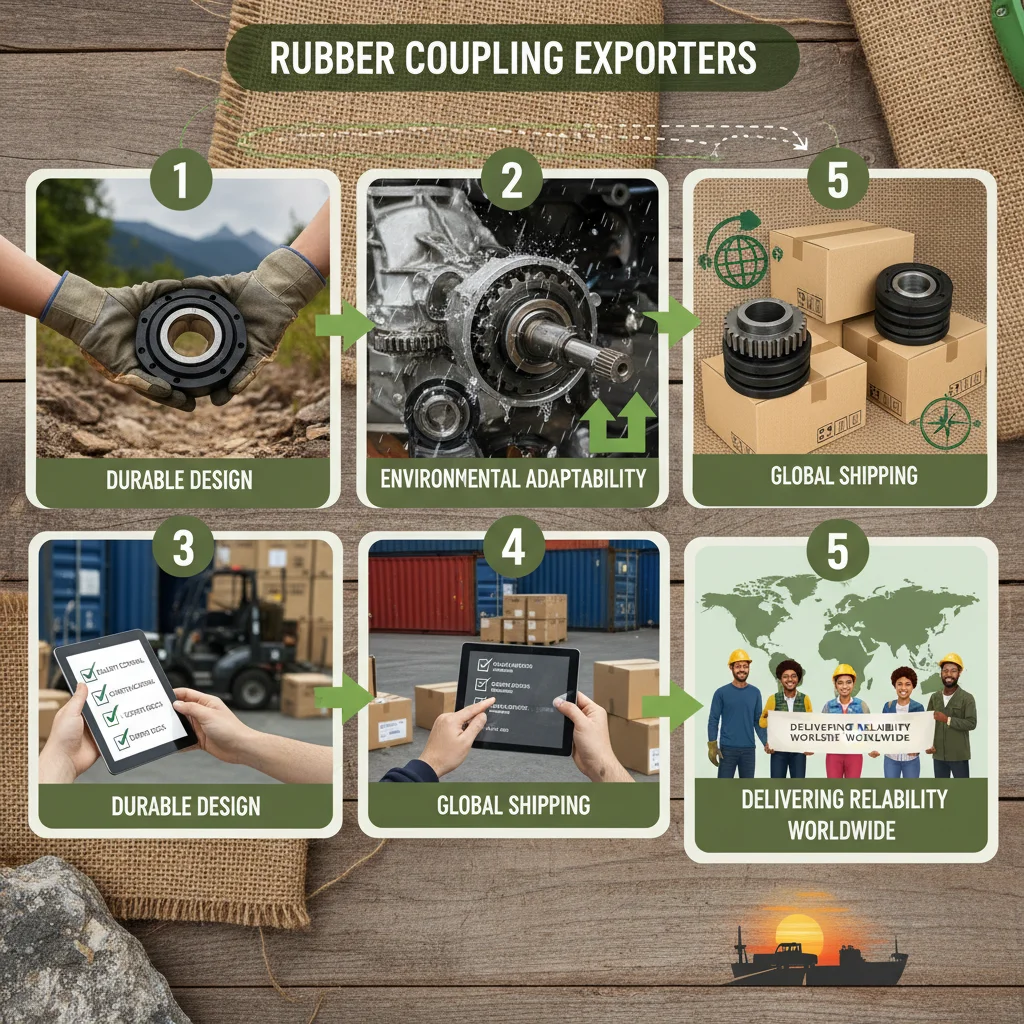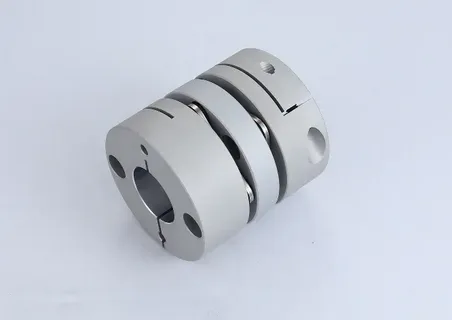
In the demanding world of industrial power transmission, the Tire coupling stands as a critical component designed to bridge the gap between motors and driven equipment. These specialized couplings are engineered to handle significant misalignment while dampening the harsh vibrations that can lead to premature machine failure. By utilizing a flexible rubber element that resembles a tire, they provide a reliable solution for maintaining operational continuity in heavy-duty environments.
Globally, the shift toward high-efficiency manufacturing has placed a premium on components that reduce downtime and maintenance costs. The Tire coupling is particularly vital in industries where precision is balanced with extreme physical stress, such as in large-scale pumping stations or conveyor systems. Understanding the mechanics of these couplings allows engineers to optimize the lifespan of their machinery and ensure a safer working environment for operators.
Beyond mere connectivity, the adoption of a high-quality Tire coupling represents a strategic investment in sustainability and reliability. By absorbing shock loads and compensating for parallel or angular offsets, these components protect expensive bearings and seals from unnecessary wear. This guide explores the technical depth, practical applications, and future trajectory of this indispensable piece of industrial hardware.
Global Industrial Context of Tire Coupling
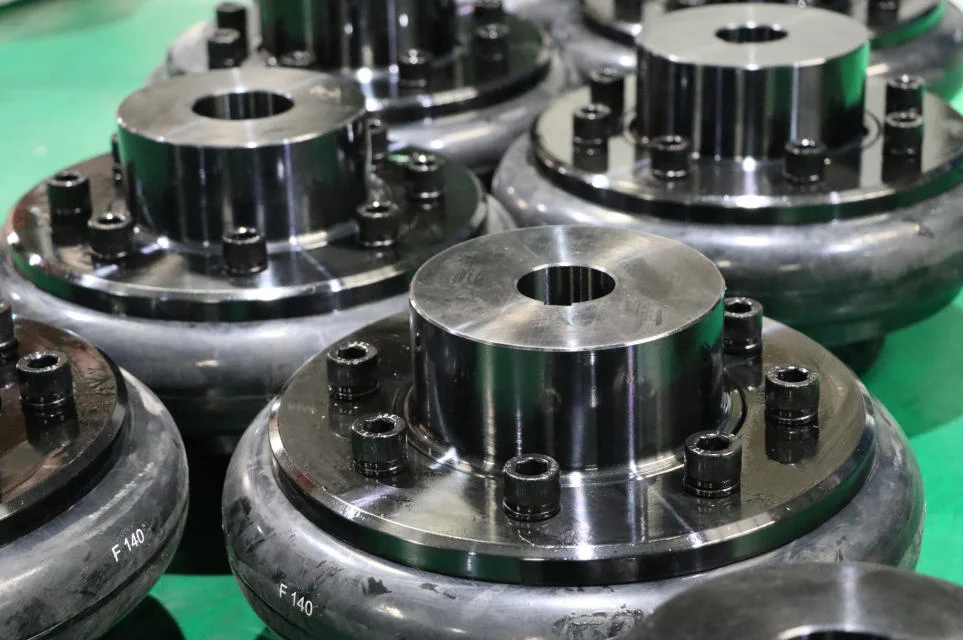
On a global scale, the demand for robust power transmission is driven by the expansion of infrastructure in emerging markets and the automation of existing factories in developed nations. According to ISO standards for mechanical couplings, the ability to handle misalignment is paramount to reducing energy loss. The Tire coupling has emerged as a primary solution for large-scale industrial drives where rigid couplings would cause catastrophic shaft failure due to thermal expansion or structural settling.
Many industries face the perennial challenge of "shock loading," where sudden changes in torque can snap metal components. By integrating an elastomeric tire element, companies can mitigate these risks effectively. This global shift toward "fail-safe" engineering ensures that critical systems—from water treatment plants to mining operations—remain operational even under suboptimal alignment conditions, thereby safeguarding economic output and industrial safety.
Defining the Mechanics of Tire Coupling
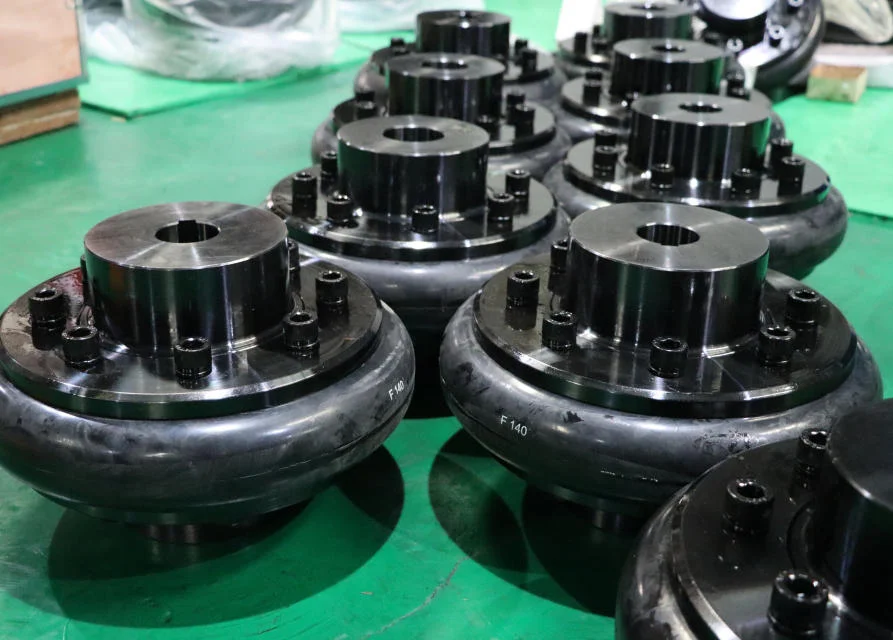
In simple technical terms, a Tire coupling consists of two metal hubs and a flexible rubber tire element that connects them. Unlike gear or disc couplings, which rely on precise machining and rigidity, the tire coupling leverages the inherent elasticity of rubber. This allows the coupling to act as a shock absorber, twisting and flexing to accommodate the natural movements of the connected machinery without transferring those stresses to the motor or the gearbox.
This design is deeply connected to the modern need for "modular flexibility" in industry. As plants become more complex, the ability to install equipment without requiring micron-perfect alignment saves thousands of hours in labor and installation costs. The tire element not only transmits torque but also isolates the driven equipment from the high-frequency vibrations generated by electric motors, which is essential for protecting sensitive electronics and precision bearings nearby.
Furthermore, the humanitarian and safety implications are significant. In critical infrastructure, such as emergency power generators for hospitals or ventilation systems for tunnels, a coupling failure can be life-threatening. The Tire coupling provides a level of forgiveness and durability that ensures these systems do not seize up during a critical event, bridging the gap between mechanical necessity and operational safety.
Core Components and Engineering Factors
The primary factor in the performance of a Tire coupling is the material composition of the elastomer. High-grade synthetic rubbers are used to ensure that the coupling can withstand varying temperatures and chemical exposures without degrading. This durability ensures that the coupling does not crack under cyclic loading, maintaining a consistent torque transfer over millions of rotations.
Scalability is another core aspect; these couplings are available in various sizes to accommodate everything from small pumps to massive industrial fans. The engineering balance between the diameter of the rubber tire and the torque rating is crucial. A larger diameter allows for greater misalignment compensation, while the thickness of the rubber determines the damping coefficient, allowing engineers to tailor the Tire coupling to the specific vibration profile of their machine.
Cost efficiency is realized not through the initial purchase price, but through the reduction of "Total Cost of Ownership" (TCO). By reducing the wear on bearings and shafts, the Tire coupling minimizes the frequency of expensive overhauls. Additionally, the ease of replacing only the rubber element—rather than the entire metal assembly—makes it a highly sustainable choice for long-term industrial maintenance.
Global Applications and Use Cases
In real-world contexts, the Tire coupling is indispensable in the petrochemical and wastewater industries. In these sectors, pumps often operate in environments with high ambient vibration and potential foundation shifting. For instance, in large-scale desalination plants across the Middle East, these couplings allow massive pumps to operate reliably despite the thermal expansion of long piping runs.
Another critical application is found in remote industrial zones, such as mining operations in Australia or Canada. In these regions, the cost of bringing in a specialist for precision alignment is astronomical. The flexibility of the Tire coupling allows on-site technicians to perform installations and replacements quickly, ensuring that the ore processing lines keep moving without waiting for external consultants.
Performance Comparison of Tire Coupling Variants
Long-Term Value and Strategic Advantages
The tangible benefits of implementing a Tire coupling center on reliability and risk mitigation. By decoupling the motor from the driven load, the system is protected against sudden torque spikes that could otherwise lead to catastrophic gear failure. Logically, this results in lower maintenance budgets and a significant increase in the Mean Time Between Failures (MTBF) for the entire drivetrain.
From an emotional and organizational perspective, these couplings foster trust and peace of mind. Plant managers can operate their facilities knowing that the system is resilient to the inevitable minor shifts that occur in heavy industrial foundations. This innovation in flexibility doesn't just save money; it ensures the dignity of the workforce by reducing the need for emergency, high-stress repairs in dangerous industrial environments.
Future Trends and Material Innovations
The future of the Tire coupling is being shaped by the advent of advanced polymer chemistry. Research into graphene-infused rubbers is promising, as these materials offer significantly higher tear resistance and thermal stability. This means that future couplings will be able to operate in more extreme temperatures—both cryogenic and high-heat—without the risk of elastomer hardening or melting.
Furthermore, the integration of digital transformation, or Industry 4.0, is bringing "smart" capabilities to power transmission. We are seeing the emergence of couplings with embedded sensors that can monitor the deformation of the tire element in real-time. These sensors can alert maintenance teams via IoT platforms when the rubber is wearing thin or when the misalignment has exceeded safe thresholds, shifting maintenance from a reactive to a predictive model.
Sustainability is also a driving force. There is a growing movement toward biodegradable or recyclable elastomers to reduce the environmental footprint of industrial waste. As green energy projects like giant wind turbine yaw systems and hydroelectric pumps expand, the Tire coupling will evolve to be not only more durable but also more eco-friendly, aligning industrial growth with planetary health.
Common Challenges and Expert Solutions
Despite their advantages, Tire coupling systems are not without challenges. The most common limitation is the risk of elastomer degradation due to oil or chemical exposure. When standard rubber is exposed to certain industrial lubricants, it can soften and "swell," leading to a loss of torque capacity and potential slipping. This is a critical failure point that can halt production entirely.
To overcome this, expert insights suggest the use of Nitrile (NBR) or Viton-based elastomers for applications involving oils. Additionally, implementing a strict inspection schedule using shore hardness testers can help identify degradation before a failure occurs. By matching the specific elastomer chemistry to the environmental conditions of the plant, the operational life of the coupling can be tripled.
Another challenge is the potential for "wind-up" or torsional lag in very high-precision applications. While the flexibility of the Tire coupling is a benefit for vibration, it can be a drawback for systems requiring absolute synchronization. The solution here is to utilize reinforced tire elements with internal fabric or steel cords that maintain flexibility for misalignment while increasing torsional stiffness.
Technical Analysis of Tire Coupling Performance Solutions
| Challenge Type | Root Cause | Recommended Solution | Efficiency Gain |
|---|
| Chemical Erosion | Oil leakage on rubber | Viton Elastomer Upgrade | 9/10 |
| Torsional Lag | Excessive rubber flexibility | Internal Cord Reinforcement | 8/10 |
| Thermal Hardening | High ambient heat | Silicone-based compounds | 7/10 |
| Dynamic Imbalance | Improper rubber casting | Dynamic Balancing Grade G2.5 | 9/10 |
| Installation Wear | Incorrect hub fitment | Tapered Lock Bushings | 8/10 |
| Excessive Vibration | Resonance matching | Custom Durometer Adjustment | 7/10 |
FAQS
The primary advantage is the degree of misalignment compensation. While jaw couplings are excellent for small offsets, the Tire coupling utilizes a larger, more flexible rubber element that can handle significant parallel and angular misalignment. This makes it far superior for large-scale equipment where structural shifts are common and where high vibration dampening is required to protect the motor.
Lifespan varies based on the environment. In a controlled environment with proper alignment, a high-quality element can last 5 to 10 years. However, in caustic or high-heat environments, they may need replacement every 2 years. Regular inspection for "checking" (small cracks) or swelling is recommended to prevent unplanned downtime.
Yes, but with precautions. At very high speeds, the centrifugal force can cause the rubber element to expand, and imbalance can lead to severe vibration. For high-speed use, it is essential to specify a dynamically balanced Tire coupling and ensure that the RPM does not exceed the elastomer's rated critical speed.
In most designs, yes. One of the key commercial benefits of the Tire coupling is the ability to replace the flexible element by simply loosening the fastening bolts or sliding the hubs slightly apart. This drastically reduces maintenance time compared to rigid couplings that require full shaft disassembly.
Durometer refers to the hardness of the rubber. A lower durometer (softer rubber) provides better vibration isolation and misalignment compensation but lower torque capacity. A higher durometer (harder rubber) supports higher torque and offers more precise transmission but transmits more vibration. Consult your equipment's torque requirements and vibration limits to decide.
Absolutely. In fact, they are highly recommended for VFD-driven systems. VFDs can sometimes introduce torque ripples or harmonic vibrations during acceleration and deceleration. The elastomeric nature of the Tire coupling absorbs these transients, protecting the mechanical drivetrain from the electrical volatility of the drive.
Conclusion
The Tire coupling represents a masterclass in balancing rigidity with flexibility. By integrating high-performance elastomers with robust metal hubs, it solves the most persistent problems in industrial power transmission: misalignment, vibration, and shock loading. From the petrochemical plants of the Gulf to the remote mines of the North, its ability to safeguard expensive machinery while reducing maintenance costs makes it an essential component for any high-availability industrial system.
As we look toward a future defined by Industry 4.0 and sustainable manufacturing, the evolution of these couplings into "smart," eco-friendly components will further enhance their value. For engineers and plant managers, the recommendation is clear: prioritize high-grade materials and predictive monitoring to maximize the lifespan of your drivetrain. To explore our full range of precision coupling solutions, visit our website: www.binhaocoupling.com.