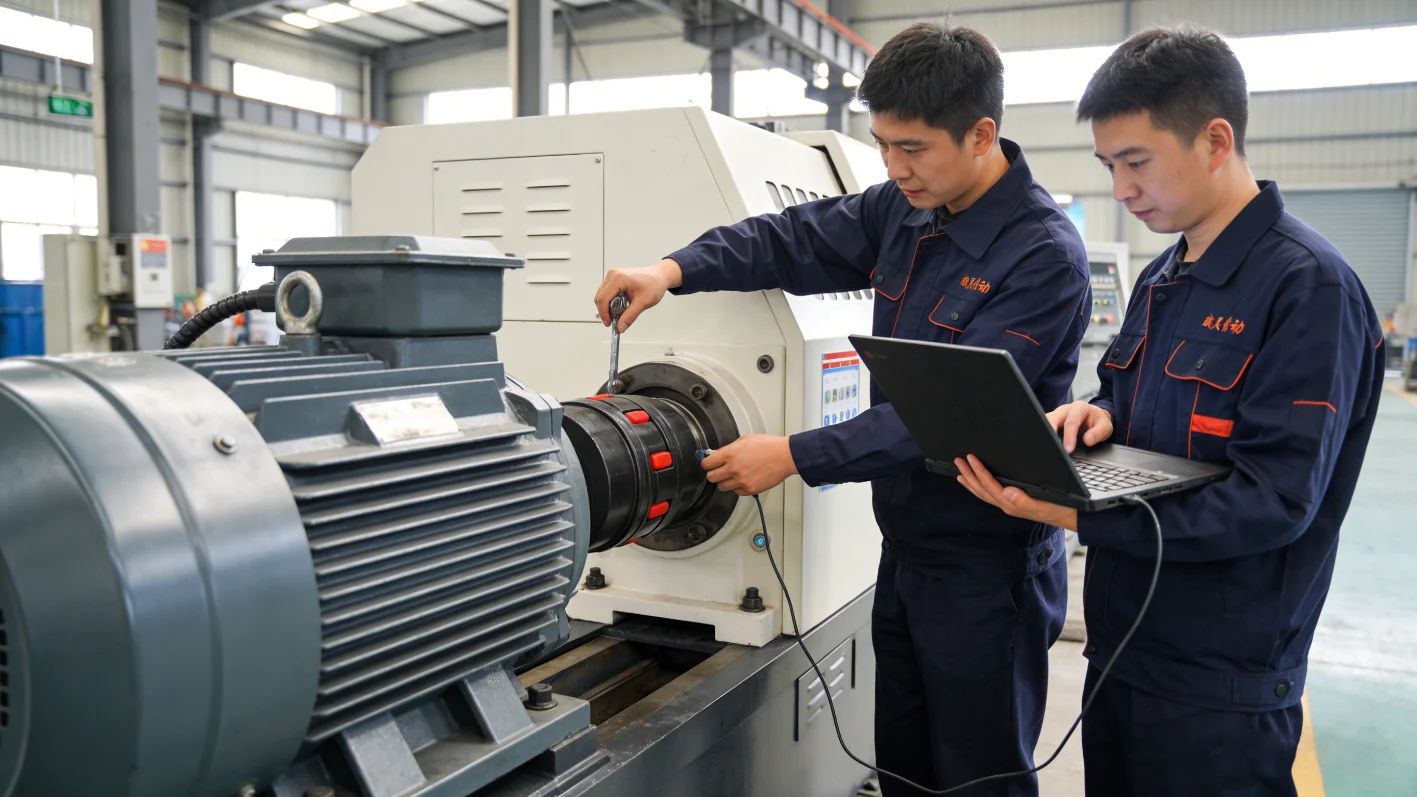
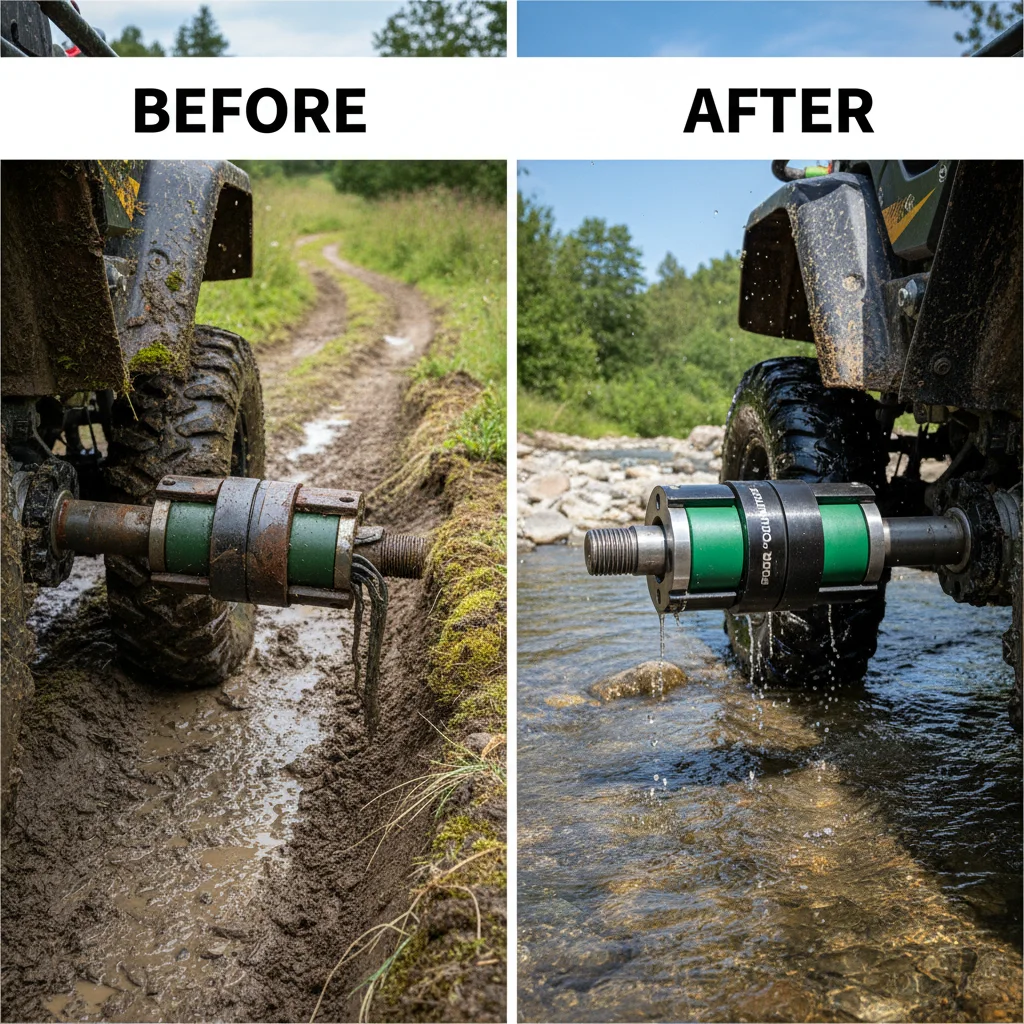
In the complex world of mechanical power transmission, the Elastic coupling serves as a critical bridge, ensuring that torque is transferred efficiently between shafts while mitigating the destructive effects of misalignment and vibration. By integrating flexible elements, these components prevent premature wear on bearings and motors, making them indispensable in modern industrial machinery.
Globally, the demand for high-performance transmission components has surged as industries push for higher precision and longer equipment lifecycles. Whether in heavy-duty mining operations or precision medical manufacturing, the ability of an Elastic coupling to absorb shock loads and accommodate angular or parallel offsets is what keeps production lines running without catastrophic failure.
Understanding the nuances of elastic coupling technology—from material selection to torque ratings—allows engineers to optimize system reliability and reduce maintenance overhead. This guide explores the technical architecture, global applications, and future trajectories of these essential components, providing a comprehensive overview for professionals seeking to enhance their mechanical drive systems.
Global Relevance of Elastic Coupling in Industry
The global industrial landscape is currently undergoing a massive transition toward automation and high-speed processing. According to ISO standards and international manufacturing benchmarks, mechanical downtime remains one of the costliest challenges for factories worldwide. An Elastic coupling addresses this by providing a "mechanical fuse" that protects expensive motors and gearboxes from the jarring impact of sudden start-stop cycles.
From the sprawling industrial zones of Southeast Asia to the high-tech hubs in Germany, the integration of elastic elements in power trains has become a standard requirement. The primary challenge addressed by these couplings is the inevitable misalignment that occurs during installation or due to thermal expansion, which, if left unchecked, would lead to shaft breakage and systemic failure.
Technical Definition and Core Principles
At its simplest level, an Elastic coupling is a device used to connect two shafts together at their ends for the purpose of transmitting power, but with a critical twist: it incorporates a flexible element (often made of rubber, plastic, or specialized alloys) that allows for a degree of movement. This flexibility enables the coupling to compensate for misalignment and dampen torsional vibrations that occur during operation.
In the context of modern industry, this flexibility is not a weakness but a strategic advantage. By decoupling the rigid connection between the driver and the driven component, the elastic element absorbs shock loads. This is particularly vital in humanitarian-scale infrastructure projects, such as large-scale water pumping stations or power generation plants, where reliability is a matter of public safety and basic needs.
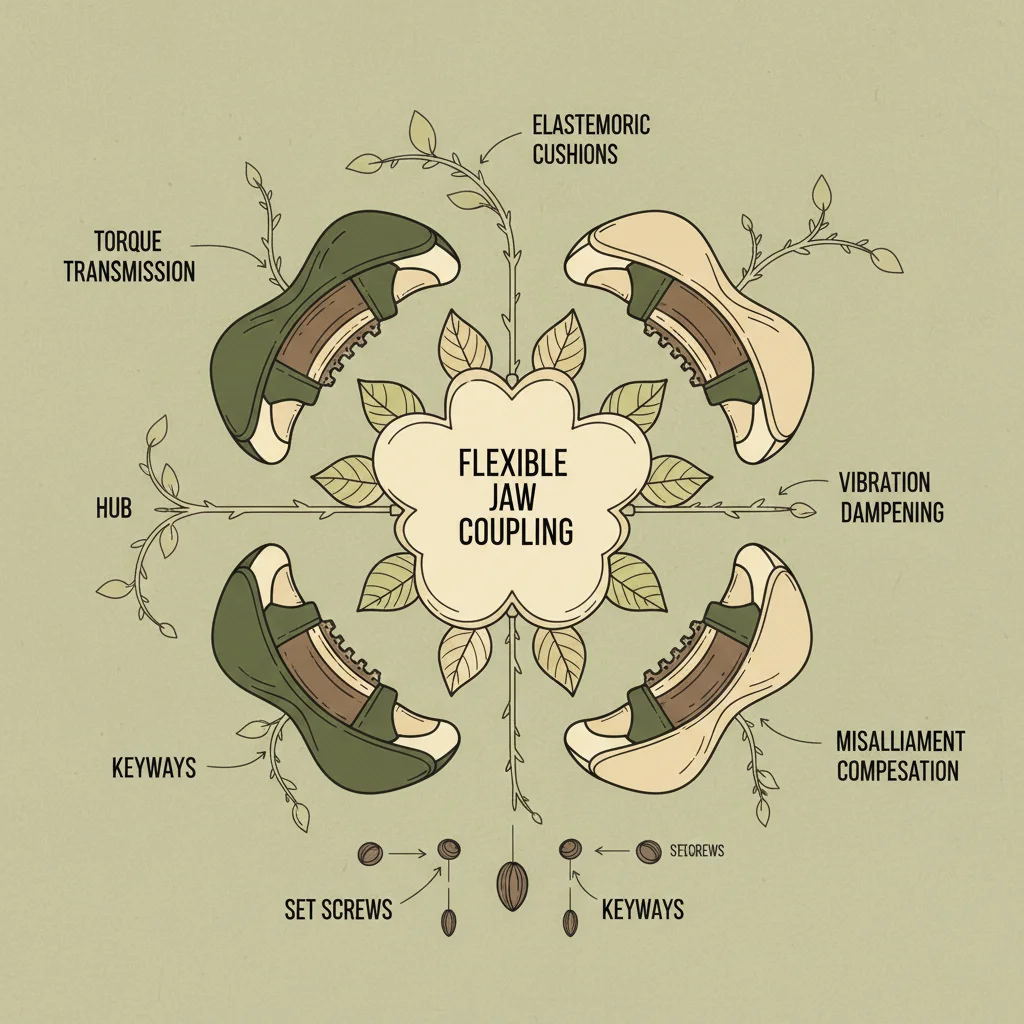
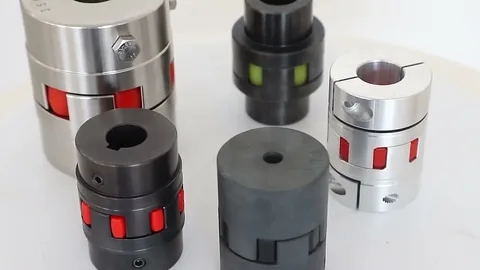
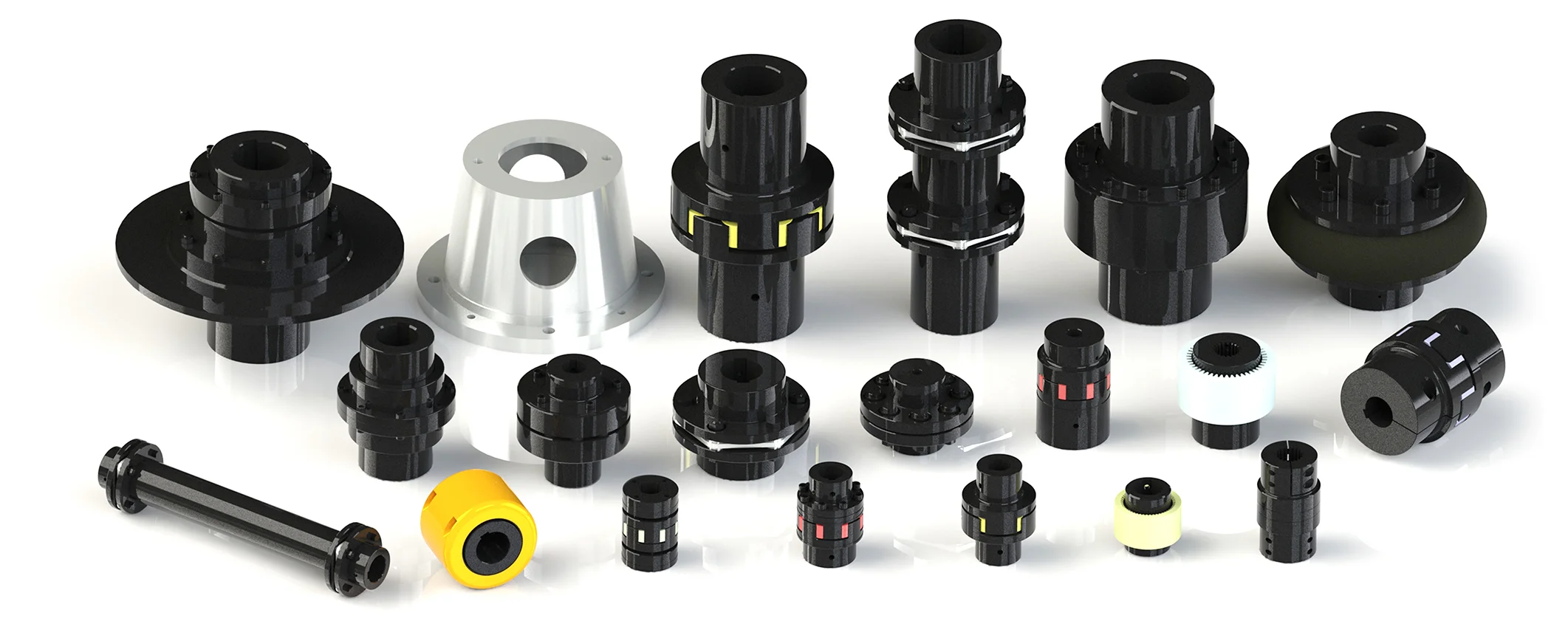
Whether it is a L Series Elastic Jaw Coupling or a specialized NL Gear Elastic Coupling, the core principle remains the same: translating rotational energy while isolating the components from harmonic frequencies. This ensures that the energy transfer is smooth, reducing the acoustic noise pollution in the workplace and extending the mean time between failures (MTBF) for the entire drivetrain.
Key Factors for Performance Optimization
Durability is the foremost consideration when selecting an Elastic coupling. The material of the elastic insert must withstand not only the mechanical stress of torque transmission but also environmental factors such as extreme temperatures, oils, and chemicals. For instance, an ML Plum Blossom Coupling is often chosen for its ability to balance high torque with significant vibration dampening.
Scalability and versatility are equally critical. A wide range of options, from XL Aluminum Clamping Couplings for light-duty precision work to TGL Drum Gear Couplings for heavy industrial loads, ensures that engineers can scale their solution based on the specific horsepower and RPM requirements of the application without redesigning the entire shaft assembly.
Cost efficiency in the long run is achieved through reduced maintenance. By utilizing an Elastic coupling, companies reduce the frequency of bearing replacements. The ability to replace only the elastic element (the "spider" or "insert") rather than the entire metal housing significantly lowers the total cost of ownership (TCO) across the machinery's lifecycle.
Comparative Analysis of Coupling Efficiency
When comparing different types of Elastic coupling designs, the trade-off usually lies between torque capacity and flexibility. For example, jaw couplings offer excellent dampening but lower torque limits compared to gear-based elastic couplings, which provide immense strength while still offering a degree of compliance.
Analyzing these metrics allows plant managers to select the optimal component for their specific operational environment. Whether the priority is zero-backlash for precision positioning or high-shock absorption for crushing equipment, the following data illustrates how different elastic coupling methods perform across key industrial KPIs.
Performance Rating of Various Elastic Coupling Types
Global Applications and Industrial Use Cases
The practical application of the Elastic coupling spans across every continent and most industrial sectors. In remote industrial zones, such as mining sites in Australia or oil rigs in the North Sea, these couplings are critical. The harsh environments and extreme vibrations would snap a rigid coupling in hours; however, an elastic solution absorbs these stresses, ensuring continuous power delivery to critical pumps and compressors.
Furthermore, in post-disaster relief operations where modular power plants and water filtration systems are deployed rapidly, the ease of installation and tolerance for slight misalignment make elastic couplings the preferred choice. They allow for a "fast-deploy" setup where precision laser alignment may not be immediately available, yet operational stability is still guaranteed.
Long-Term Value and Sustainability Benefits
Investing in a high-quality Elastic coupling provides tangible long-term value through energy efficiency. When shafts are misaligned, energy is wasted as heat and vibration. By neutralizing these losses, elastic couplings improve the overall energy efficiency of the drivetrain, aligning with global sustainability goals and reducing the carbon footprint of industrial plants.
From an emotional and psychological standpoint, the reliability of these components fosters trust within a technical team. Knowing that the system is protected by a robust elastic element reduces the stress on maintenance crews and increases the safety of the operational environment. This "peace of mind" is an underrated but essential value in high-stakes industrial settings.
Moreover, the move toward replaceable elastic inserts promotes a circular economy. Instead of scrapping an entire heavy-duty metal coupling, only the worn polymer element is replaced. This significantly reduces material waste and the environmental impact associated with the smelting and casting of new metal components.
Future Trends in Elastic Transmission Tech
The future of Elastic coupling technology is being shaped by the digital transformation of industry. We are seeing the rise of "smart couplings" embedded with IoT sensors that can monitor torque levels and temperature in real-time. These sensors can predict when an elastic element is nearing the end of its fatigue life, enabling predictive maintenance rather than reactive repair.
Material science is also playing a pivotal role. The development of advanced thermoplastic elastomers and carbon-fiber-reinforced polymers is allowing for couplings that are lighter yet capable of handling higher torque loads. These innovations are particularly relevant for the green energy sector, such as in wind turbine drivetrains where weight reduction and high durability are paramount.
As automation and robotics continue to evolve, the demand for zero-backlash elastic couplings will grow. The integration of hybrid materials—combining the strength of metals with the flexibility of advanced polymers—will allow for tighter tolerances and higher precision in the next generation of industrial machinery.
Comparative Analysis of Modern Elastic Coupling Materials and Applications
| Material Type | Damping Ability | Torque Capacity | Primary Use Case |
|---|
| Natural Rubber | High (9/10) | Medium (6/10) | General Purpose Pumps |
| Polyurethane (PU) | Medium (7/10) | High (8/10) | Industrial Conveyors |
| Nitrile Rubber (NBR) | Medium (6/10) | Medium (7/10) | Oil & Gas Equipment |
| Advanced Alloy Steel | Low (3/10) | Extreme (10/10) | Heavy Mining Gearboxes |
| Teflon/PTFE | Medium (5/10) | Low (4/10) | Chemical Processing |
| Composite Polymer | High (8/10) | High (9/10) | Aerospace Actuators |
FAQS
Unlike rigid couplings, an Elastic coupling can accommodate misalignment (parallel, angular, or axial) and dampen vibrations. This prevents the transmission of shock loads to the motor and bearings, significantly reducing wear and tear and preventing sudden mechanical failures that typically occur with rigid connections.
The choice depends on the environment: use NBR for oil-rich environments, Polyurethane for high-torque and abrasion resistance, and Natural Rubber for maximum vibration dampening. Always check the temperature ratings of the material, as extreme heat or cold can cause elastic inserts to harden or degrade, losing their flexibility.
Yes, provided the coupling is properly balanced. High-quality Elastic coupling models, such as diaphragm or precision clamping couplings, are designed for high RPMs. The key is ensuring that the coupling is rated for the specific speed and that the dynamic balance is maintained during installation.
Replacement intervals vary by load and environment. Generally, a visual inspection every 6 months is recommended. Look for signs of cracking, deformation, or "dusting" of the polymer. In high-cycle applications, predictive maintenance based on vibration analysis is the best way to determine the optimal replacement window.
While traditional jaw couplings have some play, specialized Elastic coupling designs, such as bellows-type or high-preload diaphragm couplings, are engineered for zero-backlash. These are ideal for servo motor applications where precise positioning and repeatability are required.
Indirectly, yes. By correcting misalignment and reducing the parasitic load caused by vibration, the motor does not have to work against the "friction" of a misaligned shaft. This leads to a smoother energy flow and can result in measurable reductions in electricity consumption over time.
Conclusion
In summary, the Elastic coupling is far more than a simple connector; it is a sophisticated engineering solution that safeguards industrial assets. By effectively managing misalignment, dampening harmonic vibrations, and absorbing shock loads, these components ensure the longevity of motors, gearboxes, and shafts across a diverse array of global industries. From the selection of materials like PU and NBR to the implementation of advanced designs like the L Series or ML Plum Blossom, the right coupling choice directly translates to higher uptime and lower operational costs.
Looking forward, the integration of smart sensing and sustainable materials will continue to elevate the role of elastic transmission. As companies strive for "Industry 4.0" standards, investing in high-performance couplings is no longer optional but a necessity for competitive manufacturing. We recommend that engineers conduct a comprehensive audit of their current drivetrains to identify opportunities for upgrading to more efficient elastic solutions, thereby securing the reliability and efficiency of their production lines for years to come. Visit our website for more professional solutions: www.binhaocoupling.com