
- russian
- italian
- japanese
- korean
- latin
- latvian
- lithuanian
- malay
- norwegian
- persian
- polish
- portuguese
- romanian
- irish
- sanskrit
- slovak
- spanish
- swahili
- swedish
- tamil
- thai
- turkish
- ukrainian
- urdu
- vietnamese
- welsh
- english
- arabic
- armenian
- basque
- belarusian
- bengali
- bulgarian
- burmese
- croatian
- czech
- danish
- deutsch
- dutch
- albanian
- estonian
- filipino
- finnish
- french
- georgian
- greek
- hebrew
- hindi
- hungarian
- icelandic
- indonesian
Look, after running around construction sites all year, dealing with dust and blueprints, you start to see patterns. Lately, everyone’s talking about miniaturization, right? Everything needs to be smaller, lighter, more efficient. It’s good, I guess, but sometimes I wonder if we’re sacrificing robustness for the sake of it. You try explaining that to a project manager obsessed with shaving off a few millimeters… Anyway, I think it's a bit overdone.
And don't even get me started on designs that look good on paper but fall apart in the real world. Have you noticed how many engineers design things they’ve never actually touched? It's infuriating. A seemingly simple flange, for example – if the draft angle isn't right, you’ll be fighting with casting defects all day.
We primarily work with 45 steel for the jaw itself, mostly. It’s got a good balance of strength and machinability. You can smell the oil on it, feel the heft. I've been around enough factories to know good steel when I see it. Some suppliers try to push cheaper stuff, but you can tell immediately. It’s…softer. Feels wrong. And the rubber element? Usually, it’s a polyisoprene blend – gotta be resilient, absorb vibrations, and stand up to grease and grime. Strangelty, those cheap ones start cracking after just a few months.

Industry Trends and Common Design Pitfalls
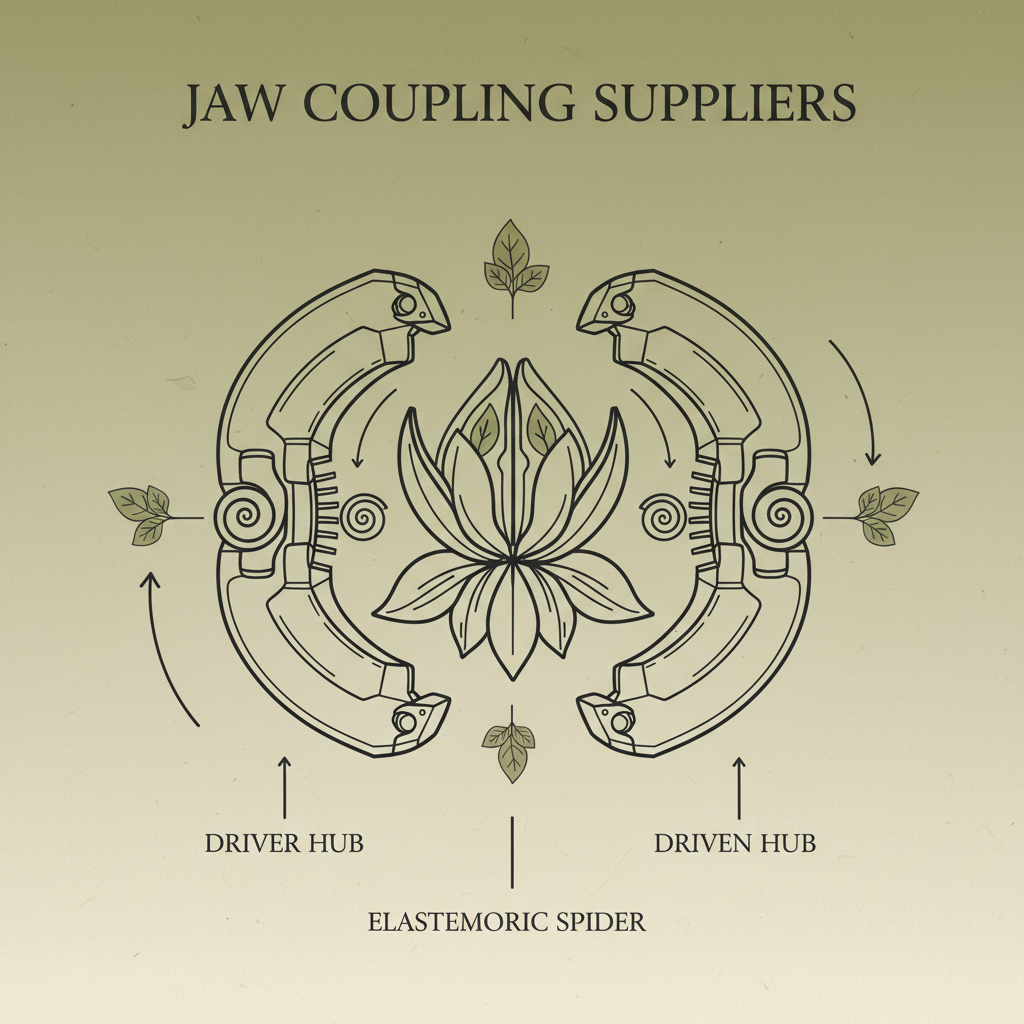
To be honest, the push for standardized components is a double-edged sword. It simplifies things for inventory, sure, but it limits options. Every application is different. I encountered this at a pump factory in Zhejiang last time – they were trying to use a standard coupling on a high-vibration application and it was failing constantly. They needed a coupling with a higher damping capacity, but management didn't want to spend the money on a custom solution. It’s a classic case of penny-wise, pound-foolish.
And another thing: people often underestimate the importance of proper lubrication. You wouldn't believe how many times I've seen couplings seized up because someone forgot the grease. It’s basic stuff, but it happens.
FAQs
That depends on the coupling size and rubber hardness, but generally, jaw couplings can accommodate some angular misalignment (around 2-3 degrees) and parallel misalignment (around 0.05-0.1 inches). It’s always best to check the manufacturer’s specifications. Pushing it too far will drastically reduce its lifespan, trust me. I’ve seen it happen too many times.
You need to consider the torque requirements, the speed, and the operating environment. Calculate the peak torque and choose a coupling with a torque rating that’s at least 1.5 times higher. Also, consider the temperature and any potential exposure to chemicals. A bigger coupling isn't always better; you want a good fit, not overkill.
Use a grease that's compatible with the rubber element. Lithium-based grease works well for most applications. Apply a small amount of grease to the jaws every 6-12 months, or more frequently in harsh environments. Don’t overdo it, though; too much grease can attract dirt and debris. A little goes a long way.
Generally, yes, but it depends on the specific design. Some jaw couplings are specifically designed for bi-directional operation, while others are not. Check the manufacturer’s documentation. Reversing the rotation can sometimes cause the jaws to wear unevenly, so it's something to be aware of.
That’s a loaded question! It depends on so many factors – the application, the operating conditions, the quality of the coupling, and how well it’s maintained. A well-maintained coupling in a light-duty application could last for years, while one in a harsh environment might only last a few months. A good rule of thumb is to inspect it regularly and replace it if you see any signs of wear or damage.
Yep, there are. Polyurethane jaw couplings offer higher torque capacity and abrasion resistance. HRC (high-rebound coupling) couplings offer even higher performance, but they're more expensive. The best choice depends on your specific application requirements and budget. Rubber is often the sweet spot for most everyday uses, though.
Conclusion
So, there you have it. Jaw couplings: simple, reliable, and often overlooked. They're not glamorous, but they're essential to countless industrial applications. They might not be the most cutting-edge technology, but they get the job done, and they've been doing it for decades. It's a workhorse, plain and simple.
Ultimately, whether this thing works or not, the worker will know the moment he tightens the screw. Visit our website at jaw coupling Suppliers to find the right coupling for your needs. Don't hesitate to reach out if you have any questions; we’ve seen it all.
Related Posts
-
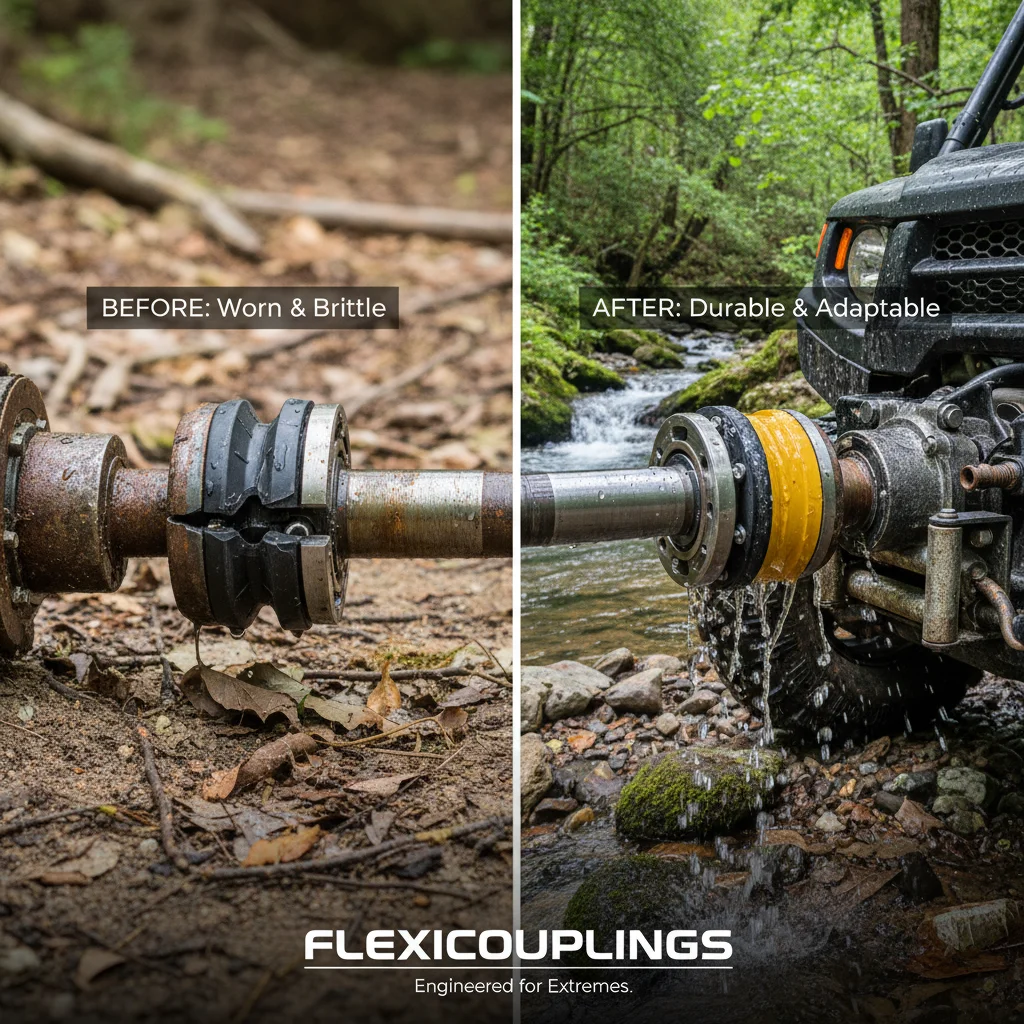
Leading Flexible Coupling Manufacturer for Industrial Power Transmission Solutions
-

Reliable Spider Coupling Suppliers for Industrial Power Transmission Solutions
-
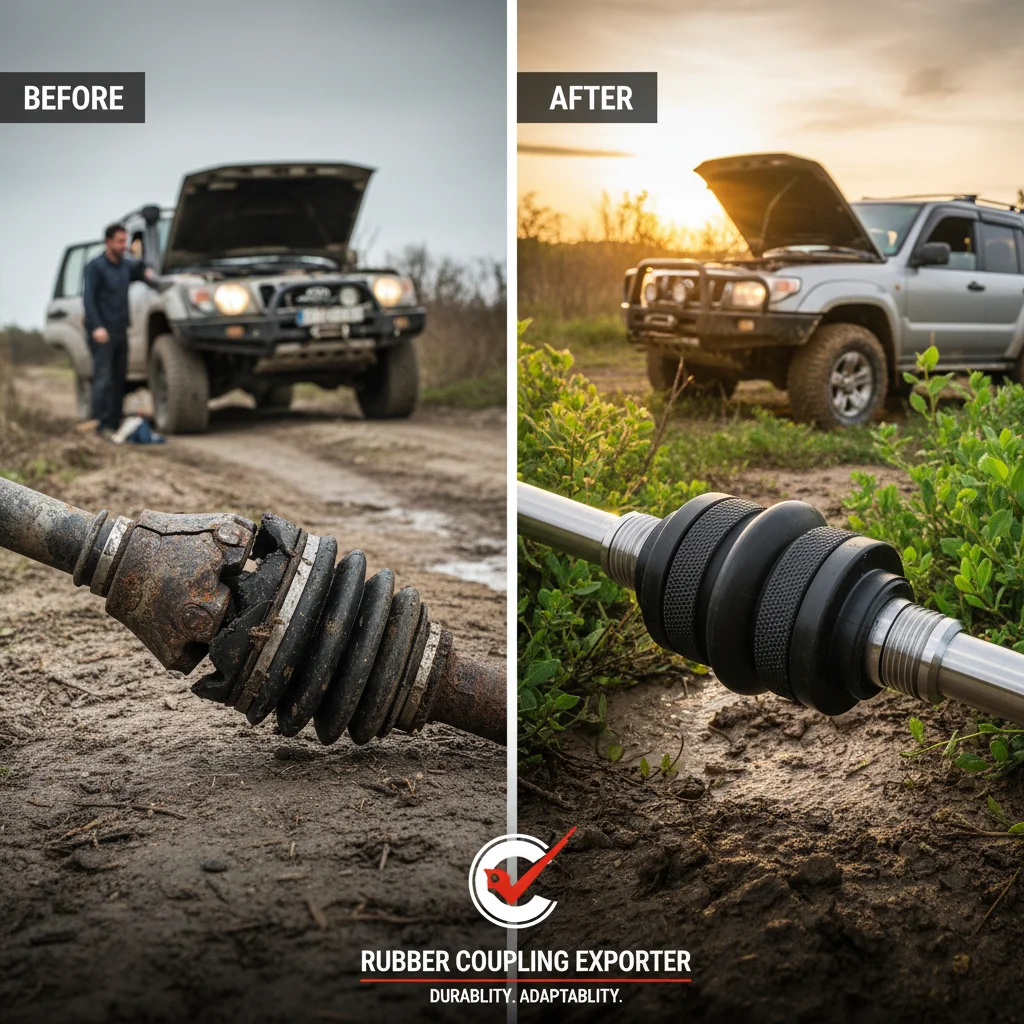
Reliable Rubber Coupling Exporter for Industrial Power Transmission Solutions
-

Leading Shaft Coupling Manufacturers for Industrial Power Transmission Solutions