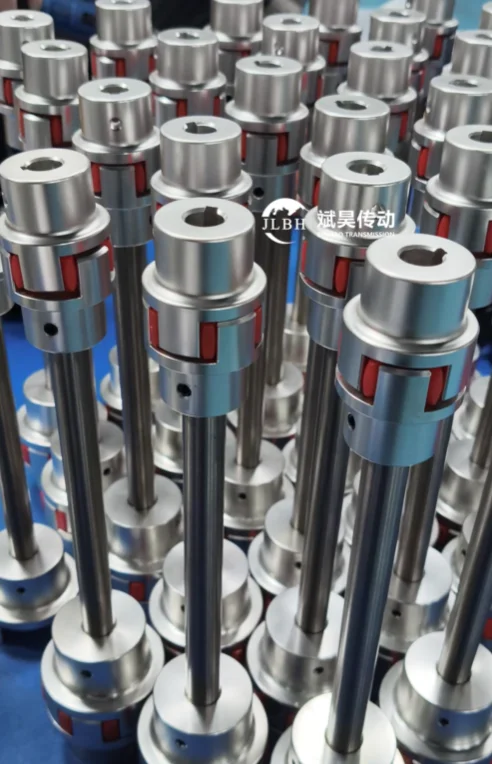
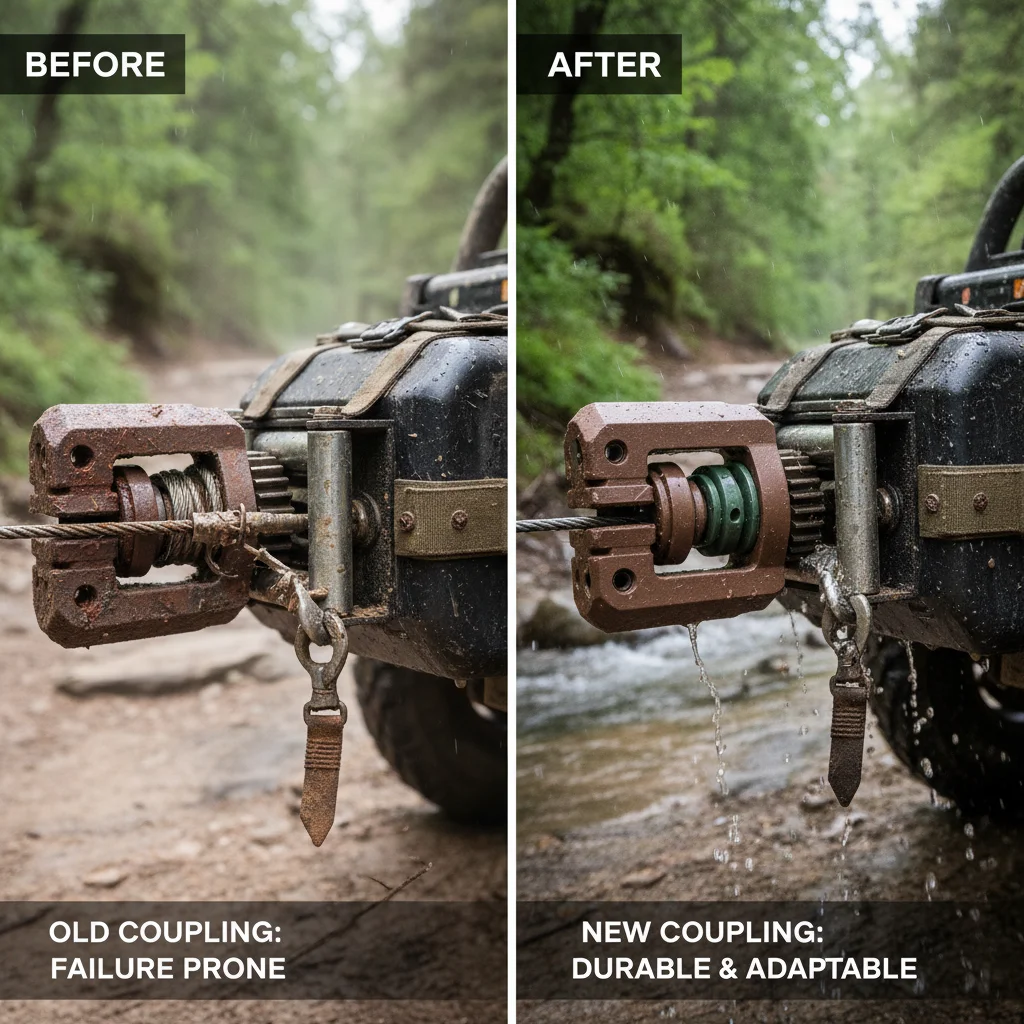
Look, I’ve spent the last fifteen years on job sites – everything from sprawling industrial complexes to tricky municipal projects. You learn a thing or two about what really matters when things have to hold up under pressure. And if there's one thing that keeps projects moving, it's reliable power transmission. That's where a good rubber coupling exporter comes in. It's not glamorous, but it's the backbone of countless systems. We're talking about everything from pumps and compressors to conveyor belts and mixers – anything with rotating equipment. Without these couplings, you’re staring down downtime, repairs, and missed deadlines, and those cost real money.
We’ve moved beyond just bolting things together and hoping for the best. Modern industry demands precision, efficiency, and safety. Rubber couplings are a key component in achieving that. They aren’t just about connecting a motor to a driven piece of equipment; they’re about isolating vibration, absorbing shock, and protecting your investment. I've seen setups saved by a well-chosen coupling where a rigid connection would have shattered within weeks. It’s about understanding the forces at play and choosing the right tool for the job.
The global demand for robust power transmission solutions is only growing, driven by infrastructure development in emerging economies and the need for more efficient industrial processes everywhere. The UN Industrial Development Organization (UNIDO) emphasizes the crucial role of reliable infrastructure in sustainable development, and that includes components like these couplings. The challenge is finding suppliers who understand the real-world demands of construction and industrial environments – that’s where a reputable rubber coupling exporter really proves their worth.
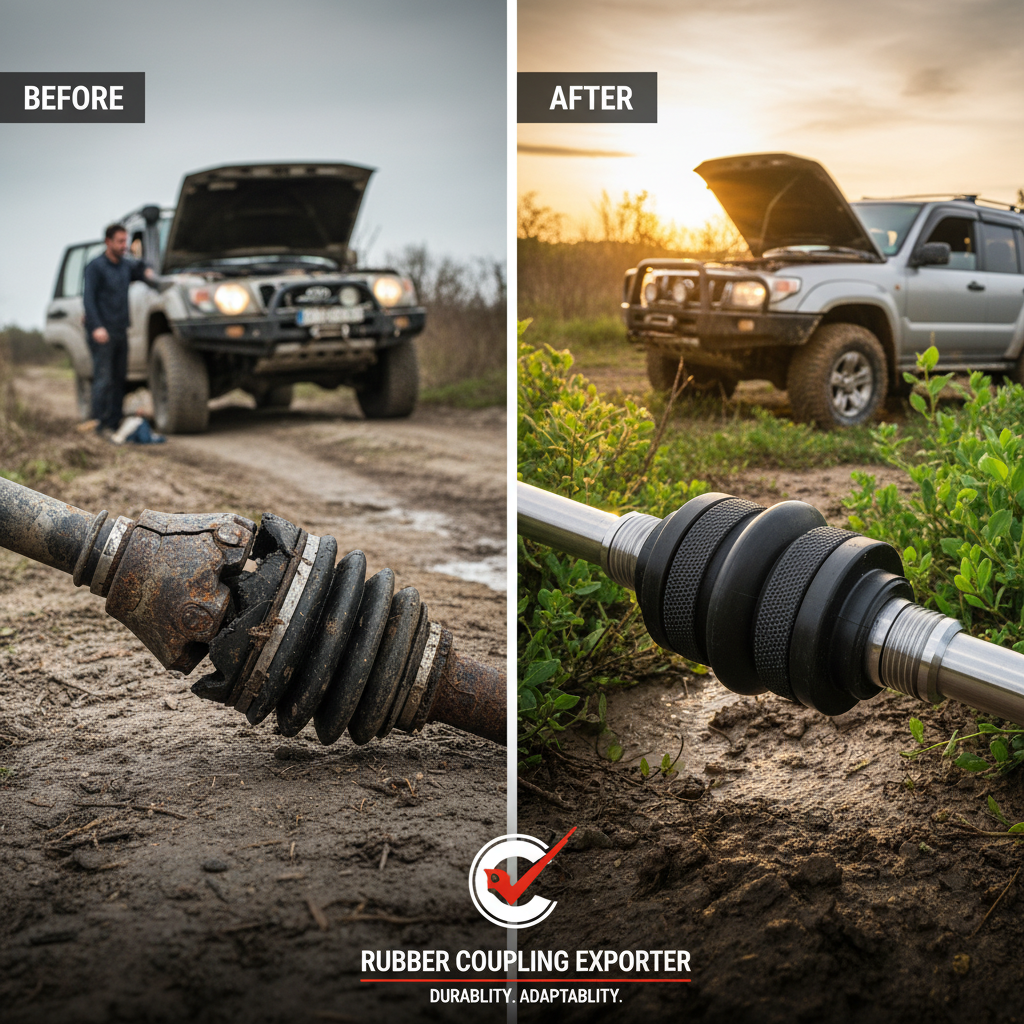
The Importance of Rubber Couplings in Industrial Applications
I've seen too many projects held up because someone skimped on the coupling. They think, “It’s just a little piece,” but it's a critical point of failure. A quality rubber coupling isn't just about connecting shafts; it's about protecting your equipment from damage caused by misalignment, vibration, and shock loads. That means less downtime, lower maintenance costs, and a longer lifespan for your machinery.
Think about a pump in a wastewater treatment plant. That pump is constantly dealing with solids and fluctuating loads. A flexible coupling can absorb those shocks and prevent premature bearing failure. It’s preventative maintenance at its finest, and it often pays for itself many times over. You’re not just buying a component; you're buying peace of mind.
Understanding Rubber Coupling Exporters: A Global Overview
The market for rubber coupling exporters is incredibly competitive, with major players located primarily in China, Germany, and the United States. China, in particular, has become a dominant force, offering a wide range of couplings at competitive prices. According to recent reports, the global industrial couplings market is projected to reach $6.8 billion by 2028, with Asia-Pacific representing the largest and fastest-growing regional market. This growth is fueled by rapid industrialization and infrastructure development in countries like India, Vietnam, and Indonesia.
But price isn’t everything. You need to be careful about sourcing. There are a lot of suppliers out there cutting corners on materials and quality control. A reputable rubber coupling exporter will provide certifications, testing data, and a clear understanding of their manufacturing processes. They'll also have a strong track record of delivering consistent quality and on-time shipments.
The key takeaway is that the global supply chain is complex, and choosing the right exporter requires due diligence. It’s about finding a partner who understands your specific needs and can deliver a reliable product that meets your performance requirements. I’ve learned the hard way that a cheap coupling can end up costing you a fortune in the long run.
Defining Rubber Coupling Exporters and Their Role
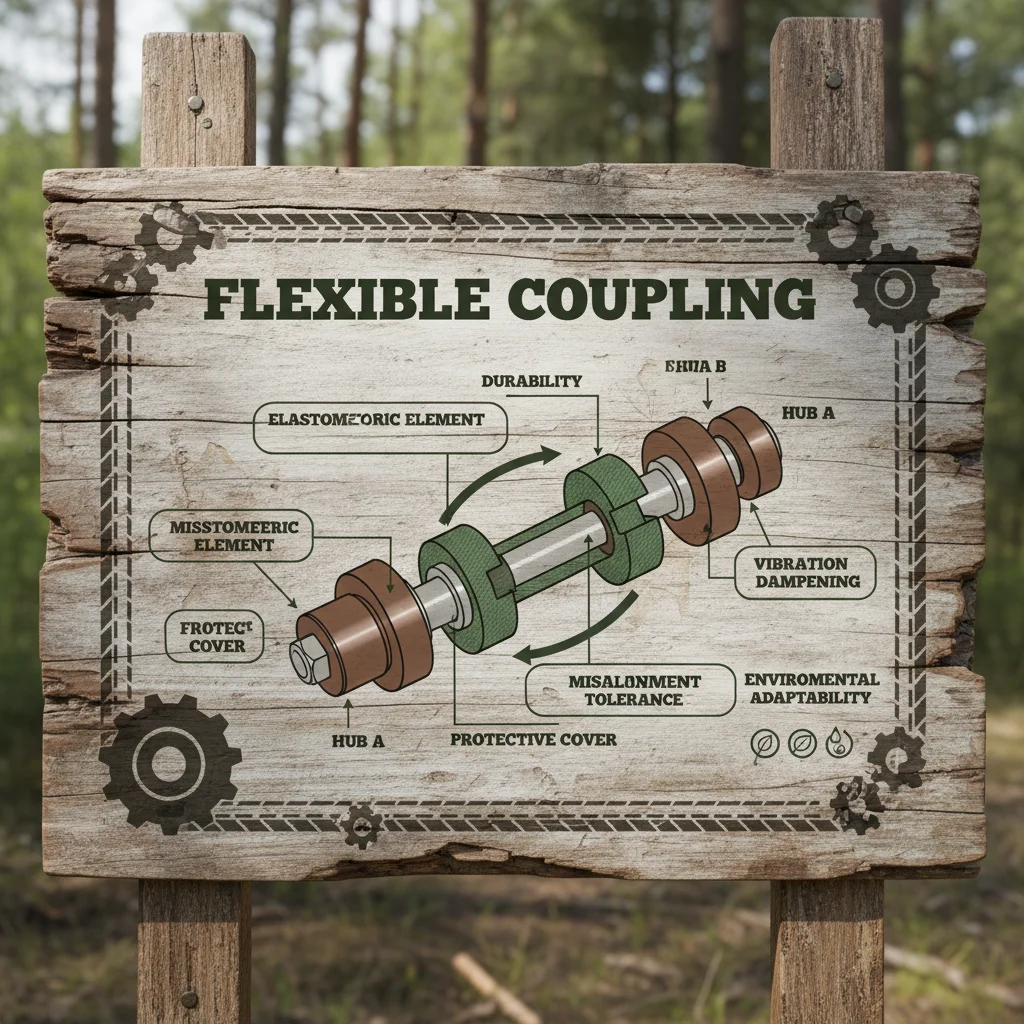
A rubber coupling exporter is a company that manufactures and sells rubber couplings to customers in other countries. These couplings are designed to transmit torque while simultaneously absorbing shock, vibration, and misalignment between two rotating shafts. They are used in a wide variety of industrial applications, from pumps and compressors to gearboxes and conveyor systems.
Their role extends beyond simply supplying a product. A good exporter will offer technical support, engineering assistance, and customized solutions to meet the specific requirements of their clients. They should also be able to provide documentation, certifications, and testing data to ensure that their couplings meet international standards. I often lean on their engineering teams to run scenarios for my specific applications.
The connection to modern industry is undeniable. Efficient and reliable power transmission is critical for optimizing productivity, reducing downtime, and improving overall system performance. A rubber coupling exporter plays a vital role in enabling these advancements, contributing to more sustainable and cost-effective industrial operations.
Key Factors in Selecting a Rubber Coupling Exporter
I’ve narrowed it down over the years. First, durability is paramount. You need a coupling that can withstand the harsh conditions of your application – temperature extremes, corrosive environments, and heavy loads. Second, technical expertise is crucial. The exporter should have a strong understanding of coupling design, materials, and applications.
Third, certifications and quality control are non-negotiable. Look for ISO 9001 certification and evidence of rigorous testing procedures. Fourth, lead times and shipping capabilities are important for keeping your projects on schedule. You don't want to be waiting weeks for a critical component to arrive. And finally, price and value – it's not just about getting the cheapest option, but about getting the best value for your money.
Rubber Coupling Exporter Performance Metrics
Global Applications and Use Cases of Rubber Couplings
You'll find these couplings everywhere. In post-disaster relief operations, portable water pumps rely on them for quick setup and reliable operation. In remote industrial zones, they’re crucial for maintaining essential services like power generation and wastewater treatment. I’ve even seen them used in specialized agricultural equipment, ensuring smooth operation in demanding conditions.
The mining industry is a huge consumer. Large-scale excavators and crushers require heavy-duty couplings to handle massive torque and shock loads. The pulp and paper industry, with its constant exposure to moisture and corrosive chemicals, demands couplings designed for durability and resistance to degradation. The applications really are endless.
Advantages and Long-Term Value of Using a Quality Exporter
Beyond the immediate cost savings, investing in a quality rubber coupling offers significant long-term value. Reduced downtime translates to increased productivity and profitability. Lower maintenance costs free up resources for other critical tasks. And the improved reliability of your equipment enhances safety and minimizes the risk of costly repairs.
It’s also about building trust. Knowing you’ve chosen a supplier who stands behind their products gives you confidence in your operations. That peace of mind is invaluable. It’s not just about the coupling itself; it’s about the partnership and the support you receive.
Future Trends and Innovations in Rubber Coupling Technology
We’re seeing a push for more sustainable materials and manufacturing processes. The demand for eco-friendly couplings is growing, and exporters are responding by developing new compounds and reducing their carbon footprint. Digital transformation is also playing a role, with the integration of sensors and data analytics to monitor coupling performance and predict potential failures.
Automation and remote monitoring are becoming increasingly common, allowing operators to track coupling health and proactively address issues before they escalate. The move towards Industry 4.0 is driving the development of smart couplings that can communicate data and optimize performance in real-time.
I’m also keeping an eye on new materials, like advanced elastomers that offer improved resistance to wear, heat, and chemicals. These innovations promise to further enhance the reliability and longevity of rubber couplings in demanding industrial applications.
Summary of Challenges and Solutions in Rubber Coupling Technology
| Challenge |
Impact on Application |
Potential Solution |
Exporter Role |
| Material Degradation |
Reduced coupling lifespan, increased maintenance |
Advanced elastomer compounds, protective coatings |
Material selection guidance, testing services |
| Misalignment Issues |
Increased vibration, bearing failure |
Flexible coupling designs, alignment tools |
Design assistance, on-site support |
| High Torque Applications |
Coupling failure, safety hazards |
Heavy-duty coupling designs, torque limiting devices |
Torque capacity calculations, custom solutions |
| Environmental Concerns |
Coupling deterioration, regulatory compliance |
Eco-friendly materials, corrosion resistant coatings |
Sustainable material options, compliance documentation |
| Supply Chain Disruptions |
Delayed projects, increased costs |
Diversified sourcing, inventory management |
Transparent lead times, proactive communication |
| Lack of Standardization |
Interoperability issues, compatibility problems |
Adherence to industry standards, clear specifications |
Standardized product offerings, technical documentation |
FAQS
Lead times can vary significantly depending on the complexity of the coupling, the quantity ordered, and the exporter's current workload. Generally, expect a lead time of 4-8 weeks for standard couplings and 8-12 weeks for custom designs. It's crucial to discuss your specific requirements and project timeline with the exporter upfront to get an accurate estimate. Don't be afraid to ask about expedited options if your project is time-sensitive.
The key is clear communication with the rubber coupling exporter. Provide detailed information about your application, including the torque requirements, operating speed, temperature range, and any exposure to corrosive materials. Request technical drawings, material specifications, and performance data to verify that the coupling meets your needs. Also, ask about any certifications or testing that has been performed.
ISO 9001 certification is a must-have, demonstrating that the exporter has a robust quality management system in place. Look for certifications related to material compliance, such as RoHS and REACH. Depending on your industry, you may also need couplings that meet specific standards like ASTM or DIN. Always verify the validity of any certifications provided.
Shipping options typically include sea freight, air freight, and express courier services. Costs will depend on the weight and volume of the shipment, the destination country, and the chosen shipping method. It's essential to get a detailed shipping quote from the exporter, including all applicable fees and taxes. Factor in potential delays and customs clearance procedures when planning your project.
Establish a clear communication channel with the rubber coupling exporter before placing your order. Document any quality issues with photos and detailed descriptions. Follow the exporter's return and warranty procedures. A reputable exporter will be responsive to your concerns and willing to provide a replacement or refund if necessary.
Check for customer testimonials and case studies. Inquire about the exporter’s experience in your specific industry. Ask about their quality control procedures and their track record of resolving customer issues. A long-standing reputation for reliability is a strong indicator of a trustworthy supplier. Don’t hesitate to request references from other clients.
Conclusion
In the end, choosing the right rubber coupling exporter is about more than just finding a supplier; it’s about building a partnership. It requires careful consideration of factors like durability, technical expertise, certifications, and long-term value. Investing in quality couplings and a reliable exporter translates to reduced downtime, lower maintenance costs, and improved overall system performance.
Looking ahead, the demand for innovative and sustainable coupling solutions will continue to grow. By staying informed about emerging trends and working with a forward-thinking exporter, you can ensure that your operations are equipped to meet the challenges of the future. Visit our website at www.binhaocoupling.com to learn more about how we can help you optimize your power transmission systems.