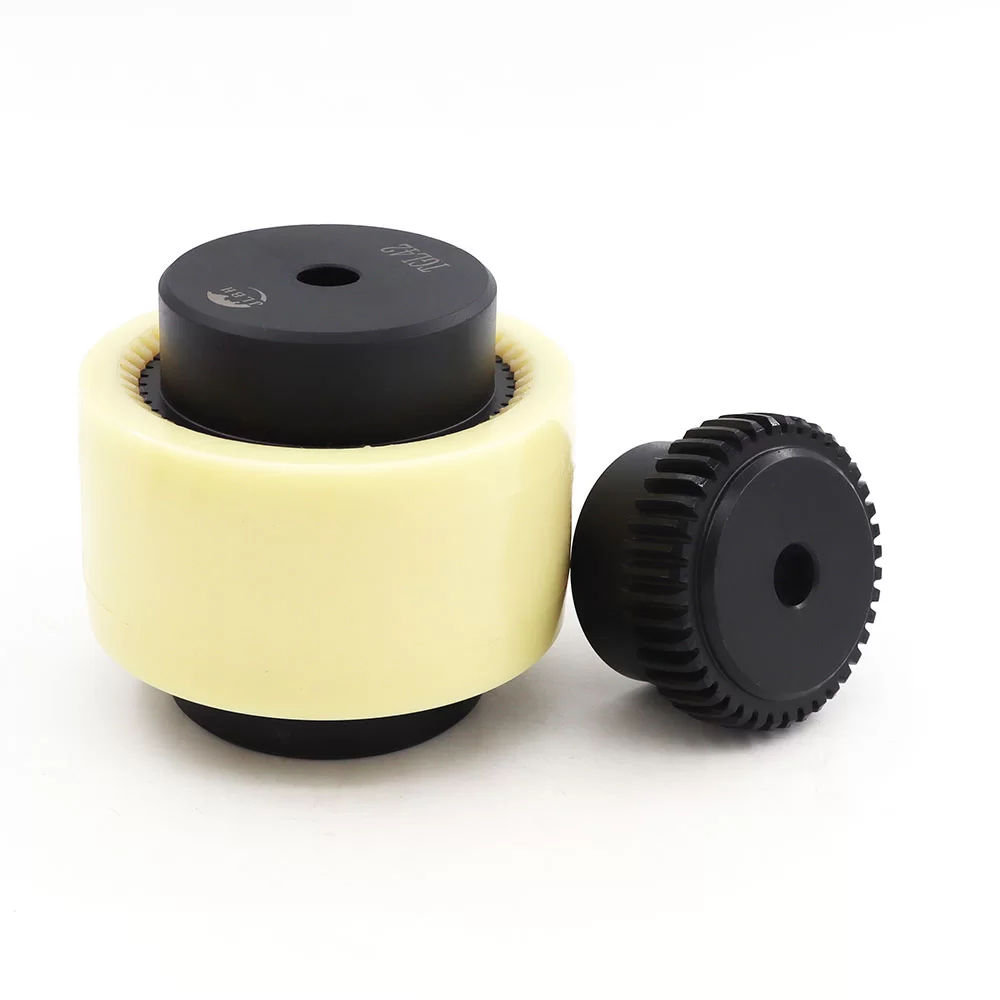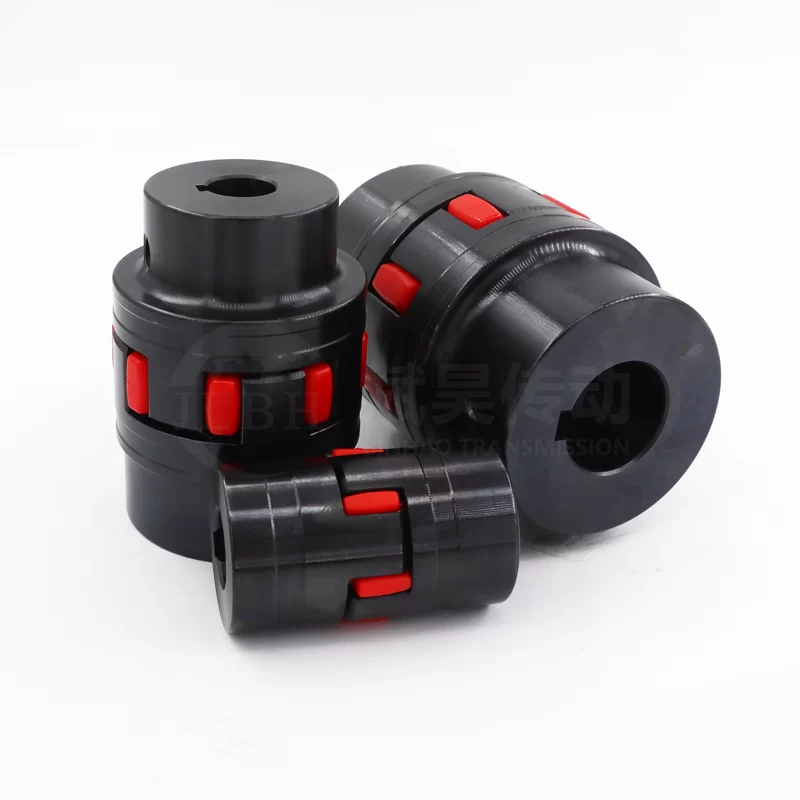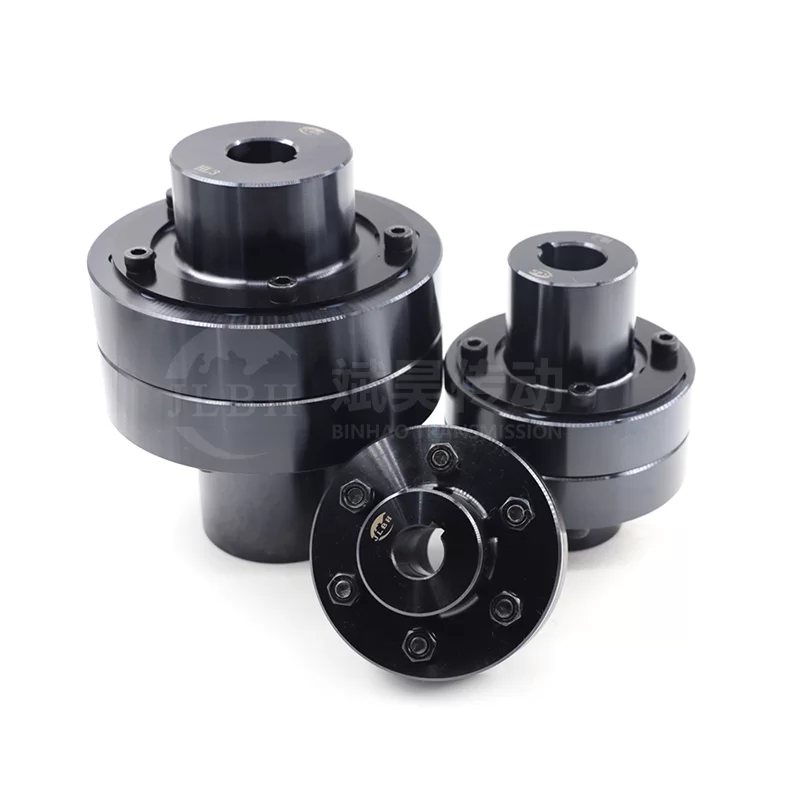
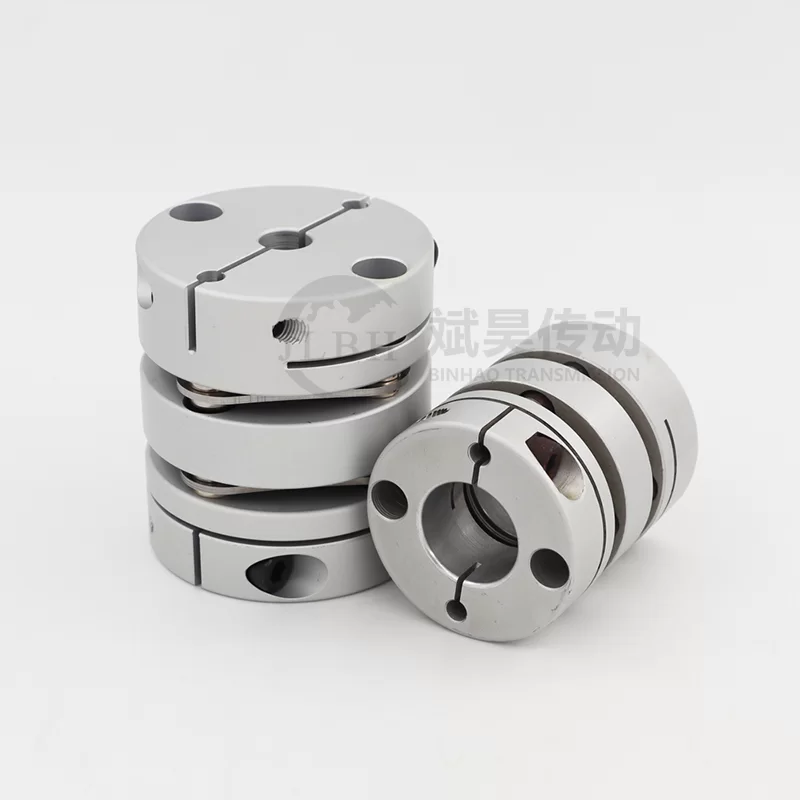
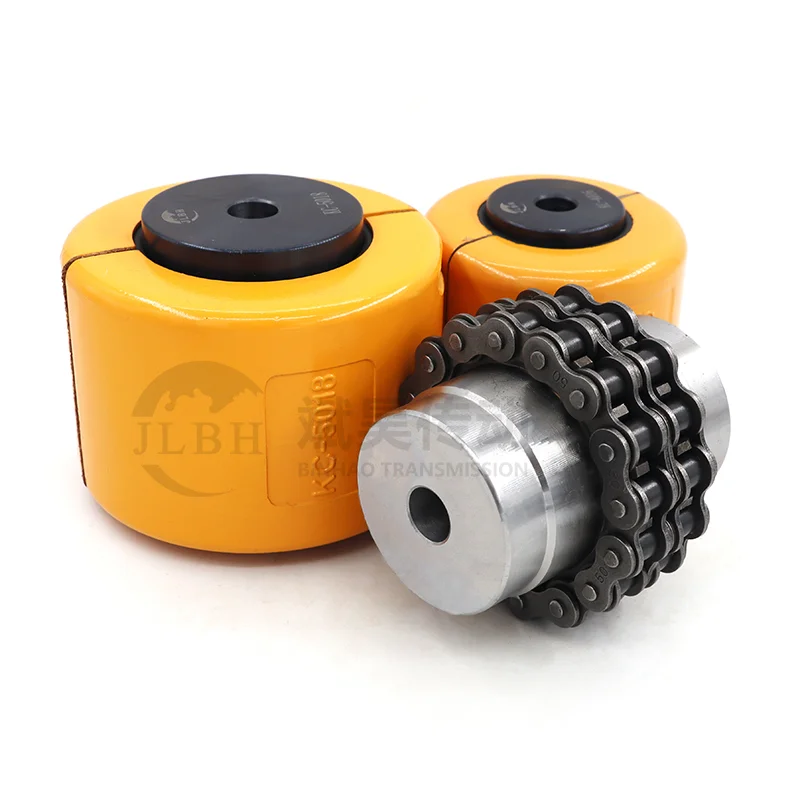
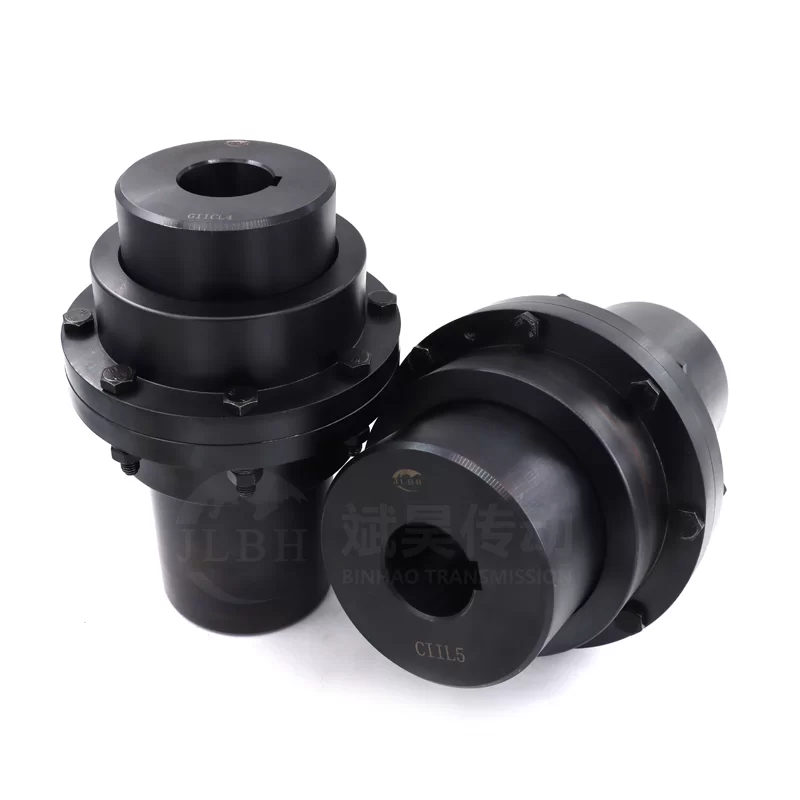
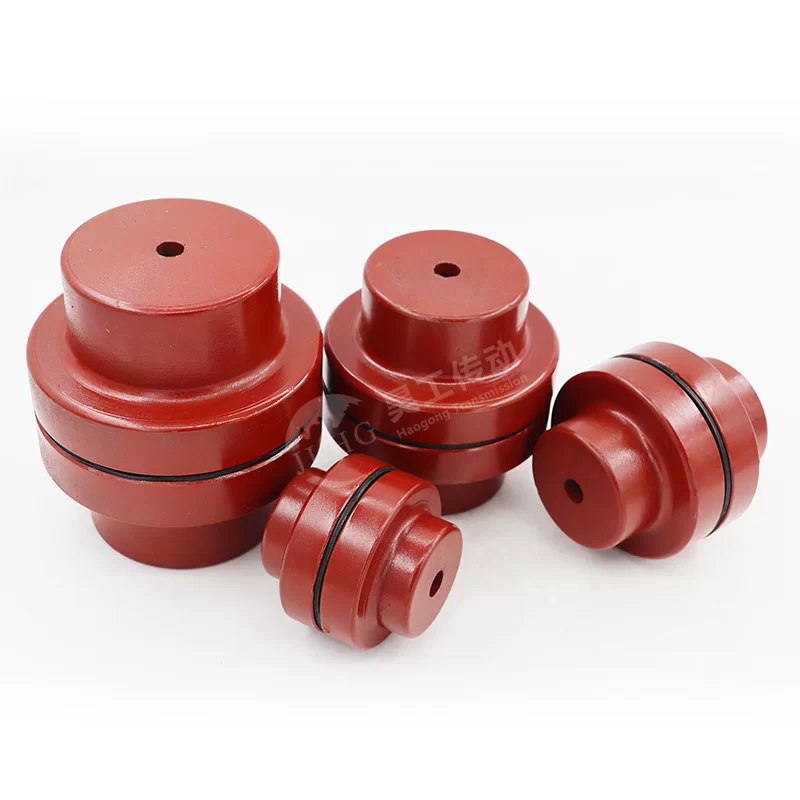
Bangladesh's manufacturing sector is experiencing rapid growth, fueled by its advantageous position in the textile, pharmaceutical, and food processing industries. This expansion necessitates a consistent supply of high-quality industrial components, including elastic pin coupling and more sophisticated couplings. However, the local manufacturing base for couplings is still developing, often relying on imports to meet demand.
The country's subtropical climate, characterized by high humidity and monsoon seasons, poses unique challenges for coupling performance. Corrosion resistance and the ability to withstand fluctuating temperatures are critical factors. Furthermore, the increasing focus on energy efficiency and operational reliability within Bangladeshi factories is driving demand for advanced coupling technologies.
The availability of skilled labor and access to capital remain key limitations for local coupling manufacturers. Many businesses operate on a smaller scale, lacking the resources for extensive research and development or large-scale production. Despite these challenges, the growing domestic market and potential for export present significant opportunities for growth.