GIICL Drum Gear High-Torque Coupling

GIICL Drum Gear High-Torque Coupling

GIICL Drum Gear High-Torque Coupling

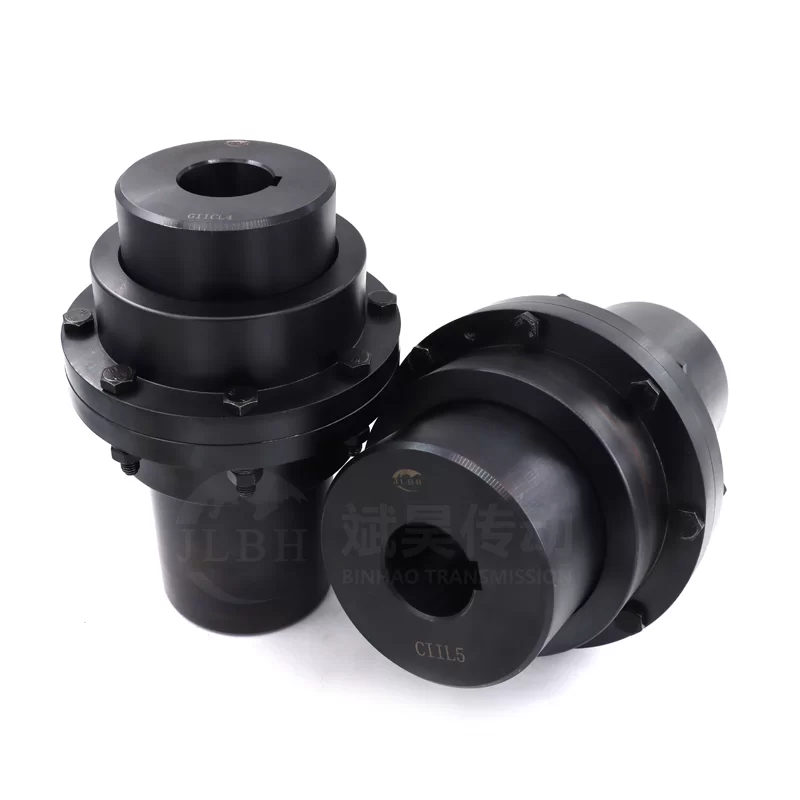
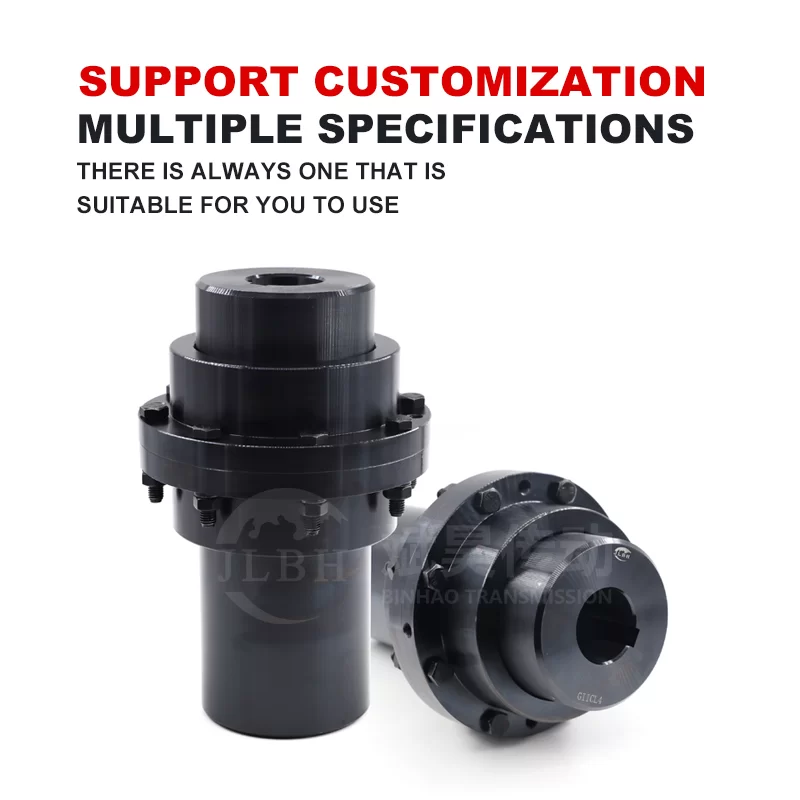
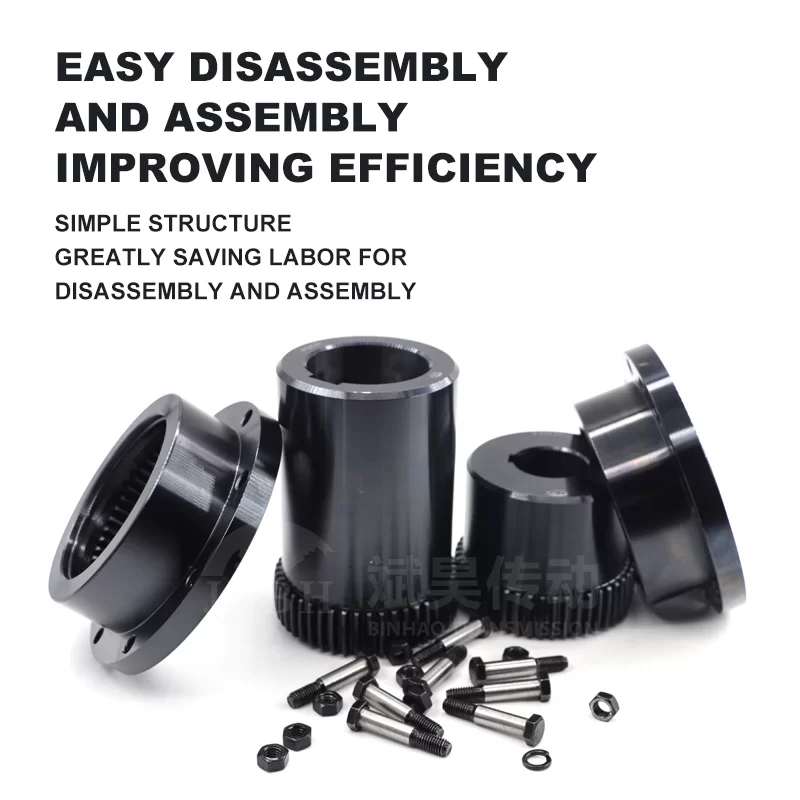
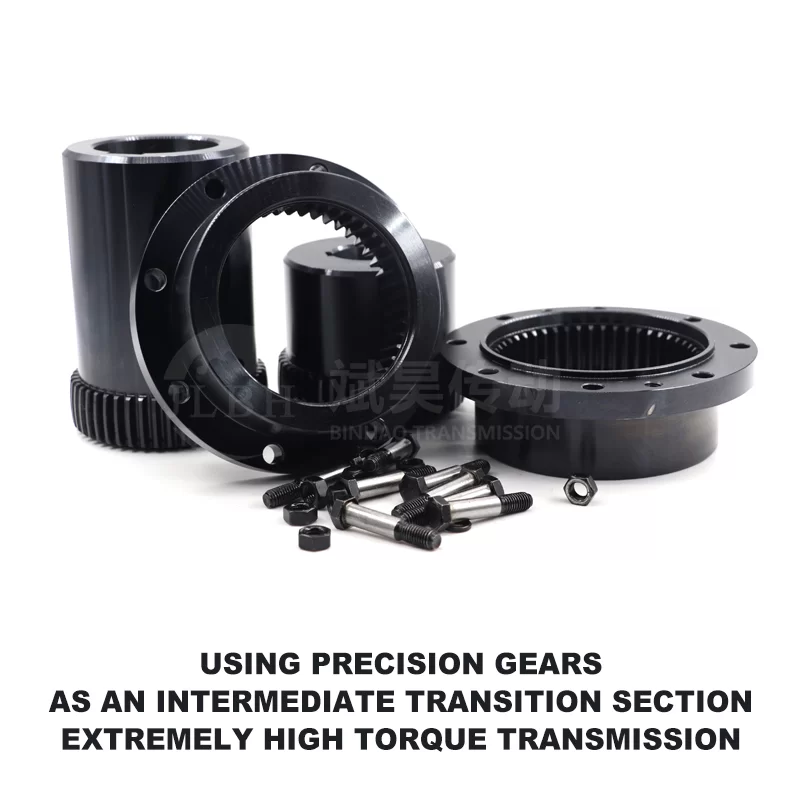
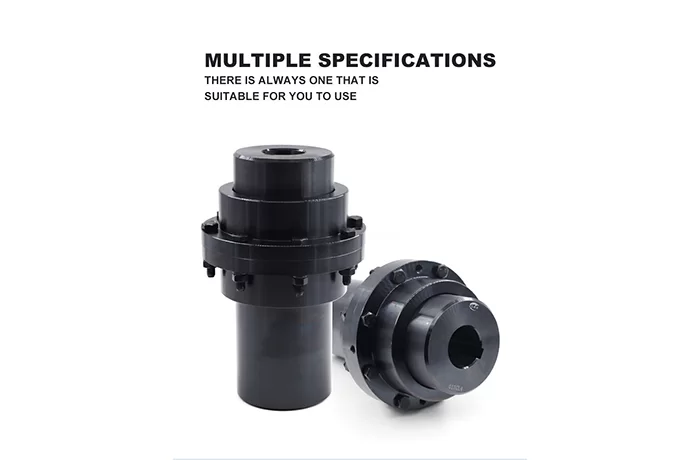
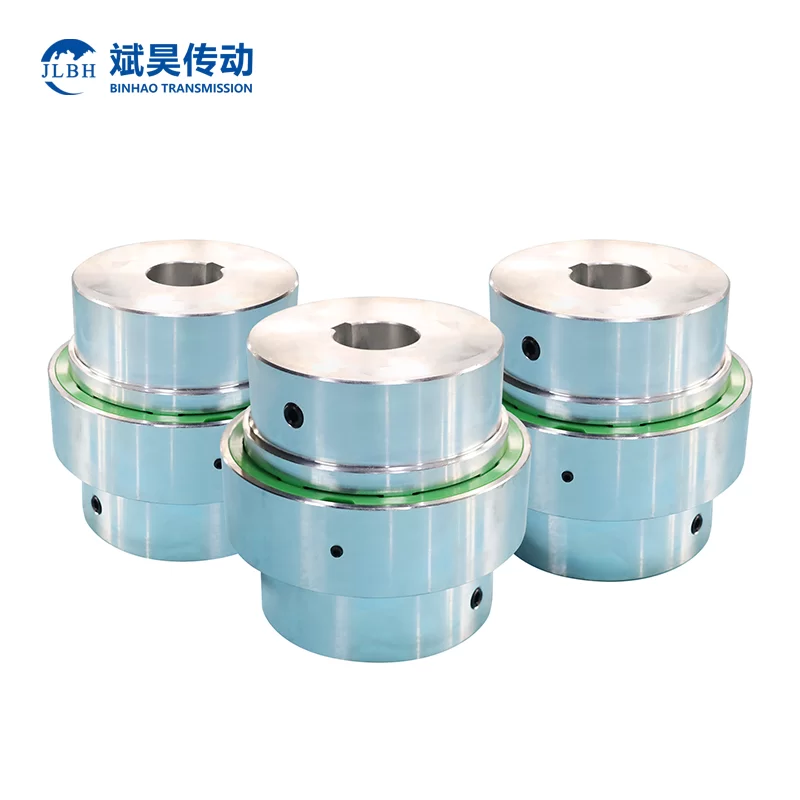
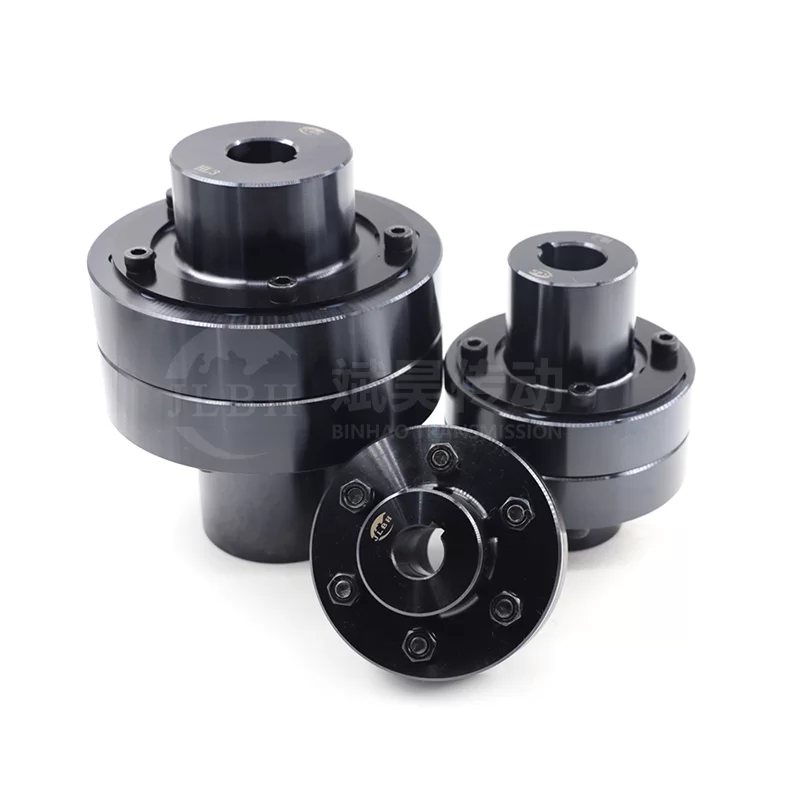
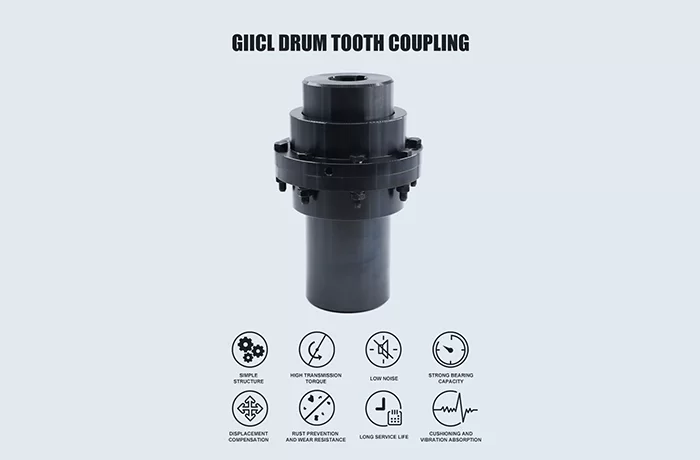
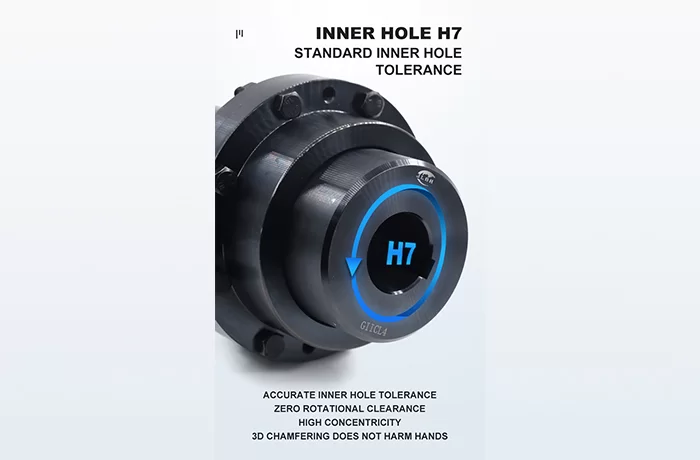
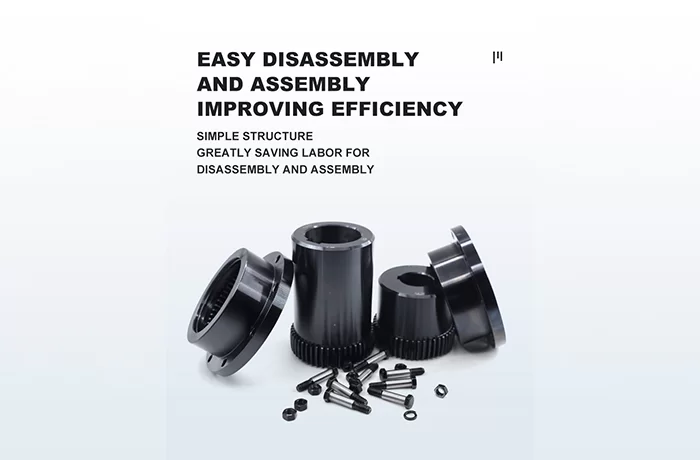
GllCl type (narrow type) drum gear coupling ‌ is a highly reliable and compact-designed gear coupling device. Its core structure consists of ‌ two half couplings with external gear rings ‌ and ‌ two drum-shaped outer hubs with internal gear profiles ‌, which transmit torque through the precise meshing of the internal and external teeth.


Video


Description


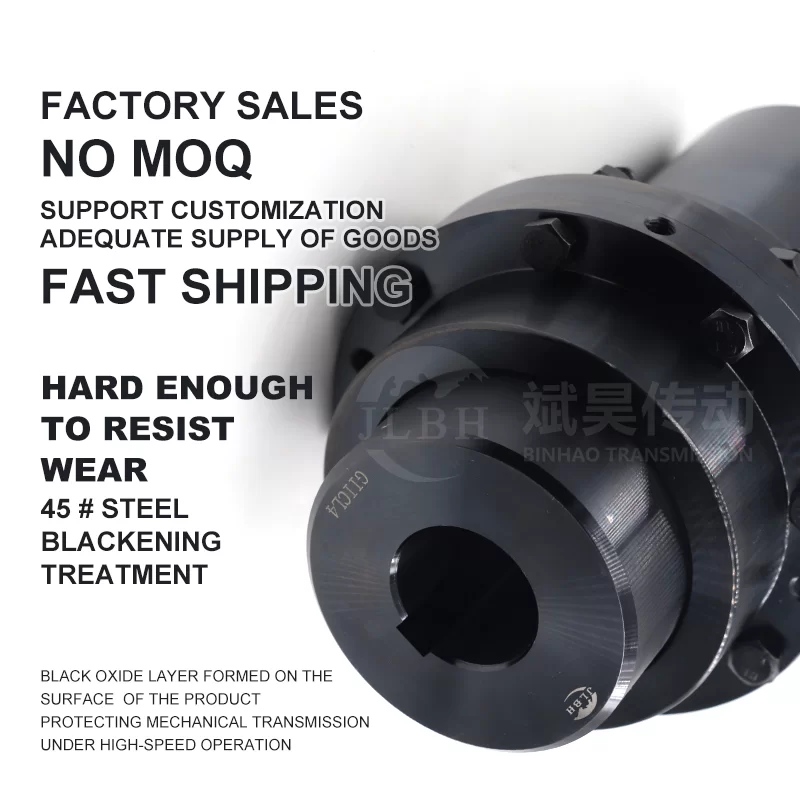
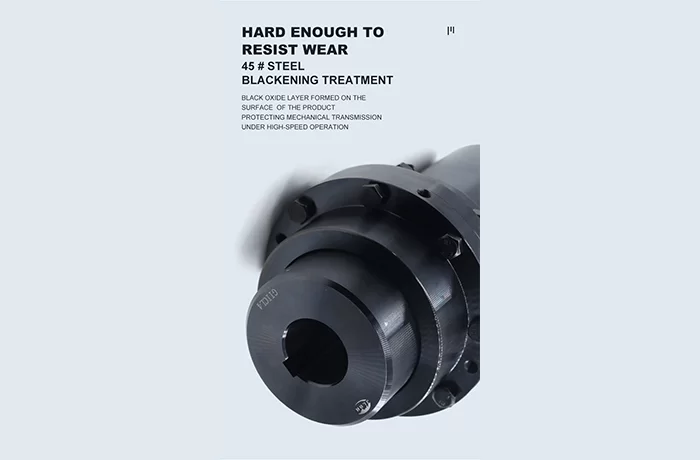
Different from the standard drum gear coupling, it adopts a ‌ narrow tooth width design ‌ (the axial dimension is significantly reduced), which greatly optimizes the space occupation while ensuring the load-bearing capacity, and is especially suitable for working conditions where the axial installation space is limited. This coupling achieves excellent ‌ angular (≤1.5°) and radial (≤0.3mm) displacement compensation capacity ‌ through the spherical profile of the ‌ drum-shaped external teeth ‌, effectively absorbing the shaft system deviation and vibration during equipment operation. The tooth surface has undergone hardening and grinding treatment, combined with a forced lubrication system (requiring regular oil injection), significantly enhancing wear resistance and transmission efficiency. It can withstand ‌ high torque, high speed (≤5000rpm), and impact load ‌. It is typically applied in compact heavy industrial transmission systems such as metallurgical rolling mills, mining crushers, and heavy conveying equipment, ensuring stable power transmission while solving the problem of space constraints.


Product Features


1.Compact structure

The axial dimension is significantly reduced,making it suitable for ‌space-constrained working conditions(such as narrow layout in equipment compartments),maximizing the savings of installation space while ensuring load-bearing capacity.

The ‌external gear adopts a ‌spherical profile design‌,which forms an adaptive meshing with the internal gear ring,effectively eliminating stress concentration.
2.Performance advantages and features
angular compensation: ≤1.5°(adapted to shaft system deflection Angle),radial compensation:≤0.3mm (absorbs vibration offset)
The high-frequency quenching and forced lubrication system for teeth supports high torque transmission ‌ (up to tens of thousands of Nm) and instantaneous impact loads.


3.High-speed adaptability
Precise dynamic balancing treatment ensures stable operation under conditions of ‌≤5000rpm‌, avoiding high-speed vibration.


4.Characteristics of application scenarios
harsh industrial scenario adaptability‌,specifically designed for ‌heavy,high-impact equipment‌,such as: metallurgical rolling mills,mining crushers,large conveying systems,compressors,ship propulsion shafting


5.Maintenance and life characteristics
Regular oil lubrication ‌(ISO VG320 gear oil is recommended) is required to extend the service life; The sealing structure is optimized to reduce the wear on the tooth surface caused by the intrusion of impurities.


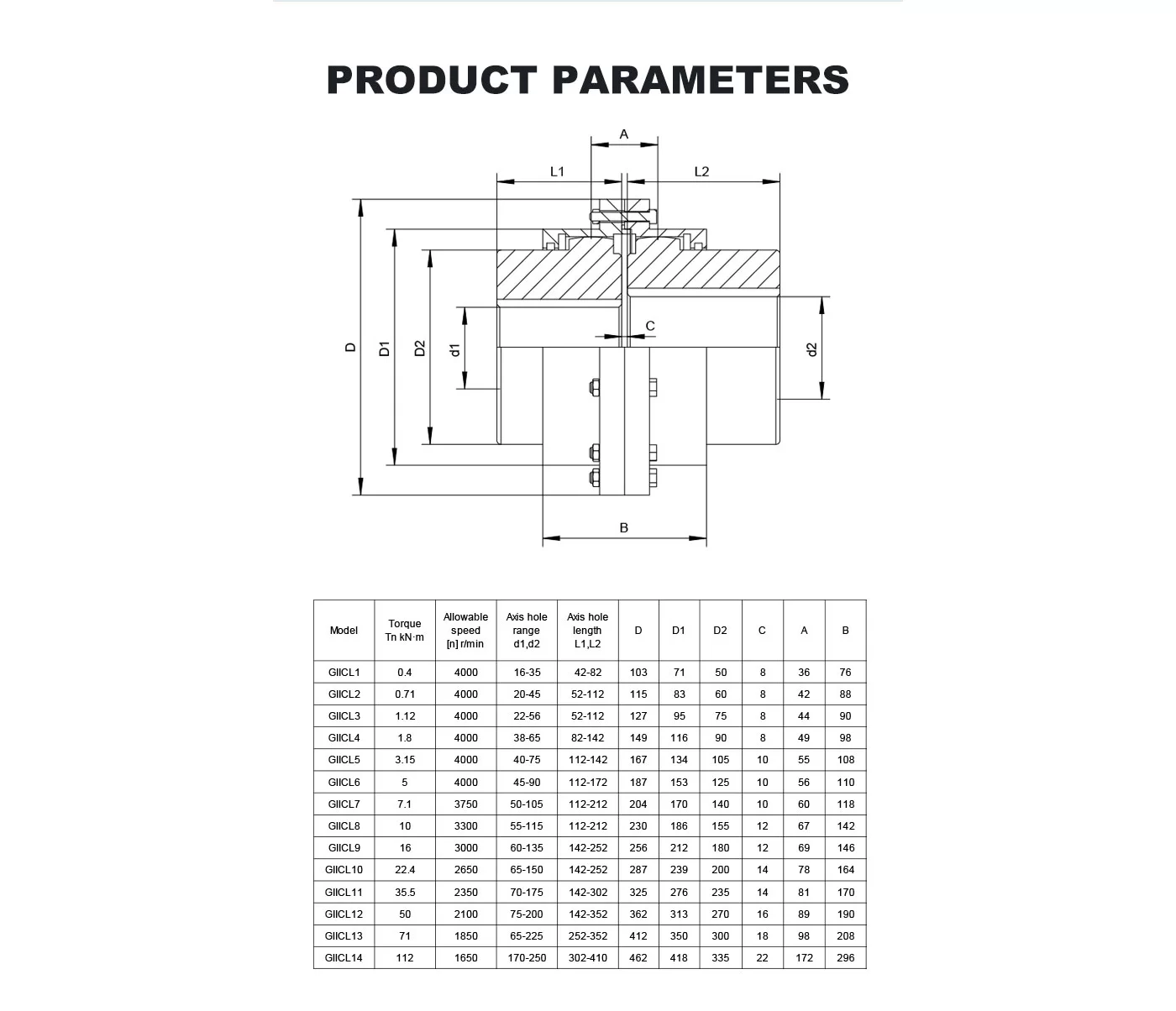
Product Parameters


Industrial Jaw Coupling Guide for Mechanical Power Transmission
Apr 22, 26
Industrial Jaw Coupling Guide for Mechanical Power Transmission
In the intricate world of mechanical power transmission, the jaw coupling serves as a fundamental component that ensures the seamless transfer of torque between two shafts while mitigating the destructive effects of misalignment. By utilizing a flexible spider element, these couplings provide a critical buffer that protects expensive motors and gearboxes from premature wear and catastrophic failure. Globally, the demand for reliable coupling solutions has surged as industrial automation and precision manufacturing become the standard across the automotive, textile, and packaging sectors. Understanding the nuances of jaw coupling technology is not merely a technical requirement but a strategic advantage for engineers
Industrial Guide to Different Elastomeric Coupling Types
Apr 17, 26
Industrial Guide to Different Elastomeric Coupling Types
In the demanding world of industrial power transmission, selecting the right coupling is critical to maintaining machinery health and operational uptime. Understanding the various elastomeric coupling types is essential for engineers and maintenance managers who seek to eliminate vibration, compensate for misalignment, and protect expensive motors from shock loads. Unlike rigid couplings, elastomeric versions utilize flexible polymer or rubber elements to absorb energy and dampen oscillations. This flexibility not only extends the lifespan of bearings and seals but also enhances the overall safety of the mechanical system by preventing catastrophic failure during sudden torque spikes.
Guide to Choosing the Right Industrial Shaft Coupling for Machinery
Apr 16, 26
Guide to Choosing the Right Industrial Shaft Coupling for Machinery
In the world of mechanical engineering, the efficiency of power transmission depends heavily on the connection between two shafts. A high-quality shaft coupling serves as the critical link that transmits torque while accommodating misalignment and dampening vibrations. Whether you are managing a large-scale manufacturing plant or designing a precision instrument, understanding the nuances of coupling selection can prevent premature equipment failure and reduce maintenance costs. In this comprehensive guide, we will explore the different types of couplings, their technical advantages, and how to select the perfect fit for your specific operational needs.

If you are interested in our products, you can choose to leave your information here, and we will be in touch with you shortly.