NM Cast Iron Elastic Coupling

NM Cast Iron Elastic Coupling

NM Cast Iron Elastic Coupling

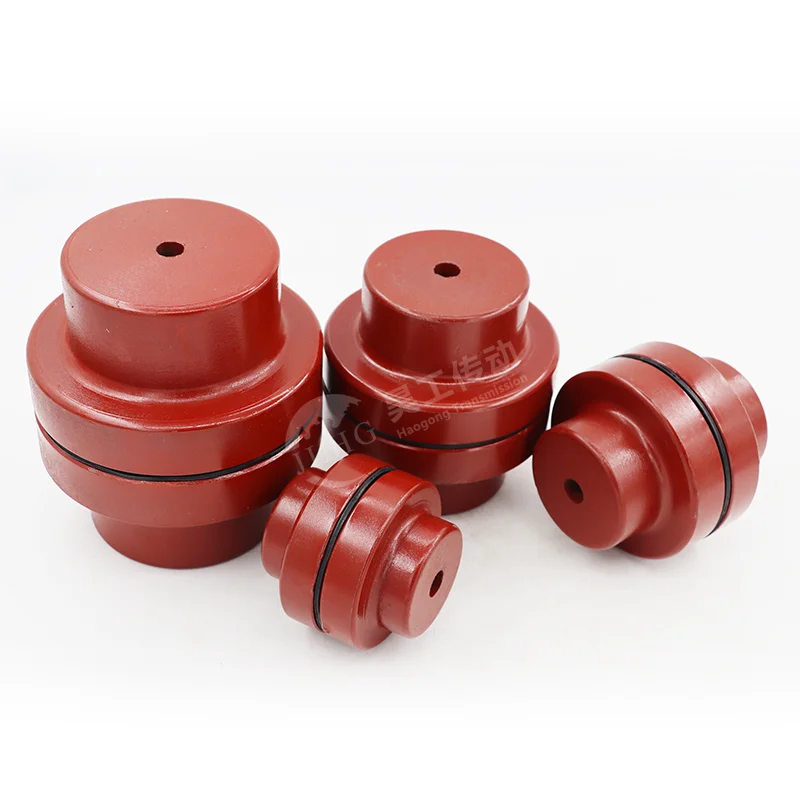
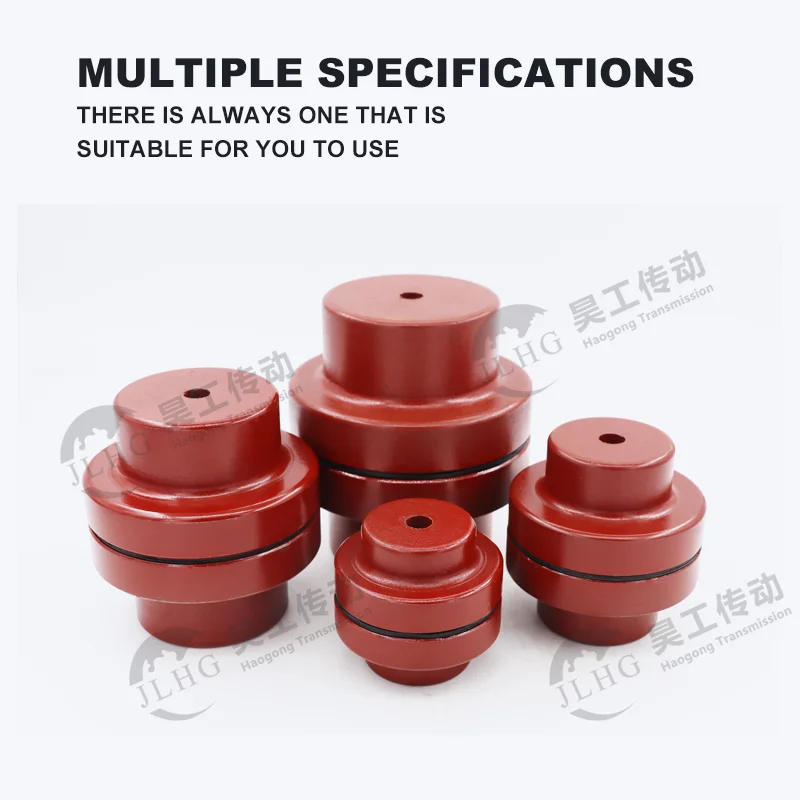
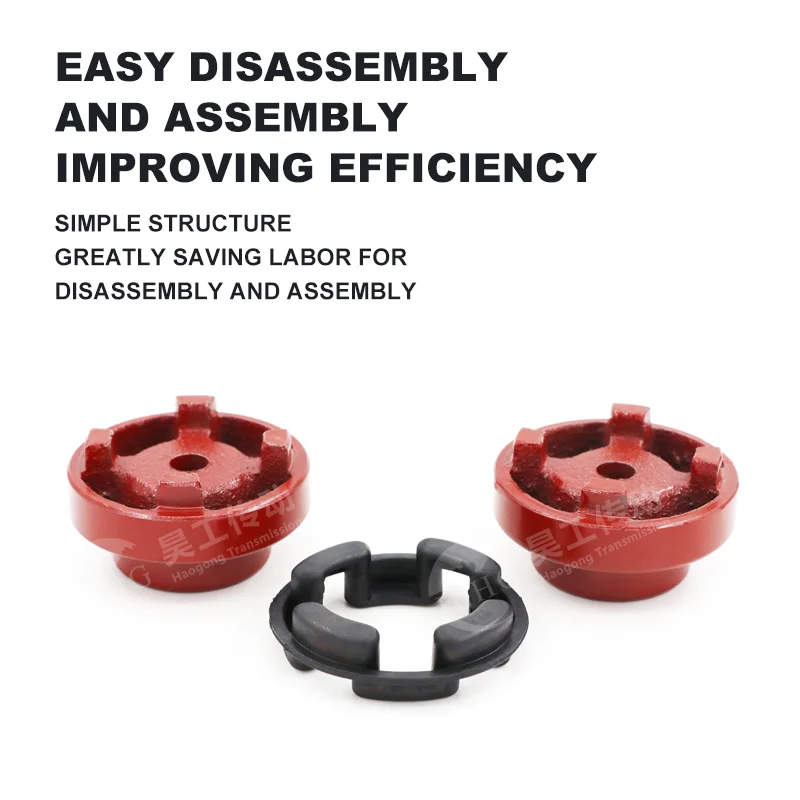
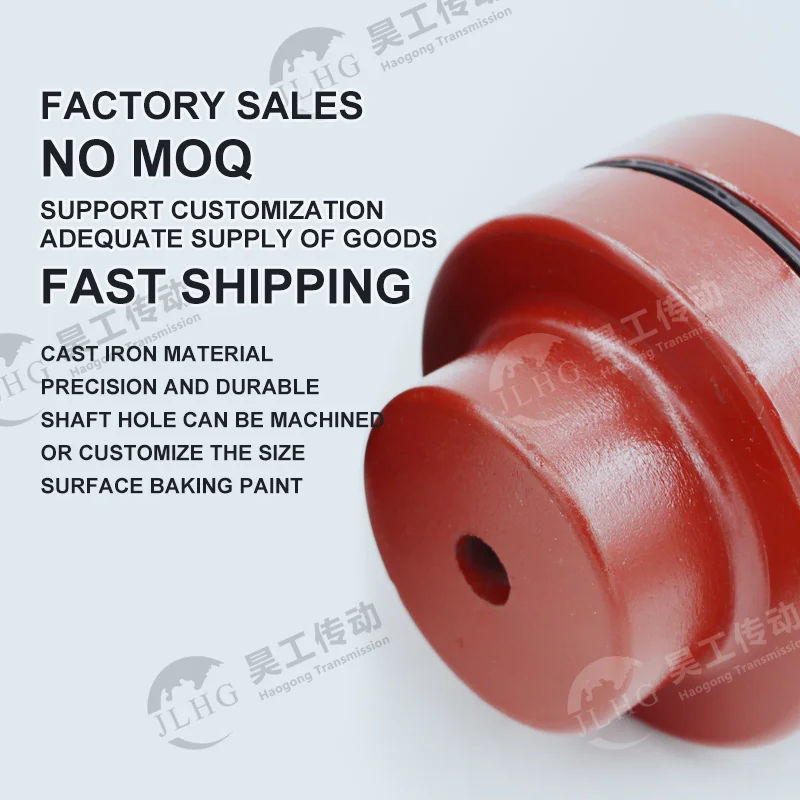
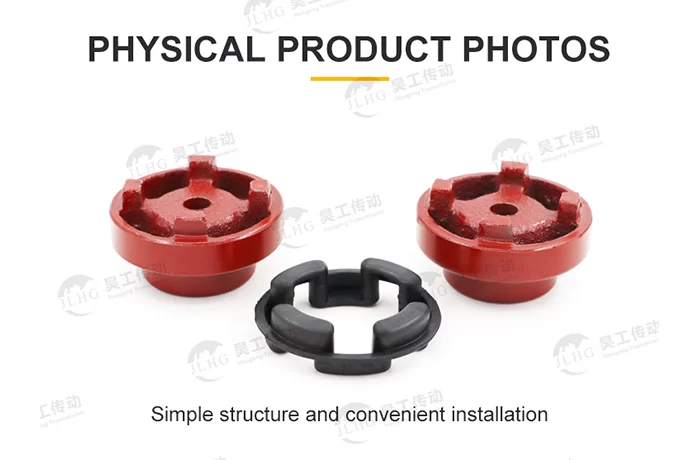
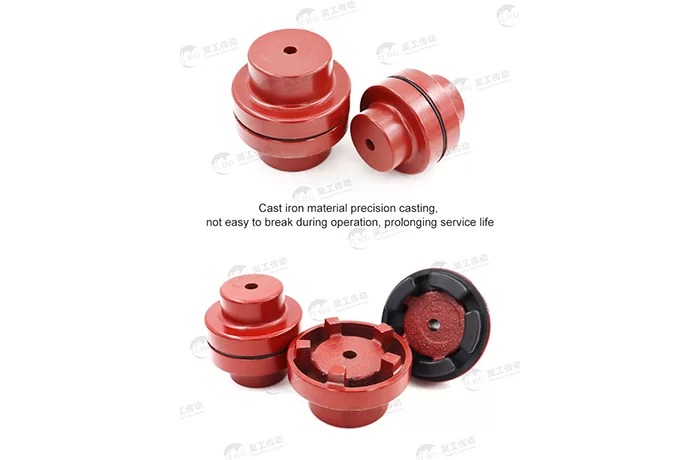
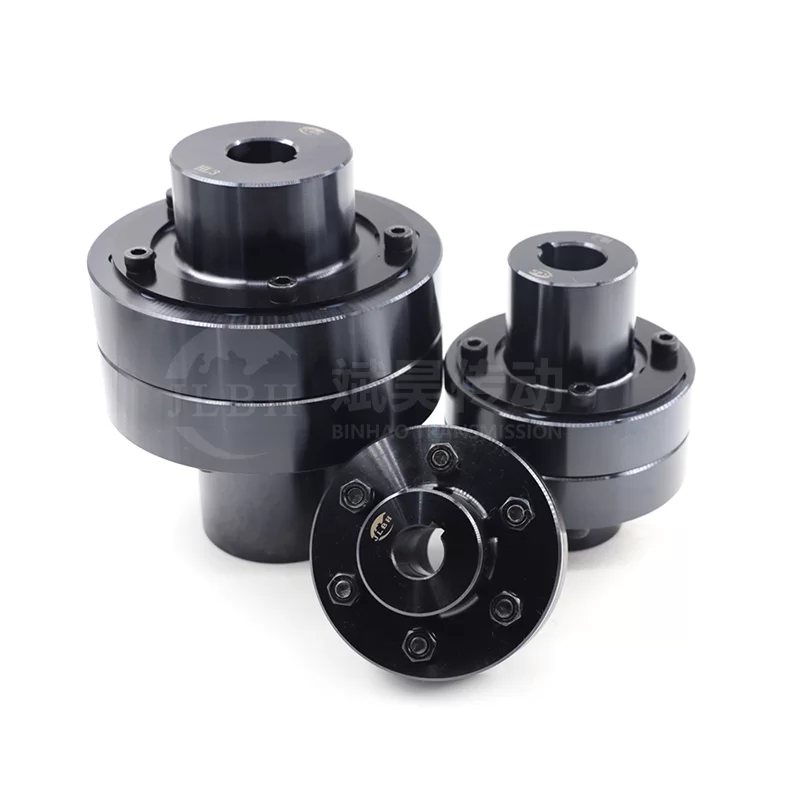
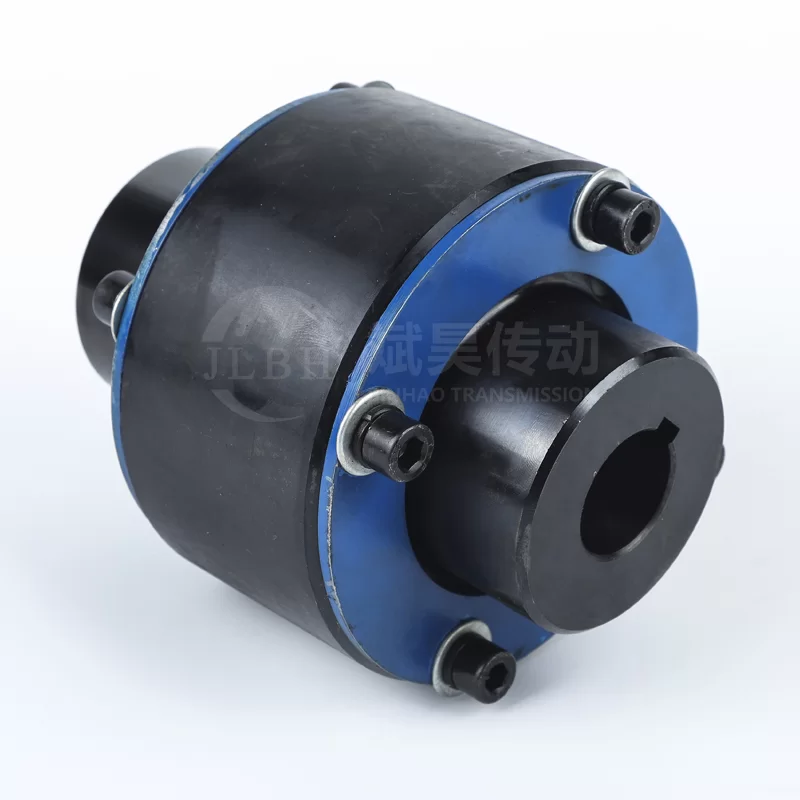
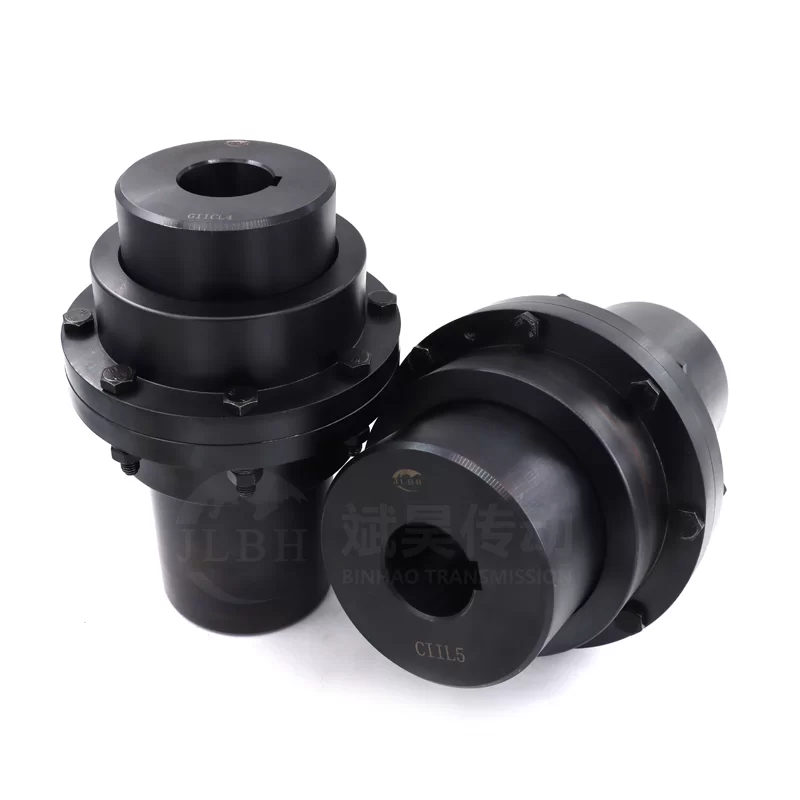
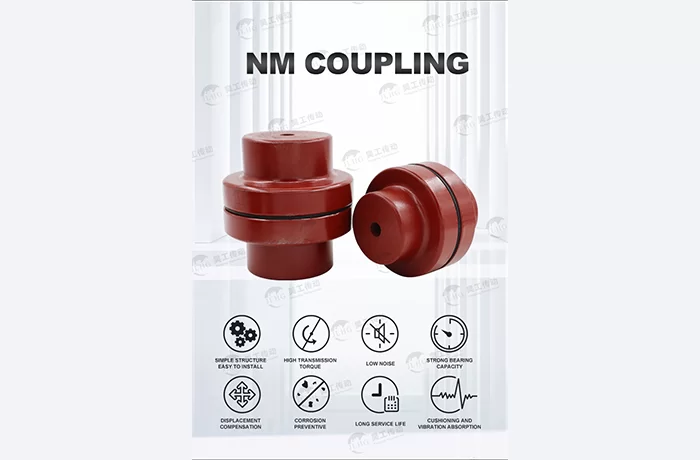
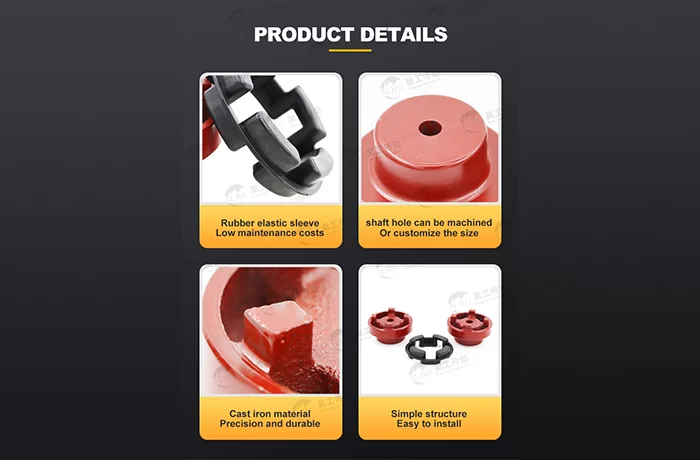
The NM cast iron material rubber pad coupling ‌is composed of two cast iron material half couplings and a ring-shaped rubber elastic pad embedded in the middle.

Video


Description

Its core feature is to utilize the elastic deformation of the rubber pad to achieve ‌buffering and vibration reduction ‌and ‌compensation for displacement:the rubber pad can effectively absorb the impact vibration during transmission and reduce equipment noise;It can simultaneously compensate for angular deviations of no more than 1°,radial deviations of approximately 0.5mm,and a small amount of axial expansion and contraction.Cast iron components offer high structural strength and are suitable for medium and small torque transmission (such as fans,water pumps,and stirring equipment).They have the advantages of low ‌cost and easy maintenance.However,rubber parts need to be inspected and replaced regularly,and the long-term working temperature should not exceed 80℃ to prevent aging.

Product Features


1.Simple structure
Both sides are made of high-strength cast iron to ensure structural stability and torsional rigidity.
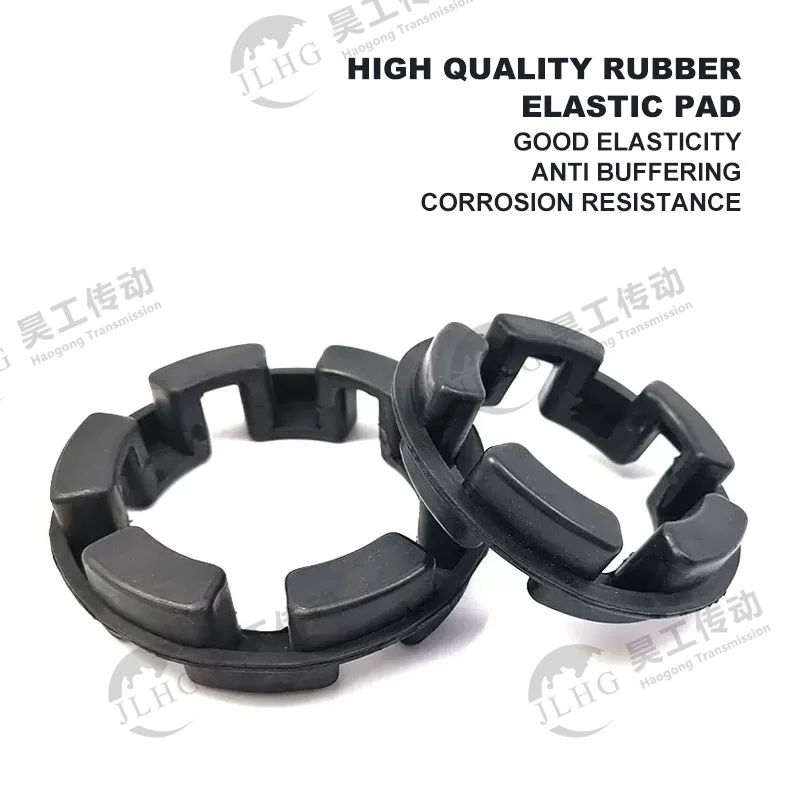
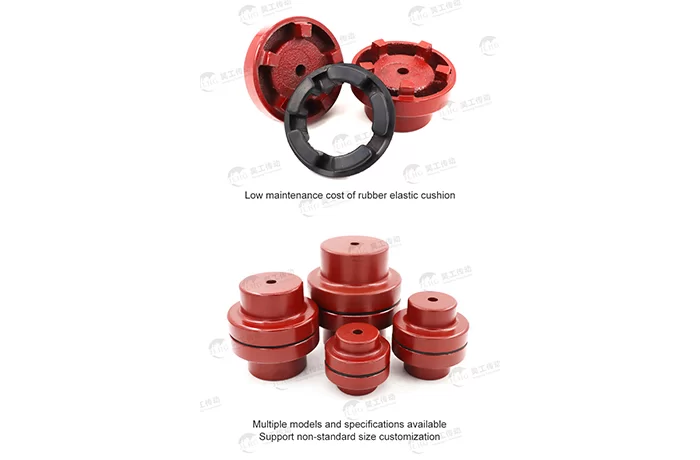
The annular rubber elastic pad ‌is embedded between the two half couplings as the core elastic element, providing buffering and displacement compensation functions.


2.Buffering and vibration reduction
Rubber pads absorb the impact loads and vibrations in the transmission system, reduce the operating noise of the equipment,and protect connected devices (such as motors and reducers) from damage.


3.Displacement compensation capacity ‌
Angular deviation:compensate for an axis deviation of ≤1°.
Radial deviation:compensate for approximately 0.5mm of parallel offset.
Axial expansion and contraction:allows for a small amount of axial displacement to accommodate thermal expansion or installation errors.


4.High cost performance
Cast iron material has a low cost,and the rubber pad has a simple structure.Overall,it is economical and practical.


5.Easy maintenance
Replacing the rubber gasket does not require moving the main body of the equipment.Quick maintenance can be achieved simply by removing the bolts.


6.Applicable working conditions
Medium and small torque transmission (commonly found in scenarios such as fans, water pumps,mixers,and conveyor belts),with a long-term working temperature of ≤80℃ (high temperatures will accelerate rubber aging),is not suitable for high torque,high speed or extreme temperature environments.


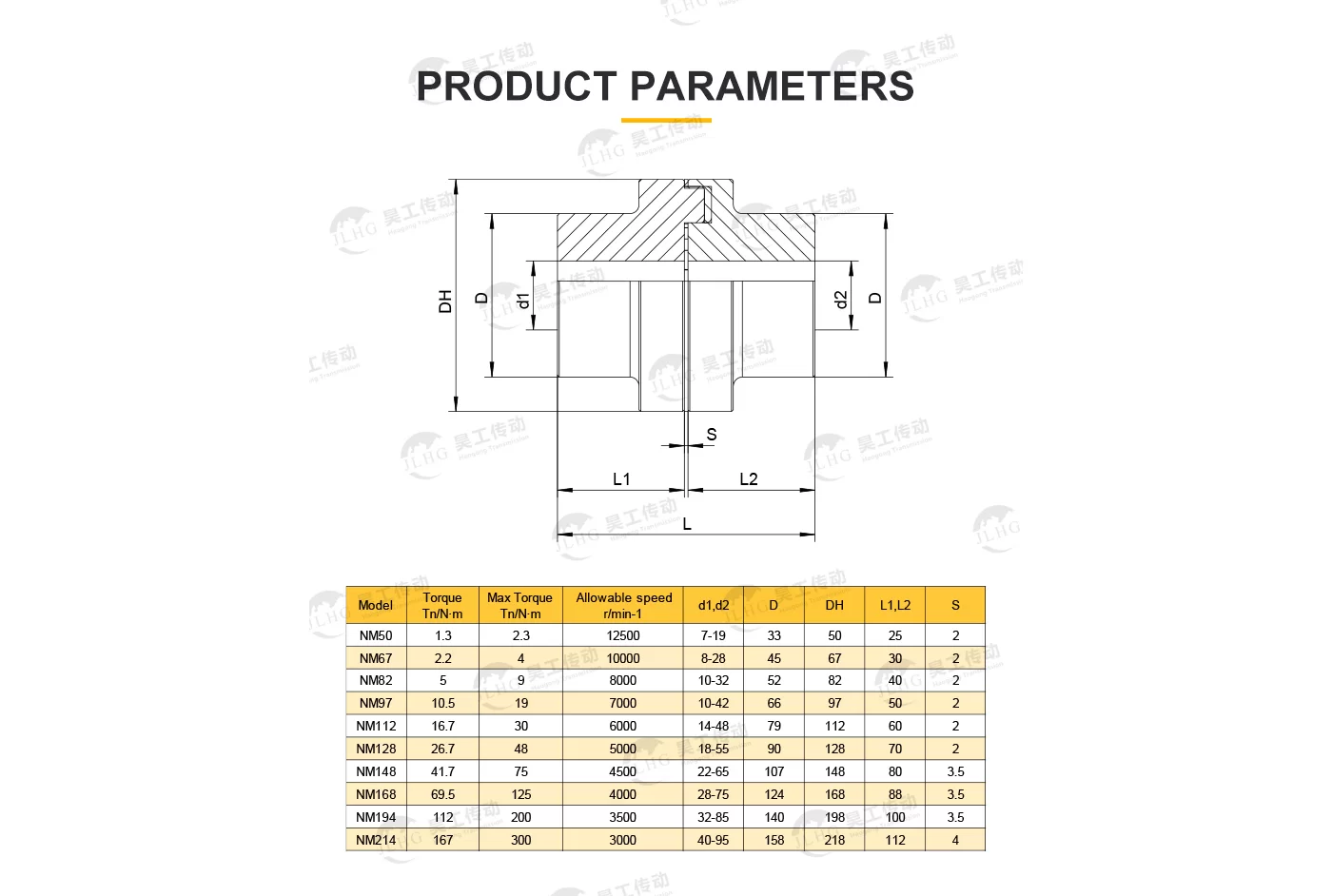
Product Parameters


Industrial Shaft Coupling Solutions for Power Transmission Efficiency
Apr 23, 26
Industrial Shaft Coupling Solutions for Power Transmission Efficiency
In the intricate world of mechanical power transmission, the shaft coupling serves as the unsung hero, ensuring that rotational energy is transferred efficiently from a prime mover to a driven machine. Without a precise connection, the alignment discrepancies and vibrational stresses inherent in industrial machinery would lead to catastrophic bearing failures and unplanned downtime. Understanding the nuances of these components is not just a technical necessity but a commercial imperative for maintaining operational continuity. Globally, the demand for high-performance coupling solutions is surging as industries shift toward higher precision and energy efficiency.
Industrial Jaw Coupling Guide for Mechanical Power Transmission
Apr 22, 26
Industrial Jaw Coupling Guide for Mechanical Power Transmission
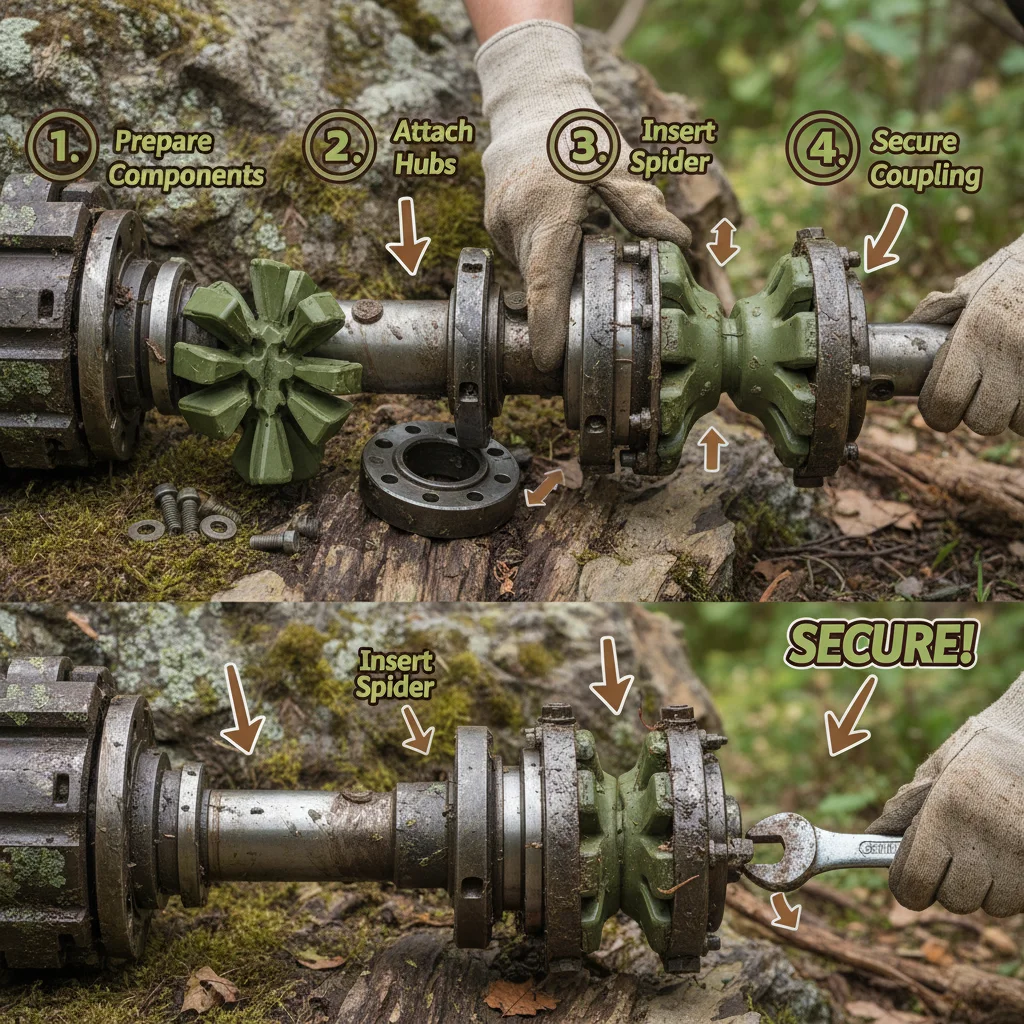
In the intricate world of mechanical power transmission, the jaw coupling serves as a fundamental component that ensures the seamless transfer of torque between two shafts while mitigating the destructive effects of misalignment. By utilizing a flexible spider element, these couplings provide a critical buffer that protects expensive motors and gearboxes from premature wear and catastrophic failure. Globally, the demand for reliable coupling solutions has surged as industrial automation and precision manufacturing become the standard across the automotive, textile, and packaging sectors. Understanding the nuances of jaw coupling technology is not merely a technical requirement but a strategic advantage for engineers
Industrial Guide to Different Elastomeric Coupling Types
Apr 17, 26
Industrial Guide to Different Elastomeric Coupling Types
In the demanding world of industrial power transmission, selecting the right coupling is critical to maintaining machinery health and operational uptime. Understanding the various elastomeric coupling types is essential for engineers and maintenance managers who seek to eliminate vibration, compensate for misalignment, and protect expensive motors from shock loads. Unlike rigid couplings, elastomeric versions utilize flexible polymer or rubber elements to absorb energy and dampen oscillations. This flexibility not only extends the lifespan of bearings and seals but also enhances the overall safety of the mechanical system by preventing catastrophic failure during sudden torque spikes.

If you are interested in our products, you can choose to leave your information here, and we will be in touch with you shortly.