
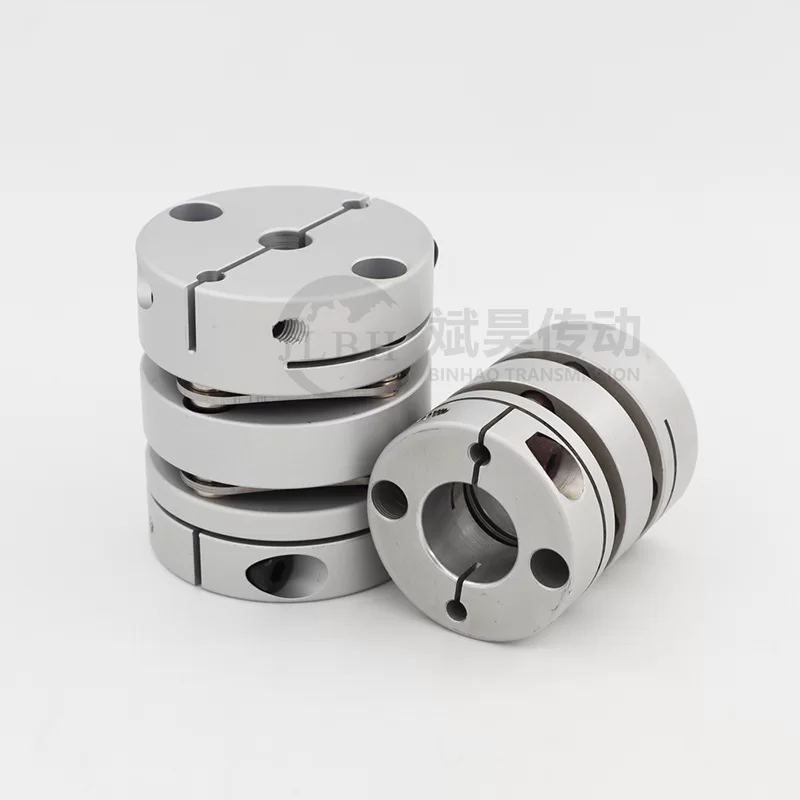


The SDM Aluminum Alloy Double Diaphragm Clamp Coupling For Servo Motor Encoders

Its core structure consists of two stainless steel metal diaphragm groups and an aluminum alloy shaft sleeve located in the middle. It utilizes the elastic deformation of the metal diaphragm to transmit torque , while effectively compensate for the axial, radial and angular deviations existing between the two connected shafts. Aluminum alloy material endows it with the advantages of light weight, small inertia and corrosion resistance , making it highly suitable for high-speed rotation and frequent forward and reverse rotation applications (such as fans, private clothing motors, 3D printing, laser engraving, CNC equipment, etc.), and it also features maintenance-free, no backlash, long service life and high torsional rigidity . It is an ideal choice for industrial fields that require high-precision, high-reliability and high-efficiency transmission.


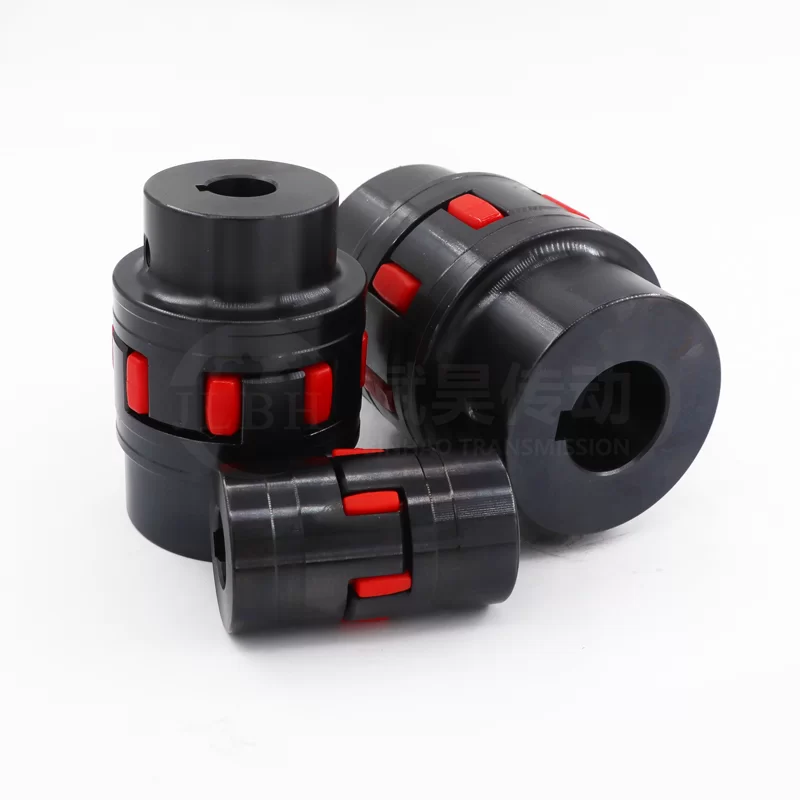


Precision in power transmission is the cornerstone of high-performance automation. When dealing with servo systems, CNC equipment, or 3D printing modules, the slightest rotational clearance can lead to significant positioning errors and accelerated component wear. The aluminum alloy double diaphragm coupling is engineered specifically to eliminate this backlash while compensating for critical alignment deviations. By leveraging the elastic deformation of stainless steel diaphragms, this component ensures a rigid yet flexible torque transfer that protects sensitive encoders and motors from axial and radial stress. For procurement managers and system engineers, selecting a reliable flexible coupling Factory means balancing torsional rigidity with lightweight construction.


