Shaft couplings are essential mechanical components used to connect two shafts, transmitting power while accommodating misalignment and reducing vibration. As a leading shaft coupling Supplier, we understand the critical role these components play across a vast range of industries, from manufacturing and automotive to marine and aerospace. Their selection and proper implementation are vital for system efficiency, reliability, and longevity.
The global demand for high-quality shaft couplings is driven by the continued expansion of industrial automation and the increasing complexity of machinery. According to industry reports, the global coupling market is expected to experience substantial growth in the coming years, fueled by the need for robust and adaptable power transmission solutions. shaft coupling Suppliers like us are responding to this demand by continually innovating materials and designs.
Understanding the nuances of shaft couplings is paramount for engineers, maintenance professionals, and procurement specialists. Choosing the right coupling type – whether it’s a rigid, flexible, or fluid coupling – directly impacts operational costs, downtime, and overall safety. This guide provides a comprehensive overview of shaft coupling principles, applications, and future trends, empowering informed decision-making.

The Importance of Shaft Couplings
Shaft couplings are not merely connectors; they are vital for protecting connected equipment from damage caused by misalignment, shock loads, and vibration. A properly selected coupling can significantly extend the lifespan of motors, pumps, gearboxes, and other rotating machinery. As a shaft coupling Supplier, we focus on providing solutions that prioritize both power transmission efficiency and equipment protection.
The effectiveness of a shaft coupling directly impacts overall system performance and reliability. Poorly chosen or maintained couplings can lead to increased energy consumption, premature wear, and costly downtime. Investing in quality couplings and a dependable shaft coupling Supplier is a proactive approach to optimizing operational efficiency.
Defining Shaft Coupling Suppliers
A shaft coupling supplier specializes in the sourcing, manufacturing, and distribution of various types of shaft couplings. These suppliers cater to diverse industries, offering a broad range of coupling designs—rigid, flexible, fluid, and more—to meet specific application requirements. The best shaft coupling Suppliers provide not only the products themselves but also technical expertise, custom design services, and comprehensive support.
Effective shaft coupling Suppliers maintain robust quality control processes, ensuring that all products meet or exceed industry standards. This includes rigorous testing for torque capacity, misalignment capabilities, and material durability. They often work closely with engineers to understand application challenges and recommend the most appropriate coupling solution.
Beyond simply supplying couplings, a true partner provides value-added services such as inventory management, expedited delivery, and post-sales support. Building a long-term relationship with a reliable supplier is crucial for ensuring consistent access to high-quality components and minimizing potential disruptions to operations.
Core Components and Considerations
Several critical factors determine the suitability of a shaft coupling for a given application. These include the torque requirements, speed, operating temperature, environmental conditions, and the degree of misalignment that must be accommodated. A reputable shaft coupling Supplier will guide you through these considerations.
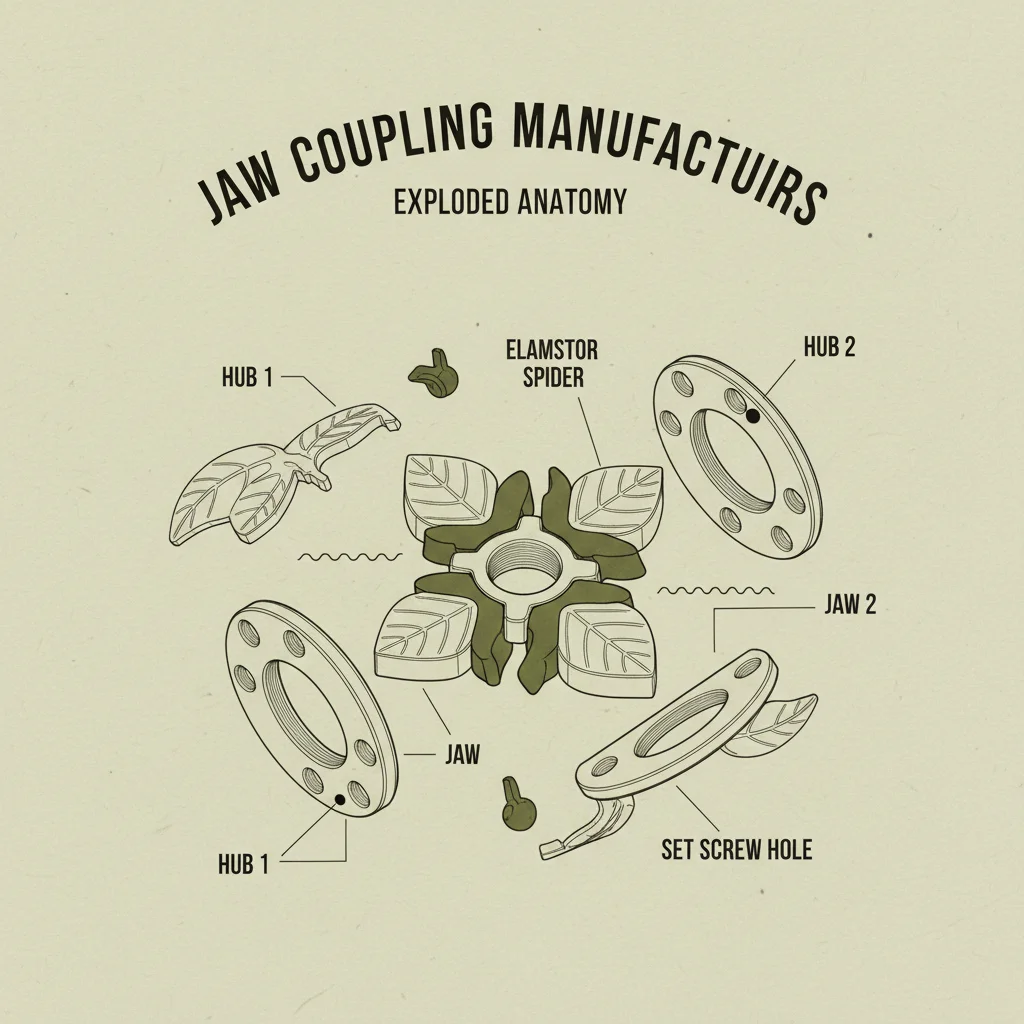
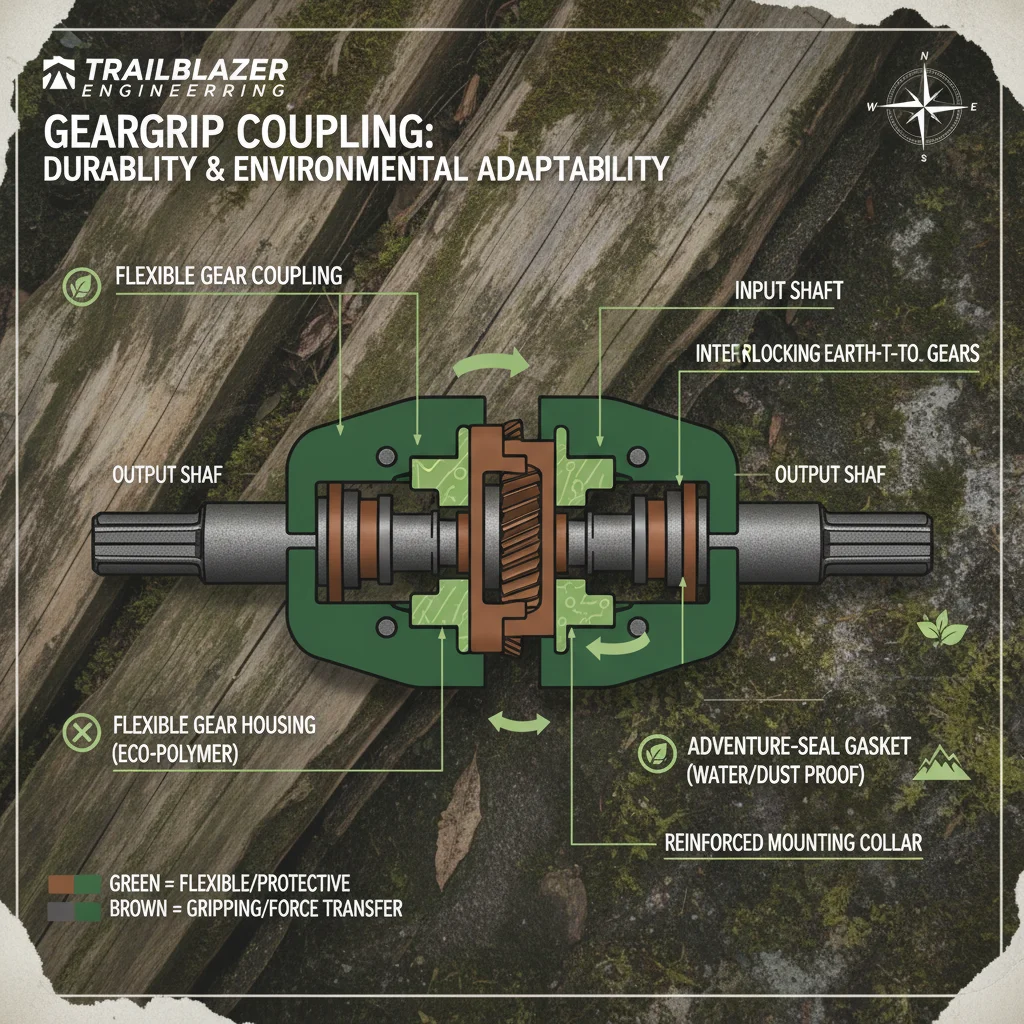
Key components of a shaft coupling typically include the coupling body, sleeves, clamping elements, and potentially lubrication systems. The materials used – steel, stainless steel, aluminum, or engineered plastics – significantly impact the coupling’s strength, durability, and resistance to corrosion. Understanding the materials is crucial for matching the coupling to the application environment.
Furthermore, the coupling’s design must account for the type of misalignment—parallel, angular, or axial—present in the system. Different coupling designs excel at handling specific misalignment types, and selecting the wrong coupling can lead to premature failure and increased maintenance costs.
Performance Metrics of Shaft Couplings
Evaluating the performance of shaft couplings requires considering several key metrics. Torque capacity, often measured in Nm or lb-ft, represents the maximum torque the coupling can transmit without failure. Bore size determines the shaft diameter the coupling can accommodate, while critical speed indicates the maximum rotational speed at which the coupling can operate safely.
Misalignment capability, expressed in degrees or millimeters, specifies the amount of parallel, angular, and axial misalignment the coupling can tolerate. Another important metric is torsional stiffness, which measures the coupling’s resistance to twisting. A lower torsional stiffness can help dampen vibrations and reduce stress on connected equipment.
Shaft Coupling Performance Comparison
Global Applications and Industries Served
Shaft couplings find application across a diverse spectrum of industries. In the manufacturing sector, they connect motors to pumps, fans, and conveyors. The automotive industry relies on couplings in drivetrain systems and power steering. In marine applications, they connect engines to propellers and steering mechanisms.
Power generation facilities utilize shaft couplings to connect turbines to generators. The oil and gas industry employs couplings in pumps, compressors, and pipeline systems. Even in specialized fields like robotics and aerospace, precision shaft couplings are critical for maintaining accurate and reliable motion control. A leading shaft coupling Supplier caters to these diverse needs.
Benefits of Partnering with a Reliable Supplier
Partnering with a reliable shaft coupling Supplier offers significant advantages. Access to a broad product portfolio ensures that you can find the optimal coupling for your specific application. Technical support and engineering expertise can help you navigate complex selection challenges and optimize system performance.
Consistent product quality and adherence to industry standards minimize the risk of failures and downtime. Competitive pricing and efficient logistics contribute to cost savings. A strong supplier relationship provides peace of mind and allows you to focus on your core business objectives.
Ultimately, a dependable shaft coupling Supplier is an investment in the long-term reliability and efficiency of your operations.
Future Trends in Shaft Coupling Technology
The future of shaft coupling technology is being shaped by several key trends. The increasing demand for higher efficiency and reduced emissions is driving the development of couplings with lower torsional stiffness and improved damping characteristics. The rise of Industry 4.0 and predictive maintenance is fueling the integration of sensors and data analytics into coupling designs.
The use of advanced materials, such as carbon fiber composites and high-strength alloys, is enhancing coupling performance and durability. Furthermore, additive manufacturing techniques are enabling the creation of customized coupling designs tailored to specific application requirements. A forward-thinking shaft coupling Supplier will embrace these innovations.
Sustainable manufacturing practices and the reduction of environmental impact are also gaining prominence, leading to the development of eco-friendly coupling materials and manufacturing processes.
Summary of Future Trends in Shaft Coupling Technology
| Trend Area |
Description |
Impact on Shaft Couplings |
Expected Timeline |
| Efficiency Improvements |
Focus on reducing energy losses and maximizing power transmission efficiency. |
Development of couplings with lower torsional stiffness and improved damping. |
Ongoing (Next 5 years) |
| Smart Couplings & IoT |
Integration of sensors and data analytics for predictive maintenance. |
Real-time monitoring of coupling health, early detection of failures, and optimized maintenance schedules. |
Short-Term (1-3 years) |
| Advanced Materials |
Use of carbon fiber, high-strength alloys, and engineered polymers. |
Increased strength-to-weight ratio, improved corrosion resistance, and enhanced durability. |
Medium-Term (3-7 years) |
| Additive Manufacturing |
3D printing for customized coupling designs. |
Rapid prototyping, complex geometries, and tailored solutions for specific applications. |
Medium-Term (5-10 years) |
| Sustainable Practices |
Eco-friendly materials and manufacturing processes. |
Reduced environmental impact and improved sustainability. |
Ongoing (Long-Term) |
| Remote Monitoring |
Monitoring coupling performance remotely via cloud based software |
Early fault detections and remote access to data for easier maintenance. |
Short-Term (1-3 years) |
FAQS
When selecting a shaft coupling, consider torque requirements, speed, misalignment type and amount, operating temperature, and environmental conditions. The type of driven equipment and the application's specific demands will also influence your choice. A knowledgeable shaft coupling Supplier can provide expert guidance.
Rigid couplings provide a direct, inflexible connection between shafts, suitable for applications with perfect alignment. Flexible couplings, on the other hand, accommodate misalignment – parallel, angular, or axial – offering greater system resilience and protecting connected equipment. Choosing the right type is crucial for longevity and efficiency.
Regular inspection is crucial. We recommend visual inspections at least monthly, looking for signs of wear, damage, or loosening of fasteners. More frequent inspections may be necessary for high-stress applications. A qualified technician should perform detailed inspections annually, or as recommended by the coupling manufacturer.
Torsional stiffness is a coupling’s resistance to twisting. Lower stiffness can help dampen vibrations and reduce stress on connected equipment, particularly in applications prone to shock loads or harmonic frequencies. However, excessive flexibility can lead to reduced efficiency, so the optimal stiffness depends on the application.
Yes, certain types of flexible couplings, such as those with elastomeric elements, are specifically designed to dampen vibrations and reduce noise transmission. These couplings absorb shock loads and minimize the transfer of unwanted energy, improving overall system comfort and reliability.
Custom-designed couplings offer a precise fit for unique application requirements. This can result in optimized performance, increased efficiency, and reduced wear and tear. A reliable shaft coupling Supplier can work with you to design a coupling tailored to your specific needs.
Conclusion
In conclusion, shaft couplings are essential components for reliable power transmission across a vast array of industries. Selecting the right coupling – and partnering with a trustworthy shaft coupling Supplier – is paramount for ensuring system efficiency, durability, and safety. Understanding the core principles, considering application-specific requirements, and embracing emerging technologies are crucial for maximizing the value of these critical components.
Looking ahead, the future of shaft coupling technology promises further innovation in materials, design, and integration with Industry 4.0 technologies. By staying informed and collaborating with experts, you can leverage these advancements to optimize your operations and gain a competitive edge. Visit our website at www.binhaocoupling.com to explore our comprehensive range of shaft coupling solutions and discover how we can help you meet your specific needs.