
- russian
- italian
- japanese
- korean
- latin
- latvian
- lithuanian
- malay
- norwegian
- persian
- polish
- portuguese
- romanian
- irish
- sanskrit
- slovak
- spanish
- swahili
- swedish
- tamil
- thai
- turkish
- ukrainian
- urdu
- vietnamese
- welsh
- english
- arabic
- armenian
- basque
- belarusian
- bengali
- bulgarian
- burmese
- croatian
- czech
- danish
- deutsch
- dutch
- albanian
- estonian
- filipino
- finnish
- french
- georgian
- greek
- hebrew
- hindi
- hungarian
- icelandic
- indonesian
Flexible coupling Manufacturers play a vital role in modern industry, providing essential components for power transmission systems across diverse applications. These manufacturers specialize in designing and producing couplings that connect rotating shafts, accommodating misalignment and transmitting torque efficiently. Understanding the capabilities and advancements in flexible coupling manufacturing is crucial for engineers, procurement specialists, and anyone involved in machinery operation and maintenance. This knowledge leads to improved system reliability, reduced downtime, and optimized performance.
The global demand for flexible couplings is driven by the continued growth of industries like automotive, manufacturing, oil and gas, and renewable energy. According to a recent report by Grand View Research, the global flexible coupling market size was valued at USD 4.2 billion in 2022 and is projected to reach USD 5.8 billion by 2030, growing at a CAGR of 3.9% from 2023 to 2030. This growth underscores the increasing need for robust and reliable power transmission solutions, particularly in demanding operational environments. A key challenge addressed by quality flexible coupling Manufacturers is mitigating vibrations and shock loads, extending equipment lifespan and reducing costly repairs.
Simply put, a flexible coupling Manufacturer designs and creates mechanical components that connect two shafts, allowing for transmission of power while compensating for misalignment between the shafts. These aren’t rigid connections; they incorporate a flexible element – often rubber, polymer, or metal – to absorb shock, vibration, and minor positioning errors. This flexibility is paramount in safeguarding connected machinery from damage and ensuring smooth, efficient operation. From powering industrial pumps to driving automotive drivetrains, flexible couplings are indispensable in countless applications impacting modern industry and daily life.
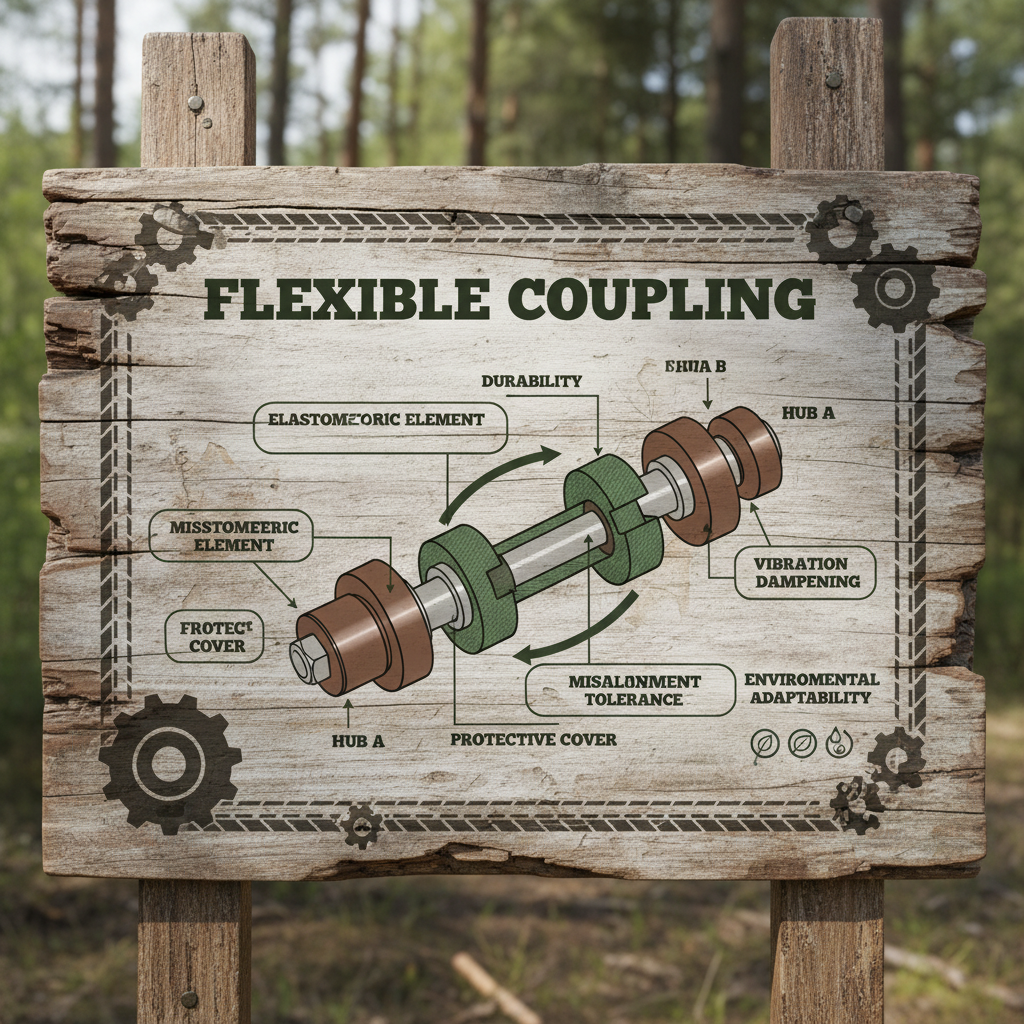
Introduction to flexible coupling Manufacturer

The role of a flexible coupling Manufacturer extends far beyond simply producing components. It involves a commitment to precision engineering, material science, and quality control. A reputable Manufacturer understands the diverse needs of their clients, offering customized solutions to optimize performance in specific applications. This dedication to innovation and customer satisfaction is what sets leading Manufacturers apart.
Selecting the right flexible coupling Manufacturer is paramount for ensuring the longevity and efficiency of rotating equipment. Factors such as material compatibility, torque capacity, and environmental conditions must be carefully considered. A skilled Manufacturer will work closely with clients to assess their requirements and recommend the most suitable coupling solution, minimizing downtime and maximizing operational efficiency.
FAQS
Flexible couplings offer significant advantages over rigid couplings by absorbing shock and vibration, accommodating misalignment, and reducing stress on connected equipment. Rigid couplings, while simpler, transmit all forces directly, leading to premature wear and potential failure. Flexible couplings protect both the driving and driven components, increasing system lifespan and reducing maintenance costs.
Selecting the right coupling requires considering several factors, including torque requirements, shaft misalignment, operating speed, environmental conditions, and the type of connected equipment. Consulting with a flexible coupling Manufacturer is highly recommended to ensure the selected coupling meets your specific needs. They can provide expert guidance based on your application details.
Maintenance requirements vary depending on the coupling type. Generally, regular visual inspections for wear, cracks, or deterioration of flexible elements are recommended. Lubrication may be required for some types. Following the Manufacturer's guidelines for inspection and maintenance is crucial for ensuring optimal performance and preventing failures.
Common materials include elastomers (rubber, polyurethane), polymers, and metals (steel, stainless steel, aluminum). The choice of material depends on the application's requirements, such as temperature, chemical resistance, and torque capacity. flexible coupling Manufacturers often offer a range of material options to meet diverse needs.
Yes, certain types of flexible couplings, such as disc couplings and bellows couplings, are specifically designed for high-speed applications. These couplings offer excellent balance and minimal vibration, ensuring smooth and reliable operation at high rotational speeds. Careful selection based on speed and torque requirements is essential.
Working directly with a dedicated Manufacturer ensures access to specialized expertise, customized solutions, and superior quality control. They can provide technical support, assist with coupling selection, and offer innovative designs to meet your specific application challenges. This level of support is often unavailable from general industrial suppliers.
Conclusion
In conclusion, flexible coupling Manufacturers play a foundational role in powering modern industry. Their commitment to innovation, quality, and customer service ensures the reliable transmission of power across a diverse range of applications. The advantages – from reduced downtime and increased equipment lifespan to enhanced safety and sustainability – make these components essential for businesses seeking to optimize performance and minimize costs.
Looking ahead, the adoption of smart coupling technologies, advanced materials, and sustainable manufacturing practices will further enhance the value of these critical components. Investing in quality flexible couplings is not merely a cost; it’s a strategic investment in the long-term health and efficiency of your operations. Visit our website at www.binhaocoupling.com to learn more about how we can help you optimize your power transmission systems.
Related Posts
-
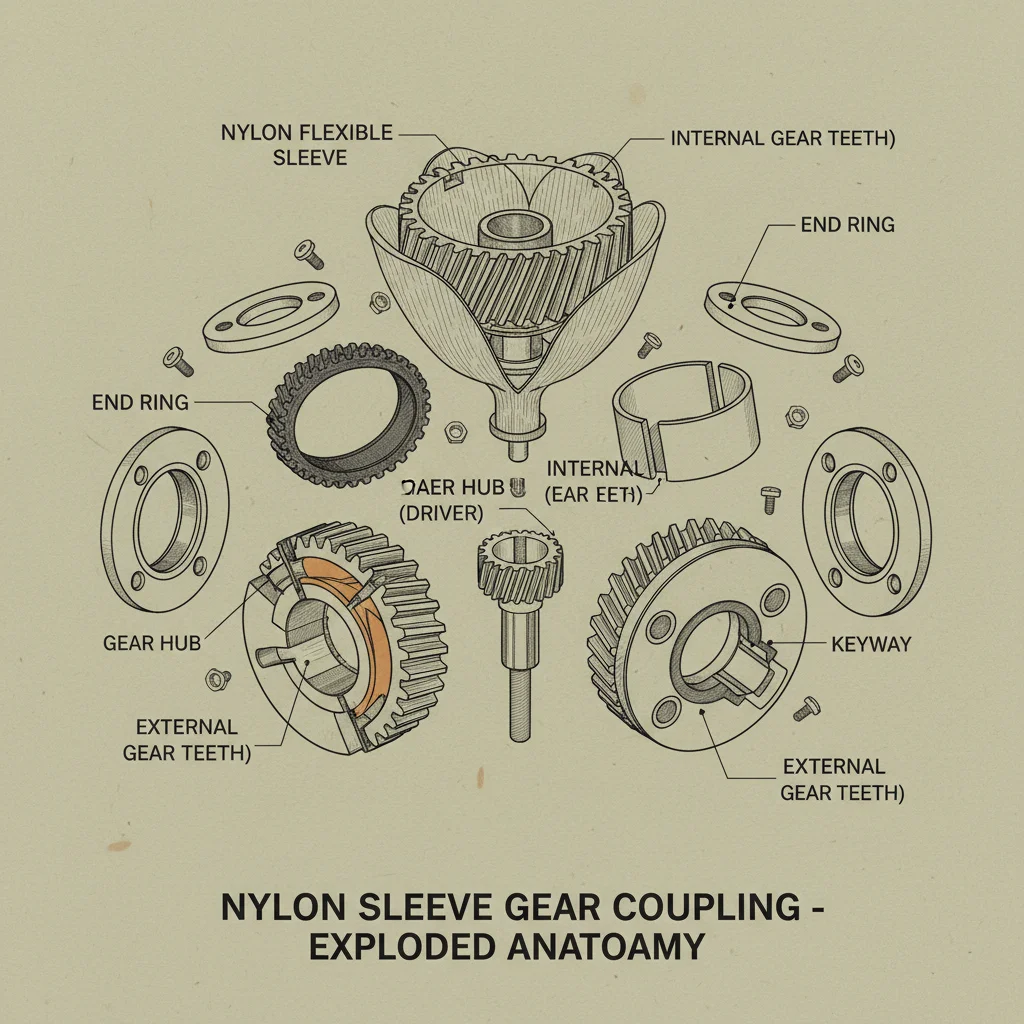
High Quality Nylon Sleeve Gear Coupling Manufacturer for Industrial Applications
-
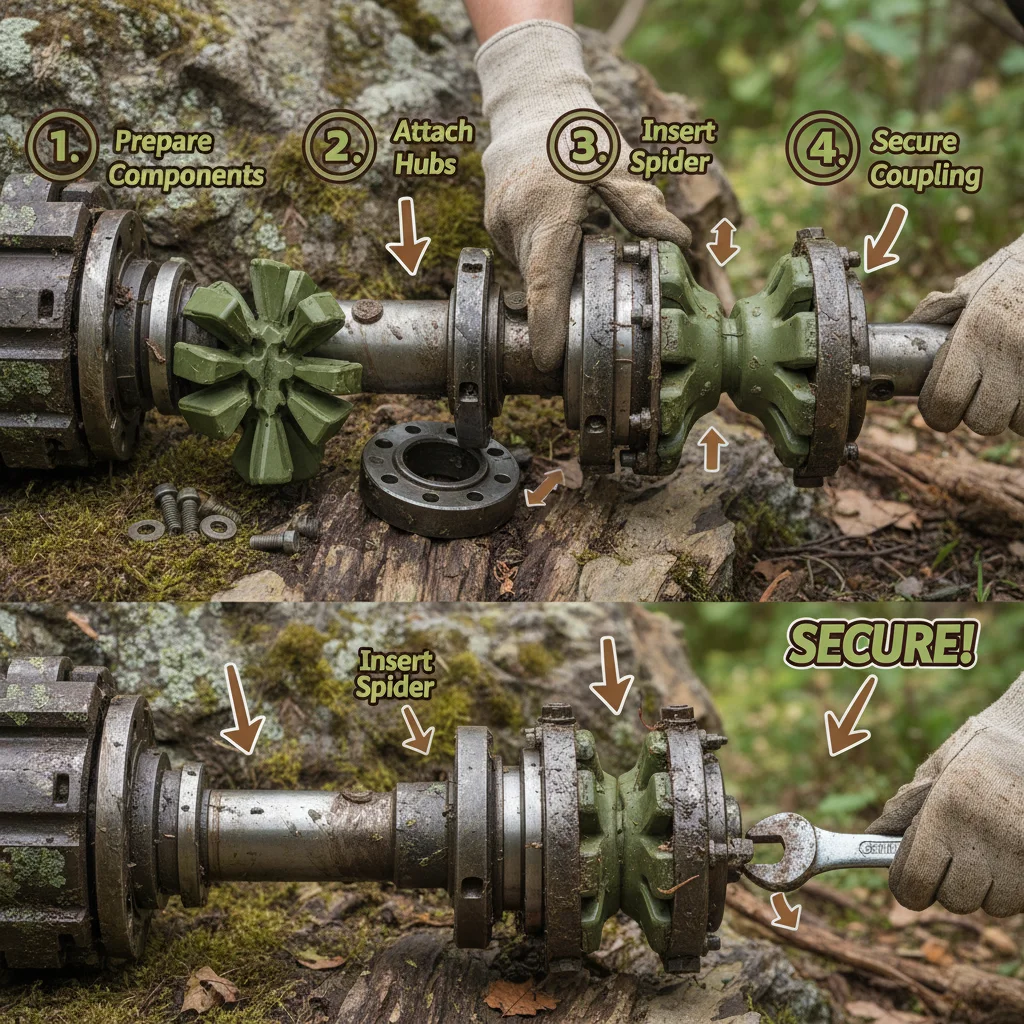
Industrial Shaft Coupling Solutions for Power Transmission Efficiency
-
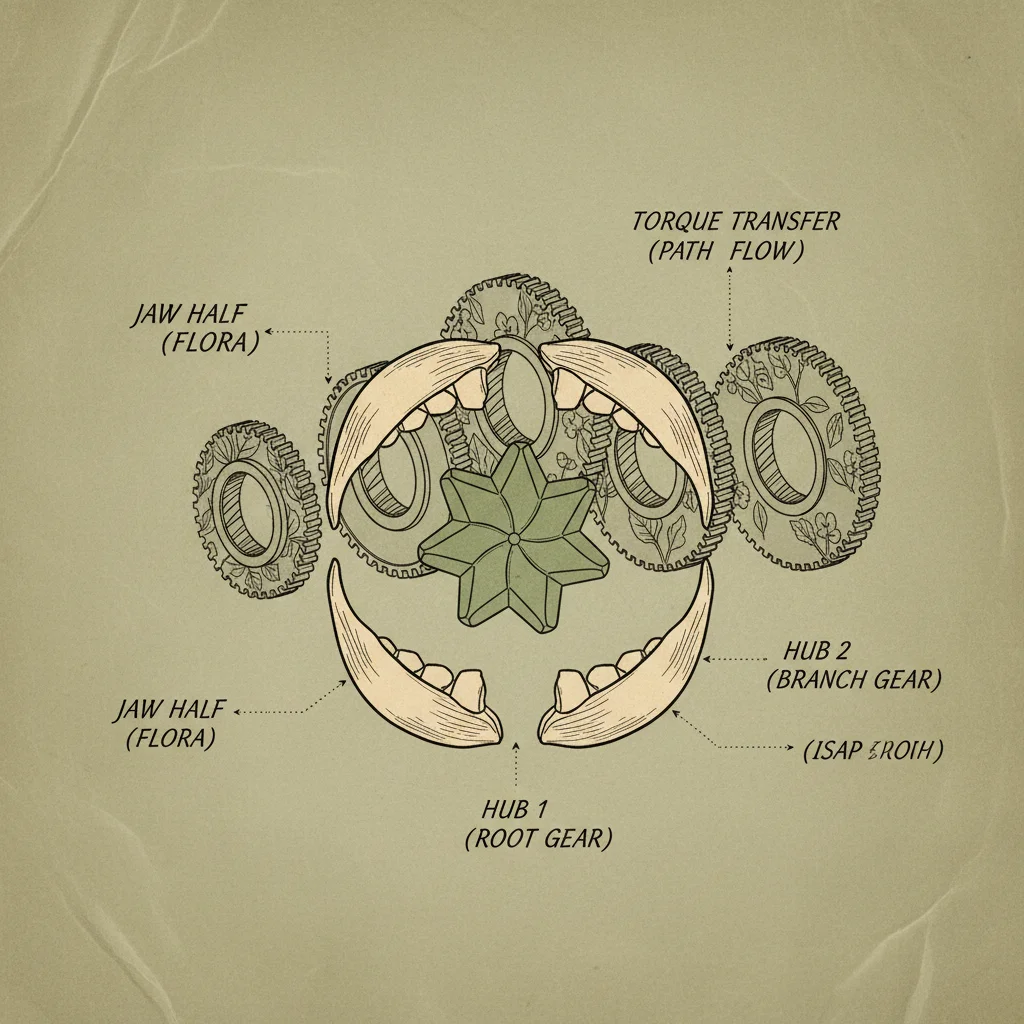
Reliable Jaw Coupling Supplier for Industrial Power Transmission Solutions
-

Reliable Spider Coupling Supplier for Industrial Power Transmission Solutions