
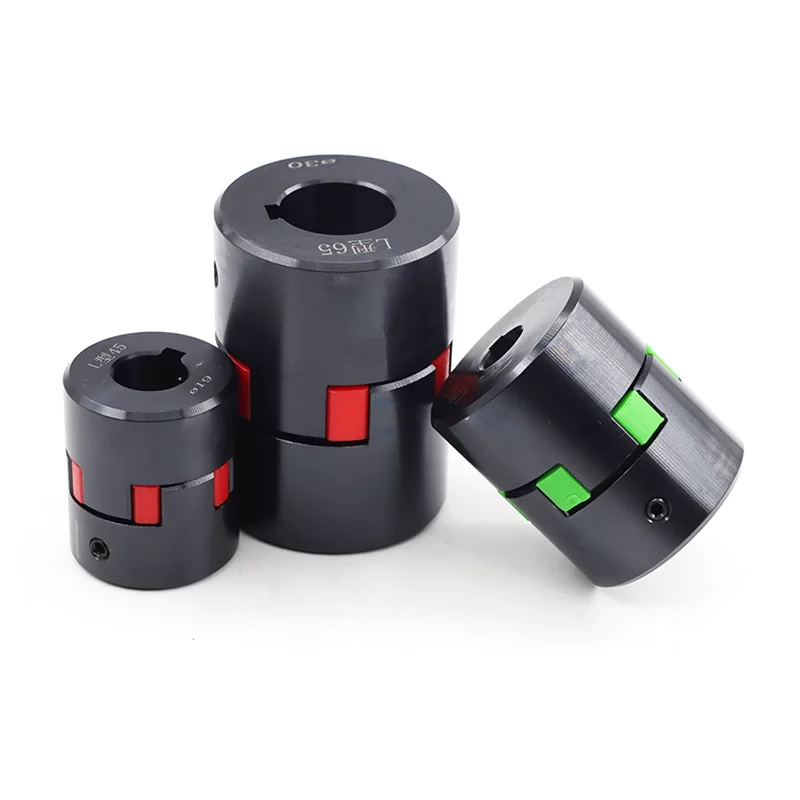
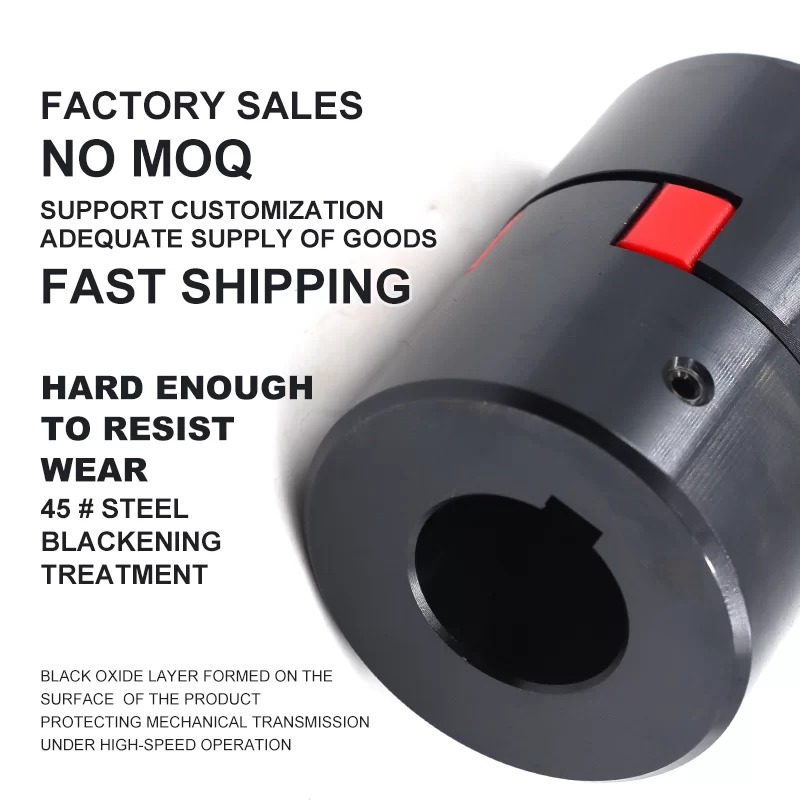
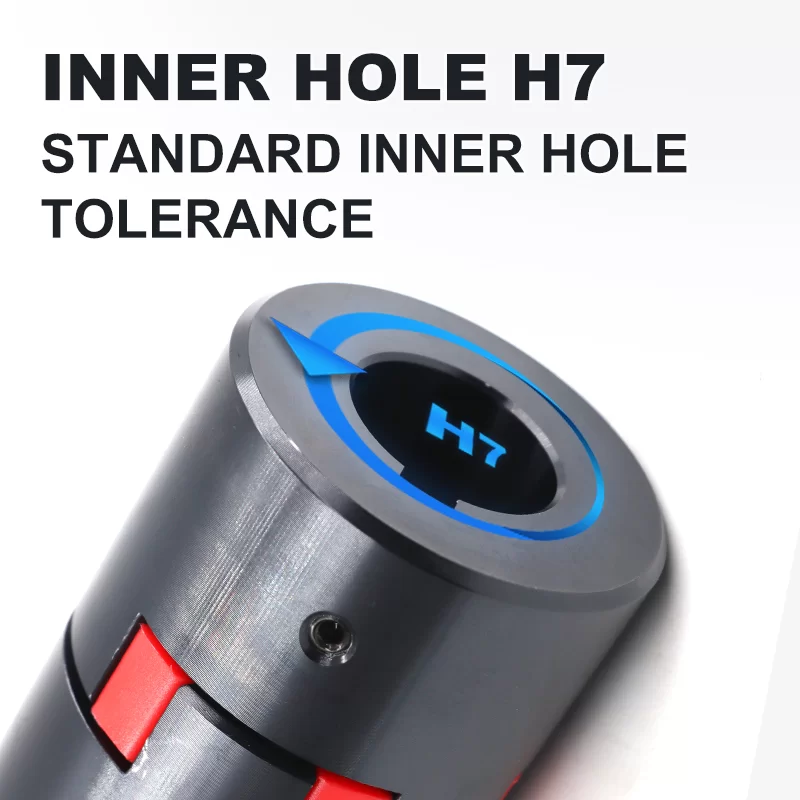
L Series Elastic Jaw Coupling

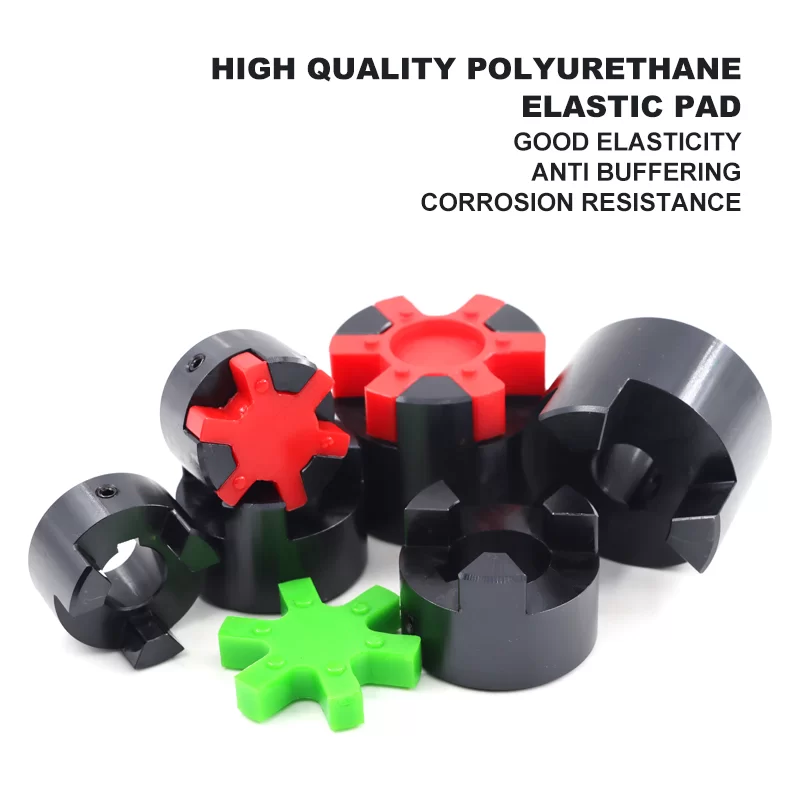
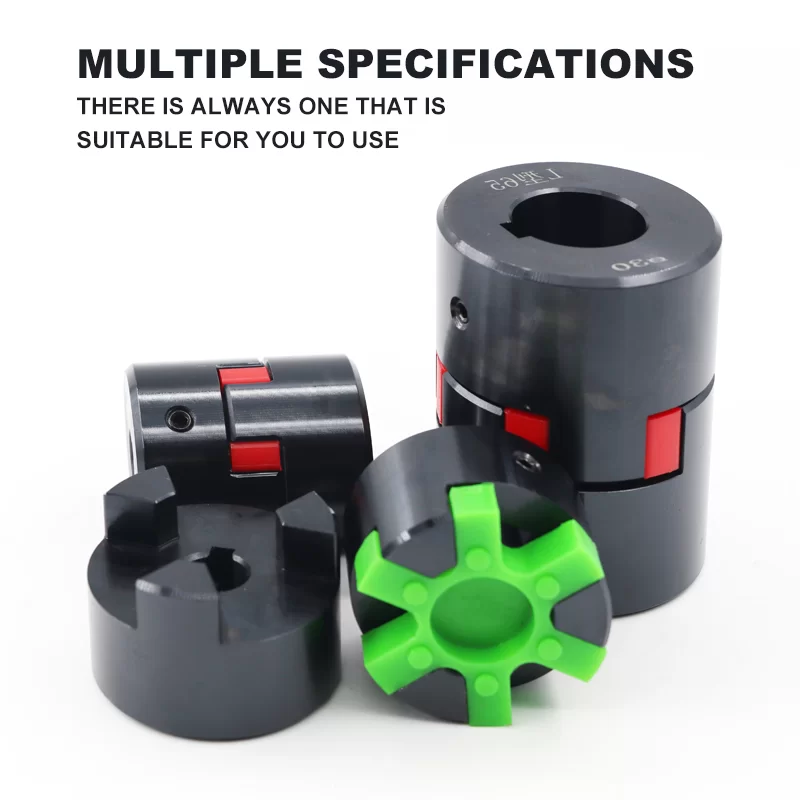
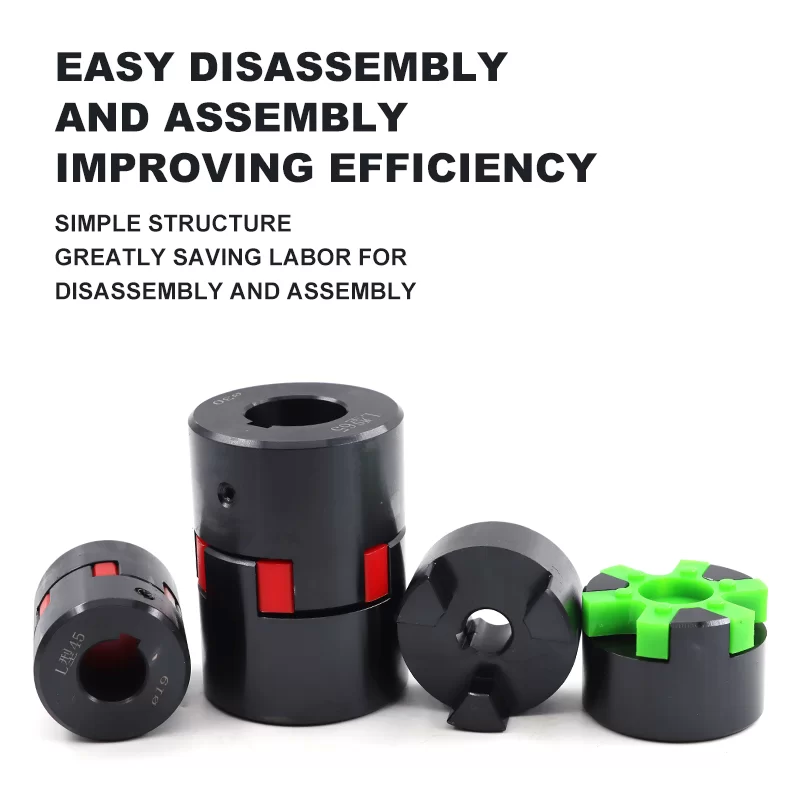
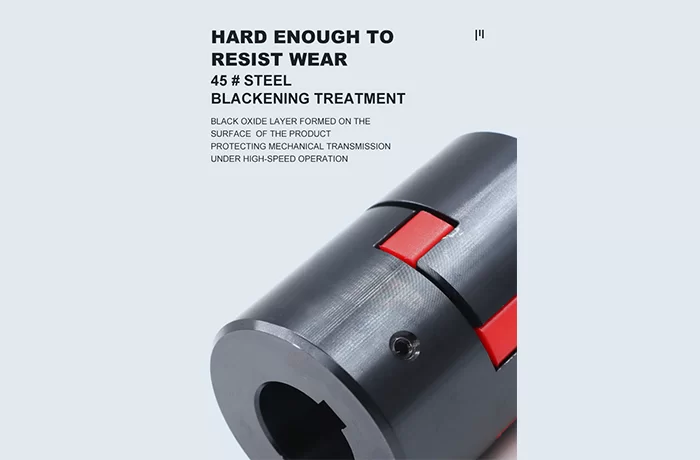
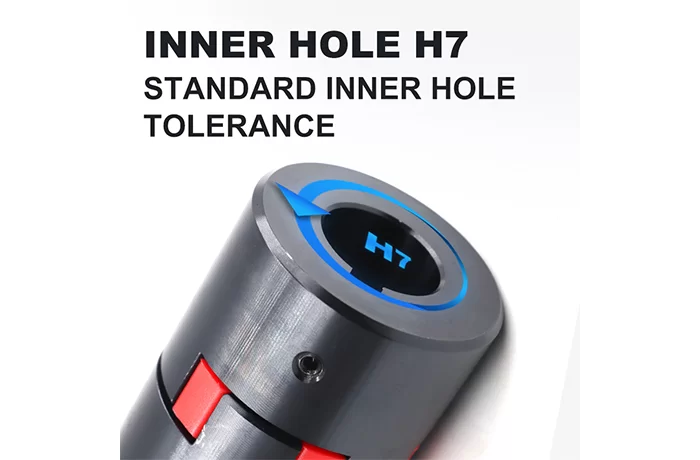
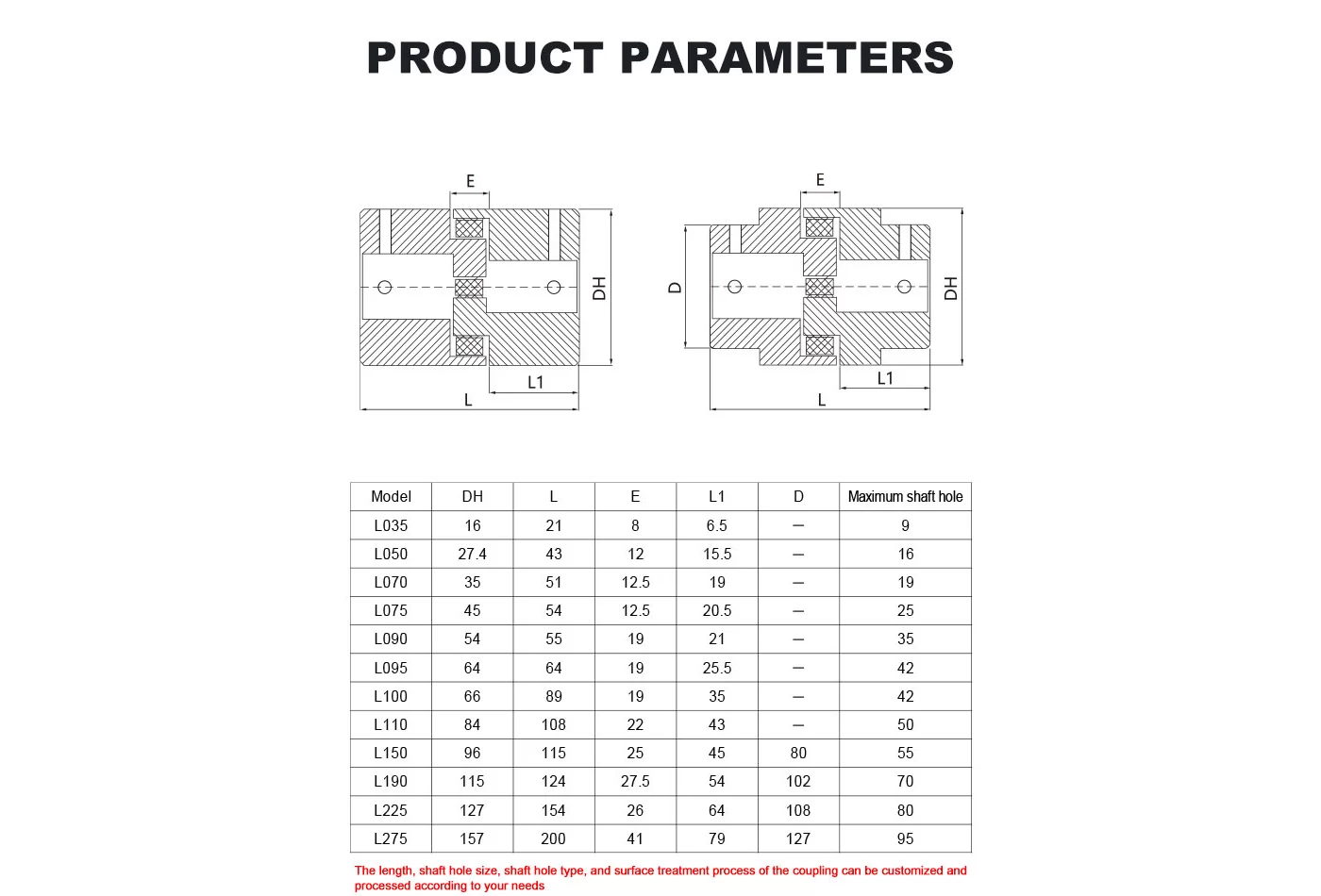
Its core structure consists of two steel hubs with protruding claws and a polyurethane elastic pad . During operation, the deformation of the elastic body is utilized to compensate for axial, radial and angular deviations. Its advantages lie in efficient buffering of vibration and shock loads (vibration reduction rate over 30%), maintenance-free operation (no lubrication required), and micro-deviation self-adaptive capability . It is particularly suitable for medium and small power (torque range 2-400Nm) scenarios that require frequent starts and stops or have slight centering errors. Such as servo motors, air compressors, hydraulic equipment, small pumps and valves, and transmission systems for automated production lines.
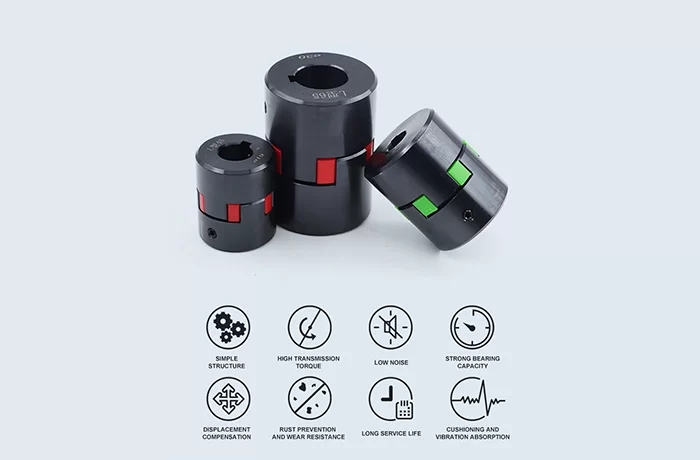
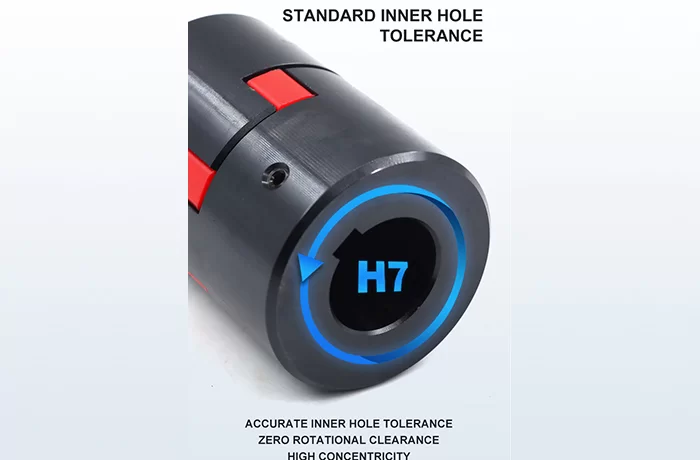





Precision in power transmission is the cornerstone of high-performance automation. When dealing with servo systems, CNC equipment, or 3D printing modules, the slightest rotational clearance can lead to significant positioning errors and accelerated component wear. The aluminum alloy double diaphragm coupling is engineered specifically to eliminate this backlash while compensating for critical alignment deviations. By leveraging the elastic deformation of stainless steel diaphragms, this component ensures a rigid yet flexible torque transfer that protects sensitive encoders and motors from axial and radial stress. For procurement managers and system engineers, selecting a reliable flexible coupling Factory means balancing torsional rigidity with lightweight construction.


