
- russian
- italian
- japanese
- korean
- latin
- latvian
- lithuanian
- malay
- norwegian
- persian
- polish
- portuguese
- romanian
- irish
- sanskrit
- slovak
- spanish
- swahili
- swedish
- tamil
- thai
- turkish
- ukrainian
- urdu
- vietnamese
- welsh
- english
- arabic
- armenian
- basque
- belarusian
- bengali
- bulgarian
- burmese
- croatian
- czech
- danish
- deutsch
- dutch
- albanian
- estonian
- filipino
- finnish
- french
- georgian
- greek
- hebrew
- hindi
- hungarian
- icelandic
- indonesian
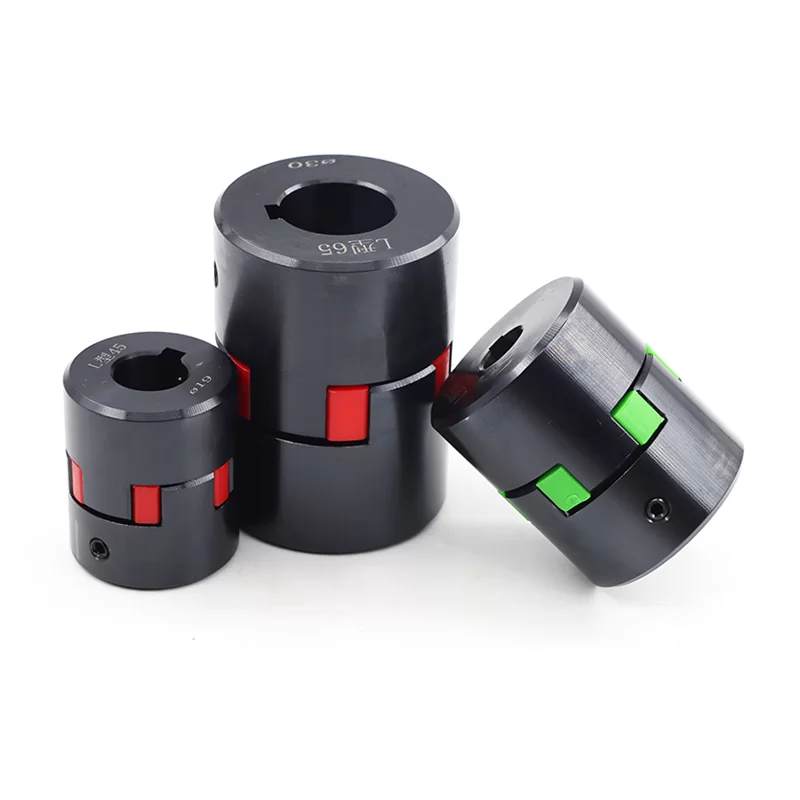
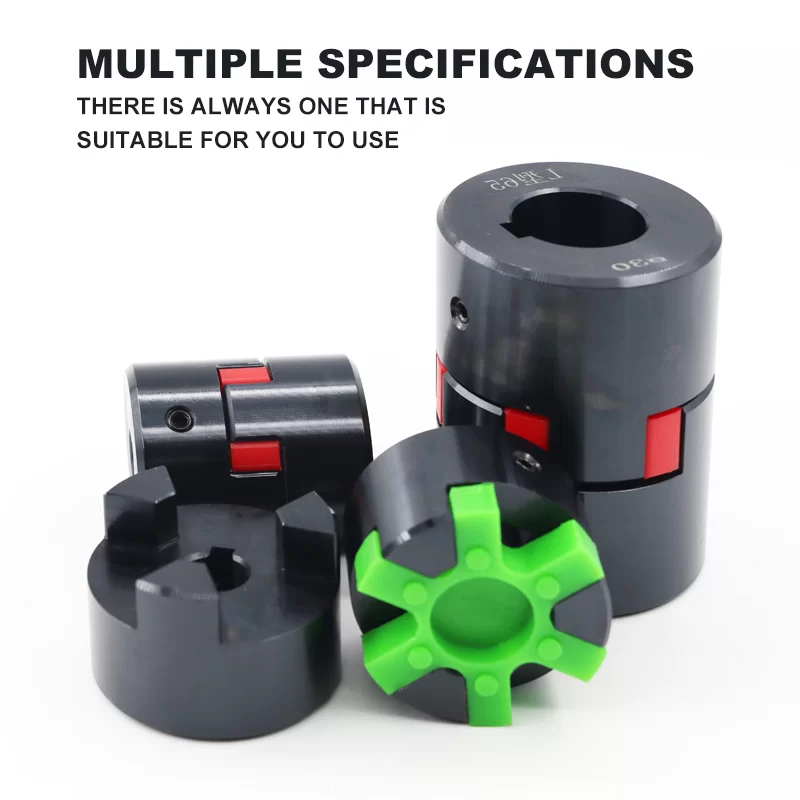
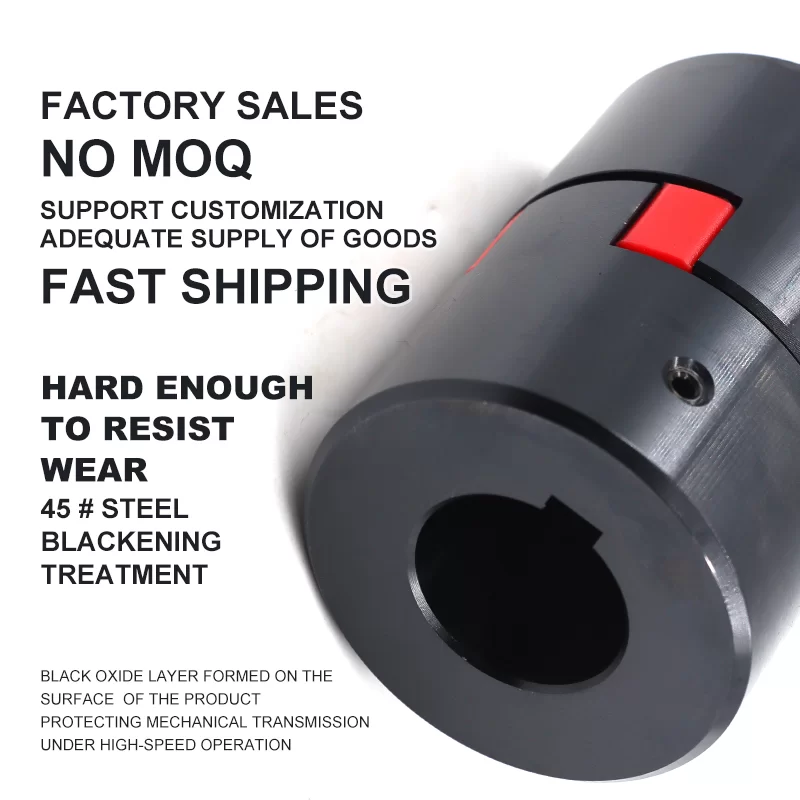
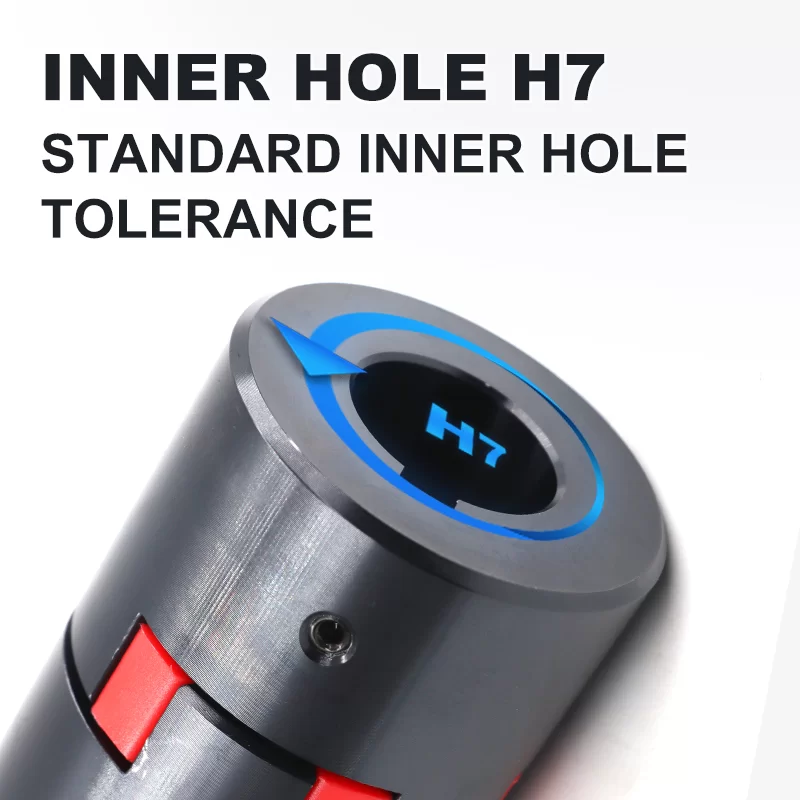
L Series Elastic Jaw Coupling

Video
Description
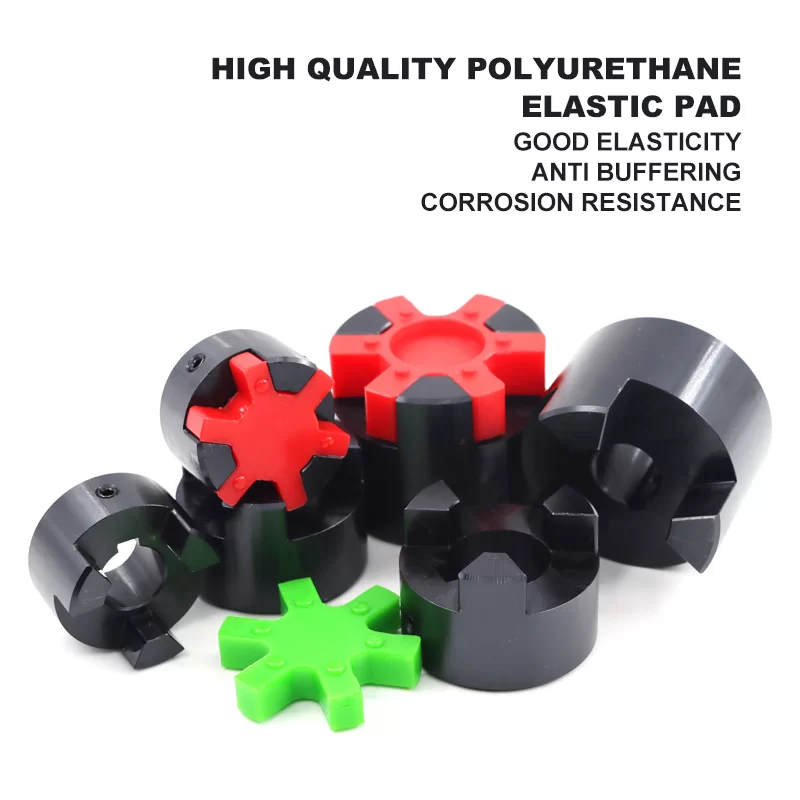
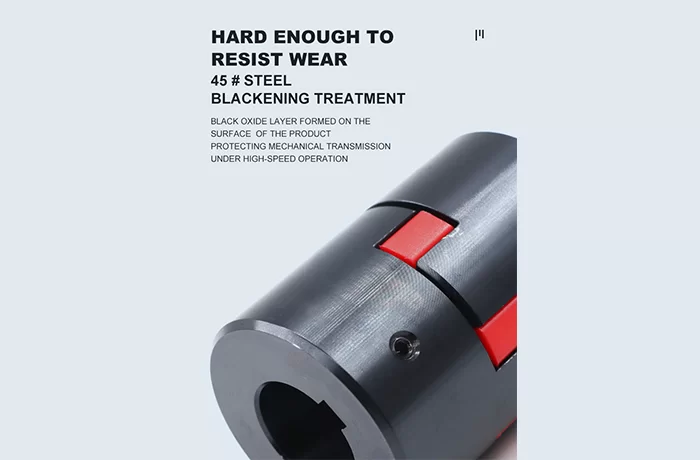
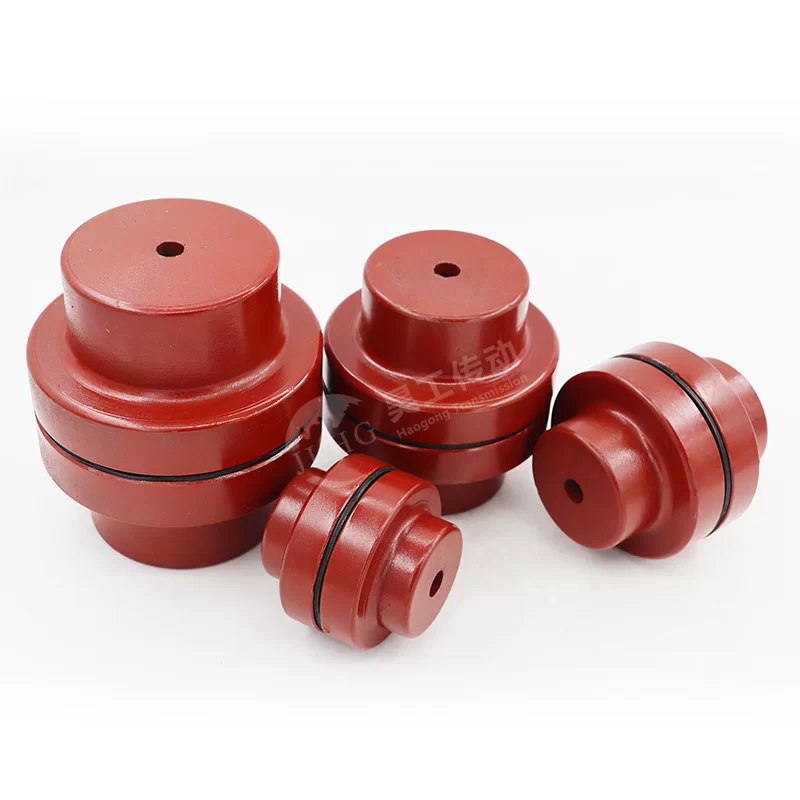
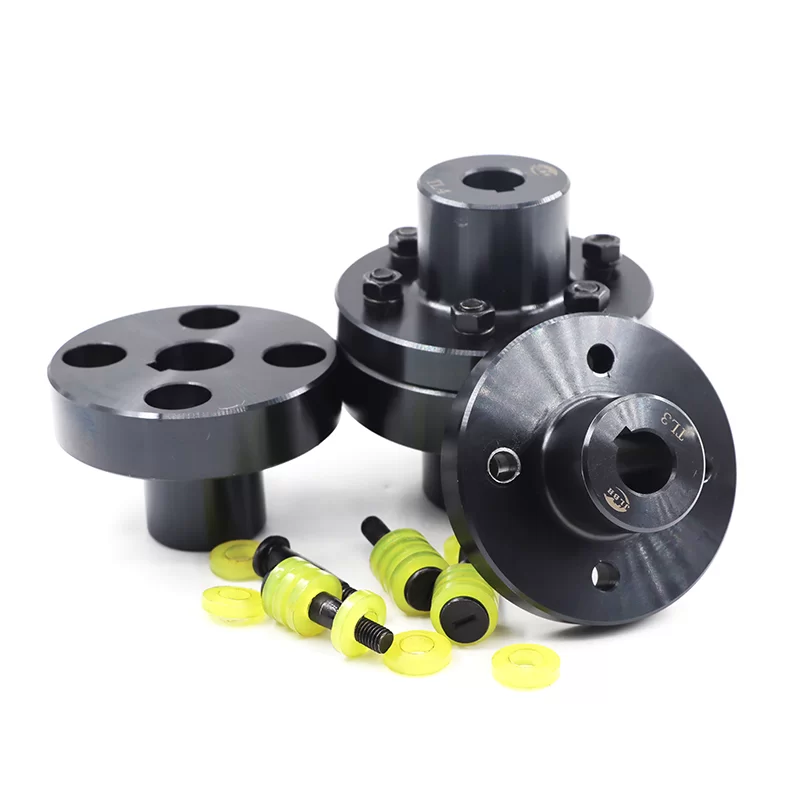
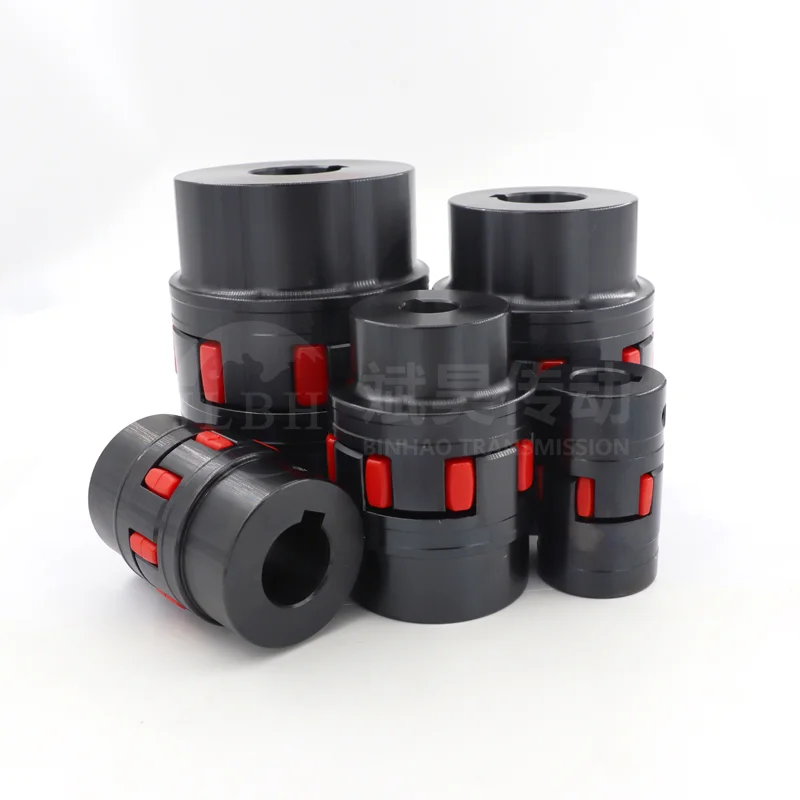
Its core structure consists of two steel hubs with protruding claws and a polyurethane elastic pad . During operation, the deformation of the elastic body is utilized to compensate for axial, radial and angular deviations. Its advantages lie in efficient buffering of vibration and shock loads (vibration reduction rate over 30%), maintenance-free operation (no lubrication required), and micro-deviation self-adaptive capability . It is particularly suitable for medium and small power (torque range 2-400Nm) scenarios that require frequent starts and stops or have slight centering errors. Such as servo motors, air compressors, hydraulic equipment, small pumps and valves, and transmission systems for automated production lines.
Product Features
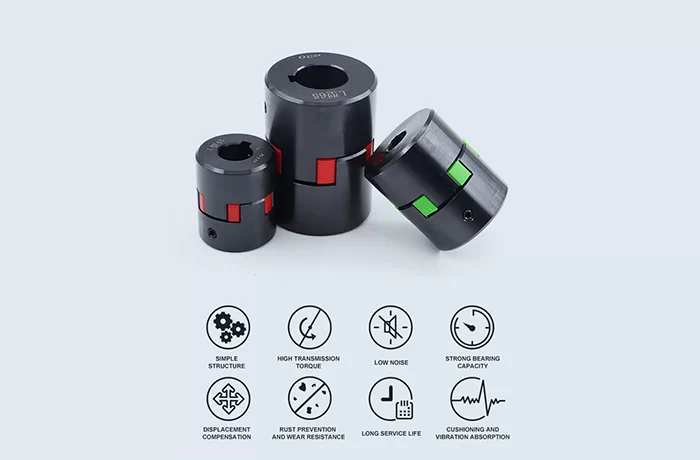
1.Claw structure
Elastic buffer: Built-in polyurethane/rubber elastomer absorbs shock and vibration, protecting the equipment shaft system.
Youdaoplaceholder0 torsional load distribution: The three-jaw design evenly disperses the torque and reduces local stress.
2.Maintenance-free maintenance
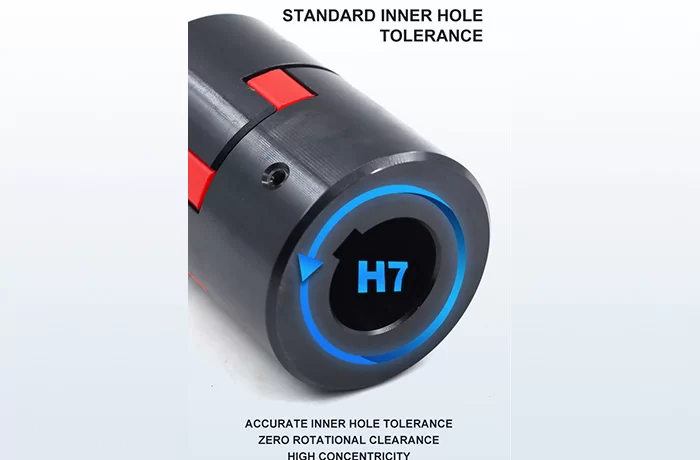
There is no metal contact friction, no need to add lubricating oil, and it reduces operation and maintenance costs.
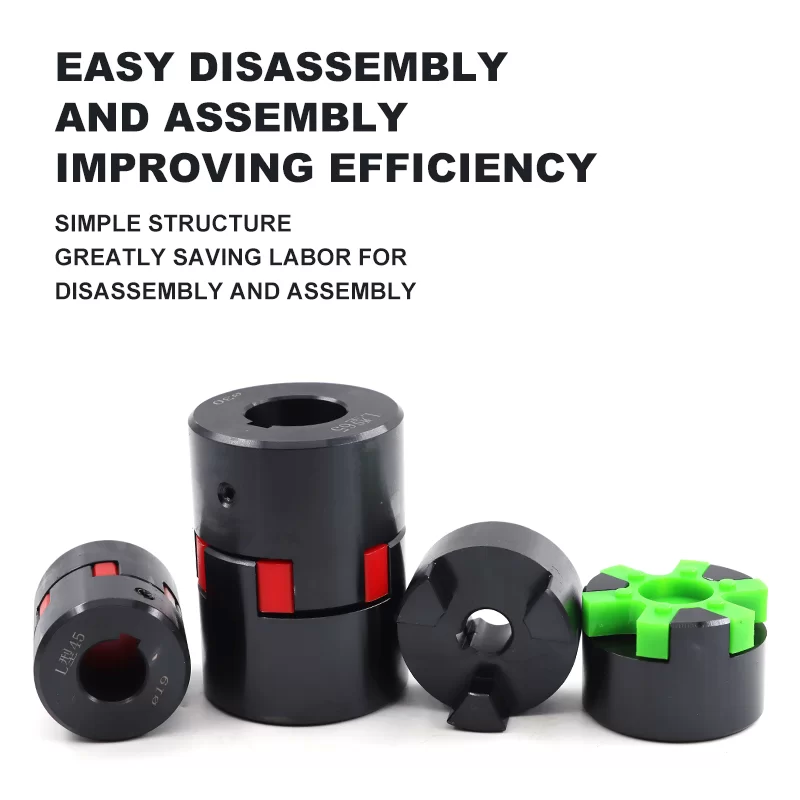
3.Modular design
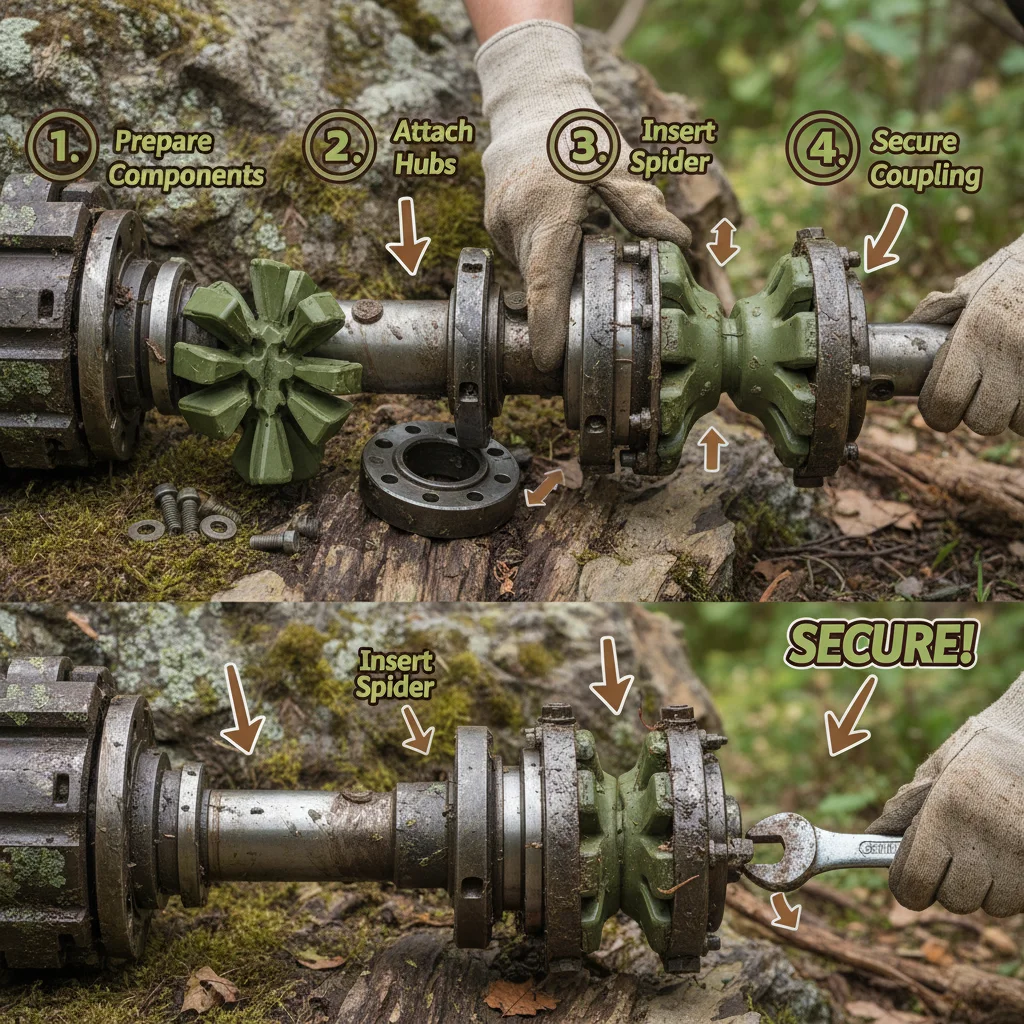
The Hubs and elastomers can be replaced independently. The replacement only takes 10 minutes, without the need for axial movement of equipment, significantly improving maintenance efficiency.
4.High compensation capacity
radial/angular deviation compensation: Supports radial offset ≤0.38mm and angular deviation ≤1° (specific values vary by model).

5.Wide applicability
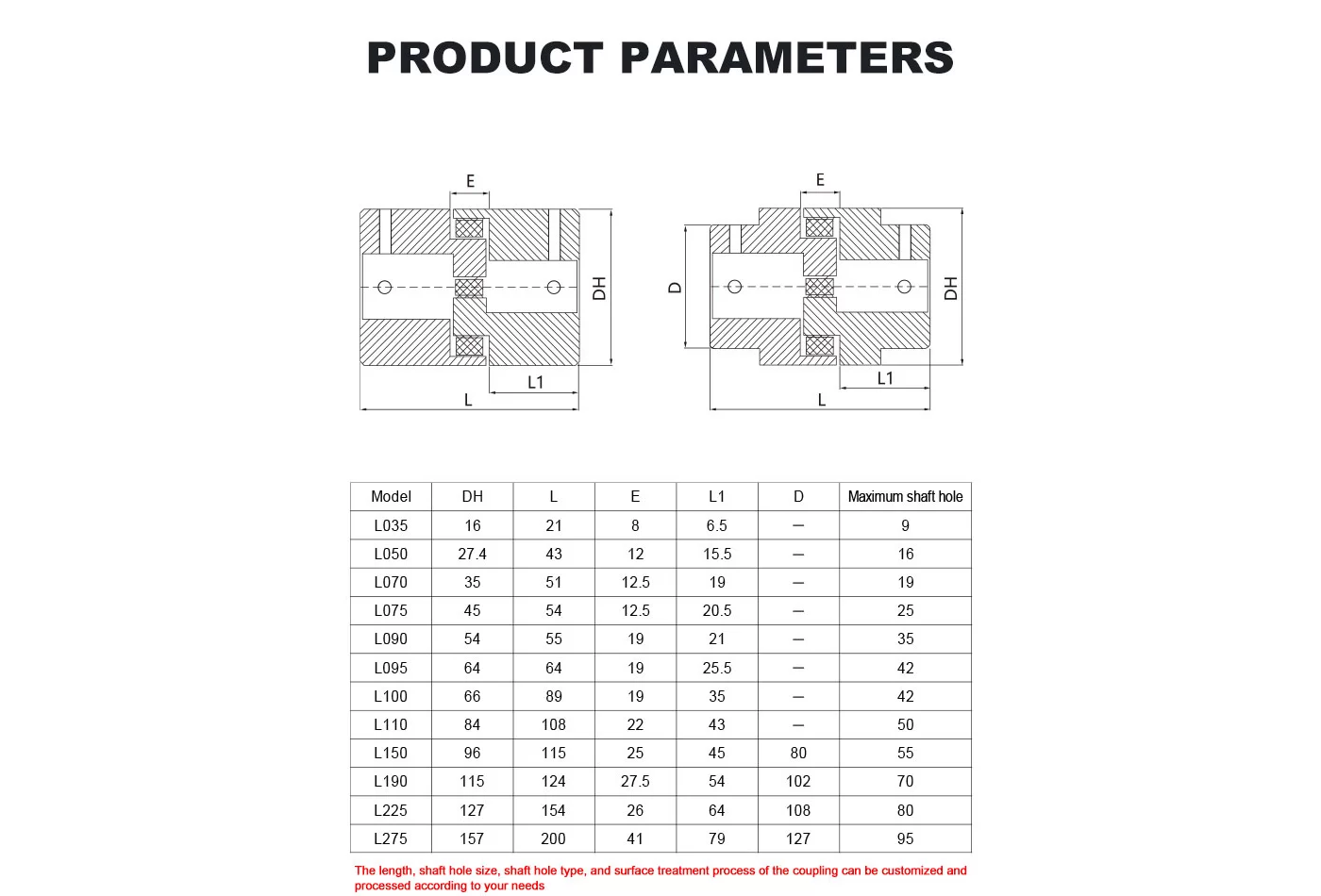
Compatible with rotating equipment such as motors, pumps, fans and compressors, covering a speed of ≤4000 RPM and a torque of ≤900 Nm (taking L110 as an example).
Product Parameters
Apr 23, 26
Industrial Shaft Coupling Solutions for Power Transmission Efficiency
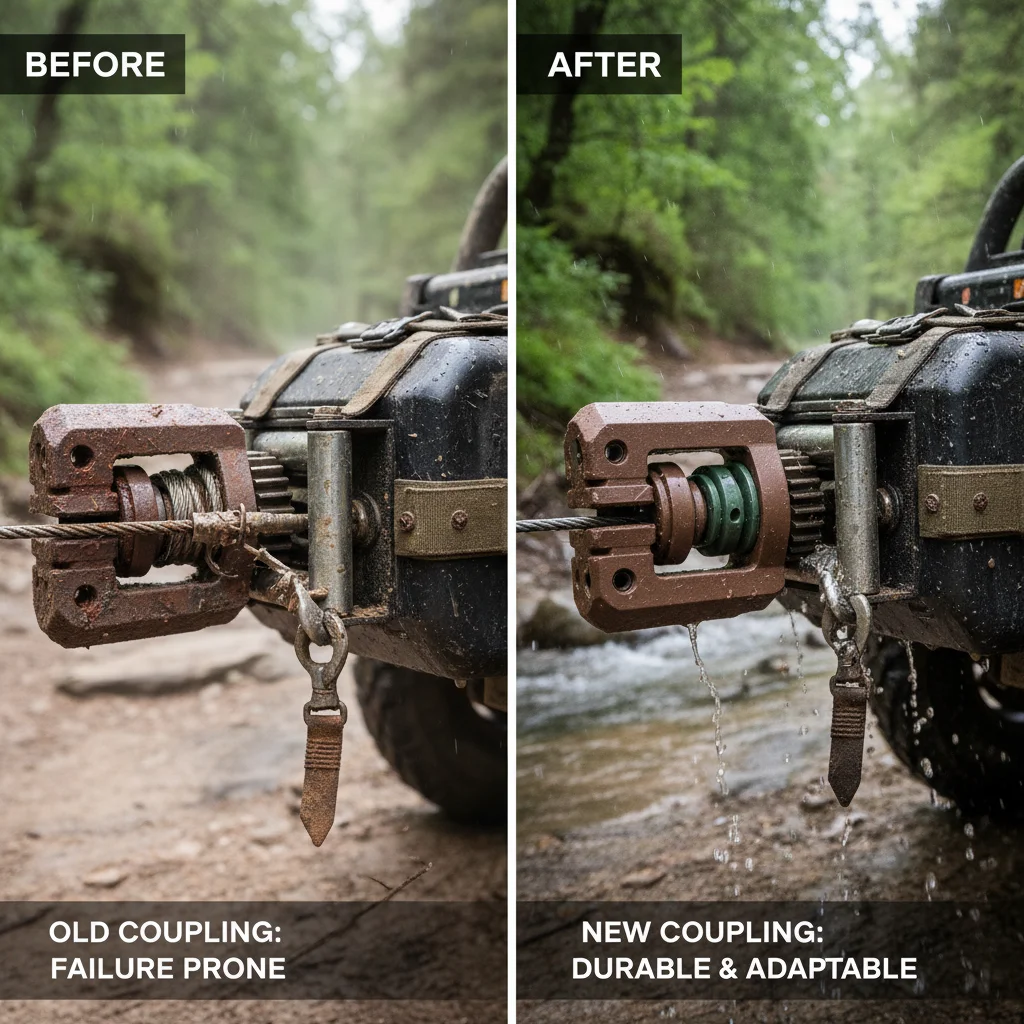
In the intricate world of mechanical power transmission, the shaft coupling serves as the unsung hero, ensuring that rotational energy is transferred efficiently from a prime mover to a driven machine. Without a precise connection, the alignment discrepancies and vibrational stresses inherent in industrial machinery would lead to catastrophic bearing failures and unplanned downtime. Understanding the nuances of these components is not just a technical necessity but a commercial imperative for maintaining operational continuity. Globally, the demand for high-performance coupling solutions is surging as industries shift toward higher precision and energy efficiency.
Apr 22, 26
Industrial Jaw Coupling Guide for Mechanical Power Transmission
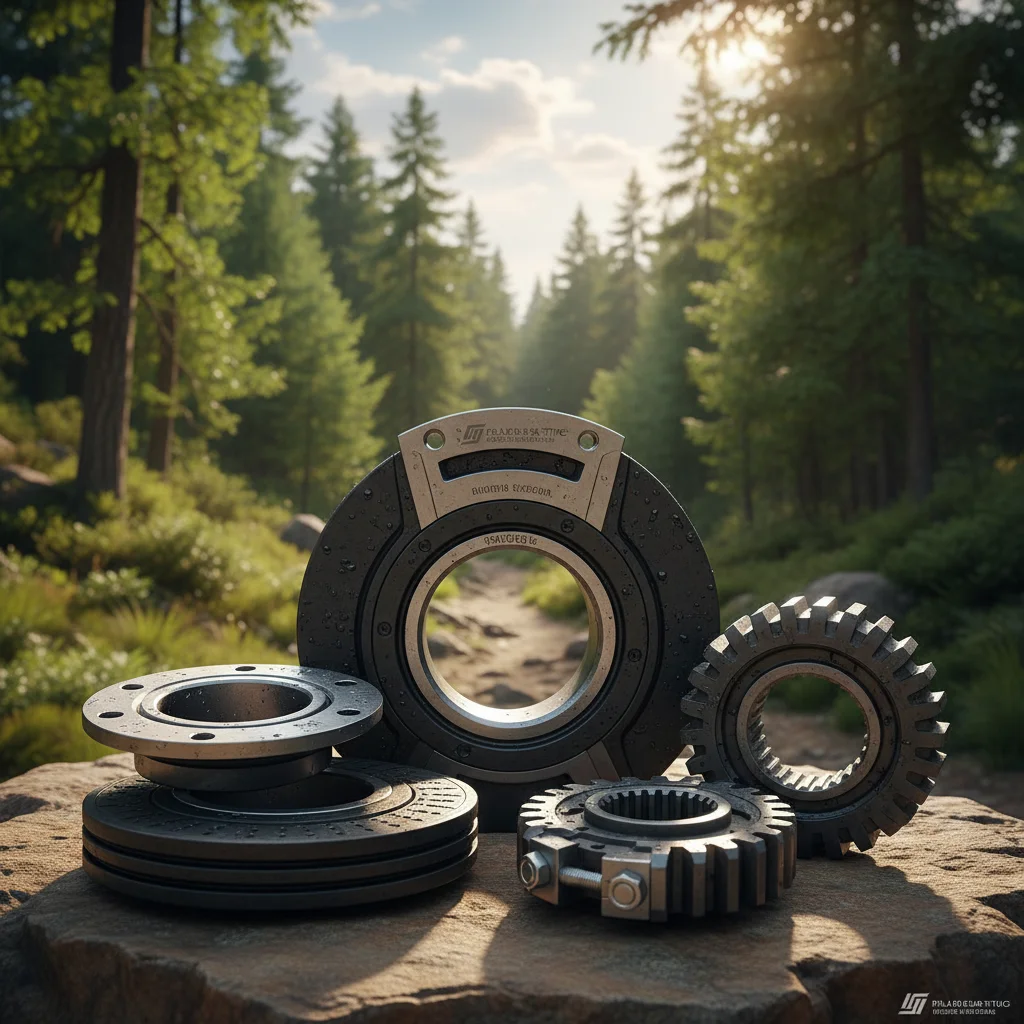
In the intricate world of mechanical power transmission, the jaw coupling serves as a fundamental component that ensures the seamless transfer of torque between two shafts while mitigating the destructive effects of misalignment. By utilizing a flexible spider element, these couplings provide a critical buffer that protects expensive motors and gearboxes from premature wear and catastrophic failure. Globally, the demand for reliable coupling solutions has surged as industrial automation and precision manufacturing become the standard across the automotive, textile, and packaging sectors. Understanding the nuances of jaw coupling technology is not merely a technical requirement but a strategic advantage for engineers
Apr 17, 26
Industrial Guide to Different Elastomeric Coupling Types
In the demanding world of industrial power transmission, selecting the right coupling is critical to maintaining machinery health and operational uptime. Understanding the various elastomeric coupling types is essential for engineers and maintenance managers who seek to eliminate vibration, compensate for misalignment, and protect expensive motors from shock loads. Unlike rigid couplings, elastomeric versions utilize flexible polymer or rubber elements to absorb energy and dampen oscillations. This flexibility not only extends the lifespan of bearings and seals but also enhances the overall safety of the mechanical system by preventing catastrophic failure during sudden torque spikes.


