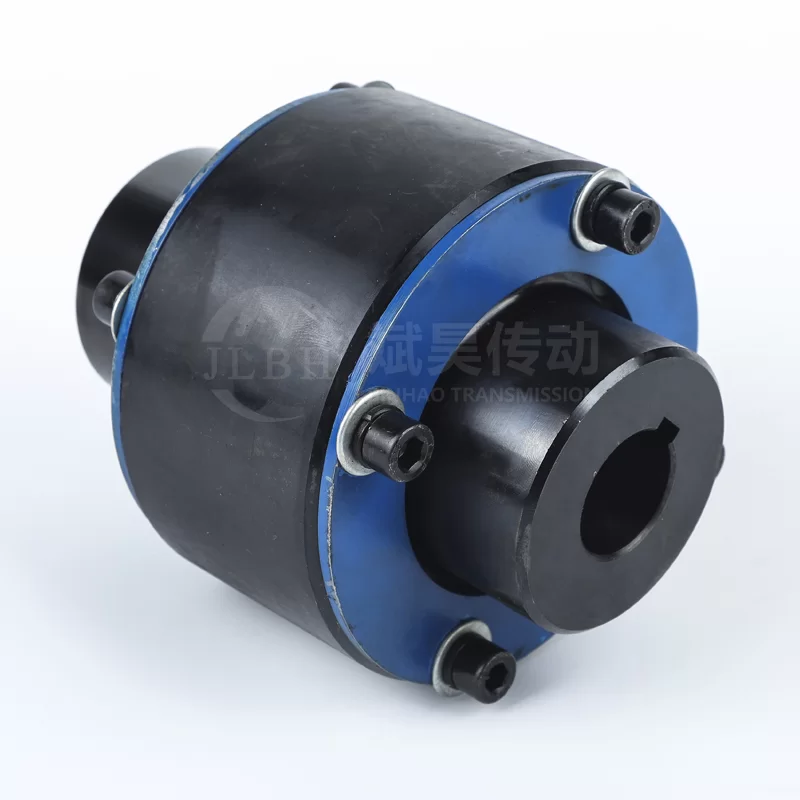
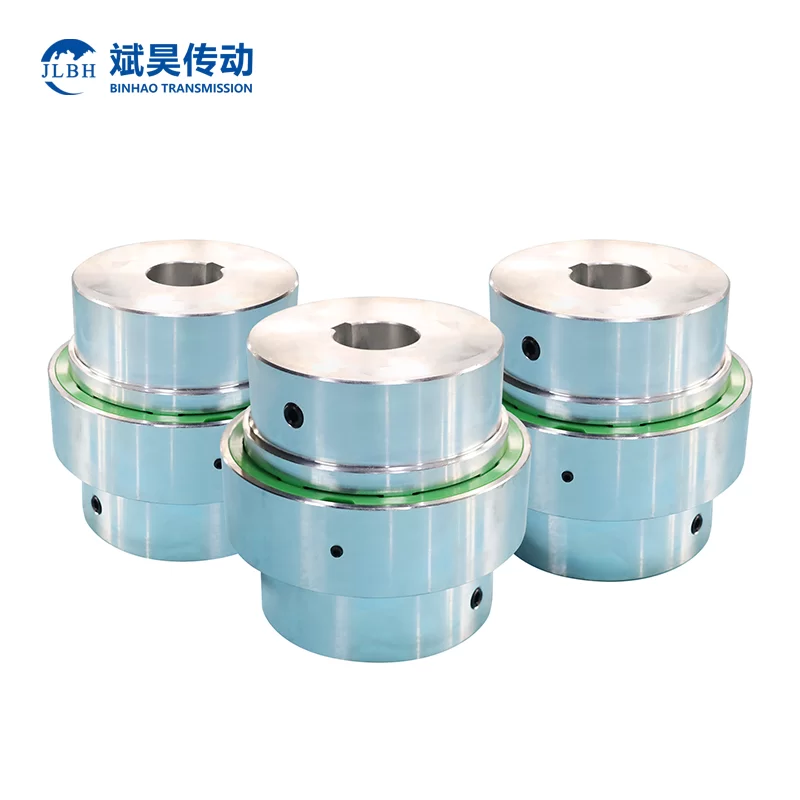
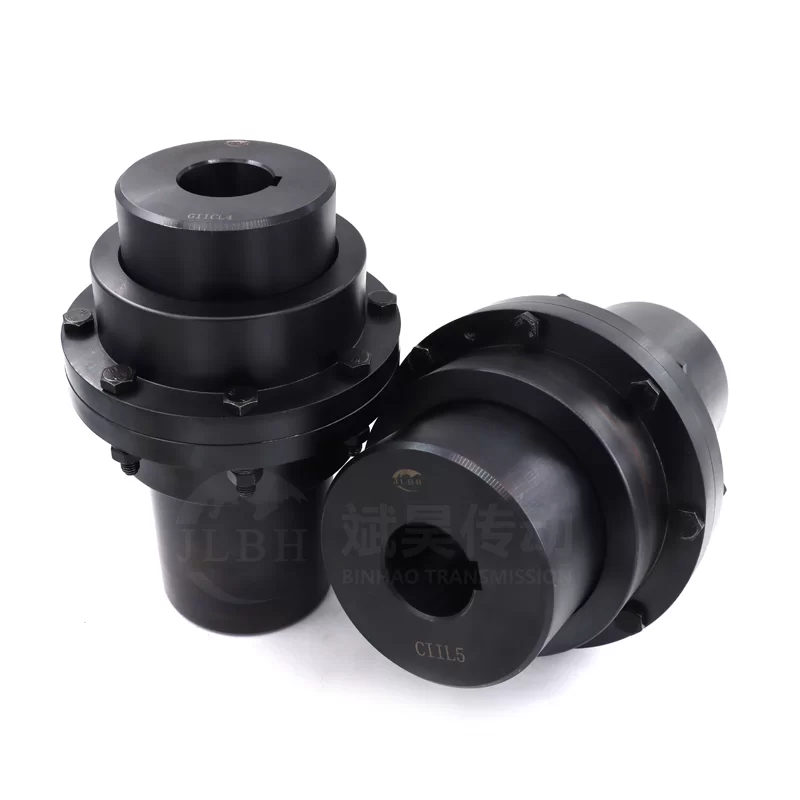
Tracing the development of coupling solutions from traditional to modern approaches.
Market Development History
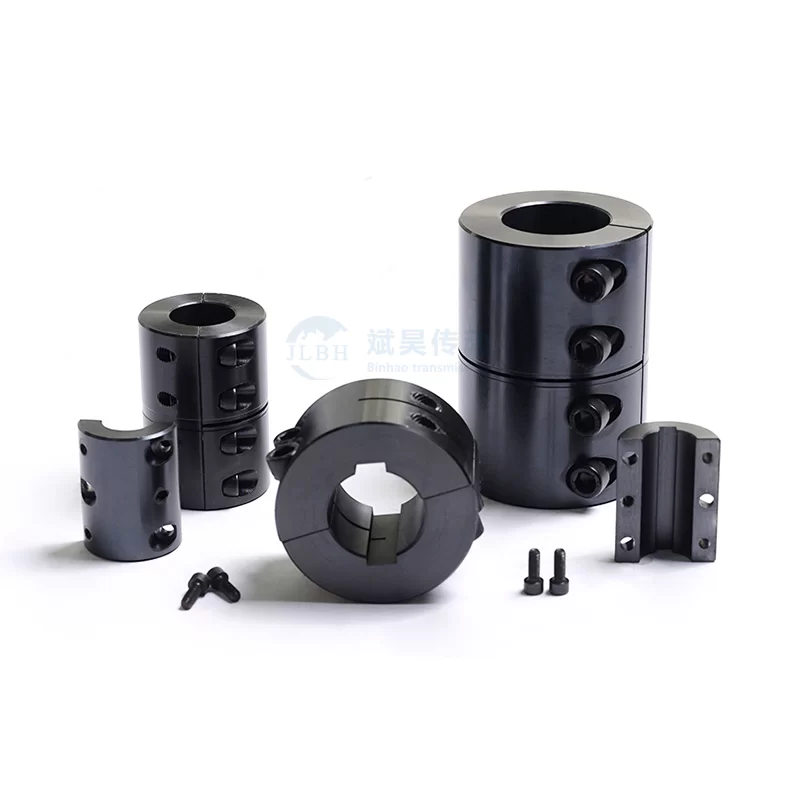
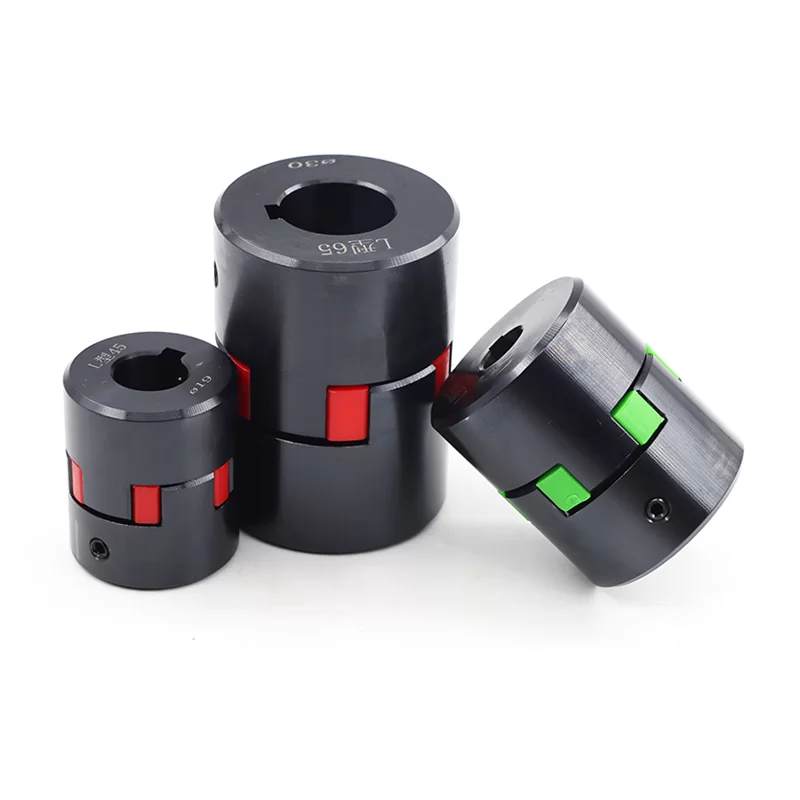
Historically, South Korean industries relied heavily on simpler, less precise couplings. From the 1970s-1990s, jaw couplings and gear couplings were dominant. However, the rapid growth of precision manufacturing in the late 1990s and early 2000s spurred the demand for more sophisticated solutions.
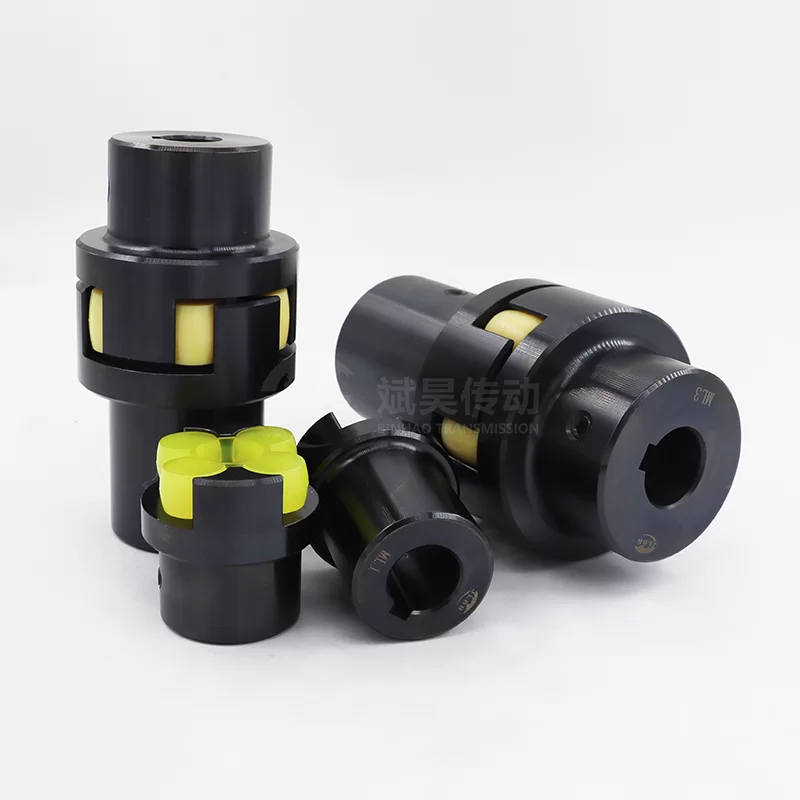
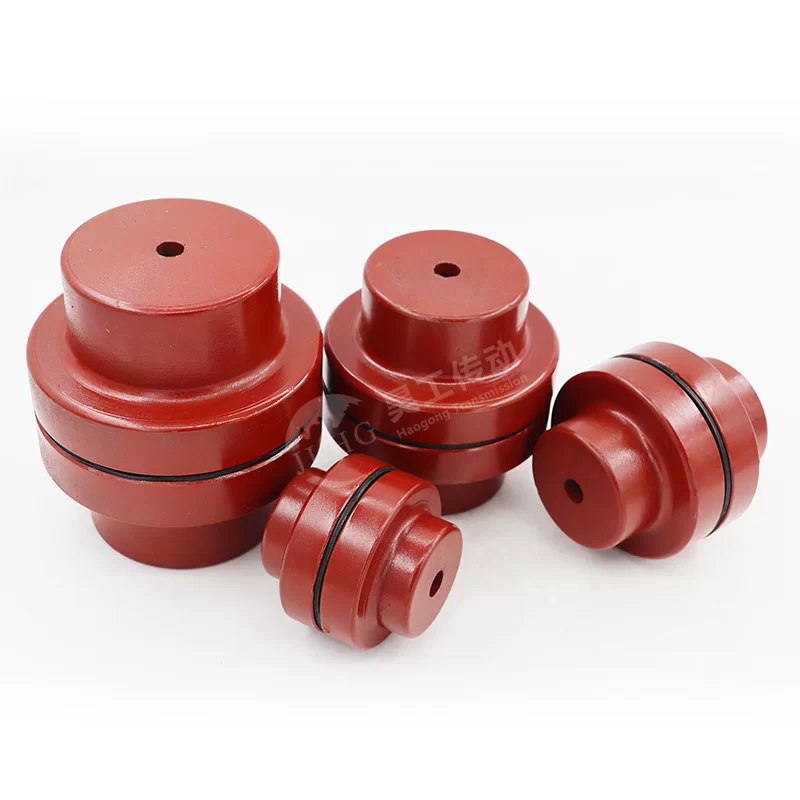
The early 2010s saw increased adoption of elastic pin coupling and disc couplings, driven by the need for increased torsional stiffness and zero-backlash performance in robotics and automation. This shift was further accelerated by advancements in materials science and manufacturing processes.
Today, the market is moving towards smart couplings with integrated sensors for condition monitoring and predictive maintenance. This reflects South Korea's leadership in Industry 4.0 and smart factory initiatives.
Future Development Trends
High-Precision Couplings for Robotics
The ongoing expansion of the robotics industry in South Korea will fuel demand for high-precision, zero-backlash couplings. Google Trends data indicates a consistent increase in searches for “robotic couplings” and “precision couplings” in the region.
Smart Couplings with IoT Integration
The integration of sensors and IoT connectivity into couplings will become increasingly common, enabling remote monitoring, predictive maintenance, and improved operational efficiency. Data suggests growing interest in "remote condition monitoring" and "predictive maintenance solutions."
Lightweight and Compact Designs
Demand for lightweight and compact couplings will rise as manufacturers seek to reduce the size and weight of their equipment. This is particularly relevant in the automotive and aerospace industries.