


L Series Elastic Jaw Coupling China Factory and Professional Suppliers

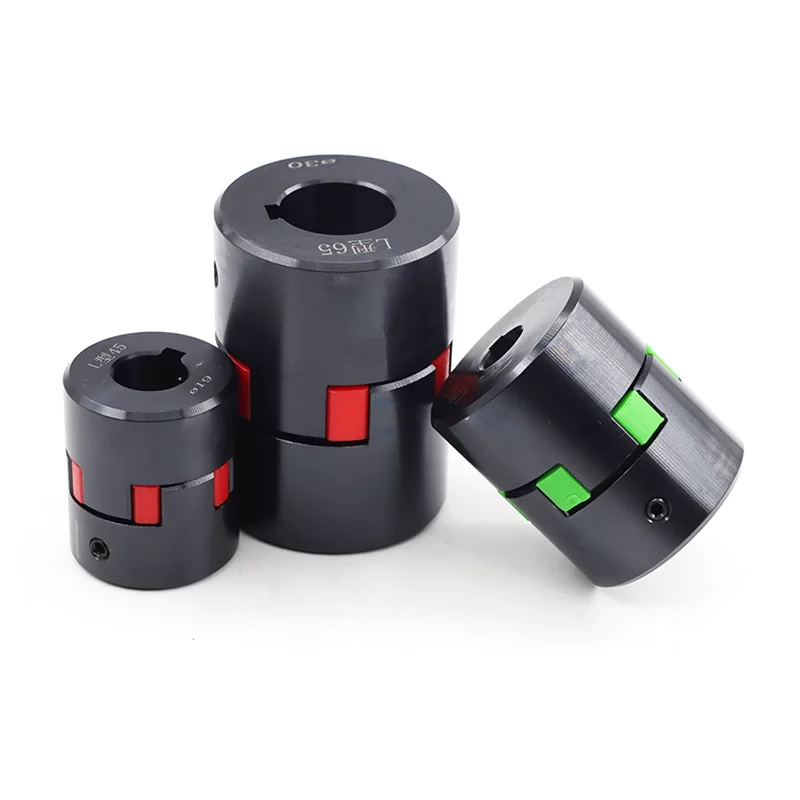
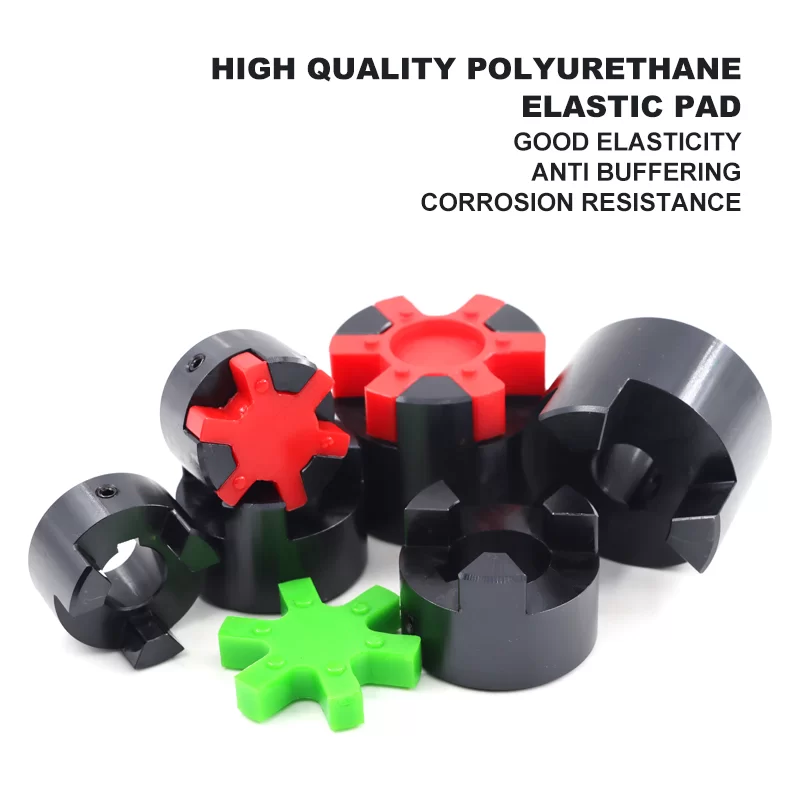
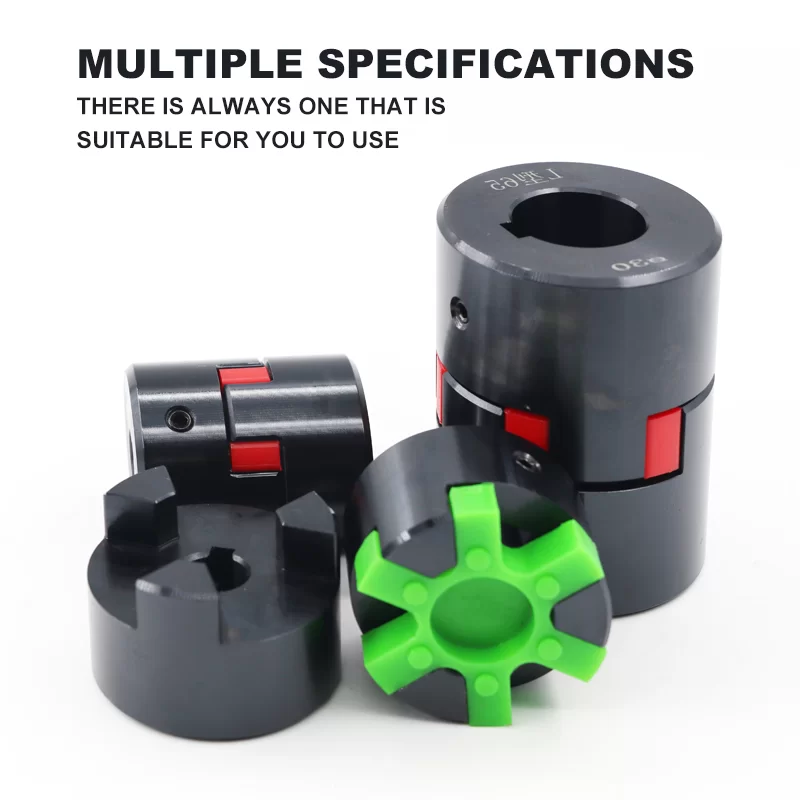
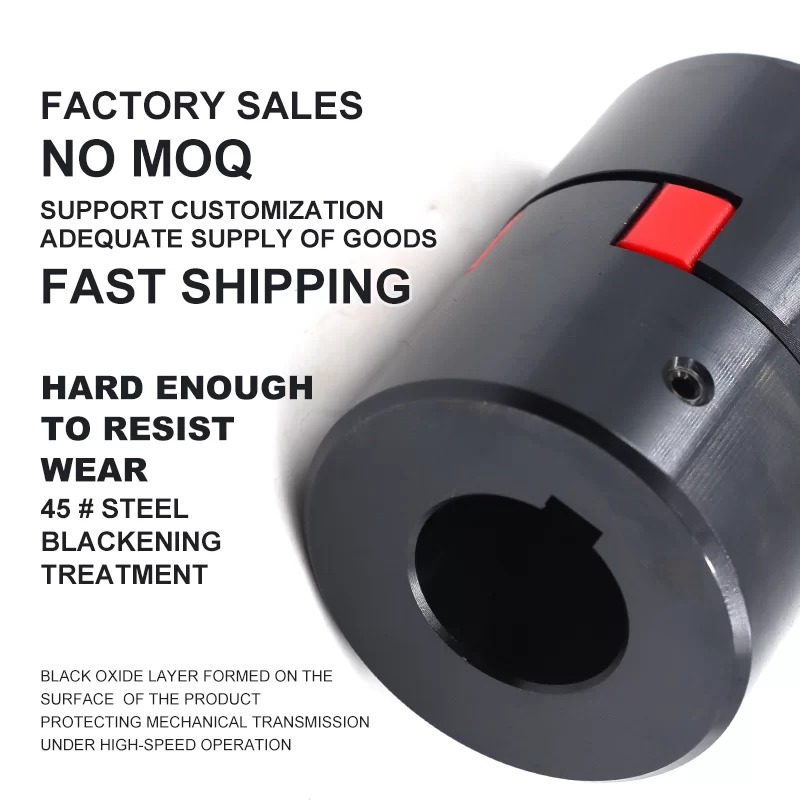
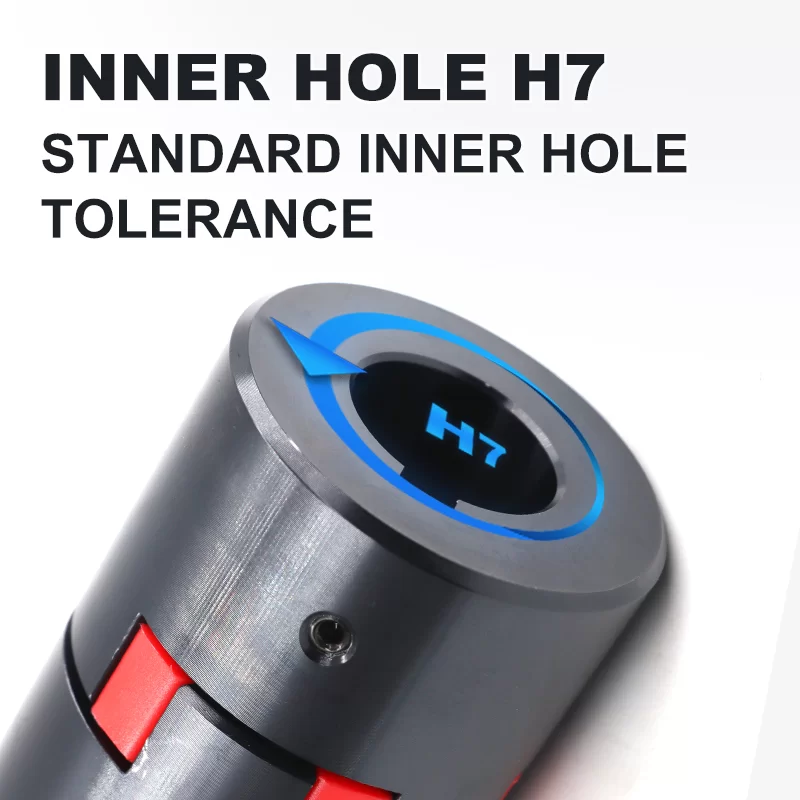
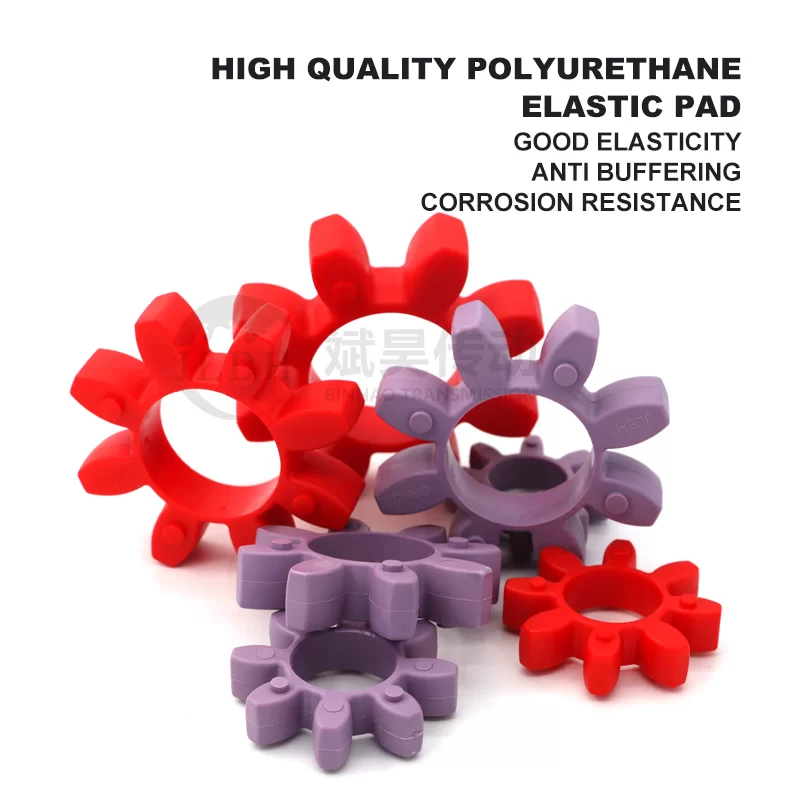
The L Series Elastic Jaw Coupling is a high-performance transmission component engineered for precision and durability. Featuring a sophisticated core structure of two steel hubs with protruding claws and a high-grade polyurethane elastic pad, this coupling is specifically designed to compensate for axial, radial, and angular deviations during operation, ensuring seamless power transmission in demanding industrial environments.
Optimized for medium and small power applications with a torque range of 2-400Nm, the L Series excels in scenarios requiring frequent start-stop cycles or those with inherent slight centering errors. By utilizing the deformation of the elastic body, it achieves a vibration reduction rate of over 30%, making it an ideal choice for servo motors, air compressors, hydraulic equipment, and automated production line transmission systems.
Detailed Parameters
| Torque Range | 2 - 400 Nm (Standard) / Up to 900 Nm (L110) | Max Speed | ≤ 4000 RPM |
|---|---|---|---|
| Radial Offset | ≤ 0.38 mm (Model dependent) | Angular Deviation | ≤ 1° (Model dependent) |
| Vibration Reduction | Over 30% Reduction Rate | Lubrication | Maintenance-Free (No oil required) |
| Core Material | High-Strength Steel Hubs | Elastic Element | Polyurethane / Rubber Elastomer |
| Application Focus | Medium & Small Power Equipment | Maintenance Time | Approx. 10 Minutes for replacement |
Key Advantages
Superior Shock Absorption
Integrated polyurethane elastomers efficiently absorb shock and vibration, protecting the equipment shaft system from premature wear.
Zero-Maintenance Design
Eliminates metal-to-metal friction, removing the need for lubricating oil and significantly lowering operational costs.
Balanced Torque Distribution
The specialized three-jaw design ensures torque is evenly dispersed, reducing local stress and increasing lifespan.
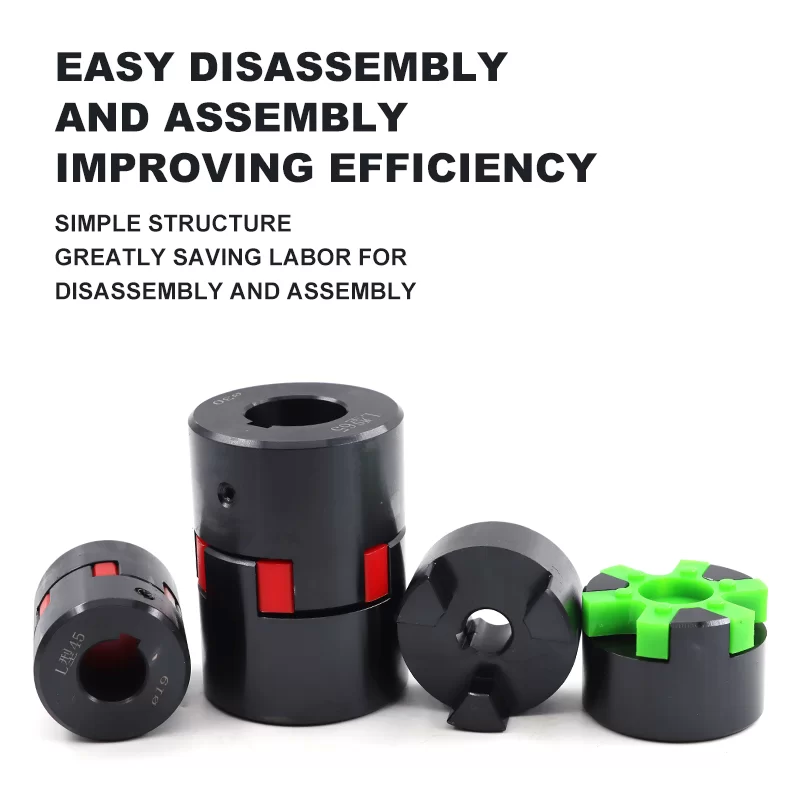
Rapid Modular Replacement
Hubs and elastomers can be replaced independently in just 10 minutes without shifting equipment axially.
High Compensation Capacity
Exceptional self-adaptive capability for radial and angular deviations, ensuring stable operation despite misalignment.
Versatile Compatibility
Perfectly compatible with motors, pumps, fans, and compressors across various industrial automation sectors.
Product Gallery
Management Platforms
Inventory Control
Modular hub and elastomer tracking for rapid replacement and reduced downtime.
Installation Guide
Standardized alignment procedures to maximize the 0.38mm radial compensation.
Vibration Monitoring
Real-time tracking of shock load reduction to ensure system stability.
Torque Optimization
Load analysis to match the optimal L-series model for torque ranges up to 900Nm.
Life-Cycle Tracking
Predictive maintenance for polyurethane pads to prevent unplanned outages.
System Integration
Seamless integration with servo motors and hydraulic pump transmissions.
Investment Return Comparison
| Metric | Traditional Couplings | L Series Elastic Jaw |
|---|---|---|
| Maintenance Cost | High (Regular Lubrication) | Zero (Lubrication-Free) |
| Replacement Time | Long (Equipment Shift) | Fast (10 Min Modular) |
| Vibration Levels | Standard Transfer | 30% Reduction Rate |
| Alignment Tolerance | Strict/Low | High (Self-Adaptive) |
| Operating Life | Limited by Friction | Extended by Polyurethane |
Frequently Asked Questions
The primary advantages include a vibration reduction rate of over 30%, maintenance-free operation as no lubrication is required, and a modular design that allows for 10-minute replacement of hubs or elastomers without moving the equipment.
It is ideal for medium and small power scenarios (2-400Nm) involving servo motors, air compressors, hydraulic equipment, small pumps, and automated production line transmissions.
Depending on the specific model, it typically supports radial offset of up to 0.38mm and angular deviation of up to 1°.
No, the L Series is designed for maintenance-free operation. Because there is no metal-to-metal contact friction, no lubricating oil is required.
Taking the L110 as an example, it can handle speeds up to 4000 RPM and torque up to 900 Nm.
Due to its modular design, the replacement of the polyurethane elastic pad typically takes only about 10 minutes, significantly improving maintenance efficiency.
Ready to Optimize Your Transmission System?
Contact Us

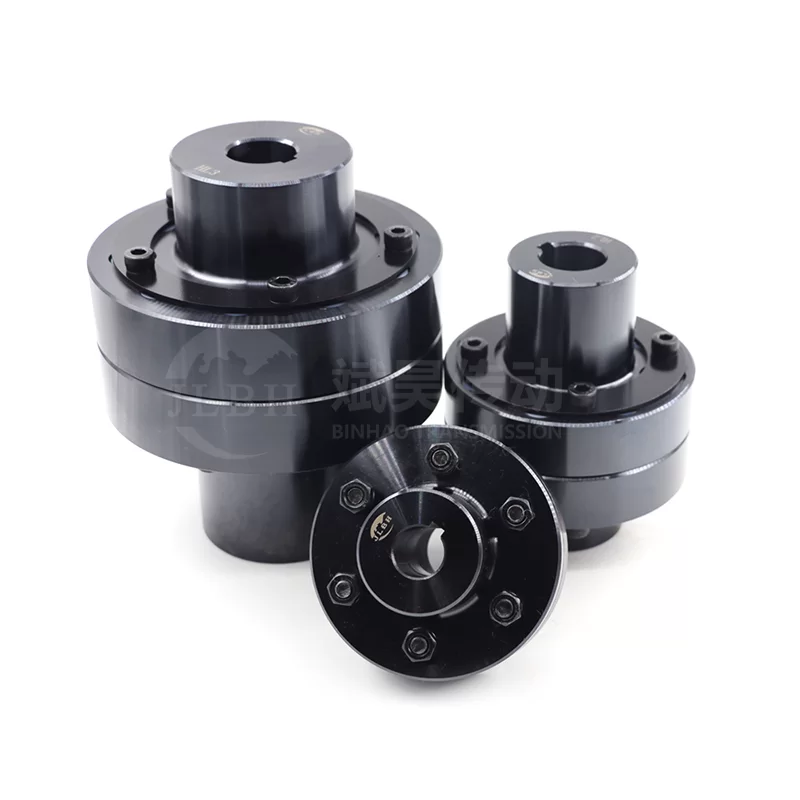


Precision in power transmission is the cornerstone of high-performance automation. When dealing with servo systems, CNC equipment, or 3D printing modules, the slightest rotational clearance can lead to significant positioning errors and accelerated component wear. The aluminum alloy double diaphragm coupling is engineered specifically to eliminate this backlash while compensating for critical alignment deviations. By leveraging the elastic deformation of stainless steel diaphragms, this component ensures a rigid yet flexible torque transfer that protects sensitive encoders and motors from axial and radial stress. For procurement managers and system engineers, selecting a reliable flexible coupling Factory means balancing torsional rigidity with lightweight construction.


