Flexible Coupling Factories: A Comprehensive Guide
In the realm of power transmission, flexible couplings play a critical role in connecting rotating shafts, accommodating misalignment, and mitigating shock loads. Choosing the right manufacturer is paramount for ensuring quality and reliability. This article explores the world of flexible coupling factories, focusing on key considerations when selecting a supplier. We'll delve into types, materials, applications, and factors that distinguish leading manufacturers. Finding the best partner ensures optimal performance and longevity of your mechanical systems.

Understanding Flexible Coupling Types
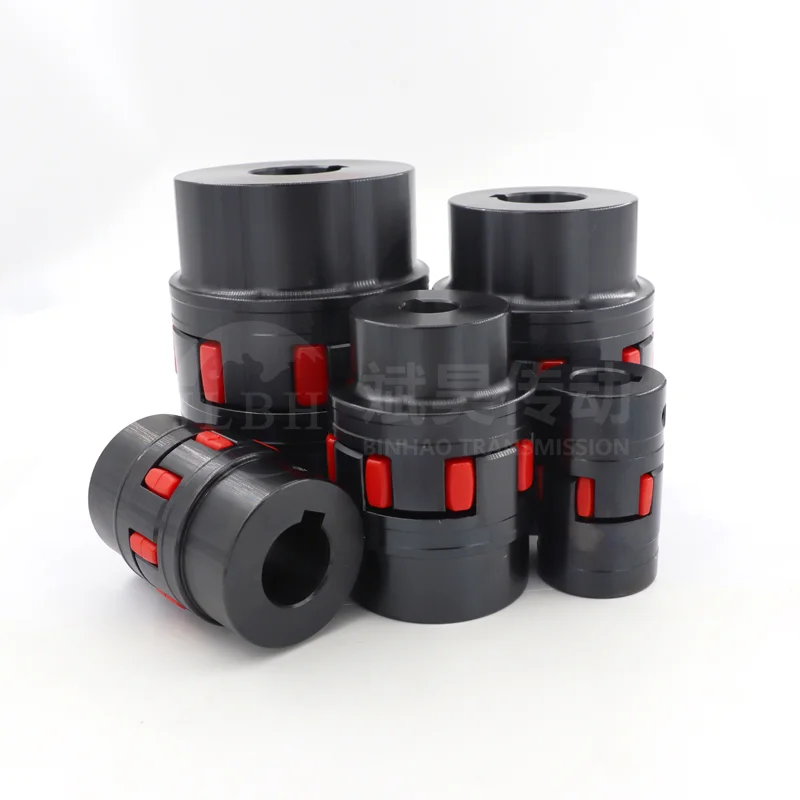
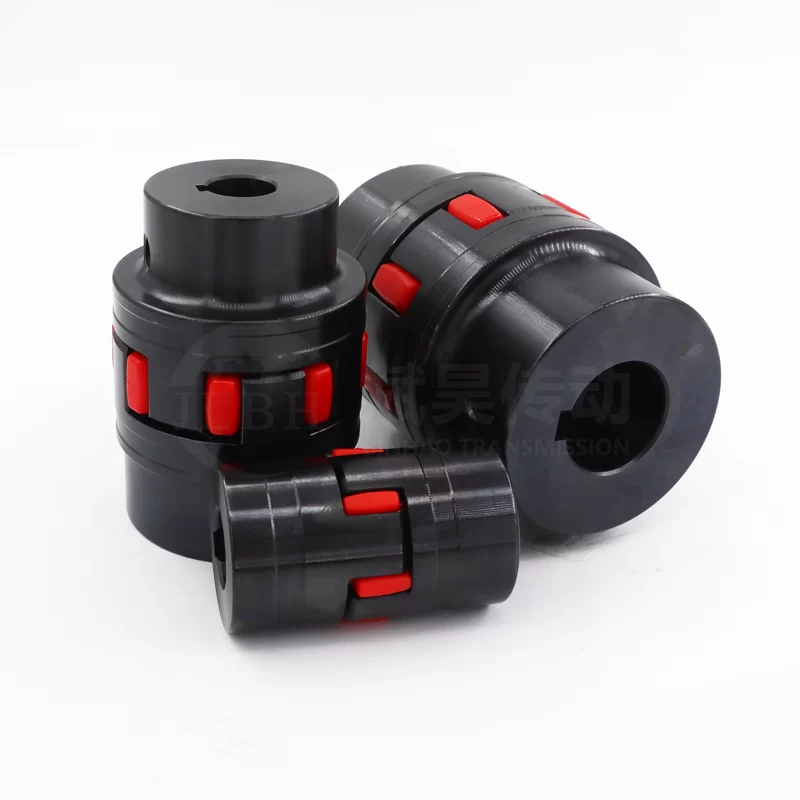
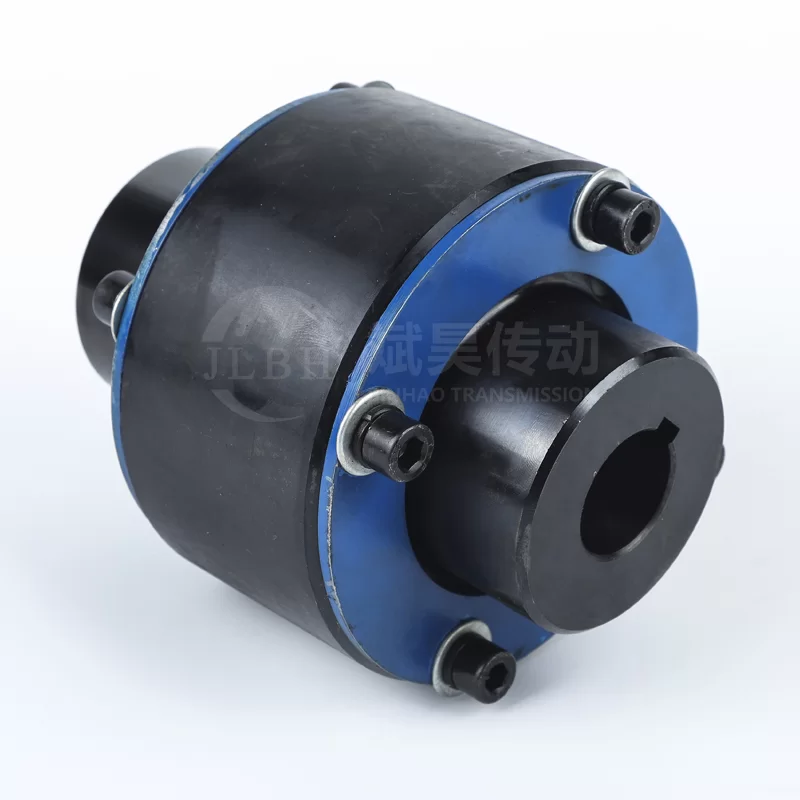
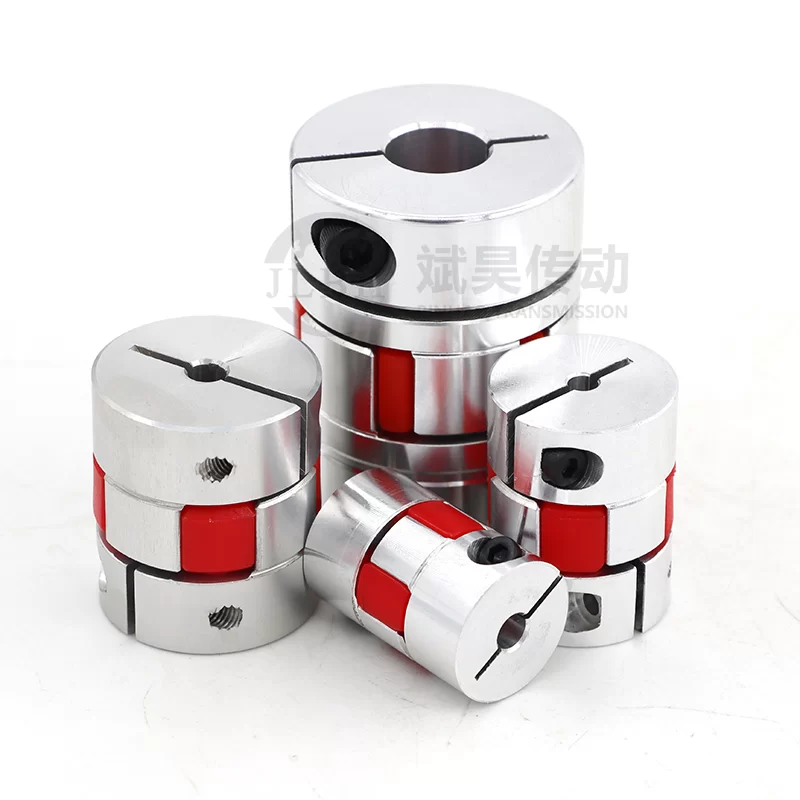
Flexible couplings come in a variety of designs, each suited for specific applications. Common types include jaw couplings, gear couplings, grid couplings, disc couplings, and bellows couplings. Jaw couplings are cost-effective and good for light-duty applications. Gear couplings are robust and can handle high torque, but require precise alignment. Grid couplings offer excellent shock absorption. Disc couplings are known for their torsional stiffness and zero backlash. Bellows couplings provide high precision and accommodate significant misalignment. The choice depends on factors like torque requirements, speed, misalignment expectations, and environmental conditions. Selecting a factory that can offer a broad range of coupling types is a significant advantage.
Key Considerations: Different coupling types offer varying levels of torque capacity, misalignment accommodation, and damping characteristics. Understanding your application’s needs is crucial for selecting the appropriate coupling.
Materials Used in Flexible Coupling Manufacturing
The materials used in flexible coupling manufacturing significantly impact performance and longevity. Common materials include steel (various grades), stainless steel, aluminum, and polymers (like polyurethane and rubber). Steel provides high strength and durability, making it suitable for heavy-duty applications. Stainless steel offers corrosion resistance, ideal for harsh environments. Aluminum is lightweight and suitable for high-speed applications. Polymers provide damping characteristics and are often used in jaw couplings and grid couplings. A reputable flexible coupling factory will offer a range of material options to meet diverse application needs.
Material Selection Guide:
• Steel: High strength, durability, cost-effective.
• Stainless Steel: Corrosion resistance, suitable for harsh environments.
• Aluminum: Lightweight, high-speed applications.
• Polymers: Damping, shock absorption, lower torque applications.
Flexible Coupling Factories: Key Considerations for Selection
Selecting the right flexible coupling factory requires careful consideration. Factors include manufacturing capabilities, quality control processes, certifications (like ISO 9001), customization options, lead times, and pricing. A factory with advanced machining equipment, rigorous quality testing, and a commitment to customer satisfaction is essential. The ability to provide customized solutions to meet specific application requirements is also a significant advantage. Don't hesitate to request samples and conduct thorough due diligence before making a decision.
Applications of Flexible Couplings Across Industries
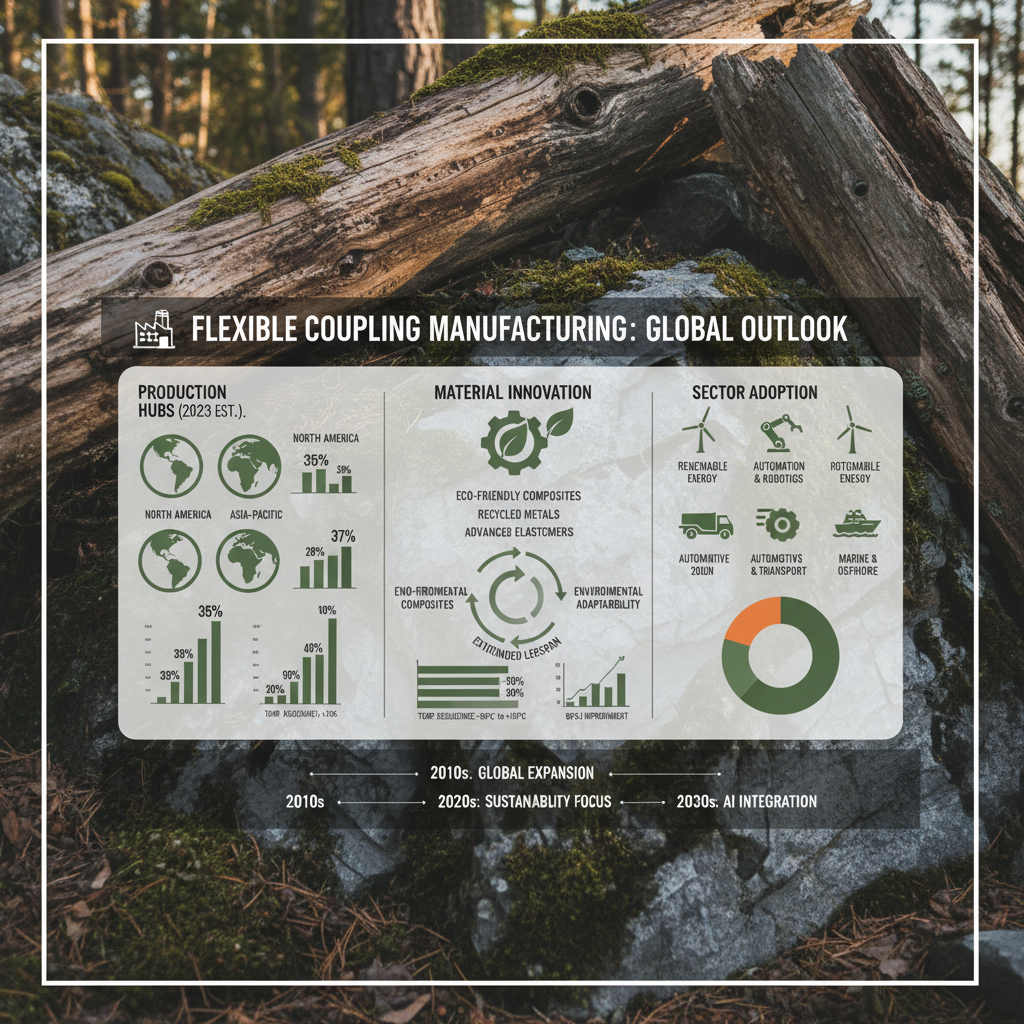
Flexible couplings are used extensively across diverse industries. In manufacturing, they connect motors to pumps, fans, and conveyors. In automotive, they link engines to transmissions. Aerospace applications utilize them in auxiliary power units. Oil and gas industries employ them in pumps and compressors. Power generation utilizes them in turbines and generators. The versatility of flexible couplings makes them indispensable components in countless mechanical systems. Binhaocoupling serves a variety of these industries with high-quality solutions.
Flexible Couplings: Specifications and Standards
Key specifications to consider when selecting flexible couplings include torque capacity, bore size, maximum speed, and operating temperature range. Couplings must adhere to relevant industry standards such as ISO, DIN, and ANSI. Proper specification ensures optimal performance and safety. Understanding these parameters is crucial for effective coupling selection and system integration. A reliable factory will provide detailed specifications for each product, ensuring compliance with industry standards.
Conclusion: Partnering with a Leading Flexible Coupling Factory
Choosing the right flexible coupling factory is a critical decision that impacts the reliability and efficiency of your mechanical systems. By carefully considering factors like manufacturing capabilities, quality control, customization options, and adherence to industry standards, you can ensure a successful partnership. Investing in high-quality couplings from a reputable supplier protects your equipment, minimizes downtime, and maximizes performance.
Frequently Asked Questions (FAQs)
What is the typical lead time for custom flexible couplings?
Lead times for custom flexible couplings vary depending on the complexity of the design, material availability, and the factory's workload. Typically, lead times range from 4 to 8 weeks. However, expedited services may be available for urgent orders. It’s crucial to communicate your specific requirements and deadlines with the factory during the quoting process. Factors that influence lead time include the required bore size, coupling type, material selection, and any special features or modifications. Reputable factories will provide a realistic and accurate lead time estimate upfront.
What quality control measures do flexible coupling factories employ?
Leading flexible coupling factories implement rigorous quality control measures throughout the manufacturing process. These include material inspection, dimensional checks, non-destructive testing (NDT) like radiography and ultrasonic testing, and final inspection before shipment. Many factories are ISO 9001 certified, demonstrating their commitment to quality management systems. Quality control ensures that the couplings meet specified tolerances, material properties, and performance requirements. It's essential to inquire about the factory's quality control procedures and certifications before placing an order.
Can flexible couplings be used in corrosive environments?
Yes, flexible couplings can be used in corrosive environments, but the appropriate materials must be selected. Stainless steel, certain alloys, and specialized coatings provide excellent corrosion resistance. The specific corrosive agents present in the environment (e.g., salt water, chemicals) must be considered when choosing materials. A reputable factory can advise on the most suitable materials for your specific application and environment. Using the wrong materials can lead to premature failure and costly downtime.
What is the importance of proper alignment when using flexible couplings?
While flexible couplings are designed to accommodate some misalignment, proper alignment is still crucial for optimal performance and longevity. Excessive misalignment can lead to increased stress on the coupling, premature wear, and reduced efficiency. Following the manufacturer's alignment recommendations and using appropriate alignment tools is essential. Regular alignment checks and adjustments can help prevent problems and extend the life of the coupling and connected equipment.