Jaw Coupling Companies: A Comprehensive Guide to Selecting the Right Partner
When it comes to power transmission and motion control, selecting the right jaw coupling companies is crucial for ensuring efficiency, reliability, and longevity of your machinery. Jaw couplings are known for their ease of use, maintenance-free operation, and ability to accommodate misalignment. This article explores the key factors to consider when choosing a jaw coupling manufacturer, the benefits of working with a reputable supplier like Binhao Coupling, and the various applications these couplings serve. Understanding the market and prioritizing quality will lead to optimal performance and reduced downtime.
What are Jaw Couplings and Why Choose Them?
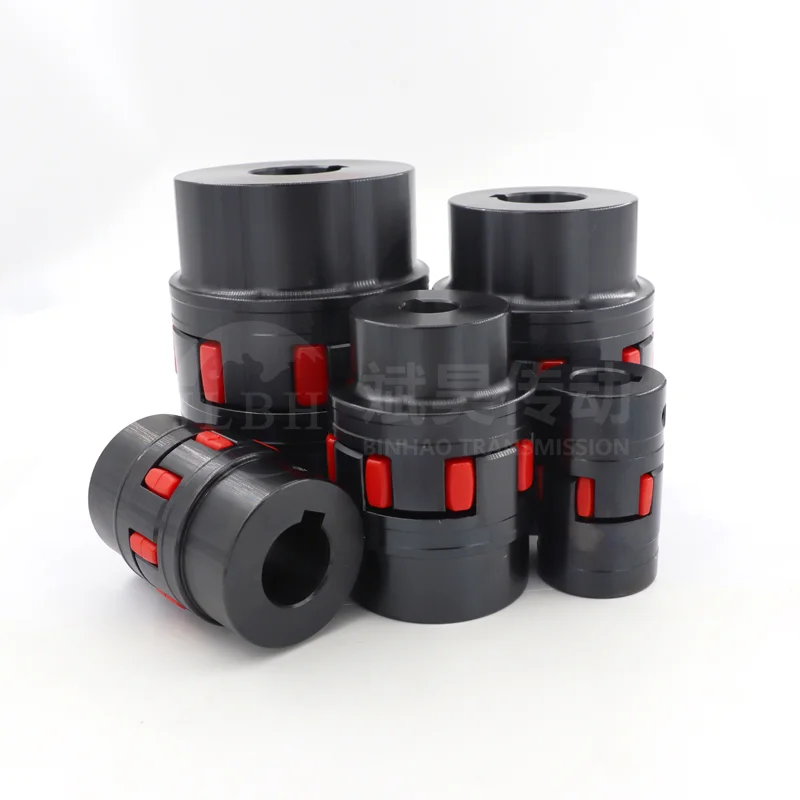
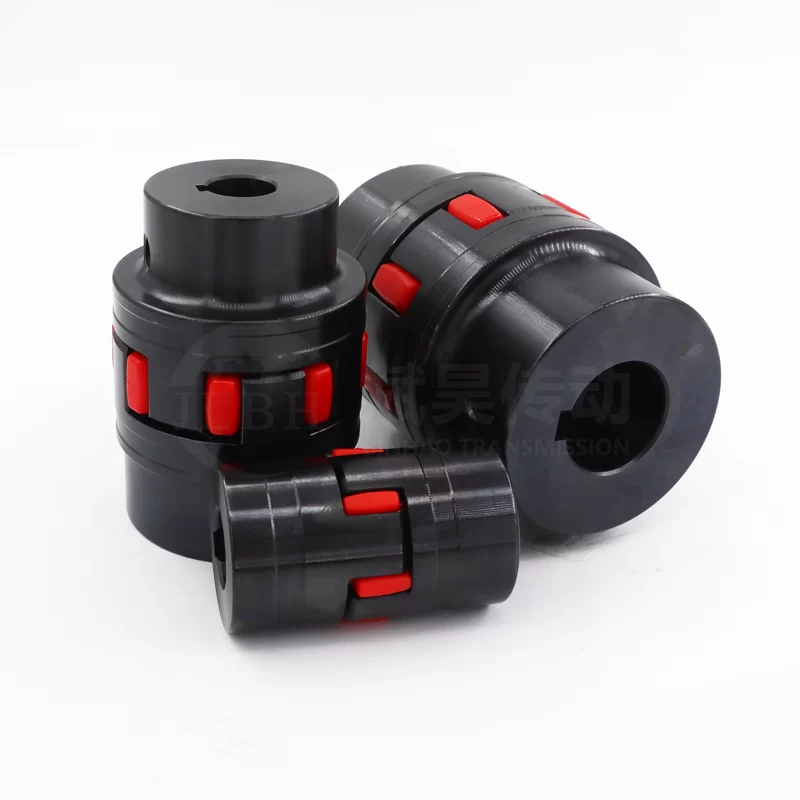
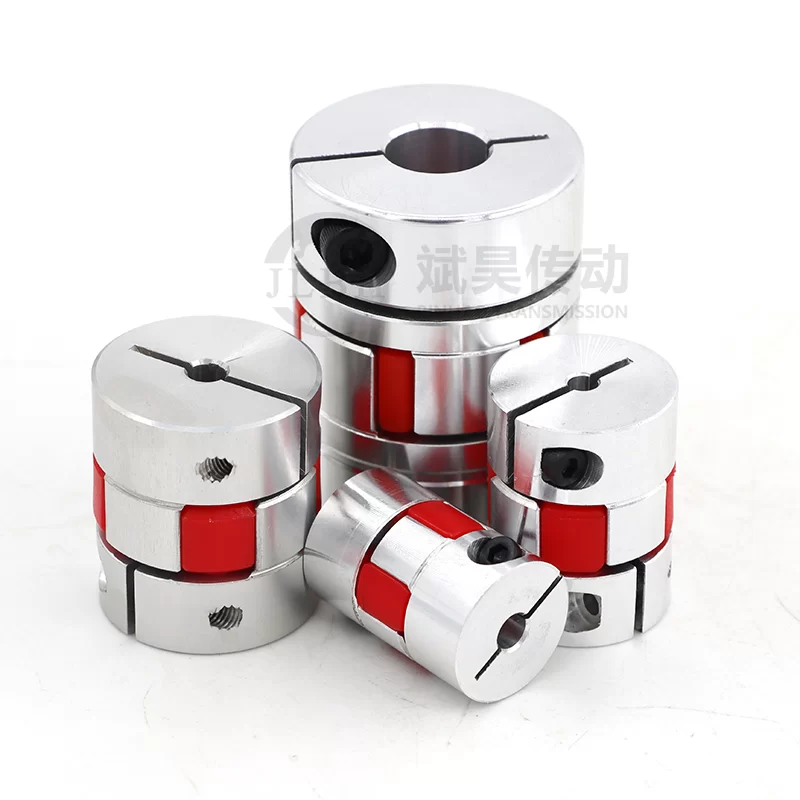
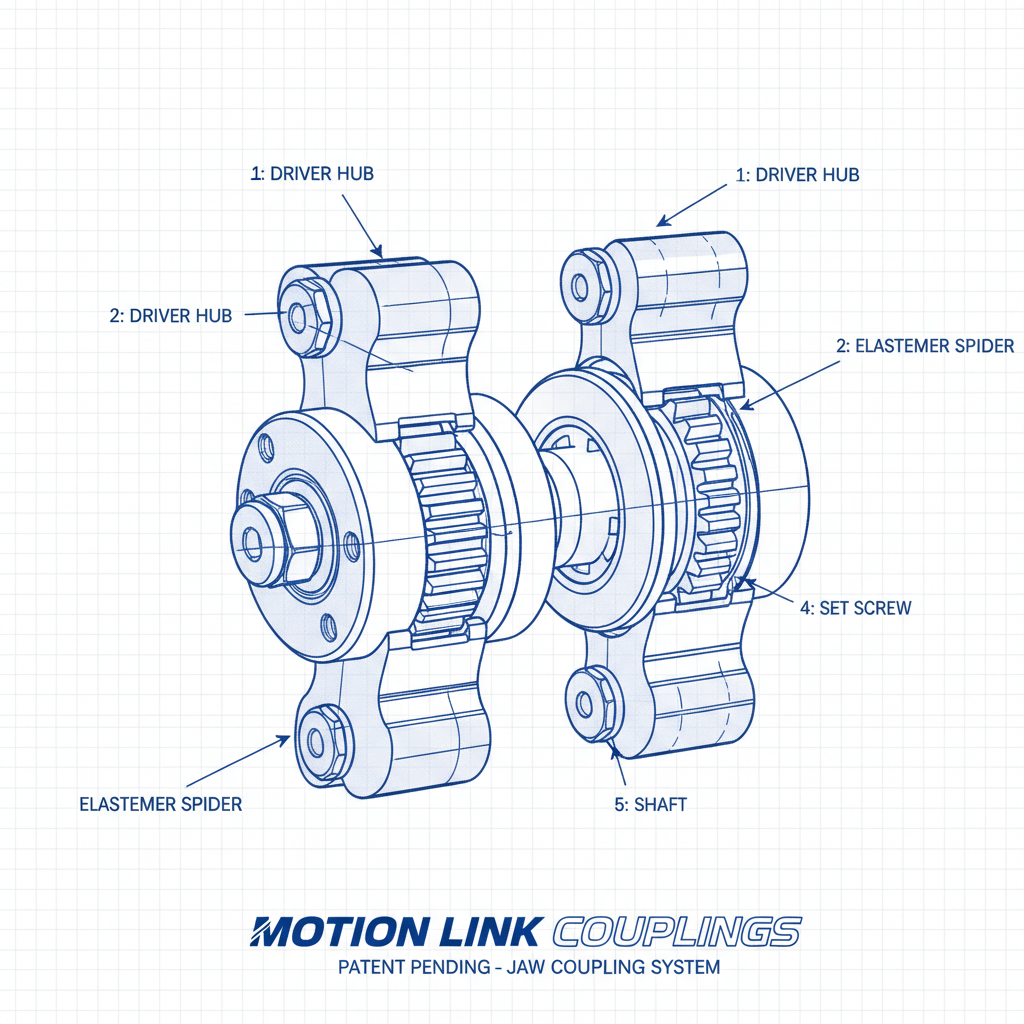
Jaw couplings are a type of flexible coupling consisting of two hubs with interlocking jaws. These jaws transmit torque while allowing for some degree of misalignment, including angular, parallel, and axial. This flexibility makes them ideal for applications where precise alignment is difficult to achieve or where vibration and shock loads are present. They’re favored for their simplicity, cost-effectiveness, and the fact that they require no lubrication. Choosing the right jaw coupling impacts your system’s overall performance.
Key Advantages: Easy installation, maintenance-free operation, ability to accommodate misalignment, and cost-effective solution for many power transmission applications.
Factors to Consider When Selecting Jaw Coupling Companies
Choosing the right jaw coupling company involves evaluating several key factors. Firstly, consider the company's experience and reputation in the industry. Look for a manufacturer with a proven track record of delivering high-quality products and providing excellent customer service. Secondly, assess their range of products. A comprehensive supplier should offer jaw couplings in various materials (rubber, polyurethane, Hytrel), sizes, and configurations to meet diverse application needs. Thirdly, evaluate their manufacturing capabilities and quality control processes. Certifications like ISO 9001 indicate a commitment to quality management. Finally, consider factors such as lead times, pricing, and after-sales support.
Key Selection Criteria:
• Experience and Reputation
• Product Range and Availability
• Manufacturing Capabilities & Quality Control
• Lead Times, Pricing, and Support
Jaw Coupling Materials: A Comparative Overview
The material of the spider (the flexible element within the coupling) significantly impacts performance. Rubber spiders are cost-effective and suitable for general-purpose applications. Polyurethane spiders offer higher torque capacity and resistance to wear and oil. Hytrel spiders provide excellent resilience, flexibility, and resistance to chemicals and temperature extremes. Selecting the appropriate material depends on the specific application requirements.
Why Choose Binhao Coupling as Your Jaw Coupling Supplier?
Binhao Coupling is a leading manufacturer of high-quality jaw couplings, offering a comprehensive range of products to meet diverse industrial needs. We are committed to providing our customers with reliable, durable, and cost-effective solutions. Our experienced team of engineers and technicians can assist you in selecting the optimal coupling for your application. We also offer custom design and manufacturing services to meet specific requirements. With a focus on quality control, competitive pricing, and timely delivery, Binhao Coupling is your trusted partner for jaw coupling needs.
Applications of Jaw Couplings
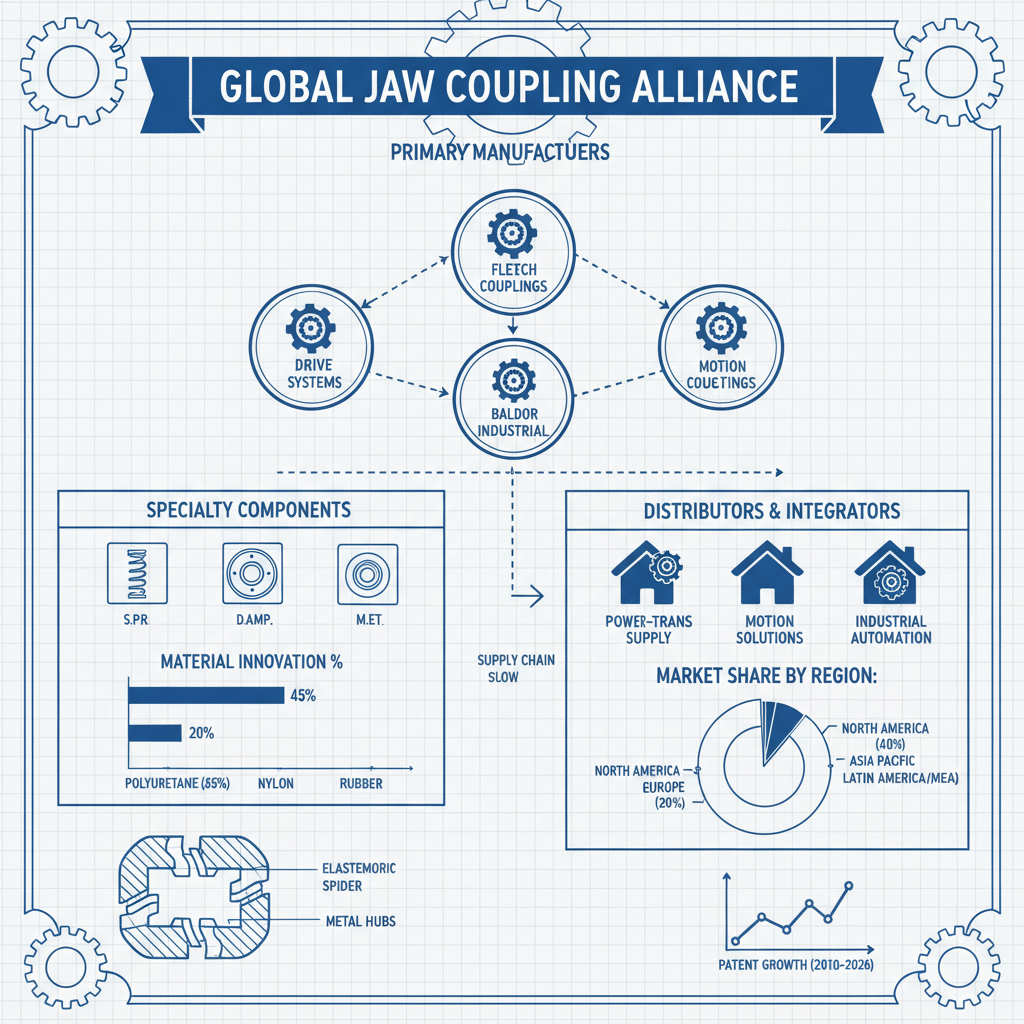
Jaw couplings are widely used in a variety of applications, including pumps, compressors, fans, blowers, conveyors, and gearboxes. They are particularly well-suited for applications where misalignment is a concern or where vibration and shock loads are present. Common industries include manufacturing, agriculture, water treatment, and mining. Their versatility and ease of use make them a popular choice for both OEM and aftermarket applications.
Conclusion: Partnering for Optimal Performance
Selecting the right jaw coupling companies and the appropriate coupling type is essential for ensuring the smooth and reliable operation of your machinery. Binhao Coupling offers a comprehensive range of high-quality jaw couplings, backed by expert technical support and competitive pricing. Contact us today to discuss your specific needs and find the perfect solution for your application.
Frequently Asked Questions (FAQs)
What is the maximum misalignment capacity of jaw couplings?
Jaw couplings can accommodate a significant degree of misalignment, typically up to 1-1.5 degrees angular misalignment, 0.25-0.5mm parallel misalignment, and 0.5-1.0mm axial misalignment. However, the exact capacity depends on the coupling size, hub material, and spider material. It’s crucial to consult the manufacturer's specifications to determine the appropriate misalignment capacity for your specific application. Exceeding the recommended misalignment limits can lead to premature failure.
How often should I replace the spider in a jaw coupling?
The frequency of spider replacement depends on the operating conditions and the spider material. As a general guideline, it's recommended to inspect the spider every 6-12 months for signs of wear, cracking, or deterioration. Spiders operating in harsh environments or under heavy loads may require more frequent inspection and replacement. Replacing the spider is a relatively simple and cost-effective way to maintain the coupling's performance and prevent unexpected downtime.
Can jaw couplings be used in reversing applications?
Yes, jaw couplings are generally suitable for reversing applications. The symmetrical design of the jaws allows for torque transmission in both directions. However, it’s important to select a spider material that is compatible with the operating conditions and can withstand the stresses associated with reversing operation. Consult with a coupling specialist to ensure the proper selection for your specific application.