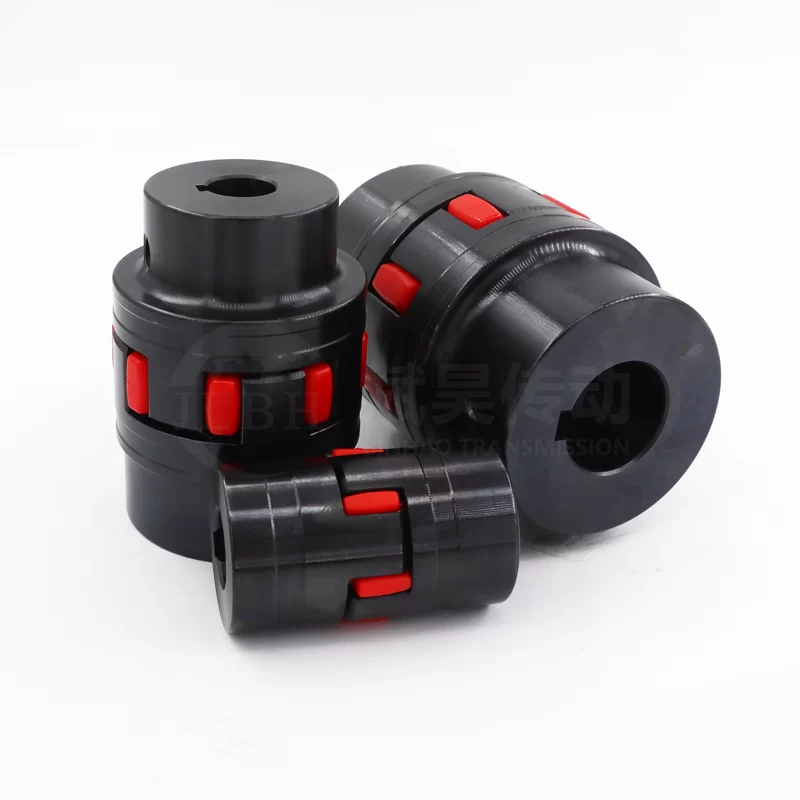
be
Reliable drum gear coupling Solutions for Canadian Industry

Reliable drum gear coupling Solutions for Canadian Industry

Reliable drum gear coupling Solutions for Canadian Industry

Providing high-performance coupling solutions tailored for the diverse manufacturing needs across North America, particularly in Canada.

Current Landscape of Coupling Manufacturing in Canada

Analyzing the present state and challenges of the coupling industry within the North American and Canadian markets.

Canada’s manufacturing sector, a cornerstone of its economy, relies heavily on robust and dependable power transmission components. The demand for high-quality disc coupling and other coupling types is driven by industries like oil and gas, mining, pulp and paper, and automotive. The Canadian climate, characterized by harsh winters and varying temperatures, places additional stress on equipment, necessitating couplings designed for extreme conditions.

Geographically, manufacturing is concentrated in Ontario and Quebec, creating localized demand hubs. Supply chain resilience has become a critical focus post-pandemic, leading to increased interest in domestic sourcing and reduced reliance on international suppliers. Canadian manufacturers are increasingly adopting automation and Industry 4.0 technologies, driving the need for couplings that integrate seamlessly with smart factory systems.

The regulatory environment in Canada prioritizes safety and environmental sustainability. Couplings must adhere to stringent Canadian Standards Association (CSA) certifications. Companies are also actively seeking couplings that minimize energy consumption and reduce maintenance requirements, aligning with Canada’s commitment to green manufacturing practices.
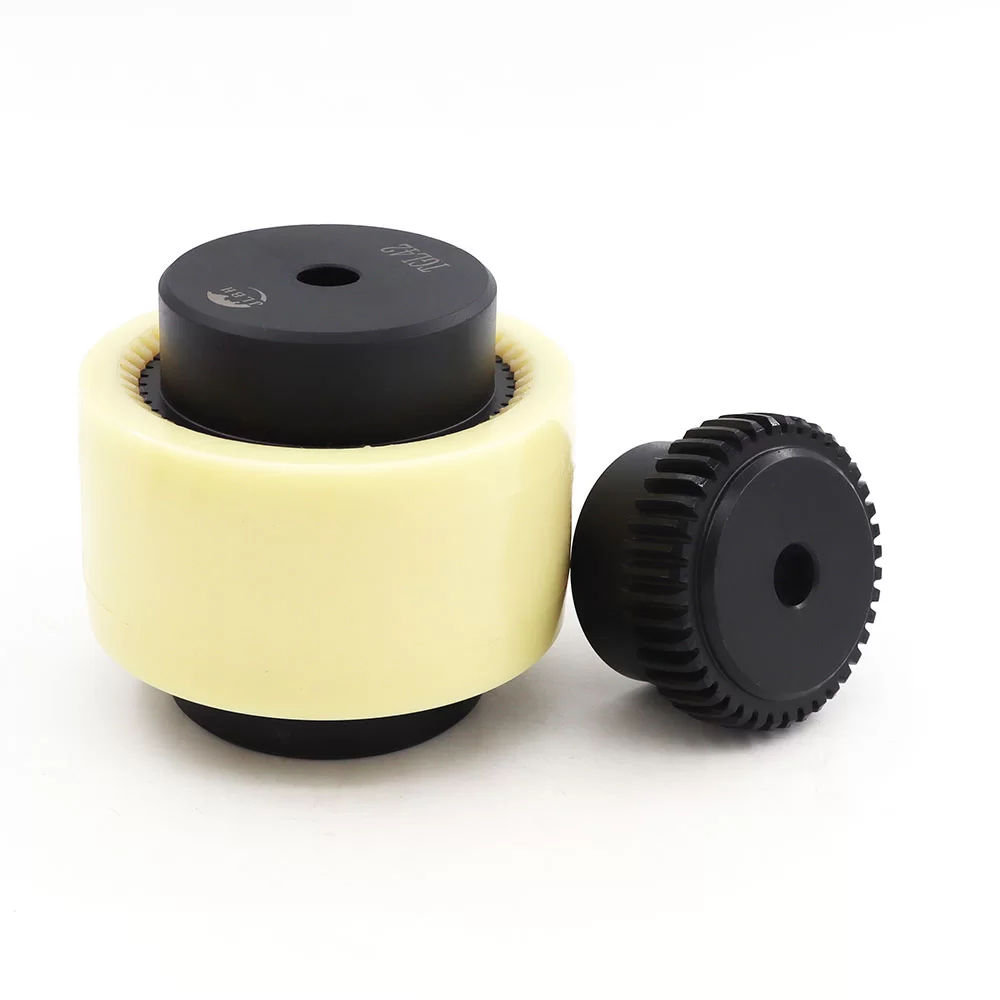
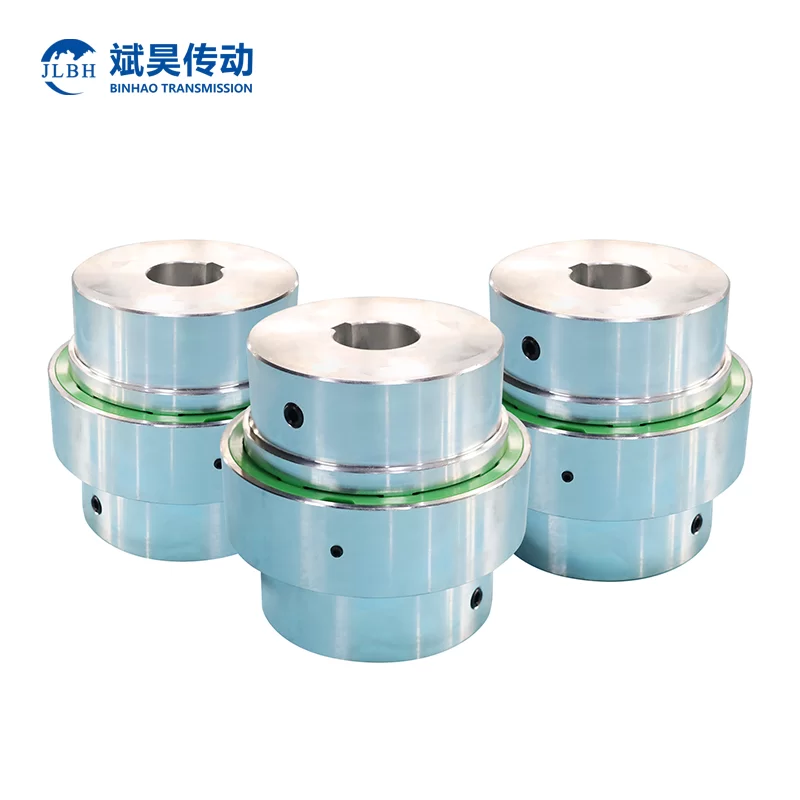
Evolution of Coupling Technology and Market Trajectory

Tracing the historical development and future trends in coupling technology within the Canadian context.

Market Development History

Early coupling designs in Canada (pre-1950s) were primarily based on rigid couplings, offering minimal shock absorption and limited misalignment capabilities. The post-war industrial boom (1950s-1980s) saw the introduction of more flexible couplings like elastic pin coupling, driven by the need for increased efficiency and reduced downtime in growing industrial facilities.

The 1990s witnessed the emergence of disc couplings and gear couplings offering higher torque capacity and improved reliability. The rise of CNC machining and automation spurred demand for precision couplings capable of handling higher speeds and dynamic loads. Digitalization began to influence coupling design, with the introduction of sensors and monitoring systems.

In the 21st century, material science advancements have led to the development of couplings utilizing composite materials and advanced alloys, enhancing performance and durability. Focus shifted toward predictive maintenance and condition monitoring, integrated into coupling systems. Today, we are seeing a rise in smart couplings that provide real-time data on performance and potential failures.

Future Development Trends

Increased Adoption of Condition Monitoring

Couplings integrated with sensors and IoT connectivity will become increasingly prevalent, enabling predictive maintenance and reducing unplanned downtime. Google Trends data shows a consistent upward trend in searches related to "predictive maintenance" and "industrial IoT."

Expansion of Composite Materials

Lightweight and high-strength composite materials will replace traditional metal components, improving efficiency and reducing inertia. Increased search volume for "composite couplings" on Google indicates growing industry interest.

Customization and Modular Design

Manufacturers will demand more customized coupling solutions tailored to specific application requirements. Modular designs offering flexibility and rapid customization will gain traction.

Industry Trends and Future Outlook for Couplings in Canada

Exploring the evolving landscape of coupling technology and its potential for growth within the Canadian market.

Enhanced Durability in Harsh Environments
Canadian industries often operate in extreme temperatures and corrosive environments. Couplings designed for these conditions will see increased demand.
Demand for High-Torque Couplings
Growing adoption of larger, more powerful machinery in sectors like mining and oil & gas will drive demand for high-torque brake drum gear coupling.
Increased Focus on Vibration Damping
Reducing vibration and noise is becoming increasingly important in Canadian manufacturing facilities. Couplings with superior damping characteristics will be highly valued.
Integration with Digital Twin Technology
Coupling data integrated into digital twin models will enable enhanced performance monitoring, diagnostics, and predictive maintenance capabilities.

Industry Outlook

The Canadian coupling market is projected to grow steadily over the next 3-5 years, driven by investments in infrastructure, manufacturing modernization, and the energy sector. The demand for advanced coupling technologies will continue to rise, fueled by the need for increased efficiency, reliability, and sustainability.

Manufacturers who can offer customized solutions, integrate digital technologies, and deliver exceptional service will be best positioned to succeed in the evolving Canadian market. Adopting Industry 4.0 principles and embracing data-driven decision-making will be crucial for long-term growth.

Local Application Scenarios in Canada

Real-world examples of coupling applications across various industries in Canada.

1. Oil Sands Processing Plants in Alberta

Heavy-duty discflex coupling are essential for connecting pumps, compressors, and other rotating equipment in the harsh and demanding environment of oil sands extraction facilities.

2. Pulp and Paper Mills in British Columbia

High-torque couplings are crucial for driving paper machines and other large machinery in pulp and paper mills, which require continuous operation and minimal downtime.

3. Mining Operations in Ontario and Quebec

Robust and reliable couplings are used in crushing, grinding, and conveying systems within mining operations, withstanding heavy loads and harsh conditions.

4. Automotive Manufacturing Facilities in Ontario

Precision couplings are utilized in robotic assembly lines and other automated equipment, ensuring accurate and efficient production processes.

5. Hydroelectric Power Generation in Quebec

Heavy-duty couplings connect generators to turbines, requiring high reliability and the ability to handle significant torque and vibration.

Brand Story

The global development journey of Jucheng County Binhao Transmission Equipment Co., Ltd.

Foundation and Early Growth

Established in Jucheng County, China, Binhao Coupling initially focused on providing standard couplings to the domestic market, quickly building a reputation for quality and reliability.

Expansion into International Markets

Recognizing the global demand for high-performance couplings, Binhao Coupling began exporting to key markets, including North America and Europe.

Investment in R&D and Innovation

Binhao Coupling invested heavily in research and development, leading to the development of advanced coupling designs and materials.

Focus on Customer Collaboration

Binhao Coupling prioritized customer collaboration, working closely with clients to develop tailored coupling solutions for specific applications.

Commitment to Sustainability

Binhao Coupling is committed to sustainable manufacturing practices, minimizing environmental impact and promoting responsible sourcing of materials.

Frequently Asked Questions - Canada

Answers to common questions regarding couplings and their applications in the Canadian market.

What factors should I consider when selecting a coupling for a Canadian winter environment?

Consider couplings with materials resistant to corrosion from road salt and extreme temperature fluctuations. Look for designs with robust seals to prevent lubricant degradation in cold temperatures.

How important are CSA certifications for couplings used in Canadian manufacturing?

CSA certifications are crucial for ensuring compliance with Canadian safety standards and regulations. Using certified couplings demonstrates a commitment to safety and quality.

What is the difference between a disc coupling and a drum gear coupling?

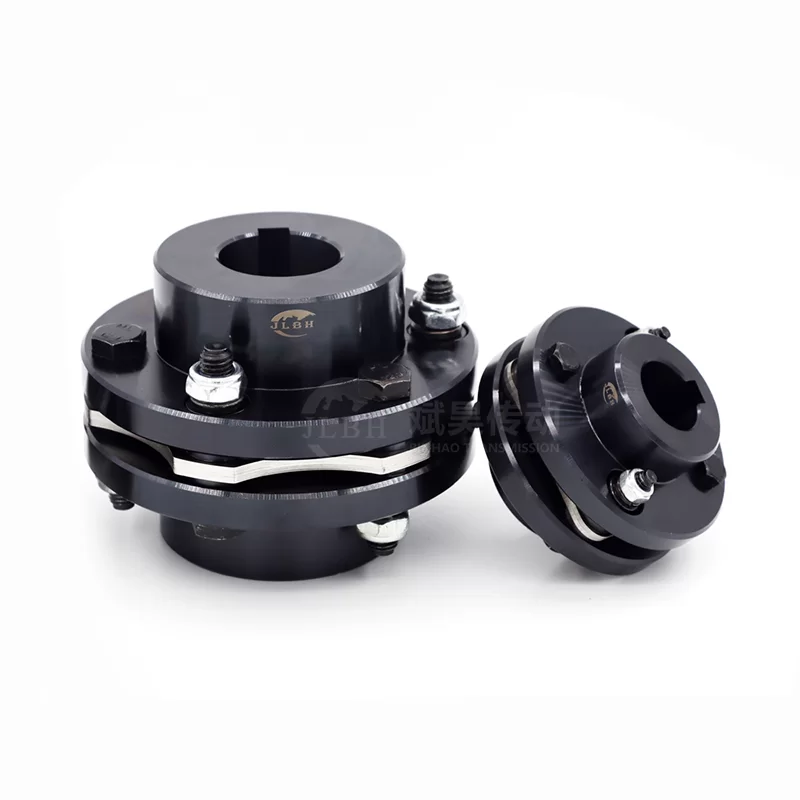
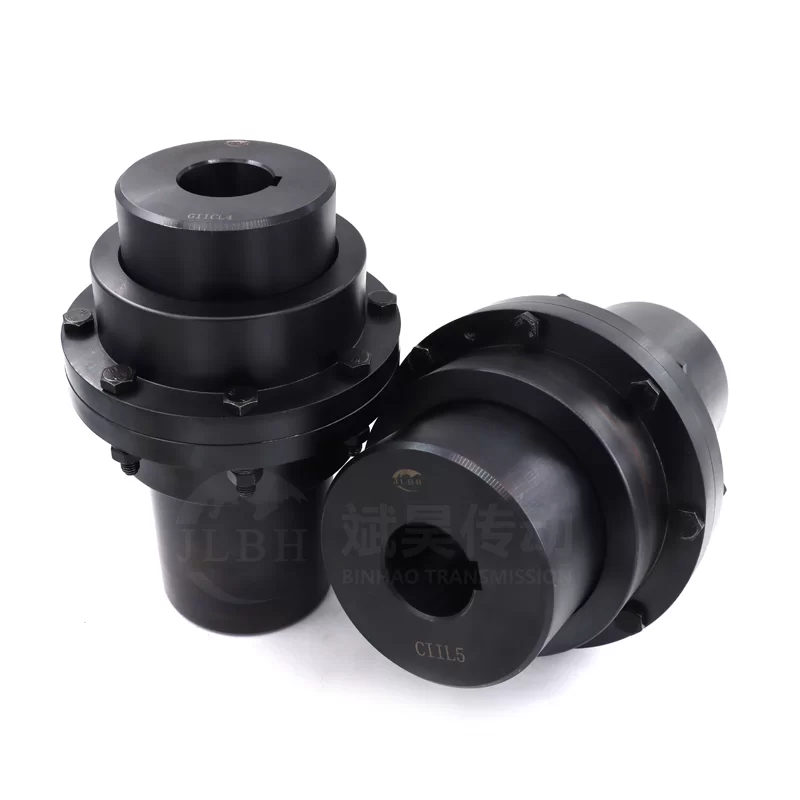
Disc couplings offer zero backlash and high torsional stiffness, suitable for precision applications. Drum gear couplings provide high torque capacity and shock absorption, ideal for heavy-duty applications.

How can I determine the correct size coupling for my application?

Proper sizing requires considering factors like torque, speed, misalignment, and operating environment. Consult coupling manufacturers or engineers for assistance with sizing calculations.

What maintenance is required for elastic pin coupling?

Regular inspection for wear, lubrication (if applicable), and periodic replacement of worn components are essential for maintaining coupling performance and preventing failures.

What are the benefits of using a coupling with condition monitoring capabilities?

Condition monitoring allows for early detection of potential failures, reducing unplanned downtime and maintenance costs. It also enables proactive maintenance scheduling and optimized performance.

Get in Touch with Us

We’re here to provide you with the best coupling solutions for your needs across North America - Canada.

Contact Us Now

If you are interested in our products, you can choose to leave your information here, and we will be in touch with you shortly.