Flexible Coupling Factory: Your Guide to Reliable Power Transmission
In the world of industrial machinery and power transmission, the right coupling can make all the difference. A flexible coupling is a critical component, designed to transmit torque while accommodating misalignment, reducing vibration, and protecting sensitive equipment. At Binhao Coupling, we specialize in manufacturing high-quality flexible couplings tailored to a wide range of applications. This article will explore the benefits of flexible couplings, the different types available, key considerations when choosing a supplier, and why Binhao Coupling is a trusted partner for businesses globally. We'll delve into the technical aspects, applications, and the importance of selecting a reliable flexible coupling factory.

Understanding the Benefits of Flexible Couplings
Flexible couplings offer numerous advantages over rigid couplings. They effectively mitigate the detrimental effects of misalignment between shafts, which is common in real-world applications due to manufacturing tolerances, installation imperfections, and thermal expansion. This misalignment, if left unaddressed, can lead to excessive bearing loads, increased vibration, and premature failure of connected equipment. Flexible couplings also dampen shock loads and torsional vibrations, protecting motors, pumps, and other machinery. Furthermore, many flexible couplings offer some degree of torsional elasticity, helping to smooth out power delivery and reduce stress on the drivetrain. They also simplify maintenance and reduce downtime because they minimize the need for precise alignment during reassembly.
Key Benefits: Mitigate misalignment, reduce vibration, protect equipment, dampen shock loads, simplify maintenance, reduce downtime.
Types of Flexible Couplings
Several types of flexible couplings cater to different application requirements. Some common types include:
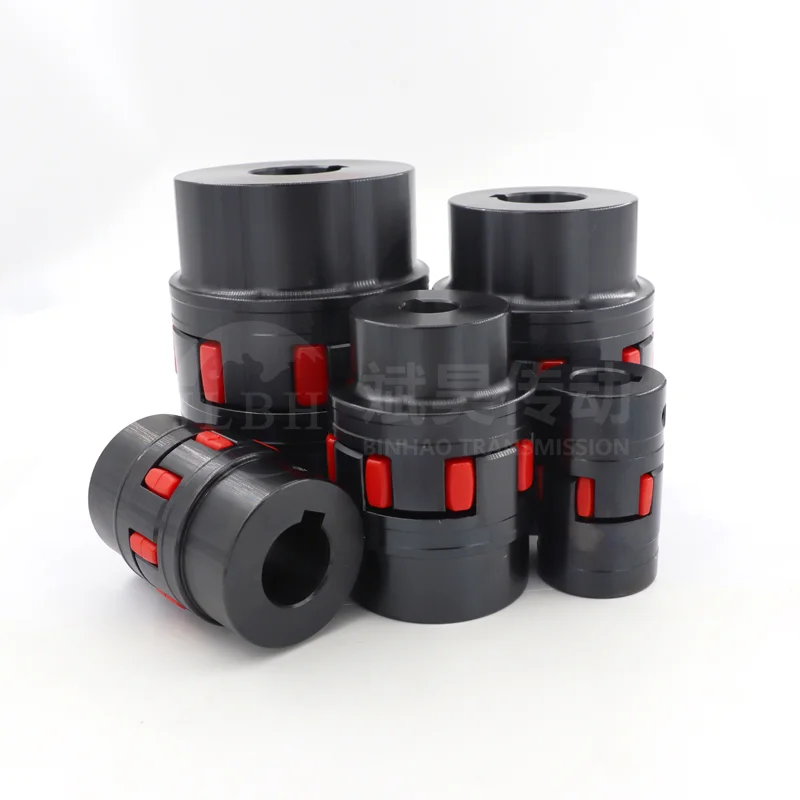
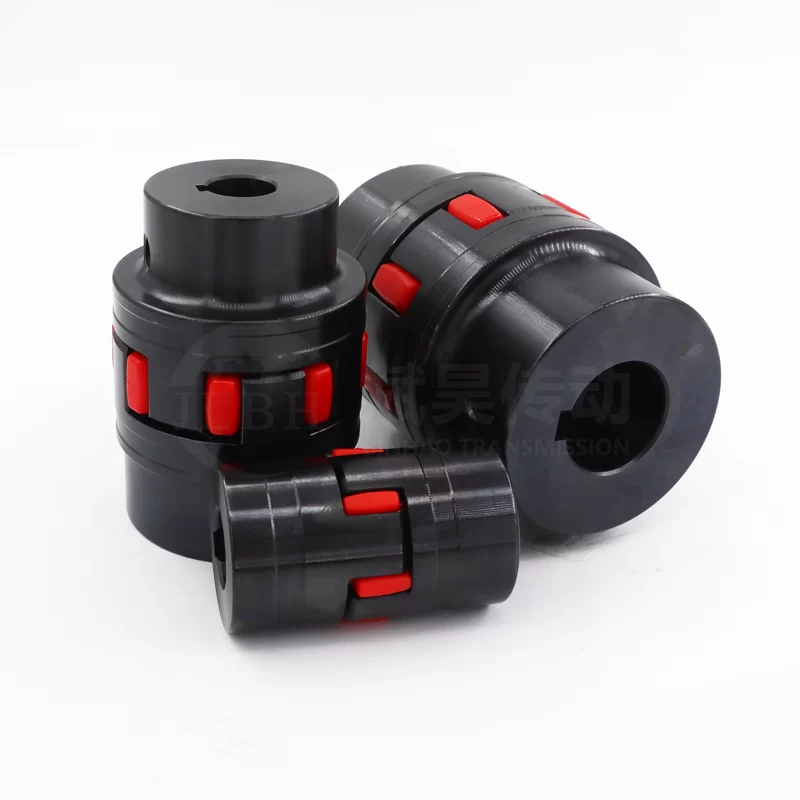
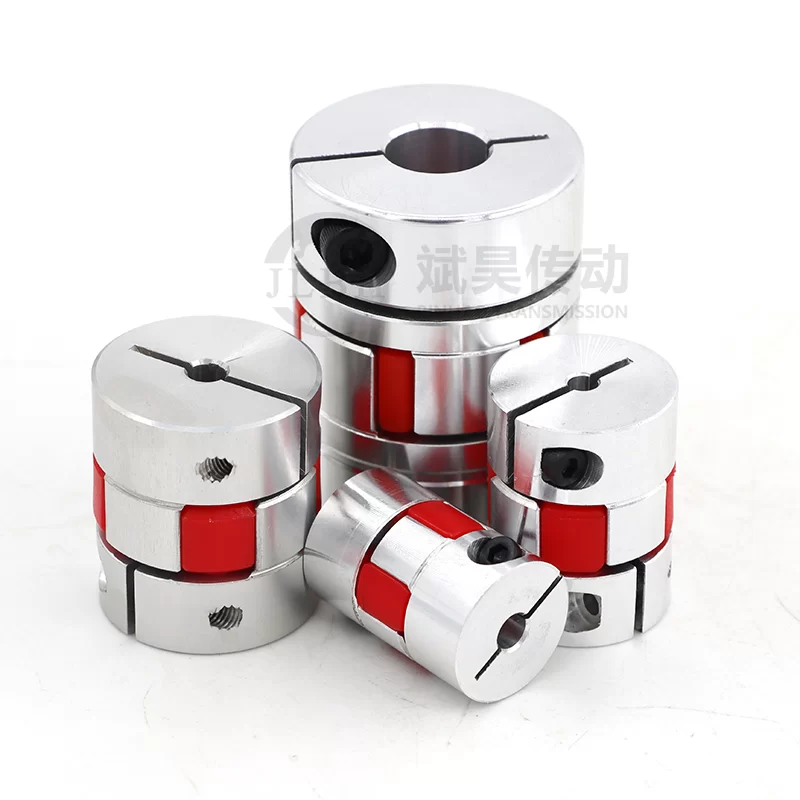
- Jaw Couplings: Simple, cost-effective, and suitable for light-duty applications.
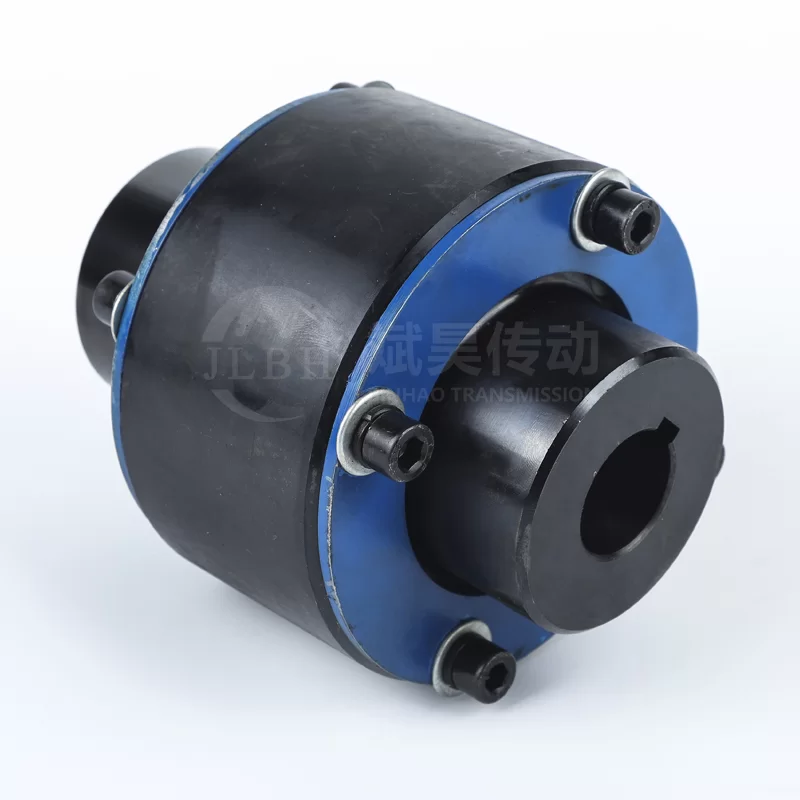
- Gear Couplings: Offer high torque capacity and can accommodate significant misalignment.
- Grid Couplings: Provide excellent shock absorption and torsional flexibility.
- Disc Couplings: Ideal for high-speed applications and precise alignment requirements.
- Rubber Tire Couplings: Dampen vibrations and noise effectively and are suitable for a wide range of applications.
- Universal Joints: Used for transmitting torque at large angles, often found in automotive and industrial machinery.
The choice of coupling type depends on factors such as torque requirements, speed, misalignment levels, operating environment, and budget.
Choosing the Right Coupling:
• Consider the application's torque and speed requirements.
• Evaluate the expected misalignment levels.
• Factor in the operating environment (temperature, humidity, chemicals).
• Determine the required level of vibration damping.
Flexible Coupling Factory Selection: Key Considerations
Choosing a reliable flexible coupling factory is crucial for ensuring the quality, performance, and longevity of your power transmission systems. Several factors should be considered, including:
- Manufacturing Capabilities: Assess the factory's capacity to produce couplings to your specifications, including materials, dimensions, and tolerances.
- Quality Control: Look for a factory with a robust quality control system, including material testing, dimensional inspection, and performance testing.
- Material Sourcing: Verify that the factory uses high-quality materials from reputable suppliers.
- Customization Options: Determine if the factory can provide customized couplings to meet your specific application needs.
- Certifications: Check for relevant certifications, such as ISO 9001, which demonstrate the factory's commitment to quality management.
- Lead Times and Pricing: Compare lead times and pricing from different factories to find the best value.
Why Choose Binhao Coupling as Your Flexible Coupling Factory?
At Binhao Coupling, we are dedicated to providing our customers with high-quality, reliable, and cost-effective flexible coupling solutions. We boast a state-of-the-art manufacturing facility, a rigorous quality control system, and a team of experienced engineers. We offer a wide range of coupling types and customization options to meet your specific needs. Our commitment to customer satisfaction, coupled with our competitive pricing and fast turnaround times, makes us a trusted partner for businesses worldwide. We are ISO 9001 certified and committed to continuous improvement.

Applications of Binhao Flexible Couplings
Our flexible couplings are used in a diverse range of industries and applications, including:
- Pumps and Compressors: Protecting motors from shock loads and vibrations.
- Gearboxes: Accommodating misalignment and reducing noise.
- Conveyors: Ensuring smooth and reliable power transmission.
- Mixers and Agitators: Dampening vibrations and protecting motors.
- Printing and Packaging Machinery: Maintaining precise alignment and reducing downtime.
- Textile Machinery: Providing reliable power transmission in demanding environments.
Conclusion: Partner with a Reliable Flexible Coupling Factory
Choosing the right flexible coupling factory is a critical decision that can impact the reliability and efficiency of your operations. At Binhao Coupling, we are committed to providing our customers with high-quality products, exceptional service, and competitive pricing. Contact us today to discuss your specific requirements and experience the Binhao difference.
Frequently Asked Questions (FAQs)
What materials are used in Binhao flexible couplings?
We utilize a variety of high-quality materials in our flexible couplings, including carbon steel, stainless steel, aluminum, and various elastomers like neoprene and polyurethane. The specific material selection depends on the application's requirements, such as torque, speed, temperature, and operating environment. We prioritize materials that offer excellent durability, strength, and resistance to wear and corrosion.
Can Binhao Coupling provide custom coupling designs?
Yes, we specialize in providing customized flexible coupling solutions. Our experienced engineering team can work with you to design and manufacture couplings tailored to your specific application needs. This includes modifying existing designs or creating entirely new couplings based on your requirements. We consider factors such as torque capacity, speed, misalignment, dimensional constraints, and material preferences.
What is the typical lead time for a standard flexible coupling order?
The typical lead time for a standard flexible coupling order is 2-4 weeks, depending on the quantity and complexity of the order. We maintain a substantial inventory of standard couplings to minimize lead times. Custom coupling designs may require longer lead times, which will be communicated to you during the quotation process. We strive to provide timely delivery without compromising on quality.
What quality control measures does Binhao Coupling implement?
We have a comprehensive quality control system in place to ensure that all our flexible couplings meet the highest standards. This includes incoming material inspection, in-process quality checks, dimensional verification, torque testing, and final inspection before shipment. We adhere to ISO 9001 quality management standards and maintain detailed records of all quality control procedures.