Choosing the Right Flexible Coupling Suppliers
Selecting the right flexible coupling suppliers is crucial for ensuring the smooth and efficient operation of your machinery. Flexible couplings are essential components in power transmission systems, designed to transmit torque while accommodating misalignment, reducing vibration, and protecting equipment from damage. This article will provide a comprehensive guide to finding reliable suppliers, understanding the different types of couplings, and selecting the best solution for your specific needs. We'll delve into key factors to consider, ensuring you make an informed decision that optimizes performance and minimizes downtime.

Understanding Flexible Couplings and Their Importance
Flexible couplings are mechanical components used to connect two shafts while allowing for some degree of misalignment. This misalignment can be angular, parallel, or axial. The primary function is to transmit torque from the driving shaft to the driven shaft. Beyond this, they absorb shock loads, dampen vibrations, and protect sensitive equipment from damage caused by excessive stress. Without a flexible coupling, rigid connections can lead to premature wear, increased maintenance costs, and even catastrophic failures. Different industries rely on flexible couplings for diverse applications, from pumps and compressors to conveyors and industrial machinery. Choosing the right coupling is a critical element in maintaining operational efficiency.
Key Benefits: Reduces vibration, absorbs shock loads, accommodates misalignment, protects equipment, and minimizes downtime.
Types of Flexible Couplings: A Comparative Overview
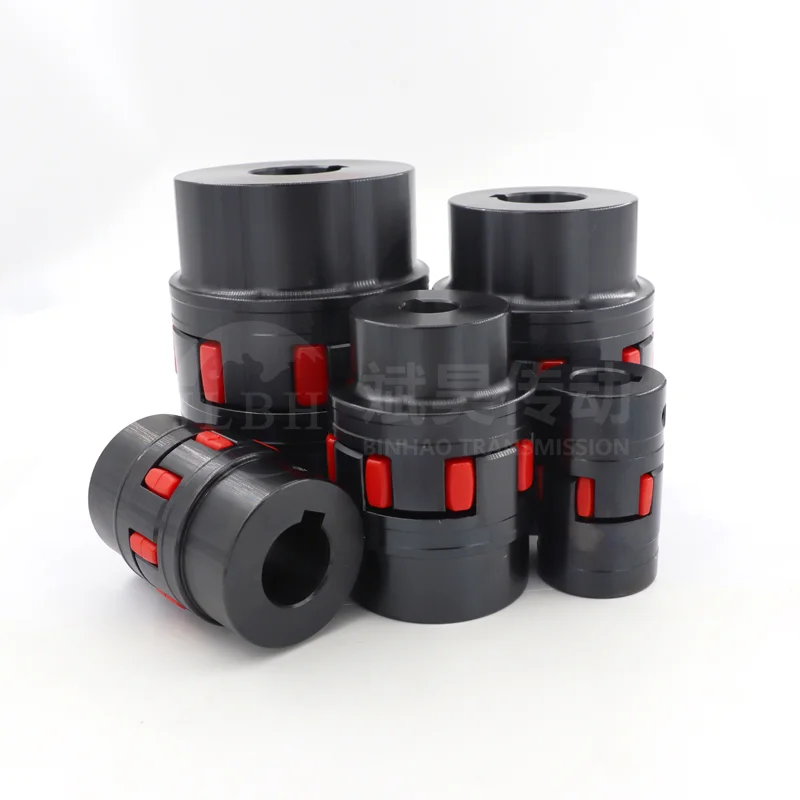
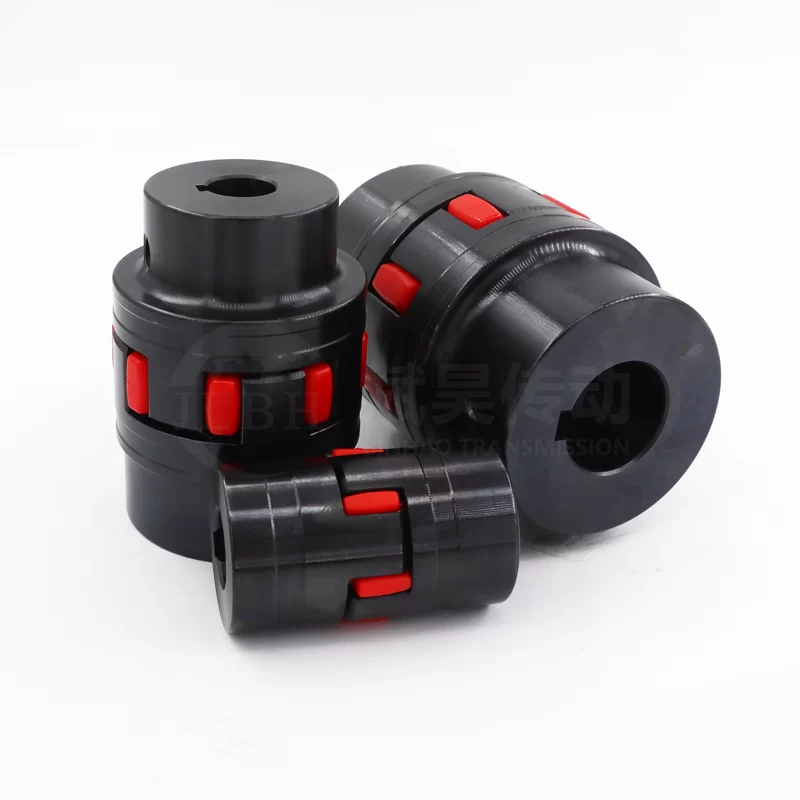
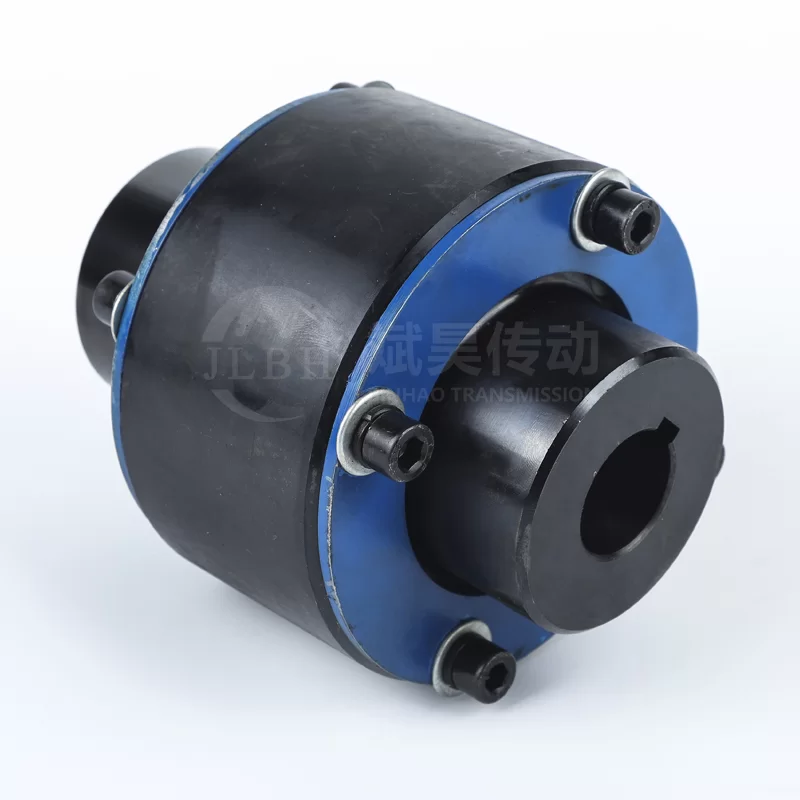
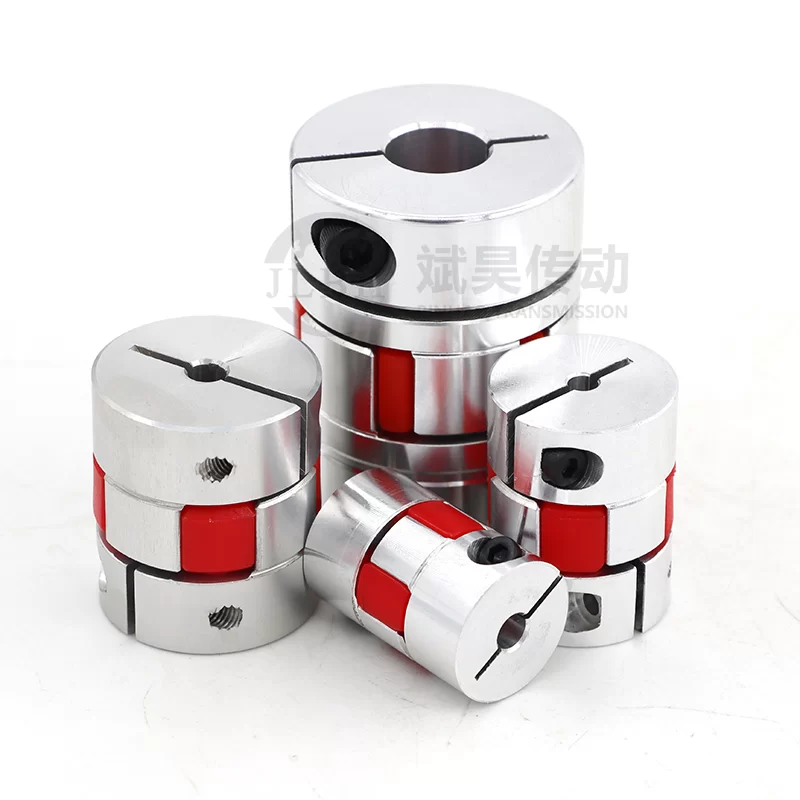
Several types of flexible couplings are available, each suited for specific applications. Common types include jaw couplings, gear couplings, grid couplings, disc couplings, and tire couplings. Each offers different levels of torque capacity, misalignment capability, and vibration damping. Jaw couplings are known for their simplicity and affordability, making them ideal for light-duty applications. Gear couplings excel in high-torque applications, while grid couplings provide excellent vibration damping. Disc couplings offer zero backlash and are often used in precision applications, and tire couplings are well-suited for shock absorption. Understanding the characteristics of each type is crucial for making the right selection.
Coupling Type Comparison:
• Jaw Coupling: Simple, affordable, light-duty.
• Gear Coupling: High torque, robust, suitable for heavy-duty applications.
• Grid Coupling: Excellent vibration damping, accommodates misalignment.
• Disc Coupling: Zero backlash, precision applications.
• Tire Coupling: Shock absorption, high torsional flexibility.
Key Considerations When Choosing Flexible Coupling Suppliers
Selecting a reliable flexible coupling supplier requires careful consideration. Look for suppliers with a proven track record of quality, a wide product range, competitive pricing, and excellent customer support. Verify their certifications and ensure they comply with industry standards. Consider their lead times, shipping options, and after-sales service. A good supplier will also offer technical expertise and assist you in selecting the optimal coupling for your application. It's also vital to assess their manufacturing capabilities and quality control processes.
Evaluating Supplier Capabilities: Quality Control and Certifications
A reputable flexible coupling supplier will prioritize quality control throughout the manufacturing process. This includes rigorous inspection of raw materials, in-process monitoring, and final product testing. Look for suppliers with certifications such as ISO 9001, which demonstrates their commitment to quality management systems. Inquire about their testing procedures and whether they conduct performance tests to verify the coupling's torque capacity, misalignment capability, and vibration damping characteristics. A supplier that provides detailed test reports and documentation is a good indicator of their commitment to quality.

Binhaocoupling: Your Trusted Flexible Coupling Supplier
At Binhaocoupling, we are dedicated to providing high-quality flexible couplings and exceptional customer service. We offer a comprehensive range of couplings to meet diverse application requirements, backed by rigorous quality control and industry certifications. Our experienced team can assist you in selecting the optimal coupling for your needs and provide technical support throughout the process. We are committed to delivering reliable products, competitive pricing, and on-time delivery. Contact us today to discuss your coupling requirements.
Conclusion: Partnering for Success with Binhaocoupling
Choosing the right flexible coupling supplier is a vital decision for ensuring the reliability and efficiency of your machinery. Binhaocoupling offers a commitment to quality, a broad product range, and exceptional customer support. Partner with us to optimize your power transmission systems and achieve lasting success.
Frequently Asked Questions (FAQs)
What factors should I consider when selecting a flexible coupling?
Several key factors influence the selection of a flexible coupling. These include the torque requirements of the application, the degree of misalignment that needs to be accommodated, the operating speed, the environmental conditions (temperature, humidity, etc.), and the type of equipment being connected. Additionally, consider the desired level of vibration damping, the required lifespan, and the cost of the coupling. A thorough assessment of these factors will help you identify the most suitable coupling for your specific needs. Consulting with a flexible coupling supplier can provide valuable insights and guidance.
How often should flexible couplings be inspected?
Flexible couplings should be inspected regularly, typically every 6-12 months, depending on the application and operating conditions. During inspection, check for signs of wear, such as cracks, dents, or excessive play. Also, verify that the coupling is properly lubricated and that all fasteners are tight. If any damage is detected, the coupling should be replaced immediately to prevent equipment failure. Maintaining a detailed inspection log can help track the condition of the couplings and identify potential issues before they become critical.
What is the role of lubrication in flexible coupling maintenance?
Lubrication is crucial for the proper functioning and longevity of many flexible couplings, especially those with moving parts like gear couplings. Lubrication reduces friction, minimizes wear, and dissipates heat. The type of lubricant and the frequency of application will vary depending on the coupling type and operating conditions. Always follow the manufacturer's recommendations for lubrication. Using the wrong lubricant can damage the coupling and void the warranty. Regularly check the lubricant level and replenish as needed.
Can flexible couplings eliminate all vibration?
While flexible couplings are designed to dampen vibration, they cannot eliminate it entirely. The degree of vibration damping depends on the coupling type and its design characteristics. Some couplings, like grid couplings, are specifically engineered for excellent vibration damping. However, it's important to address the root cause of the vibration, such as imbalance or misalignment, to achieve optimal performance. Using a flexible coupling in conjunction with proper alignment and balancing techniques will significantly reduce vibration levels and protect your equipment.