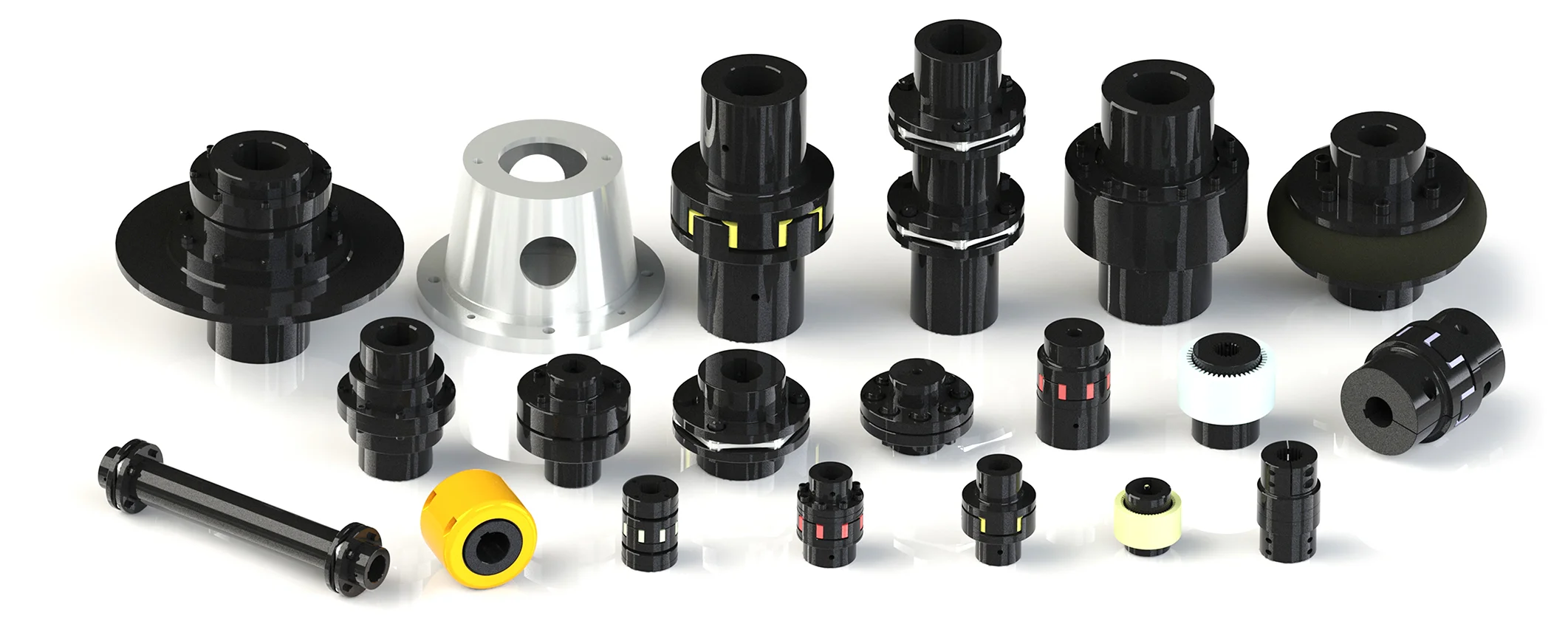
In the modern industrial landscape, the demand for precision power transmission has led many engineers to seek a reliable jaw coupling Supplier capable of providing high-performance components. These components are critical in bridging the gap between motors and driven equipment, ensuring that energy is transferred efficiently while protecting the system from mechanical stress. Understanding the nuances of coupling selection is essential for maximizing machinery uptime and reducing long-term operational costs.
The global manufacturing sector is currently undergoing a shift toward miniaturization and higher rotational speeds, particularly in robotics and CNC machining. This evolution requires a jaw coupling Supplier that doesn't just provide parts, but delivers engineered solutions that address inertia and backlash. When the wrong coupling is chosen, the resulting vibration and misalignment can lead to catastrophic failure, highlighting the need for specialized expertise in coupling materials and design.
For companies integrating advanced automation, partnering with a professional jaw coupling Supplier ensures access to components like the XL Aluminum Alloy Clamping Coupling, which balances lightweight construction with zero-backlash precision. By focusing on high-strength materials and advanced damping elastomers, these solutions provide the stability required for critical industrial movements.

Engineering Precision in Power Transmission
Achieving high precision in power transmission begins with the selection of a coupling that can minimize rotational clearance. For high-speed applications, the XL Aluminum Alloy Clamping Coupling stands out due to its unique clamping mechanism, which ensures zero rotational clearance. This allows for a more sensitive and responsive transmission, which is indispensable for critical industrial movements where every micron counts.
Beyond precision, a quality jaw coupling Supplier emphasizes the importance of inertia reduction. By utilizing high-strength aluminum alloys, the XL series significantly reduces the moment of inertia, allowing for faster acceleration and deceleration cycles. This technical advantage translates directly into increased productivity for CNC machines and robotic joints.
The Role of Materials in Coupling Performance
The material composition of a coupling determines its durability, weight, and environmental resistance. The use of high-strength aluminum alloy in the XL series provides a critical balance between structural integrity and lightweight performance. This choice of material is essential for reducing the load on motors and preventing excessive wear on bearing surfaces during high-speed operation.
Complementing the metal housing is the polyurethane elastomer core, which serves as the heart of the vibration damping system. This material is specifically chosen for its ability to absorb shock energy and dampen vibrations, preventing resonance that could lead to mechanical fatigue. The interaction between the rigid aluminum and the flexible elastomer allows the coupling to handle medium loads while maintaining a high degree of stability.
Environmental adaptability is further enhanced through an oxidation surface treatment. This process guarantees exceptional corrosion resistance, ensuring that the coupling performs reliably in diverse settings, from humid factories to sterile cleanrooms. By integrating these material advancements, a professional jaw coupling Supplier ensures the product can withstand operating temperatures ranging from -40℃ to +120℃.
Technical Mechanics of Zero-Backlash Design
Zero-backlash design is the gold standard for precision motion control. When sourcing from a jaw coupling Supplier, engineers look for clamping mechanisms that eliminate the "play" typically found in traditional keyed couplings. The XL Aluminum Alloy Clamping Coupling employs a screw-fixed clamping system that grips the shaft securely, ensuring that torque is transmitted instantaneously without any lag.
Another critical mechanical feature is deviation compensation. A high-quality jaw coupling Supplier ensures that their products can automatically correct radial, axial, and angular installation errors. The XL series can accommodate angular displacements of up to ±1.5°, which protects the machinery from misalignment stress and prevents premature shaft wear.
Finally, the dynamic balance of the coupling is paramount for high-speed rotations. With a G2.5 dynamic balance grade, the XL series can operate at speeds up to 19,000 rpm without introducing harmful vibrations. This level of precision is what distinguishes a premium jaw coupling Supplier from generic manufacturers, as it ensures the longevity of the entire drive train.
Comparative Efficiency of Coupling Solutions
When comparing different coupling types, the economy and technical excellence of the XL series become apparent. Unlike heavier steel couplings or complex diaphragm systems, the aluminum clamping design offers a simplified installation process and a significantly lower unit weight. This reduction in mass is vital for applications requiring rapid direction changes, such as in robotic arm joints.
From an operational expenditure (OPEX) perspective, the maintenance-free nature of these couplings provides a significant advantage. Because the materials have a low friction coefficient and the design eliminates the need for regular lubrication, companies can reduce their maintenance schedules and avoid costly downtime.
Coupling Performance Comparison by jaw coupling Supplier Standards
Global Applications and Industrial Use Cases
The versatility of the XL Aluminum Alloy coupling makes it a preferred choice across various high-tech sectors. In the realm of CNC machine tools, the requirement for extreme precision and low inertia makes the zero-backlash clamping design indispensable. These machines rely on a jaw coupling Supplier to provide components that can handle rapid indexing movements without sacrificing accuracy.
Similarly, in the burgeoning field of photovoltaic tracking systems, environmental adaptability is key. The oxidation treatment and wide operating temperature range (-40℃ to +120℃) allow these couplings to function reliably in extreme outdoor climates. Whether in the deserts of the Middle East or the cold plains of Northern Europe, the durability of the XL series ensures consistent solar panel orientation.
Maintenance Strategies for Maximum Longevity
While the XL Aluminum Alloy coupling is designed to be maintenance-free, a strategic approach to lifecycle management still adds value. The primary focus should be on wear monitoring of the polyurethane elastomer. By establishing predictable elastomer life cycles based on torque loads and operating hours, maintenance teams can schedule replacements during planned outages rather than reacting to failures.
Another key strategy is ensuring the precision fitting of the shafts during the initial installation. Even though the coupling compensates for misalignment, minimizing the initial deviation reduces the stress on the elastomer core, thereby extending its operational life. A reputable jaw coupling Supplier often provides installation guidelines to help technicians achieve the best possible alignment.
Finally, regular inspections of the clamping screws are recommended to ensure that the zero-backlash condition is maintained. Checking the torque of the fastening screws prevents slippage and ensures that the sensitive power transmission remains responsive, keeping the machinery operating at peak efficiency.
Future Trends in High-Speed Coupling Tech
The future of coupling technology is moving toward "smart" components and even lighter materials. We are seeing a trend where a jaw coupling Supplier might integrate sensors into the coupling body to monitor torque and vibration in real-time. This transition toward Industry 4.0 will allow for predictive maintenance, where the coupling itself alerts the operator when the elastomer is reaching its wear limit.
Sustainability is also becoming a core driver in material science. There is an increasing push toward recyclable high-strength alloys and bio-based elastomers that offer the same damping properties as polyurethane but with a lower environmental footprint. This aligns with global initiatives to reduce industrial waste and carbon emissions in the manufacturing process.
As automation continues to evolve toward miniaturization, the demand for compact, high-torque solutions will grow. The XL series already sets a benchmark in this area, but future iterations will likely push the boundaries of speed and torque density, enabling the next generation of high-speed robotics and precision aerospace components.
Comparison of XL Coupling Technical Specifications vs Application Needs
| Technical Metric | XL Series Value | Industrial Benefit | Application Suitability |
|---|
| Max Speed | 19,000 rpm | Ultra-high rotation stability | High-speed Spindles |
| Max Torque | 500 N·m | Robust power transfer | Medium-load Robotics |
| Angular Disp. | ±1.5° | Misalignment protection | PV Tracking Systems |
| Dynamic Balance | Grade G2.5 | Low vibration/noise | Precision CNC Tools |
| Temp Range | -40 to +120℃ | Extreme environment resilience | Outdoor Automation |
| Lubrication | Maintenance-Free | Reduced OPEX/Downtime | Clean-room Equipment |
FAQS
The primary advantages are its lightweight aluminum alloy construction and zero-backlash clamping design. These features provide superior sensitivity and significantly reduced inertia compared to heavier steel couplings, making it ideal for high-acceleration applications like robotics.
Yes, the XL series is specifically engineered for high-speed transmission. It can reach rotational speeds of up to 19,000 r/min, which is made possible by its strict adherence to the G2.5 dynamic balance grade, ensuring minimal vibration at peak speeds.
It utilizes a high-performance polyurethane elastomer core that allows for the compensation of axial, radial, and angular deviations. Specifically, it can handle an angular displacement of up to ±1.5°, which prevents excessive wear on the shafts and bearings.
No, the XL Aluminum Alloy Coupling is entirely maintenance-free. The materials used, including the aluminum and the polyurethane elastomer, have a low coefficient of friction, eliminating the need for regular grease or oil lubrication.
It is highly effective in CNC machine tools, robotic joints, and photovoltaic tracking systems. These are environments where lightweight construction, medium load capacity, and high environmental adaptability (temperature and corrosion resistance) are required.
The elastomer is designed to operate reliably in temperatures ranging from -40℃ to +120℃. This wide range makes it suitable for both extreme cold industrial settings and high-heat environments without losing its damping properties.
Conclusion
Selecting the right jaw coupling Supplier is a critical decision that impacts the precision, efficiency, and longevity of any power transmission system. The XL Aluminum Alloy Clamping Coupling exemplifies the modern approach to this challenge, combining a lightweight aluminum body with a zero-backlash clamping mechanism and superior polyurethane damping. By addressing the core needs of high-speed, high-precision industries—such as CNC machining and robotics—this solution minimizes inertia and eliminates the burden of regular lubrication.
Looking ahead, the integration of advanced materials and smart monitoring will continue to redefine the standards of industrial couplings. For companies seeking to optimize their machinery's performance and reduce operational costs, investing in high-precision, maintenance-free solutions is the most sustainable path forward. To explore these high-performance options further, visit our website: www.binhaocoupling.com