- russian
- italian
- japanese
- korean
- latin
- latvian
- lithuanian
- malay
- norwegian
- persian
- polish
- portuguese
- romanian
- irish
- sanskrit
- slovak
- spanish
- swahili
- swedish
- tamil
- thai
- turkish
- ukrainian
- urdu
- vietnamese
- welsh
- english
- arabic
- armenian
- basque
- belarusian
- bengali
- bulgarian
- burmese
- croatian
- czech
- danish
- deutsch
- dutch
- albanian
- estonian
- filipino
- finnish
- french
- georgian
- greek
- hebrew
- hindi
- hungarian
- icelandic
- indonesian
You know, I've been running around construction sites for twenty years, always getting my hands dirty. Lately, everyone's talking about 'smart' couplings, the ones with sensors and whatnot. To be honest, it's a bit much. We need something reliable, something you can grab without worrying if the Bluetooth is paired correctly. Most of the time, guys just want a coupling that works, you know?
What I’ve noticed is a lot of these new designs get caught up in making things 'sleek' and ‘lightweight’. They forget the real world. I was at a factory in Changzhou last time, they showed me a coupling that was all curves and angles, looked beautiful in the catalog… but the steel was too thin. The first torque it took, it started to bend. Turns out, beauty isn’t everything.
It always comes back to the materials. We mostly use 45 steel for the jaws themselves. You can smell it, that oily, slightly metallic tang. It’s a good smell, a work smell. And the elastomer – that’s key. We used to get a lot of cheap rubber, but it cracked too easily. Now, we’re using a polyurethane blend, feels a bit more… spongy, but it can take a beating. They’ve got this weird odor when they’re new, kinda like vanilla and burnt tires. Strange, huh?
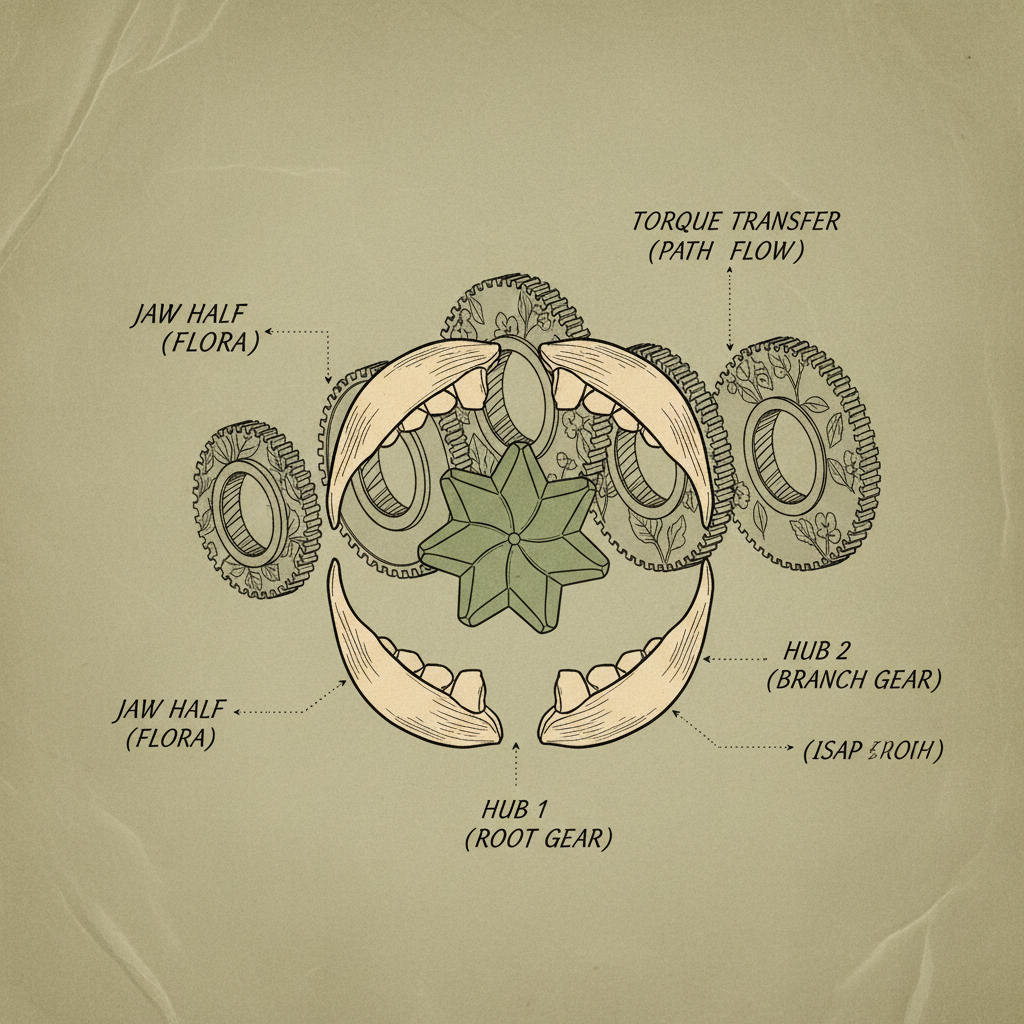
The Current Landscape of jaw coupling Supplier
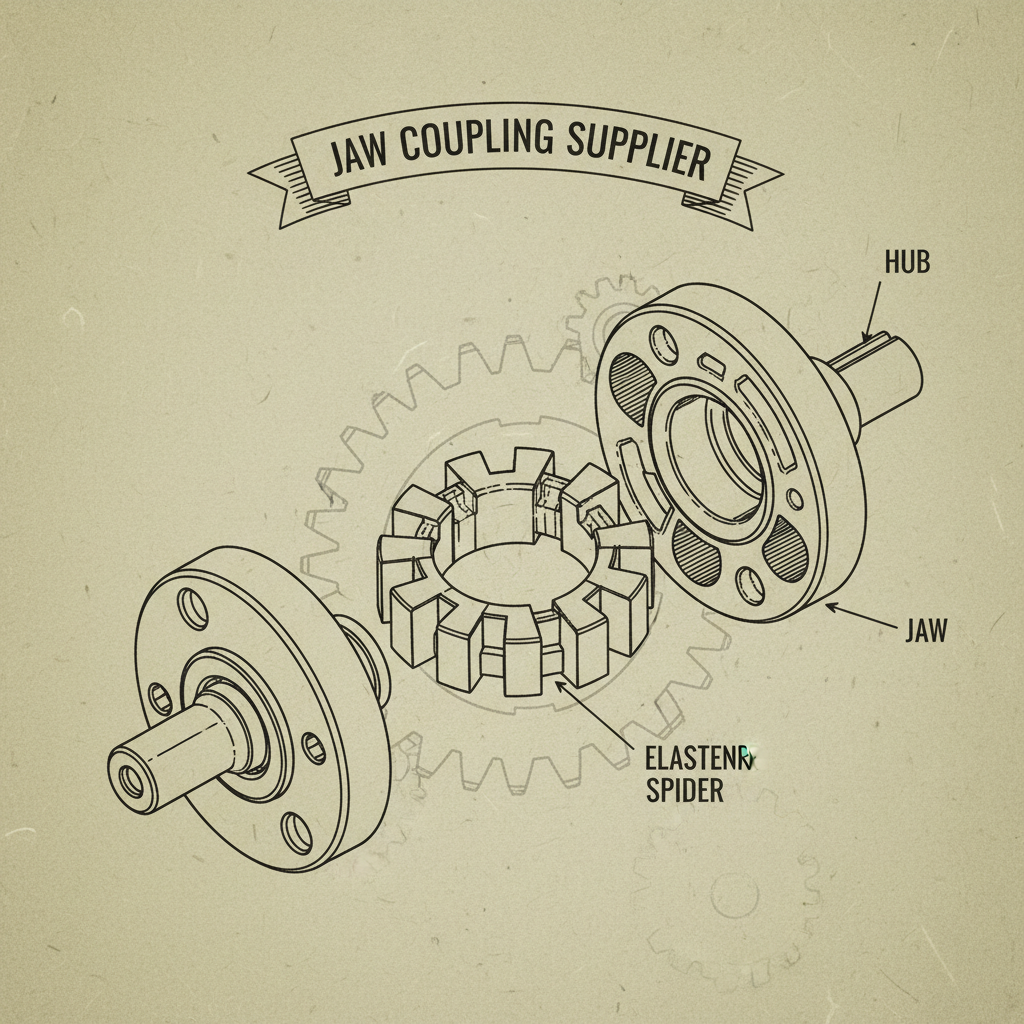
Anyway, I think the whole industry’s moving towards flexible couplings. It's not just about power transmission anymore; it's about damping vibrations, reducing noise. Everyone's trying to be quieter, more efficient. And of course, the Chinese manufacturers are dominating the market now, offering good quality at a fraction of the price. You have to be smart about sourcing.
The demand for jaw coupling Supplier is consistently growing due to the expansion of industrial automation and the need for reliable power transmission in various sectors.
FAQS
Generally, standard jaw couplings are best suited for speeds up to 3600 RPM. Exceeding this can lead to excessive vibration and premature wear. It really depends on the application, of course. If you’re pushing it, you might want to consider a different type of coupling, like a gear coupling or a disc coupling. I've seen guys try to use them at higher speeds, and it always ends badly.
You need to know the torque requirements and the shaft diameters. There are formulas you can use, but honestly, it’s easier to use a coupling selection chart. Most suppliers, including us, have these available. Don't just guess! Undersizing will lead to failure, and oversizing is just a waste of money. It's a bit of a Goldilocks situation.
Yes, they can. Jaw couplings are non-directional, meaning they work equally well in either direction of rotation. However, you need to make sure the elastomer is compatible with the operating temperature and environment. Some elastomers can degrade if exposed to certain chemicals or extreme temperatures, even during reverse operation.
Regular lubrication is key. Grease the jaws every 6-12 months, depending on the application. Also, check for wear and tear on the elastomer. If it’s cracked or deteriorated, replace it immediately. Don't wait for it to fail completely! And honestly, just give the whole thing a visual inspection every now and then. It's not rocket science.
They can be, to a certain extent. There are heavy-duty jaw couplings designed for high-torque applications. However, they’re not the best choice for extremely high-torque situations. You might want to consider a gear coupling or a flanged coupling for those applications. It’s all about matching the coupling to the specific needs of the job.
It varies wildly depending on the application, the environment, and the maintenance. A well-maintained jaw coupling in a light-duty application can last for years. But in a harsh environment, with high torque and frequent starts and stops, it might only last a few months. That's why regular inspections are so important.
Conclusion
So, there you have it. Jaw couplings aren’t glamorous, they aren't high-tech, but they're reliable and they get the job done. They’ve been around for a long time, and they’ll probably be around for a long time to come. They're the workhorses of the industrial world, and they deserve a little respect.
Ultimately, whether this thing works or not, the worker will know the moment he tightens the screw. If it feels right, it is right. And if you need a good, dependable jaw coupling, you know where to find us. Visit our website: www.binhaocoupling.com