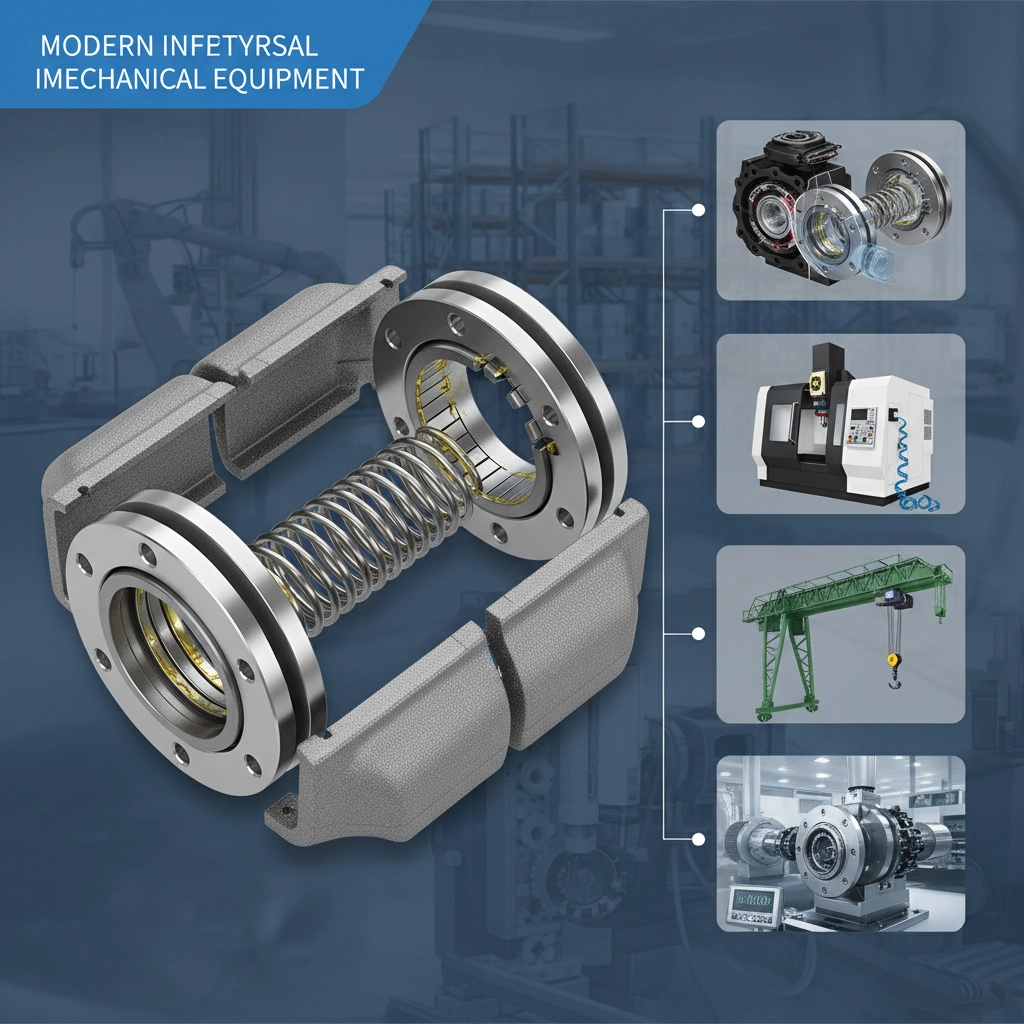
In the demanding world of industrial power transmission, the Grid coupling stands as a cornerstone of mechanical reliability. These specialized components are engineered to connect two shafts, transmitting torque while simultaneously absorbing the violent shocks and vibrations that can otherwise lead to catastrophic machine failure. By utilizing a flexible grid element, these couplings protect expensive gearboxes and motors from the stresses of misalignment and sudden load spikes.
Understanding the mechanics of a Grid coupling is essential for engineers seeking to maximize uptime and reduce maintenance costs. In an era where industrial efficiency is measured by the second, the ability of a coupling to dampen torsional vibrations without sacrificing torque capacity is a critical competitive advantage. From mining operations to heavy-duty pumping stations, the right coupling choice determines the lifespan of the entire drivetrain.
Globally, the shift toward high-torque, high-efficiency machinery has renewed interest in the versatility of grid-style designs. Whether integrated into a complex assembly alongside DJM Diaphragm Couplings or paired with the ruggedness of TGL Drum Gear Couplings, the Grid coupling offers a unique balance of flexibility and strength that satisfies the most rigorous ISO standards for industrial safety and performance.
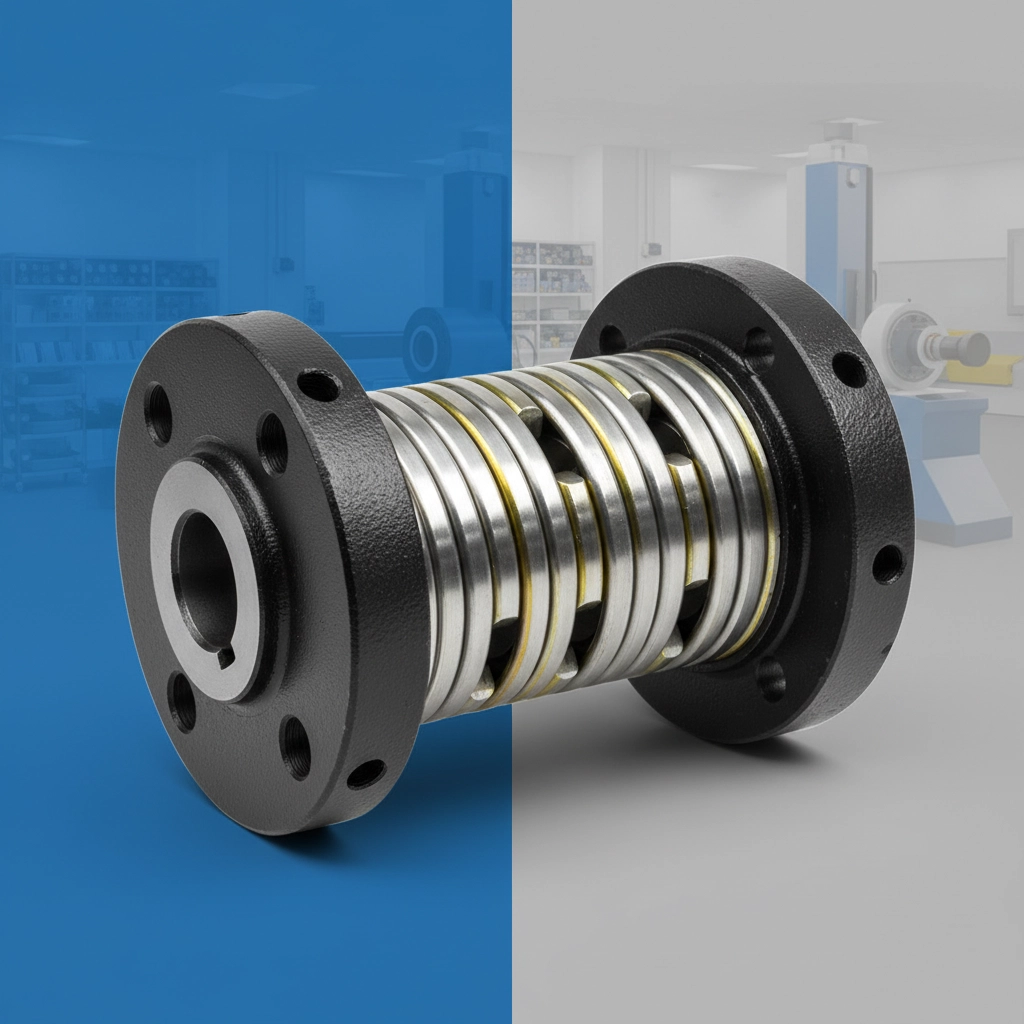
Global Industrial Context of Grid Coupling
On a global scale, the demand for high-performance power transmission components has surged as industrial automation expands into emerging markets. According to ISO standards for mechanical couplings, the ability to manage parallel and angular misalignment is paramount. The Grid coupling addresses a critical industry challenge: the "shock load" problem. In heavy industries, sudden starts and stops create torsional stress that can snap rigid shafts, making a flexible, damping solution a global necessity for operational safety.
Across North America, Europe, and Asia, the integration of these couplings in energy sectors—specifically in hydroelectric and wind turbine drive trains—demonstrates their versatility. By mitigating the impact of erratic loads, they reduce the frequency of unplanned shutdowns, which the World Bank identifies as a primary driver of economic loss in industrial zones. This makes the adoption of a reliable Grid coupling not just a technical choice, but a strategic financial decision for plant managers.
Defining the Grid Coupling Mechanism
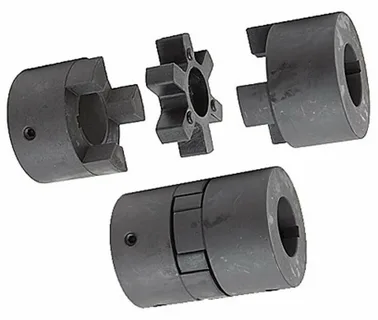
At its simplest, a Grid coupling consists of two hubs with machined grooves and a high-strength alloy steel grid element that locks the hubs together. Unlike rigid couplings, the grid element acts like a heavy-duty spring. As torque is applied, the grid deflects, providing a cushioning effect that protects the connected machinery from the harsh realities of mechanical vibration and shaft misalignment.
This mechanism is deeply connected to the modern need for "resilient engineering." In humanitarian and critical infrastructure projects—such as water treatment plants in remote regions—the failure of a single coupling can lead to a total system collapse. The Grid coupling provides a fail-safe layer of protection, ensuring that power continues to flow even when environmental factors cause slight shifts in machinery alignment.
Furthermore, the simplicity of the grid design allows for easier maintenance compared to more complex alternatives like the SDM Diaphragm Coupling. Because the grid element can often be replaced without removing the hubs from the shafts, the Grid coupling minimizes downtime, making it an ideal choice for industries where every minute of inactivity translates to significant revenue loss.
Core Components and Engineering Factors
The durability of a Grid coupling depends heavily on the material science of its grid element. Typically forged from high-grade alloy steel and heat-treated for optimal elasticity, the grid must balance hardness with flexibility. This ensures that the coupling can withstand millions of cycles of deflection without suffering from fatigue failure or permanent deformation.
Scalability is another core factor. A Grid coupling can be scaled from small, high-speed applications to massive, slow-turning industrial shafts. This versatility allows a single engineering standard to be applied across various product lines, whether the project requires the precision of an XL Spider Coupling or the heavy-duty capacity of a TGL Drum Gear Coupling.
Finally, cost efficiency is realized through the reduction of secondary damping equipment. By incorporating the damping mechanism directly into the Grid coupling, companies can eliminate the need for external shock absorbers or complex fluid couplings, simplifying the overall machine footprint and reducing the long-term cost of ownership.
Performance Metrics and Efficiency Ratings
When evaluating the efficiency of a Grid coupling, engineers look at the "Torsional Stiffness" and "Damping Coefficient." These metrics define how much the coupling will twist under a given load and how effectively it will dissipate energy. High-performance grids are designed to maximize torque transmission while maintaining a linear response to misalignment, ensuring smooth power delivery across the entire operating range.
Comparing different configurations of the Grid coupling reveals that the specific alloy used in the grid element can drastically shift the performance curve. For instance, a "High-Torque" variant might sacrifice some flexibility for raw strength, whereas a "Vibration-Damping" variant focuses on absorbing high-frequency oscillations to protect sensitive bearings.
Grid Coupling Performance Comparison
Global Applications and Use Cases
The practical application of a Grid coupling is most evident in heavy-duty industrial zones. For example, in the mining sectors of Australia and Brazil, these couplings are used in conveyor systems and crushers where the load is inherently inconsistent. The ability to absorb the shock of a large rock entering a crusher prevents the motor from burning out and the drive shaft from shearing.
In more specialized contexts, such as post-disaster relief operations, modular power generators often employ Grid coupling technology. Because these generators are often set up on uneven ground, the misalignment compensation of the grid coupling ensures that the electrical output remains stable despite the imperfect physical installation, providing reliable power to field hospitals and communication hubs.
Long-Term Value and Sustainability
From a sustainability perspective, the Grid coupling contributes to the "Circular Economy" by extending the life of the entire machinery fleet. When a coupling absorbs the stress, the more expensive components—like the motor and gearbox—last years longer. This reduces the industrial waste generated by the frequent replacement of heavy machinery and lowers the carbon footprint associated with manufacturing new cast-iron components.
There is also a profound emotional and logical angle to this reliability: safety. In high-torque environments, a mechanical failure can be catastrophic. By installing a certified Grid coupling, companies invest in the dignity and safety of their workforce, knowing that the risk of explosive mechanical failure is minimized through engineered damping.
Furthermore, the long-term value is found in the "predictable maintenance" model. Grid elements show wear in a predictable manner, allowing maintenance teams to schedule replacements during planned outages rather than reacting to emergencies. This trust in the equipment allows for more aggressive production schedules and greater overall innovation in plant layout.
Future Trends and Technical Innovations
The future of the Grid coupling is being shaped by the digital transformation of industry, often referred to as Industry 4.0. We are seeing the integration of "Smart Sensors" within the coupling hubs that can monitor torsional vibration in real-time. These sensors can alert engineers to a wearing grid element before it fails, transforming the coupling from a passive component into an active diagnostic tool.
Material innovation is also playing a huge role. New composite coatings and advanced heat-treatment processes are being applied to grid elements to reduce friction and increase corrosion resistance, especially for applications in offshore oil rigs or chemical processing plants. These advancements ensure that the Grid coupling remains relevant even as machines operate in increasingly extreme environments.
Lastly, the push toward green energy is driving a demand for couplings that can handle the erratic torque profiles of wind and tidal energy converters. The Grid coupling is being optimized for these specific frequencies, ensuring that the transition to sustainable energy is supported by robust, flexible mechanical links.
Technical Analysis of Grid Coupling Performance Dimensions
| Coupling Variant |
Damping Capacity |
Misalignment Limit |
Service Life (hrs) |
| Standard Steel Grid |
Moderate |
+/- 0.5° |
20,000 |
| Heavy-Duty Alloy |
High |
+/- 0.3° |
35,000 |
| Precision Series |
Low |
+/- 0.1° |
50,000 |
| Elastic Poly-Grid |
Very High |
+/- 1.0° |
15,000 |
| Corrosion-Resistant |
Moderate |
+/- 0.4° |
30,000 |
| Hybrid Composite |
High |
+/- 0.7° |
40,000 |
FAQS
A Grid coupling is superior because it provides flexibility and damping. While a rigid coupling transmits all shocks directly to the motor and bearings—often causing premature failure—the grid coupling uses a flexible element to absorb vibrations and accommodate slight shaft misalignments, significantly extending the lifespan of the entire drivetrain.
Replacement frequency depends on the load and environment, but typically, elements should be inspected every 6 to 12 months. Signs of wear include visible flattening of the grid or an increase in vibration levels. Regular lubrication of the grid element can significantly extend its life.
Yes, but with limitations. While they are excellent for torque and damping, very high-speed applications may require a more balanced precision grid or a different type of coupling, such as a DJM Diaphragm Coupling, to avoid centrifugal instability. Always check the RPM rating of your specific grid model.
Most traditional Grid couplings require lubrication within the cover to reduce friction between the grid and the hubs. This lubrication prevents wear and helps dissipate heat. However, some modern sealed versions are available for environments where external lubrication is impractical.
It handles angular misalignment through the deflection of the grid element. As the shafts tilt, the grid element bends slightly, allowing the power to be transmitted without putting excessive radial load on the bearings of the connected equipment.
In most designs, yes. The grid element is held in place by a cover. By removing the cover, you can slide out the worn grid and insert a new one without having to pull the hubs off the shafts, which saves hours of maintenance time.
Conclusion
In summary, the Grid coupling is an indispensable tool for modern industrial power transmission, offering a critical bridge between raw power and mechanical longevity. By effectively managing shock loads, accommodating misalignment, and providing a cost-effective maintenance path, it ensures that the most demanding machinery—from mining crushers to water pumps—can operate at peak efficiency with minimal risk of failure.
Looking ahead, the integration of smart monitoring and advanced materials will further cement the role of grid-based systems in the transition to Industry 4.0. For engineers and plant managers, investing in high-quality couplings is not merely a procurement task but a commitment to operational excellence and worker safety. To explore our full range of coupling solutions, visit our website: www.binhaocoupling.com