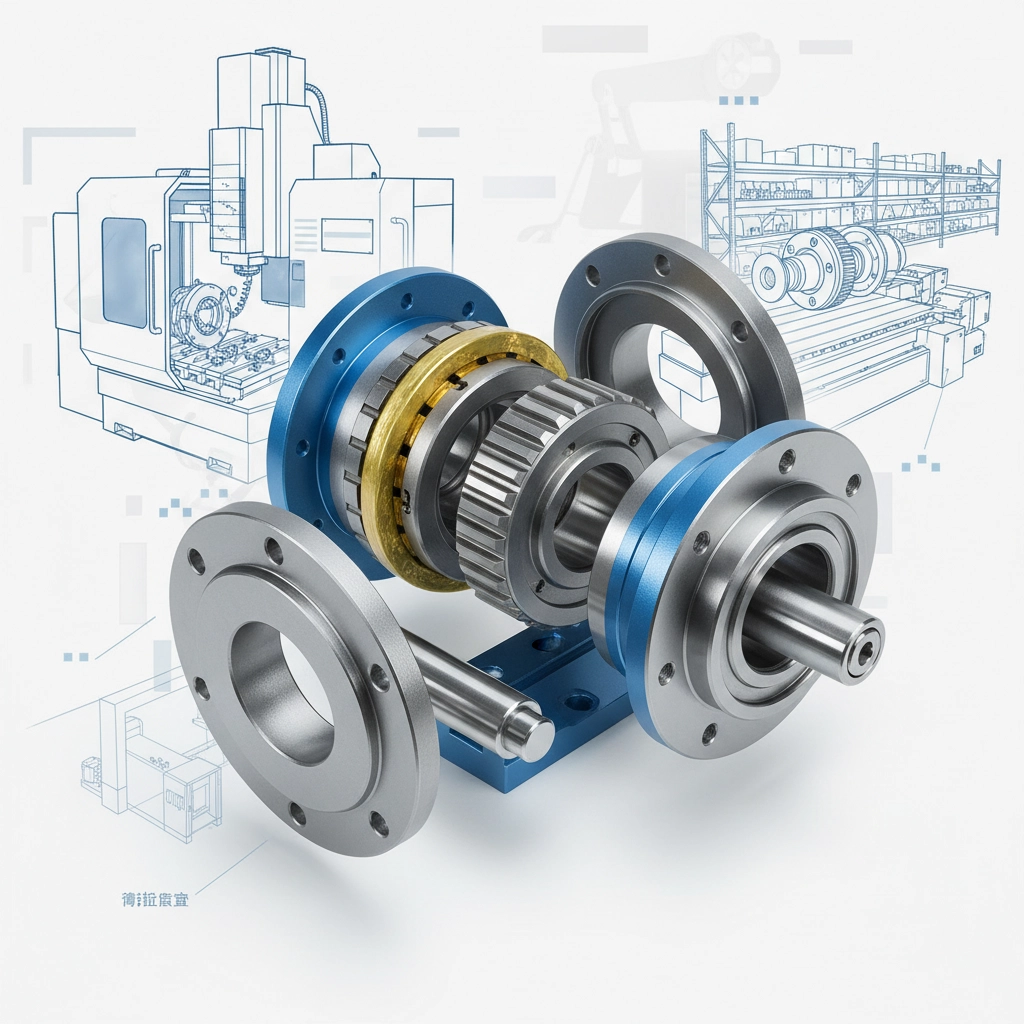
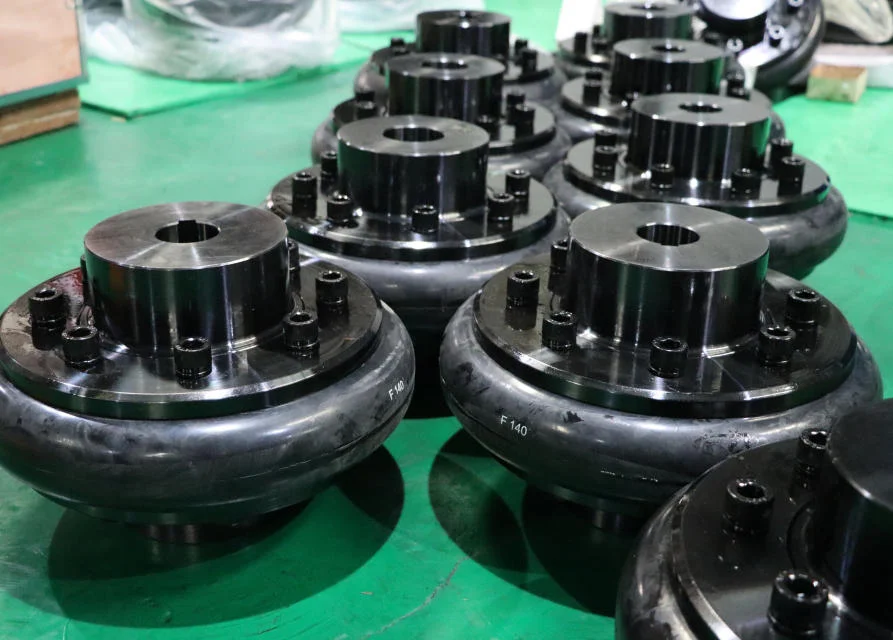
In the high-stakes environment of modern industrial machinery, the prevention of catastrophic mechanical failure is not just a matter of efficiency, but a critical safety mandate. A Safety coupling serves as the primary line of defense, acting as a mechanical fuse that protects expensive drive trains and personnel from the devastating effects of torque overloads. By strategically sacrificing a specific component to break the power flow during a jam or surge, these devices prevent the ripple effect of destruction that often leads to prolonged downtime and costly repairs.
Across global manufacturing sectors, the integration of a robust Safety coupling system is essential for maintaining operational continuity. Whether it is in heavy-duty mining equipment or precision pharmaceutical conveyors, the ability to isolate a motor from a seized load prevents shaft shearing and gearbox failure. This proactive approach to machine protection aligns with international safety standards, ensuring that industrial accidents are minimized and equipment longevity is maximized.
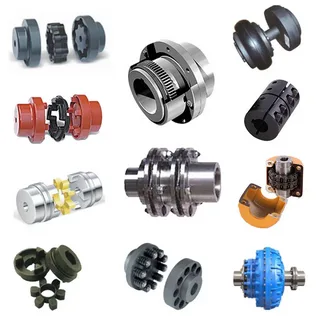
Understanding the nuances of torque limitation and energy absorption is key to selecting the right protective mechanism. From the precision of a DJM Diaphragm Coupling to the ruggedness of a TGL Drum Gear Coupling, the goal remains the same: ensuring that when the unexpected happens, the system fails safely. By exploring the technical specifications and application strategies of a Safety coupling, engineers can build more resilient systems that balance high performance with uncompromising safety.
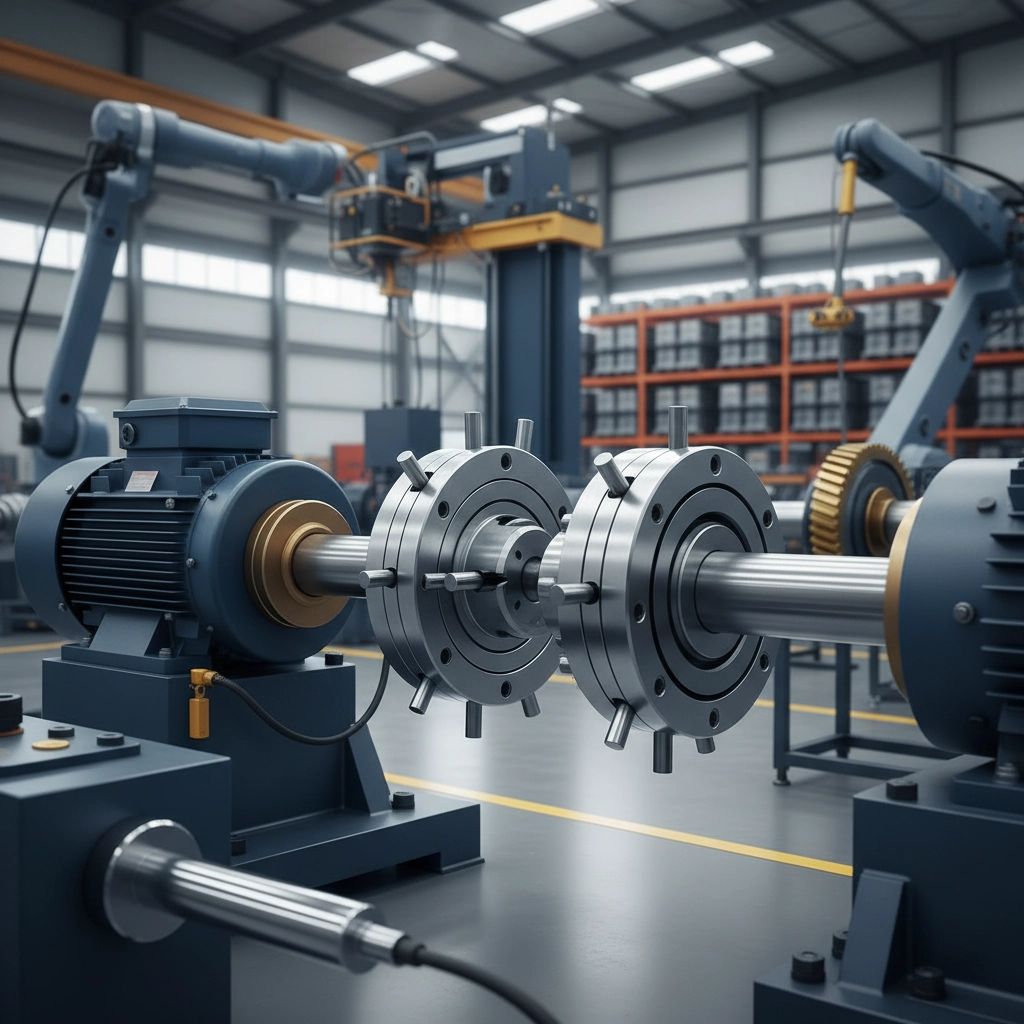
Global Relevance of Safety Coupling Systems
On a global scale, the reliance on automated power transmission has increased the risk of systemic failure due to unforeseen obstructions. According to ISO safety guidelines, the implementation of a Safety coupling is often the most cost-effective way to comply with machinery safety regulations. In regions with high industrial density, such as East Asia and Western Europe, the shift toward "Zero Accident" workplace goals has pushed the adoption of these protective devices from optional additions to mandatory specifications.
The challenge lies in the volatility of torque loads in heavy industry. When a conveyor belt in a mining operation jams, the kinetic energy stored in the flywheel can exert forces that shatter cast iron housings or bend hardened steel shafts. A properly calibrated Safety coupling mitigates this by providing a predictable point of failure, transforming a potential disaster into a simple maintenance task of replacing a shear pin or resetting a clutch.
Technical Definition and Mechanical Logic
A Safety coupling is a specialized mechanical device designed to disconnect the drive side from the driven side when the transmitted torque exceeds a predefined threshold. Unlike standard couplings like the L Series Elastic Jaw Coupling or the JK Clamping Coupling, which focus on alignment and vibration damping, a safety coupling is engineered specifically for overload protection. It acts as the "weakest link" in the chain, but is designed to be the easiest part to replace.
The mechanical logic operates on the principle of controlled failure or slippage. Some designs use shear pins that snap under specific loads, while more advanced versions utilize friction plates or ball-detent mechanisms that slip when the torque limit is reached. This prevents the motor from continuing to push energy into a locked system, thereby protecting the electrical windings of the motor and the structural integrity of the gearbox.
In the context of modern industry, these devices are critical for humanitarian and safety needs, particularly in food processing or chemical plants where a mechanical rupture could lead to hazardous leaks or worker injury. By ensuring a clean disconnection, the Safety coupling maintains the dignity of the workplace by prioritizing human life and environmental safety over the raw persistence of the machine.
Core Components and Performance Factors
The durability of a Safety coupling is determined by the quality of its trigger mechanism. Whether utilizing the rigid precision of a ZL Pin Coupling style or the flexible nature of an ML Plum Blossom Coupling, the materials must withstand millions of cycles of normal operation without premature fatigue. High-grade alloy steels and precision-machined tolerances ensure that the coupling only activates when the actual danger threshold is reached.
Scalability and adjustability are paramount for versatile industrial application. A high-performance Safety coupling often allows for the adjustment of the torque trip-point via calibrated springs or interchangeable shear pins. This allows the same basic hardware to be used across different production lines, merely adjusting the sensitivity to match the specific load requirements of the driven equipment.
Cost efficiency is not measured by the initial purchase price, but by the reduction in Total Cost of Ownership (TCO). By installing a Safety coupling, companies avoid the massive capital expenditure associated with replacing a primary drive shaft or a main gearbox. The ability to quickly swap a protective element in minutes rather than rebuilding a machine over weeks provides an immense competitive advantage in uptime.
Comparative Analysis of Protection Methods
When selecting a protection strategy, engineers often compare different types of Safety coupling mechanisms. Shear-pin types offer the most absolute protection and are incredibly cost-effective, though they require physical replacement after every trip. In contrast, friction-slip or ball-lock couplings allow for faster resets and are better suited for environments where intermittent overloads are common.
The decision usually boils down to the frequency of overload events and the acceptable downtime for resets. While a rigid coupling like the SDM Diaphragm Coupling provides high torsional stiffness, adding a safety element ensures that this stiffness does not become a liability during a catastrophic jam. The following data illustrates the performance trade-offs between common safety mechanisms.
Performance Metrics of Various Safety Coupling Types
Global Industrial Applications
In real-world contexts, the Safety coupling is indispensable in remote industrial zones, such as oil rigs in the North Sea or mining sites in the Australian Outback. In these locations, a single broken shaft can lead to weeks of downtime due to the logistical difficulty of transporting heavy replacement parts. By using a safety coupling, onsite technicians can resolve a torque overload event simply by replacing a standard pin or resetting a spring, without needing a heavy-lift crane or specialized machining tools.
Furthermore, in the automated warehousing industry, high-speed sorting systems utilize these couplings to protect servo motors from accidental jams caused by misplaced packages. By integrating Safety coupling logic, these facilities maintain a high "Mean Time Between Failures" (MTBF) and ensure that a small mechanical glitch does not cascade into a full system blackout, thus preserving the flow of global commerce.
Long-Term Value and Operational Reliability
The long-term value of implementing a Safety coupling extends beyond simple cost savings; it builds organizational trust. When operators know that the machinery is equipped with fail-safe mechanisms, they can operate equipment at optimal speeds with the confidence that the system will protect itself. This psychological safety leads to better operational efficiency and a more focused workforce.
From a sustainability perspective, these devices reduce industrial waste. Instead of scrapping an entire gear assembly or a customized drive shaft after a failure, only a small, recyclable component of the Safety coupling is replaced. This aligns with the circular economy principles by minimizing the consumption of raw materials and reducing the carbon footprint associated with manufacturing heavy industrial replacements.
Reliability is also enhanced through the reduction of "hidden" damage. Often, when a machine jams without a safety device, the shaft doesn't snap immediately but develops micro-fractures that lead to failure months later. A Safety coupling prevents these latent defects by ensuring that the stress never reaches the threshold of permanent plastic deformation in the primary components.
Future Innovations in Torque Limitation
As industry 4.0 continues to evolve, the Safety coupling is undergoing a digital transformation. We are seeing the emergence of "smart couplings" that incorporate embedded sensors to monitor torque levels in real-time. These devices can send an alert to a central control room before a trip occurs, allowing operators to investigate the cause of the load increase and prevent the safety trip altogether, thereby eliminating downtime.
New materials, including carbon-fiber reinforced polymers and advanced ceramics, are being tested to create couplings that are lighter yet more precise in their torque-release profiles. These innovations allow for the use of Safety coupling systems in high-speed aerospace applications where every gram of weight matters, but failure is not an option.
Additionally, the move toward green energy—such as wind turbine drivetrain protection—is driving the development of larger, more robust safety mechanisms. These systems must handle massive intermittent loads from wind gusts while ensuring the main gearbox remains protected, demonstrating that the Safety coupling remains a cornerstone of sustainable engineering.
Analysis of Safety Coupling Technologies across Industrial Dimensions
| Coupling Technology |
Response Speed |
Reset Complexity |
Maintenance Cost |
| Shear Pin Safety |
Instantaneous |
Medium (Replace Pin) |
Very Low |
| Ball-Detent Safety |
Fast |
Low (Automatic) |
Medium |
| Friction Slip Safety |
Moderate |
Low (Reset Screw) |
Low |
| Electronic Safety |
Milliseconds |
Very Low (Software) |
High |
| Hydraulic Safety |
Moderate |
Medium (Valve Reset) |
Medium |
| Hybrid Safety |
Fast |
Medium |
Medium |
FAQS
A standard coupling is designed to transmit torque and compensate for misalignment with maximum rigidity or damping. In contrast, a Safety coupling is specifically engineered to fail or slip at a precise torque limit. While standard couplings aim to stay connected at all costs, safety couplings are designed to disconnect to protect the more expensive components of the drive train.
The torque setting should be higher than the maximum possible operational load (including startup surges) but lower than the yield point of the weakest critical component in your system (usually the shaft or gearbox teeth). It is recommended to consult the manufacturer's torque specifications for your motor and gearbox and set the Safety coupling roughly 15-20% above the peak normal operating torque.
Yes, but the type of mechanism matters. Friction-based Safety coupling designs may be susceptible to "nuisance trips" if vibration is extreme. In such cases, ball-detent or shear-pin designs are preferred as they are less likely to be affected by harmonic oscillations, ensuring that the system only disconnects during a genuine overload event.
Not necessarily. For shear-pin types, you only need to replace the shear pin itself. For slip-clutch or ball-lock Safety coupling versions, the device can often be reset manually or automatically without any part replacement. Only in cases of extreme mechanical deformation would the entire housing need to be replaced.
By preventing catastrophic failures, a Safety coupling significantly reduces the amount of industrial scrap. Instead of replacing massive steel shafts or complex gearboxes—which require immense energy to manufacture and transport—operators only replace small, specific wear parts. This minimizes raw material waste and lowers the overall carbon footprint of plant maintenance.
Depending on the load, different series are appropriate. For precision and lower loads, the XL Spider Coupling or L Series Elastic Jaw Coupling can provide some inherent damping, but for true overload protection, we recommend integrating a dedicated Safety coupling mechanism. For heavy-duty needs, the TGL Drum Gear Coupling paired with a torque limiter is the industry standard.
Conclusion
The implementation of a Safety coupling is a strategic investment in the resilience and longevity of industrial machinery. By shifting the point of failure from critical, expensive components to a manageable, sacrificial element, companies can drastically reduce unplanned downtime and operational risk. From the initial technical selection to the long-term maintenance of torque limits, these devices provide a logical and emotional layer of security, ensuring that productivity never comes at the cost of safety.
Looking ahead, the integration of smart sensing and advanced materials will further refine how we protect our mechanical assets. We encourage engineers and plant managers to move beyond reactive maintenance and adopt a proactive "fail-safe" philosophy. Investing in high-quality overload protection today is the only way to ensure a sustainable and secure industrial tomorrow. Visit our website to explore our full range of solutions: www.binhaocoupling.com