
- russian
- italian
- japanese
- korean
- latin
- latvian
- lithuanian
- malay
- norwegian
- persian
- polish
- portuguese
- romanian
- irish
- sanskrit
- slovak
- spanish
- swahili
- swedish
- tamil
- thai
- turkish
- ukrainian
- urdu
- vietnamese
- welsh
- english
- arabic
- armenian
- basque
- belarusian
- bengali
- bulgarian
- burmese
- croatian
- czech
- danish
- deutsch
- dutch
- albanian
- estonian
- filipino
- finnish
- french
- georgian
- greek
- hebrew
- hindi
- hungarian
- icelandic
- indonesian
In the demanding world of industrial power transmission, the Spider coupling serves as a critical bridge between motors and driven equipment. By integrating a flexible elastomer insert—the "spider"—between two metallic hubs, this coupling ensures that rotational energy is transferred efficiently while shielding sensitive machinery from the destructive effects of misalignment and vibration.
Globally, the shift toward high-precision manufacturing and automated production lines has amplified the need for components that can maintain stability under fluctuating loads. A well-chosen Spider coupling reduces the wear and tear on bearings and seals, significantly extending the mean time between failures (MTBF) for expensive industrial assets.
Understanding the nuances of elastomer materials, torque ratings, and damping characteristics is not merely a technical requirement but a strategic advantage. Whether in heavy-duty mining operations or delicate medical device assembly, the implementation of the right spider-based connection is fundamental to ensuring operational safety and maximizing energy efficiency across the global supply chain.
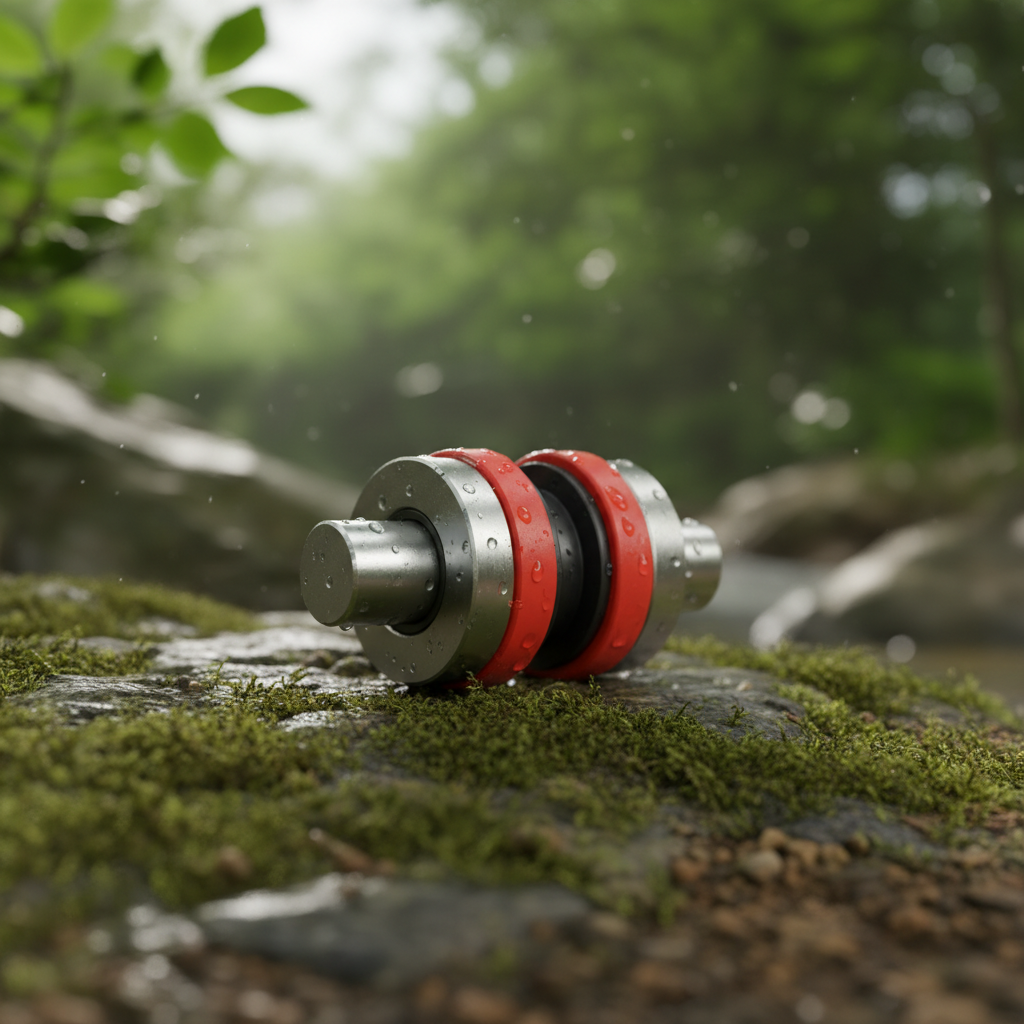
The Fundamental Mechanics of Spider Coupling

At its core, a Spider coupling operates on the principle of elastic deformation. The "spider" is a star-shaped insert made of thermoplastic or rubber that fits snugly between two interlocking hubs. As the drive shaft rotates, the spider compresses and expands, absorbing the shock of sudden startups or stops, which prevents the transmission of harmful peak torques to the motor.
This design is particularly effective for managing angular, parallel, and axial misalignment. By allowing for a small degree of flexibility, the coupling ensures that the shafts do not have to be perfectly coaxial, which is nearly impossible to achieve in large-scale industrial installations. This inherent flexibility reduces the radial loads on bearings, thereby lowering the overall heat generation and energy consumption of the system.
FAQS
Replacement intervals vary based on the load and environment. Generally, you should inspect the Spider coupling every 3-6 months. Look for signs of "powdering" (elastomer dust) or visible cracks. If the coupling exhibits increased vibration or audible noise, the spider has likely lost its elasticity and should be replaced immediately to prevent shaft damage.
Yes, increasing the shore hardness of the elastomer typically increases the torque rating. However, there is a trade-off: harder spiders provide less damping and are less forgiving of misalignment. If you switch to a harder material, ensure your shafts are precisely aligned to avoid putting excessive stress on the bearings.
A Spider coupling uses an elastomer insert for shock absorption and misalignment compensation, making it ideal for medium-duty applications. A gear coupling uses metallic interlocking teeth and requires lubrication; it is designed for extremely high torque and heavy-duty industrial loads where damping is less critical than sheer strength.
Depending on the hub design, some spider couplings allow for the insert to be replaced by simply sliding the hubs apart slightly. However, for a secure fit and to ensure proper alignment, it is always recommended to follow the manufacturer's guidelines, which often involve loosening the set screws or removing one side of the coupling.
Premature wear is usually caused by three factors: excessive misalignment beyond the coupling's specification, chemical incompatibility (e.g., using NBR in an environment with incompatible solvents), or operating the system at speeds exceeding the rated RPM. Checking the alignment with a dial indicator can often solve the root cause.
Yes, provided you select a high-precision version with a high-durometer spider. These are designed to minimize backlash and hysteresis, ensuring that the command from the servo motor is translated into precise linear or rotational motion without the "spring" effect common in lower-grade couplings.
Conclusion
The Spider coupling stands as a masterclass in balanced engineering, offering a perfect synthesis of rigidity for power transmission and flexibility for machine protection. By strategically selecting the right elastomer material and maintaining a regular inspection schedule, industrial operators can virtually eliminate the risks associated with misalignment and vibration, thereby ensuring that their production lines operate at peak efficiency.
As we move toward a future of smarter, greener factories, the role of the coupling will evolve from a passive mechanical part to an active data point in the predictive maintenance ecosystem. Investing in high-quality spider coupling solutions today is not just about preventing failure; it is about building a foundation for a more resilient, sustainable, and precise industrial future. Visit our website: www.binhaocoupling.com
Related Posts
-
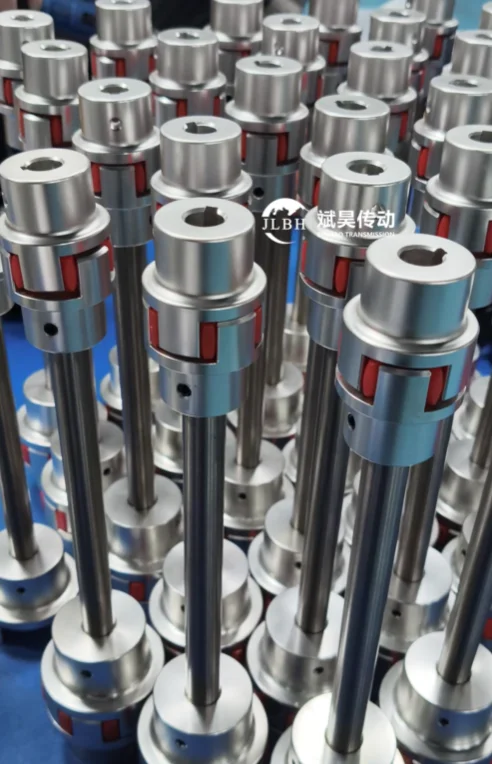
Top 10 Shaft Coupling Supplier From China for Industrial Equipment
-

Optimizing Industrial Performance with Leading Shaft Coupling Exporters
-

Exploring Global Flexible Coupling Suppliers for Industrial Power Transmission
-
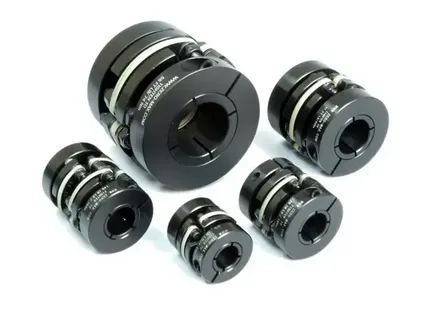
China Leading Motor Coupling Exporter Offering Customized Power Transmission Solutions