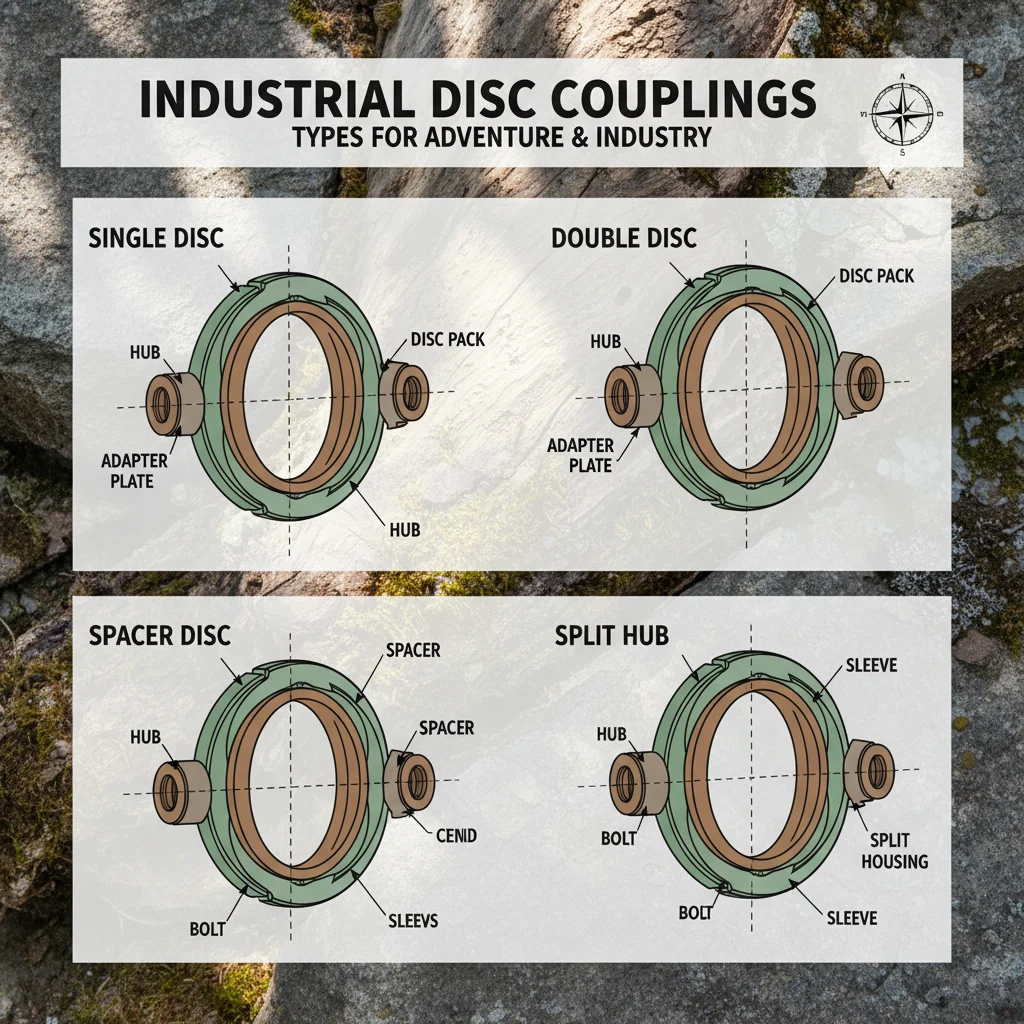
In the intricate world of mechanical power transmission, the shaft coupling serves as the unsung hero, ensuring that rotational energy is transferred efficiently from a prime mover to a driven machine. Without a precise connection, the alignment discrepancies and vibrational stresses inherent in industrial machinery would lead to catastrophic bearing failures and unplanned downtime. Understanding the nuances of these components is not just a technical necessity but a commercial imperative for maintaining operational continuity.
Globally, the demand for high-performance coupling solutions is surging as industries shift toward higher precision and energy efficiency. Whether it is a heavy-duty GIICL Gear Coupling in a mining operation or a precision XL Aluminum Clamping Coupling in a laboratory instrument, the right choice of hardware directly impacts the lifecycle of the entire drivetrain. The ability to dampen vibrations and accommodate misalignment is what separates a fragile system from a robust industrial powerhouse.
By exploring the diverse landscape of shaft coupling options—from the elasticity of L Series Jaw couplings to the rigidity of clamping models—engineers can optimize their systems for maximum reliability. This guide aims to bridge the gap between raw technical specifications and practical application, providing a comprehensive roadmap for selecting and implementing the ideal coupling solution for any industrial challenge.
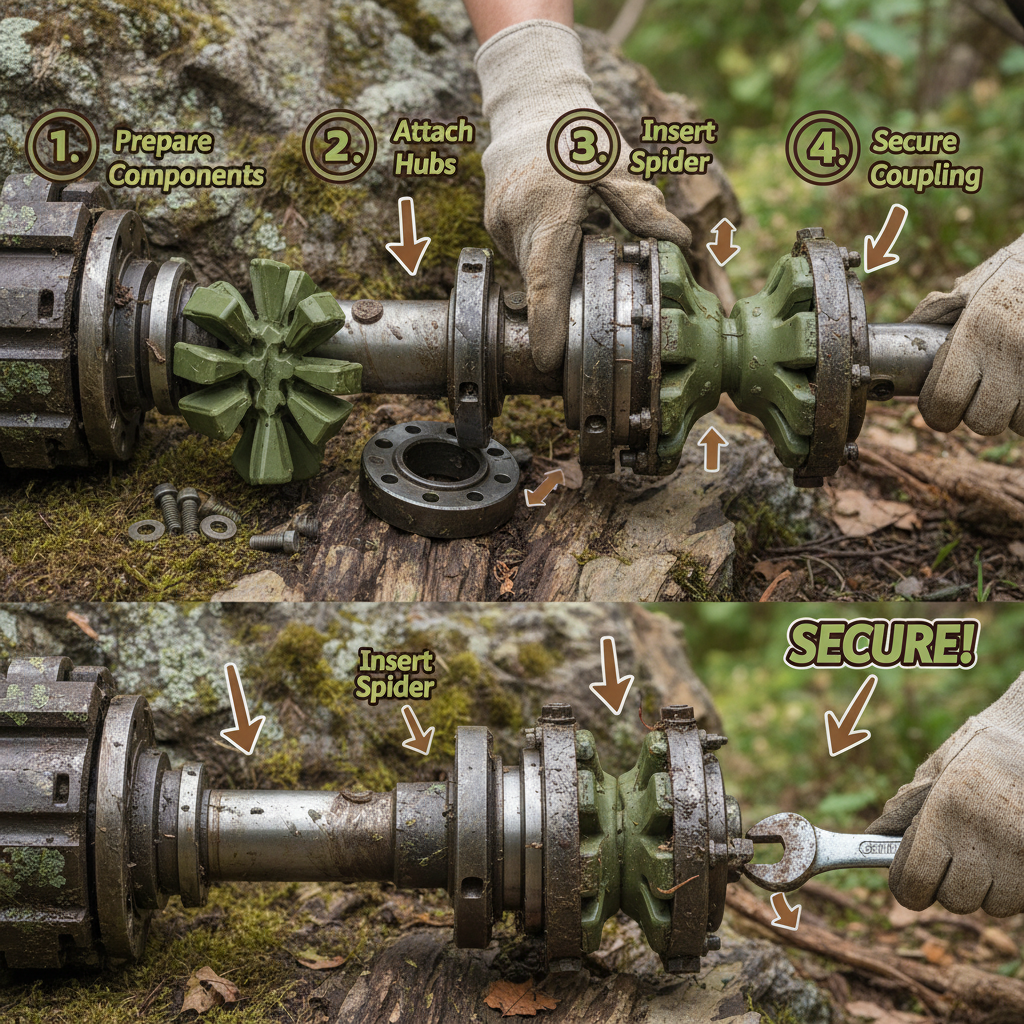
Global Industrial Relevance of Shaft Coupling
The global industrial landscape relies heavily on the seamless transmission of torque, making the shaft coupling a critical component across almost every manufacturing sector. According to ISO standards for mechanical transmission, the precision of the connection between two shafts determines the efficiency of the entire power train. In regions with rapid industrialization, such as Southeast Asia and India, the adoption of high-torque gear couplings and flexible diaphragm couplings has become essential to support heavy-duty infrastructure projects.
The primary challenge addressed by these components is the inevitable misalignment between motors and loads. Even a fraction of a millimeter in offset can lead to exponential increases in vibration, which, according to industry data, accounts for a significant percentage of premature bearing failures. By implementing specialized solutions like the NL Gear Elastic Coupling or the SDM Diaphragm Coupling, enterprises can mitigate these risks, ensuring that energy is not wasted as heat or noise, but is instead converted entirely into productive work.
Defining the Mechanics of Shaft Coupling
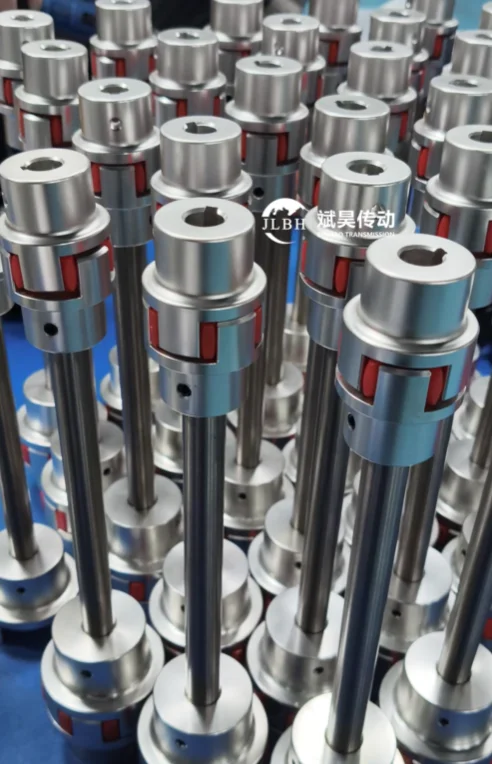
At its most fundamental level, a shaft coupling is a device used to connect two linear or rotating shafts together at their ends for the purpose of transmitting power. While the concept seems simple, the execution varies wildly depending on the need for flexibility. Rigid couplings are used when shafts are perfectly aligned, whereas flexible couplings, such as the L Series Elastic Jaw or the ML Plum Blossom Coupling, are designed to absorb shocks and compensate for parallel or angular misalignment.
In the context of modern industry, these components act as the "joints" of the mechanical world. Just as human joints allow for movement while maintaining structural integrity, a coupling ensures that the drive shaft and the driven shaft can operate in harmony despite the stresses of thermal expansion or foundation settling. This capability is vital for humanitarian-focused infrastructure, such as water pumping stations in remote areas, where maintenance access is limited and equipment reliability is a matter of survival.
Beyond simple connection, modern couplings integrate advanced materials to provide fail-safe mechanisms. For instance, the use of high-grade elastomers in the ZL Pin Coupling allows for a degree of "give," preventing the motor from burning out during a sudden jam in the machinery. This protective layer of mechanical intelligence ensures that the most expensive components of a system—the motor and the gearbox—are shielded from the harsh realities of industrial operation.
Core Factors Driving Coupling Performance
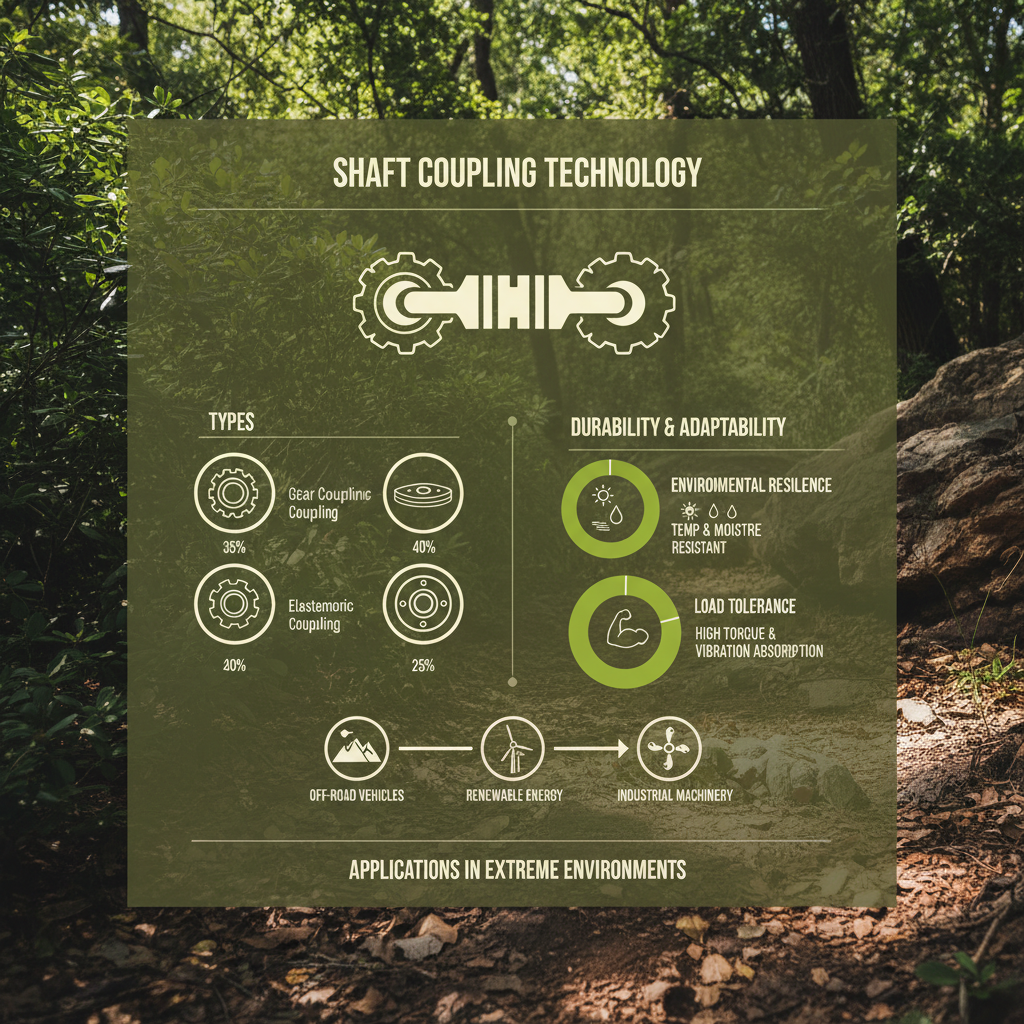
Durability is the cornerstone of any shaft coupling selection. In harsh environments—such as chemical processing plants or mining sites—the materials must withstand corrosion and extreme temperatures. The use of hardened steel in GIICL Gear Couplings ensures that the teeth can handle immense torque without pitting or wearing down, extending the service interval from months to years.
Torsional Flexibility and Dampening are equally critical. Components like the ML Plum Blossom Coupling are specifically engineered to absorb peak loads and reduce the transmission of noise. By utilizing specialized polymer inserts, these couplings convert mechanical shocks into negligible thermal energy, protecting the drivetrain from fatigue and ensuring a smoother, quieter operation that improves the working environment for operators.
Installation Scalability and Ease of Maintenance define the operational cost of the system. Modular designs, such as those found in the JK Clamping Coupling or the XL Spider Coupling, allow for rapid replacement without the need for extensive disassembly of the entire machine. This "plug-and-play" approach to mechanical coupling reduces MTTR (Mean Time To Repair) and allows facilities to scale their production lines without facing disproportionate increases in maintenance complexity.
Global Applications and Use Cases
The application of shaft coupling technology spans the globe, from the depths of offshore oil rigs to the sterile environments of pharmaceutical labs. In the energy sector, TGL Drum Gear Couplings are utilized in massive turbines where torque requirements are extreme and any failure would result in city-wide power outages. These couplings provide the necessary rigidity to handle the load while allowing for the minute thermal expansions that occur as the turbine reaches operating temperature.
In more specialized contexts, such as post-disaster relief operations, modular and lightweight coupling solutions are deployed in mobile power generators and water filtration units. The ease of assembly provided by the XL Aluminum Clamping Coupling makes it ideal for rapid-deployment scenarios where technicians must set up critical infrastructure in remote industrial zones with minimal tools. This versatility ensures that essential services can be restored quickly, regardless of the local environmental constraints.
Performance Comparison of Shaft Coupling Types
Tangible Advantages and Long-Term Value
The implementation of a high-quality shaft coupling provides an immediate return on investment through reduced energy consumption. When shafts are improperly coupled, energy is lost through friction and vibration; however, utilizing a precision-engineered NL Gear Elastic Coupling ensures that maximum torque is delivered to the load. This efficiency not only lowers utility costs but also reduces the carbon footprint of the manufacturing facility, aligning operational goals with global sustainability trends.
Beyond the balance sheet, the long-term value lies in the psychological peace of mind and safety provided to the workforce. A coupling failure in a high-speed drivetrain can be catastrophic, potentially leading to shrapnel or machine collapse. By investing in certified, high-reliability couplings like the DJM Diaphragm series, companies demonstrate a commitment to employee safety and operational dignity. This trust in the hardware allows engineers to focus on innovation and process optimization rather than constant crisis management.
Future Trends and Material Innovations
The future of shaft coupling design is being reshaped by the digital transformation and the rise of "Industry 4.0." We are seeing the emergence of "Smart Couplings" equipped with embedded sensors that can monitor torque levels and vibration frequencies in real-time. This shift from reactive to predictive maintenance allows operators to replace a coupling during a scheduled break rather than suffering an emergency shutdown, effectively eliminating unplanned downtime.
Material science is also playing a pivotal role, with the introduction of advanced carbon-fiber composites and high-performance thermoplastic elastomers. These materials allow for the creation of couplings that are lighter than aluminum but stronger than steel, reducing the rotational inertia of the system and allowing for faster start-stop cycles. This is particularly beneficial in the automation and robotics sector, where rapid precision movements are required.
Furthermore, the move toward green energy is driving the development of couplings specifically designed for wind turbines and hydrogen compressors. These environments require extreme resistance to corrosion and the ability to handle erratic load fluctuations. The evolution of the SDM Diaphragm Coupling, for example, is focusing on enhancing fatigue life to match the 25-year lifespan of modern wind farm assets, ensuring that the coupling is no longer the weak link in the renewable energy chain.
Common Challenges and Engineering Solutions
One of the most persistent challenges in the industry is the "misalignment paradox," where the attempt to fix one type of misalignment (e.g., angular) inadvertently creates another (e.g., parallel). Engineers often struggle with this during the installation of heavy machinery. The solution lies in the adoption of multi-flex couplings, such as the L Series Elastic Jaw, which can handle multiple planes of misalignment simultaneously, providing a "buffer zone" that simplifies the installation process.
Another common hurdle is the degradation of elastomeric components due to oil contamination or ozone exposure. In many industrial settings, standard rubber inserts perish quickly, leading to unexpected failure. To overcome this, we recommend transitioning to high-grade polyurethane or specialized polymers found in our ML Plum Blossom Couplings, which offer superior chemical resistance and significantly longer service lives in aggressive environments.
Finally, the struggle with torque limiting in sensitive electronic drives is a frequent pain point. When a downstream jam occurs, the motor often takes the brunt of the force. The implementation of a specialized shaft coupling with an integrated shear pin or a slip-clutch mechanism acts as a mechanical fuse, sacrificing a low-cost component to save a high-cost motor, thus optimizing the total cost of ownership.
Comparison of Coupling Solutions for Industrial Challenges
| Challenge Type |
Recommended Coupling |
Performance Gain |
Maintenance Impact |
| High Vibration |
ML Plum Blossom |
9/10 Dampening |
Reduced Bearing Wear |
| Extreme Torque |
GIICL Gear |
10/10 Rigidity |
Long Intervals |
| Angular Offset |
DJM Diaphragm |
8/10 Flexibility |
Easy Alignment |
| Fast Setup |
XL Clamping |
7/10 Precision |
Near-Zero Install Time |
| Chemical Exposure |
ZL Pin Coupling |
8/10 Resistance |
Extended Life |
| Low Inertia |
XL Spider |
9/10 Response |
Modular Swap |
FAQS
The choice depends primarily on torque and alignment requirements. Gear couplings (like the GIICL) are ideal for extremely high torque and heavy-duty applications where rigidity is key. Diaphragm couplings (like the DJM) are preferred for high-speed applications and where high torsional stiffness is needed along with the ability to handle angular misalignment without the need for lubrication.
While no coupling can eliminate all vibration, flexible couplings like the ML Plum Blossom or L Series Jaw are designed to significantly dampen and absorb shocks. They act as a mechanical filter, preventing vibrations from traveling from the motor to the driven equipment, which protects your bearings and extends the overall lifespan of the machine.
Lifespan varies by environment. In clean, temperature-controlled settings, a high-quality insert can last several years. However, in environments with oil exposure or extreme heat, they may need replacement every 6-12 months. Using specialized materials like polyurethane in our ZL Pin Couplings can significantly extend this window compared to standard rubber.
One of the primary advantages of the XL Aluminum Clamping Coupling is that it often eliminates the need for keys or set screws. By using a high-pressure clamping mechanism, it grips the shaft across its entire surface area, reducing the risk of shaft damage and ensuring a more secure, slip-free connection during high-acceleration cycles.
Misalignment causes the motor to work harder to overcome friction and vibration, leading to higher current draw. A precision shaft coupling ensures the most direct and efficient path for torque transmission. By reducing parasitic energy losses, you lower your kilowatt-hour consumption and reduce the heat load on your electrical systems.
Generally, yes. Unlike gear couplings that require periodic lubrication to prevent wear, diaphragm couplings are typically lubrication-free. This makes them an excellent choice for food-grade environments or clean-room applications where oil leaks would be unacceptable. They provide a "fit and forget" solution for many high-precision industries.
Conclusion
In summary, the selection of a shaft coupling is far from a trivial hardware decision; it is a strategic engineering choice that influences the efficiency, safety, and longevity of an entire industrial system. From the heavy-duty reliability of GIICL Gear Couplings to the agile precision of XL Aluminum Clamping models, the right coupling mitigates the risks of misalignment, dampens destructive vibrations, and ensures that power is transmitted with minimal waste. By prioritizing material quality and application-specific design, companies can transition from a cycle of constant repair to a state of optimized, continuous production.
Looking ahead, the integration of smart sensing and advanced composites will continue to push the boundaries of what mechanical couplings can achieve. For those seeking to future-proof their operations, the move toward predictive maintenance and high-efficiency materials is no longer optional—it is the pathway to competitive advantage. We encourage you to evaluate your current drivetrain health and upgrade to solutions that offer not just a connection, but a strategic improvement in performance. Visit our website for expert guidance and a full catalog of solutions: www.binhaocoupling.com