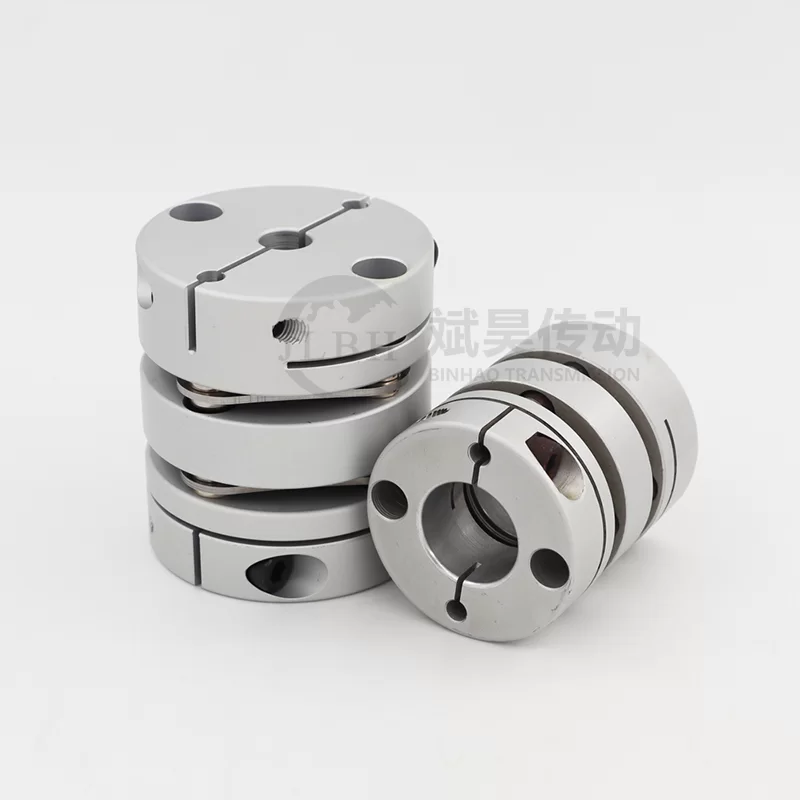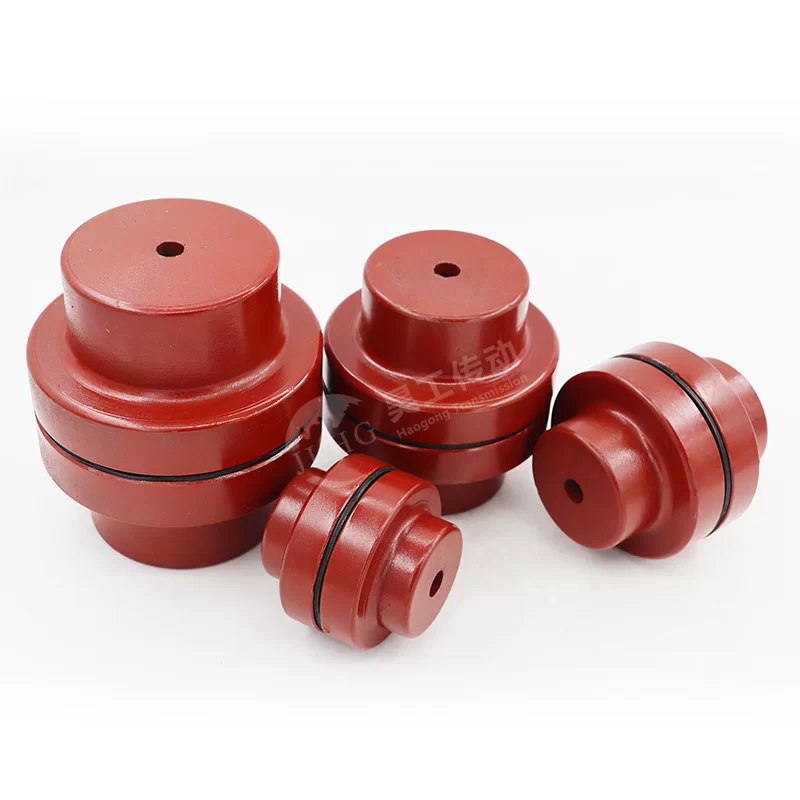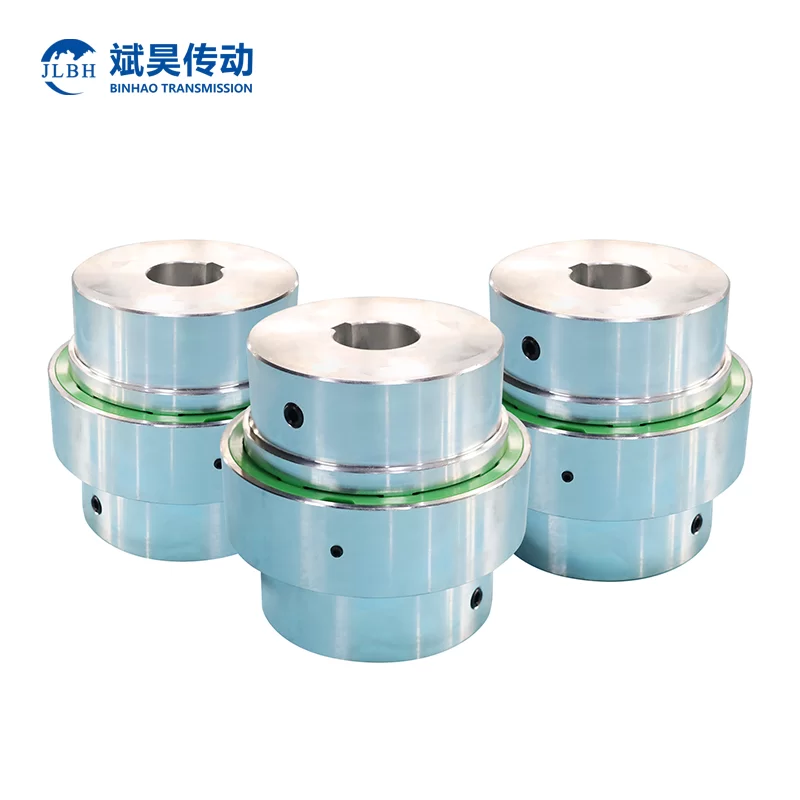
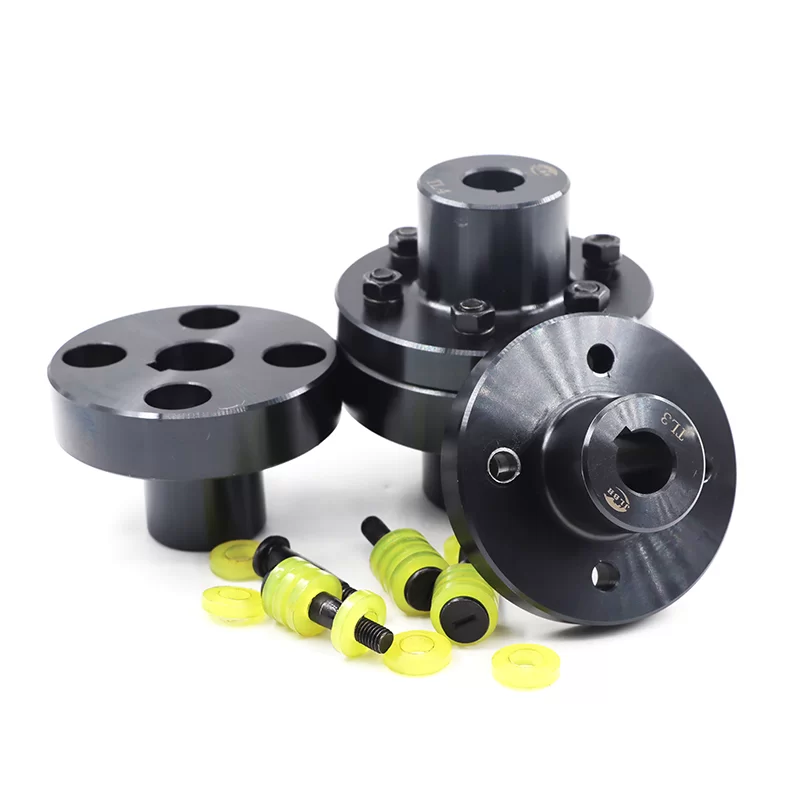
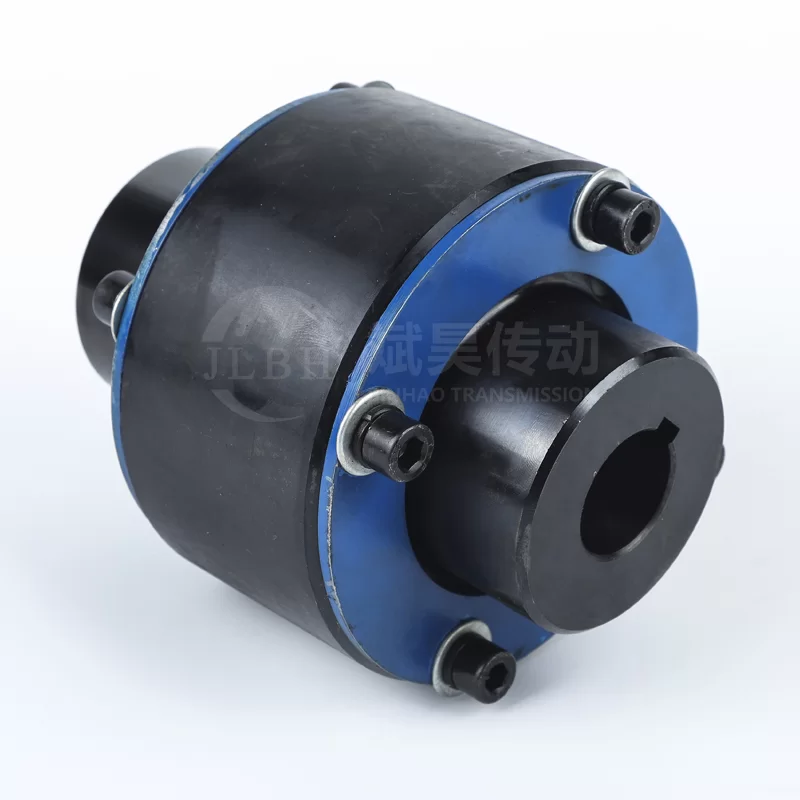
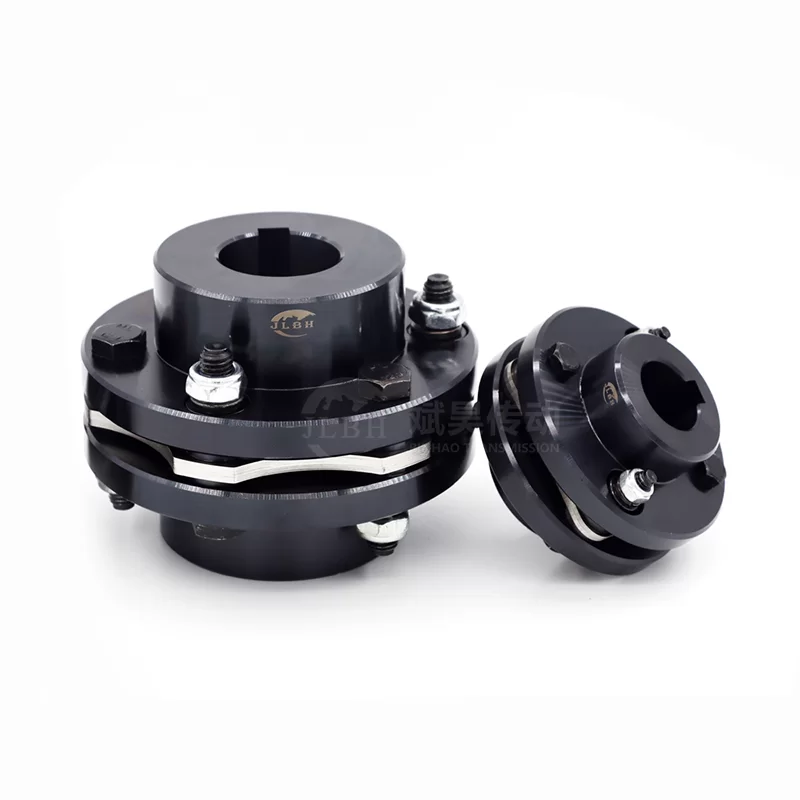
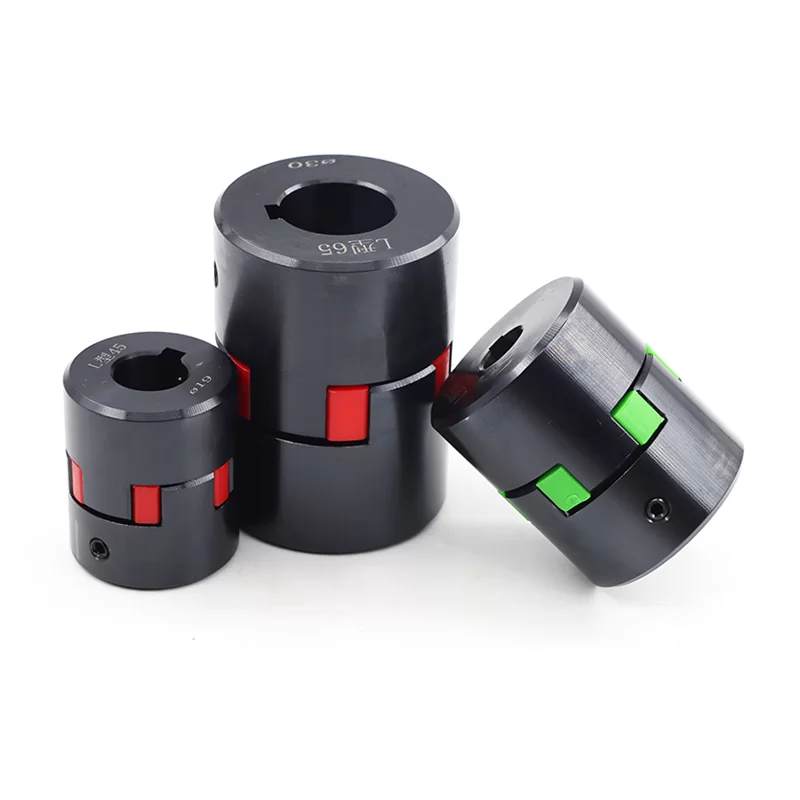
Sri Lanka's manufacturing sector is experiencing growth, particularly in rubber, textiles, food processing, and metal fabrication. This expansion drives demand for robust and reliable power transmission components like elastic pin coupling. However, the local coupling manufacturing industry is often characterized by smaller-scale operations, limited technological investment, and reliance on imports. The tropical climate and high humidity present challenges for material selection and corrosion resistance, demanding couplings that can withstand harsh environmental conditions.
The availability of skilled labor and access to advanced manufacturing technologies are key constraints. Many local manufacturers focus on simpler coupling designs, while more complex and high-precision drum gear coupling are primarily imported. The fluctuating exchange rates and import duties also contribute to the cost of components, impacting the competitiveness of local manufacturers.
Despite these challenges, there’s a growing trend towards adopting more efficient and reliable coupling technologies to improve machinery uptime and reduce maintenance costs. Demand for specialized couplings, like those used in high-speed applications or corrosive environments, is increasing, particularly as Sri Lanka attracts more foreign investment in advanced manufacturing.