- russian
- italian
- japanese
- korean
- latin
- latvian
- lithuanian
- malay
- norwegian
- persian
- polish
- portuguese
- romanian
- irish
- sanskrit
- slovak
- spanish
- swahili
- swedish
- tamil
- thai
- turkish
- ukrainian
- urdu
- vietnamese
- welsh
- english
- arabic
- armenian
- basque
- belarusian
- bengali
- bulgarian
- burmese
- croatian
- czech
- danish
- deutsch
- dutch
- albanian
- estonian
- filipino
- finnish
- french
- georgian
- greek
- hebrew
- hindi
- hungarian
- icelandic
- indonesian
In the complex world of mechanical power transmission, the flexible coupling serves as a critical link that ensures operational stability and longevity. By allowing for minor misalignments between two shafts, these components prevent catastrophic failures and reduce the wear and tear on expensive bearings and motors, making them indispensable in modern industrial machinery.
Across global industries—from heavy-duty mining to precision manufacturing—the implementation of a high-quality flexible coupling is the difference between a system that requires constant maintenance and one that runs with seamless efficiency. Understanding the nuances of these components allows engineers to optimize torque transmission while absorbing harmful vibrations.
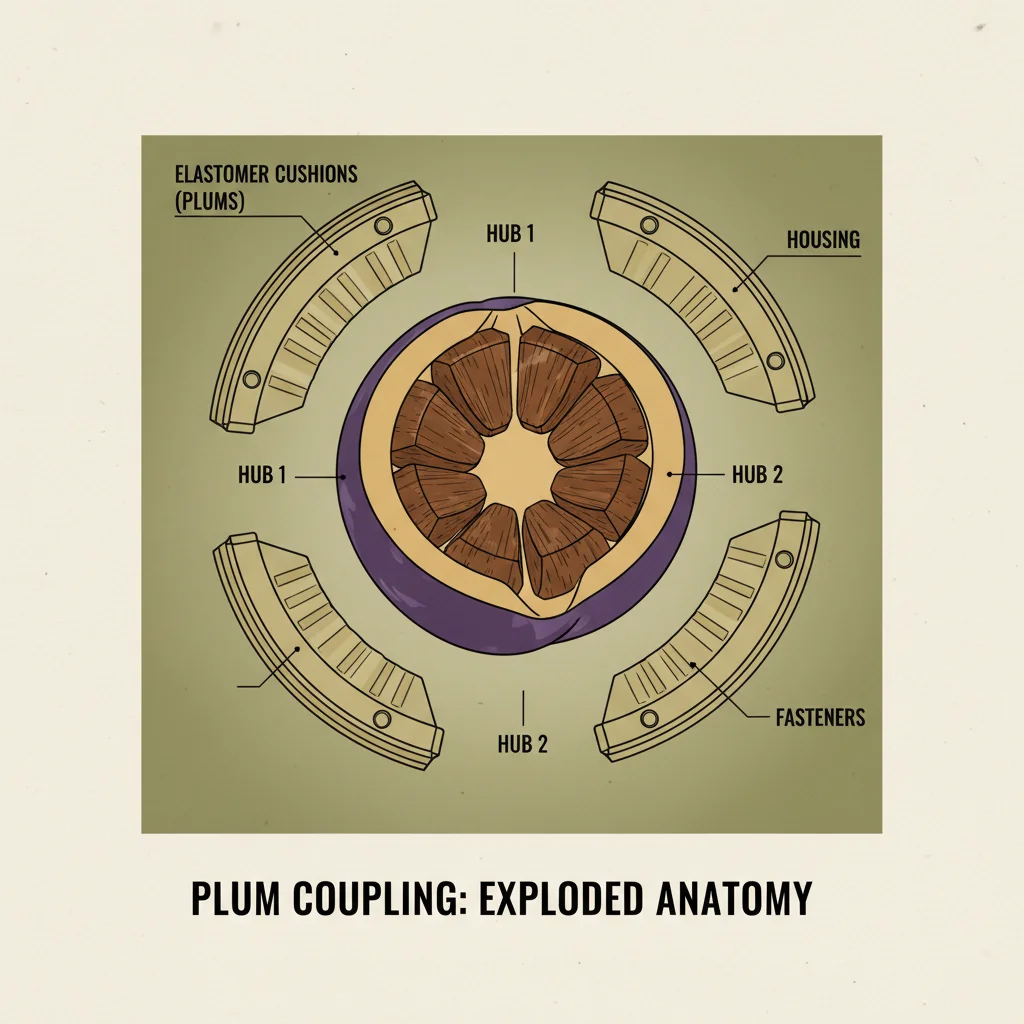
Whether you are dealing with the high-torque requirements of a GIICL Gear Coupling or the precision dampening of an ML Plum Blossom Coupling, the goal remains the same: maximizing uptime and safeguarding equipment. This comprehensive guide explores the technical dimensions, applications, and future trends of flexible coupling technology to help you make an informed procurement decision.

Global Industrial Relevance of Flexible Coupling

On a global scale, the demand for robust power transmission is skyrocketing as emerging economies automate their manufacturing sectors. According to ISO standards for mechanical transmission, the ability to manage angular, parallel, and axial misalignment is paramount to preventing premature equipment failure. A flexible coupling solves the fundamental challenge of imperfect shaft alignment, which is nearly inevitable in large-scale industrial installations.
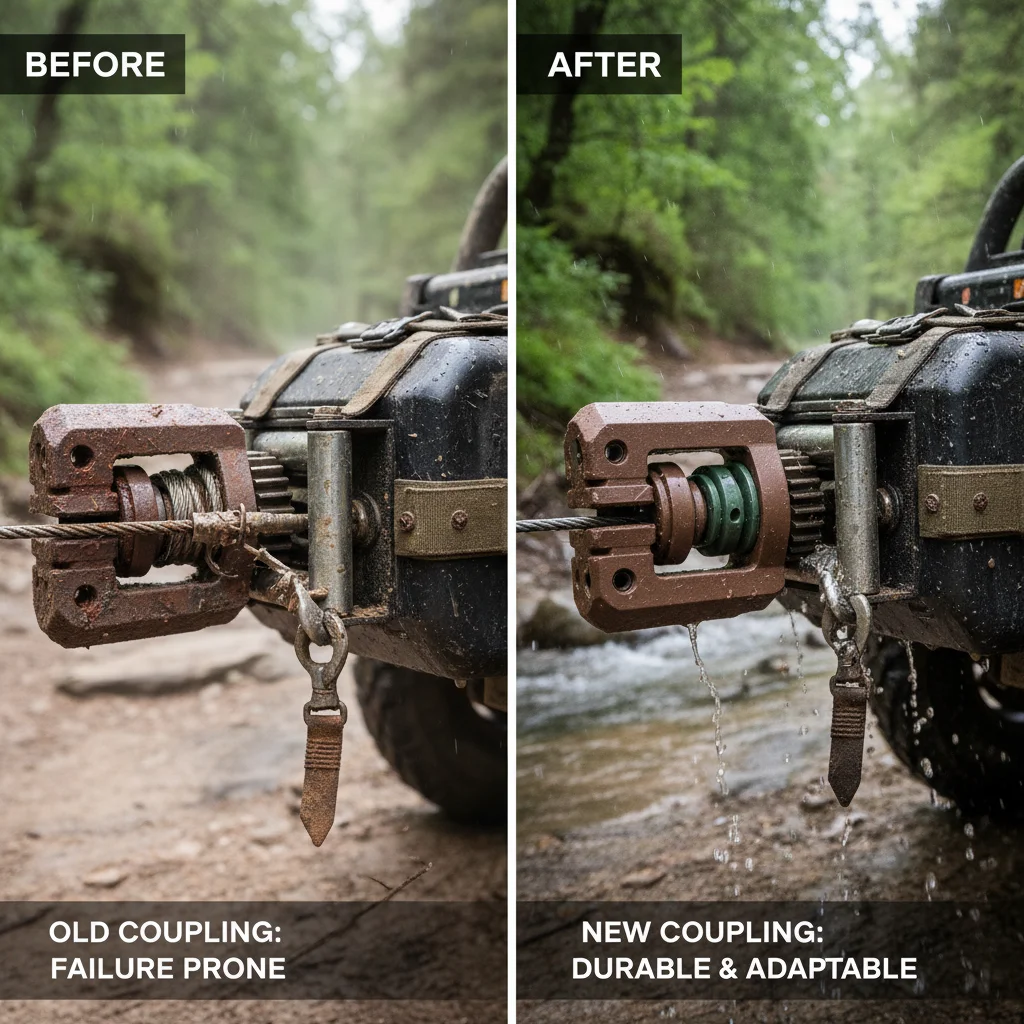
Without these components, the rigid connection between a motor and a driven load would lead to immense stress on the shaft, causing fractures or bearing burnout. By incorporating flexible elements—such as those found in our L Series Elastic Jaw or SDM Diaphragm couplings—industries can reduce energy loss and significantly lower the carbon footprint associated with frequent machinery replacement.
FAQS
A rigid coupling is used when shafts are perfectly aligned and no movement is desired; it transmits maximum torque but provides no protection against misalignment. A flexible coupling, such as the L Series or GIICL, is designed to accommodate angular, parallel, or axial misalignments, thereby protecting the motor and bearings from excessive stress and vibration.
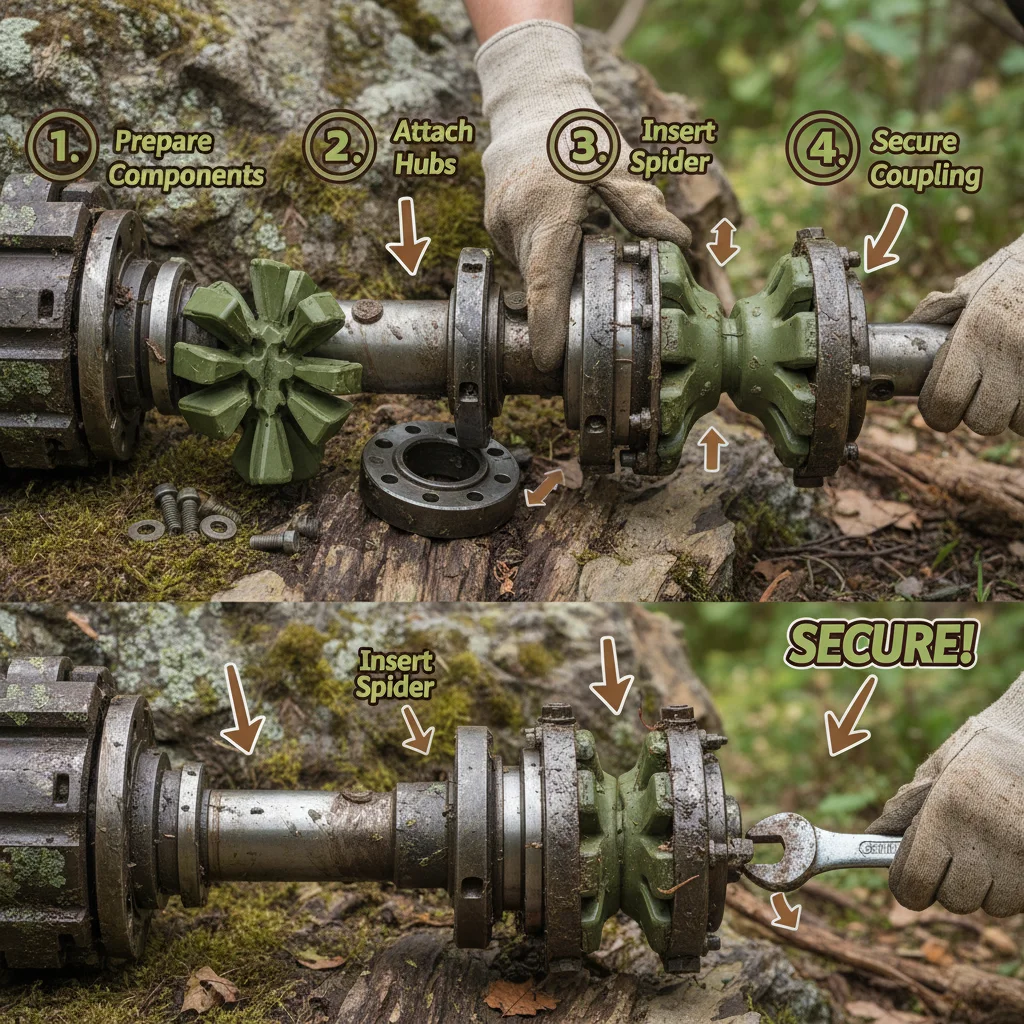
You should inspect the "spider" or flexible insert for signs of wear, such as cracking, hardening (due to heat), or missing chunks of material. If you notice an increase in vibration or a "clunking" sound during startup and shutdown, the flexible element has likely lost its elasticity and needs immediate replacement to avoid shaft damage.
No, it does not "eliminate" the misalignment but rather "accommodates" it. Every flexible coupling has a specific limit (measured in degrees or millimeters) that it can handle. If the misalignment exceeds these manufacturer specifications, the coupling will fail prematurely. Proper laser alignment is still recommended to keep the deviation within the coupling's operating range.
For extreme torque requirements, the GIICL Gear Coupling or the TGL Drum Gear Coupling are the best choices. These designs use precision-machined gear teeth to transmit power, providing high rigidity and immense load-bearing capacity while still allowing for limited flexibility through lubrication and specific gear profiles.
XL Aluminum Clamping Couplings are excellent for precision and lightweight applications, such as servo motors in robotics. However, for high-vibration environments, an elastic coupling like the ML Plum Blossom or L Series is better, as they contain a dampening polymer that absorbs shock, whereas aluminum is more rigid and transmits more vibration.
The most effective ways to prevent failure include: 1) Performing a proper laser alignment during installation; 2) Selecting the correct material for the flexible insert based on the operating temperature and chemical exposure; and 3) Implementing a regular inspection schedule to check for wear and ensure that lubricated couplings (like gear types) are properly greased.
Conclusion
In summary, the flexible coupling is far more than a simple connector; it is a vital insurance policy for your industrial machinery. By effectively managing misalignment and dampening harmonic vibrations, these components—ranging from the heavy-duty GIICL Gear to the precise XL Aluminum series—ensure that power transmission is efficient, safe, and sustainable. Choosing the right coupling based on torque, environment, and alignment tolerance is the key to reducing operational costs and maximizing equipment lifespan.
Looking forward, the integration of smart monitoring and advanced composite materials will continue to redefine the capabilities of power transmission. We encourage engineers and procurement managers to move beyond "standard" replacements and instead analyze their system's specific stressors to optimize their coupling choice. For high-quality, industry-standard solutions tailored to your specific mechanical needs, we invite you to explore our full catalog. Visit our website: www.binhaocoupling.com
Related Posts