Understanding Elastomeric Coupling Types
In numerous industries, efficiently transmitting torque while accommodating misalignment and absorbing shock is critical. Elastomeric couplings are a popular solution, leveraging the flexibility of rubber or polymeric materials. This article explores the diverse elastomeric coupling types available, their applications, and key considerations for selection. Choosing the right coupling ensures optimal performance, longevity, and safety in your specific application. Understanding these different types and their characteristics is paramount for engineers and maintenance personnel alike.

Jaw-Type Elastomeric Couplings: A Simple and Robust Solution
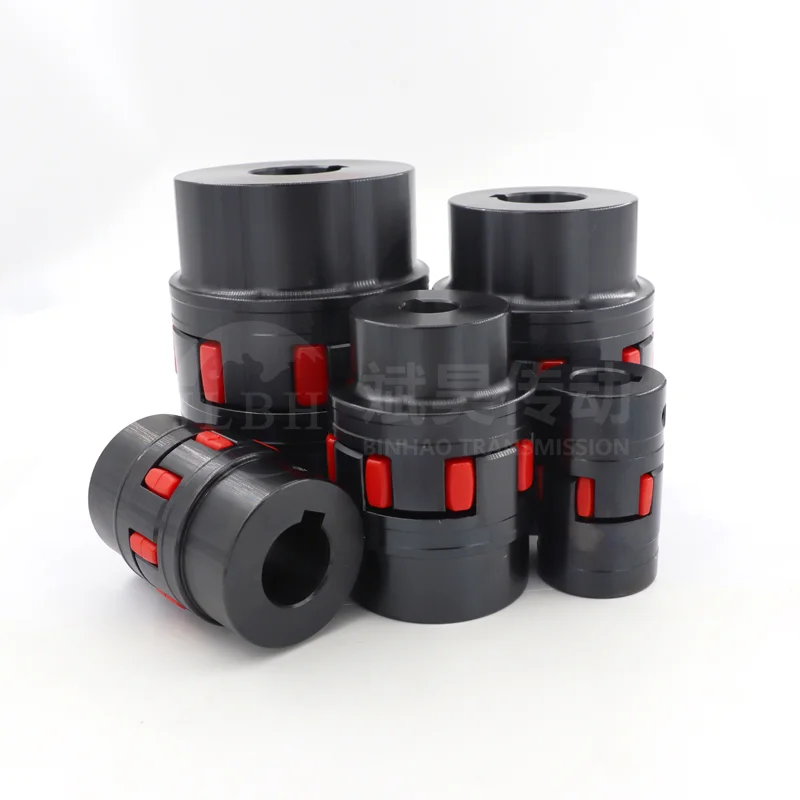
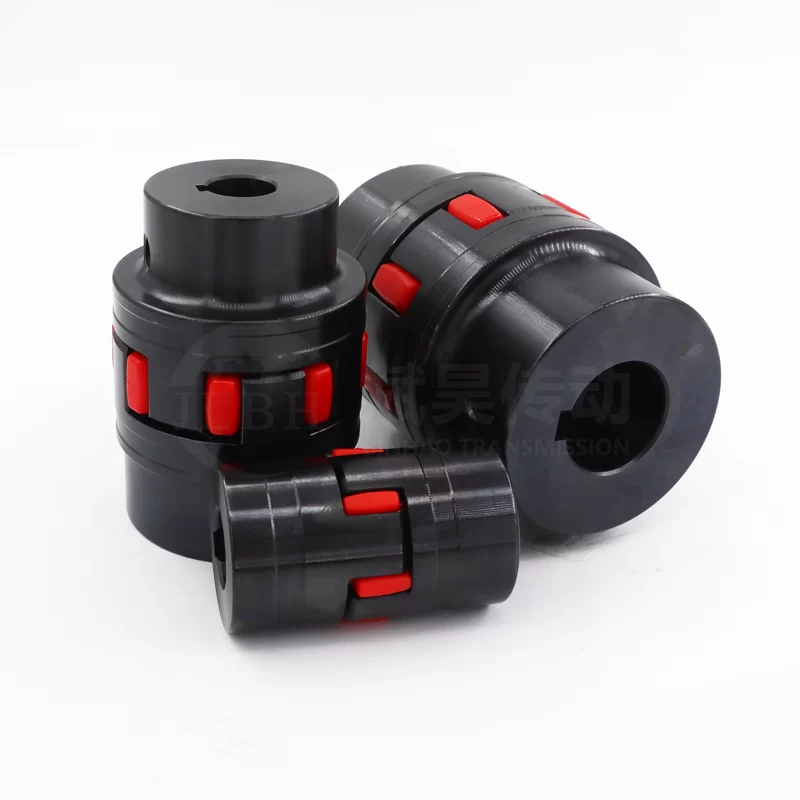
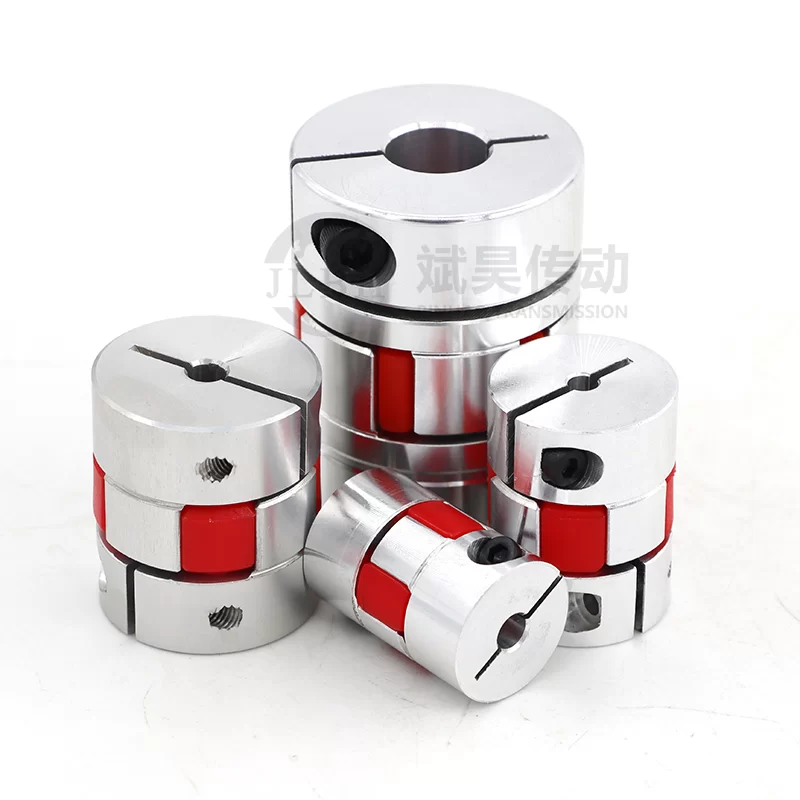
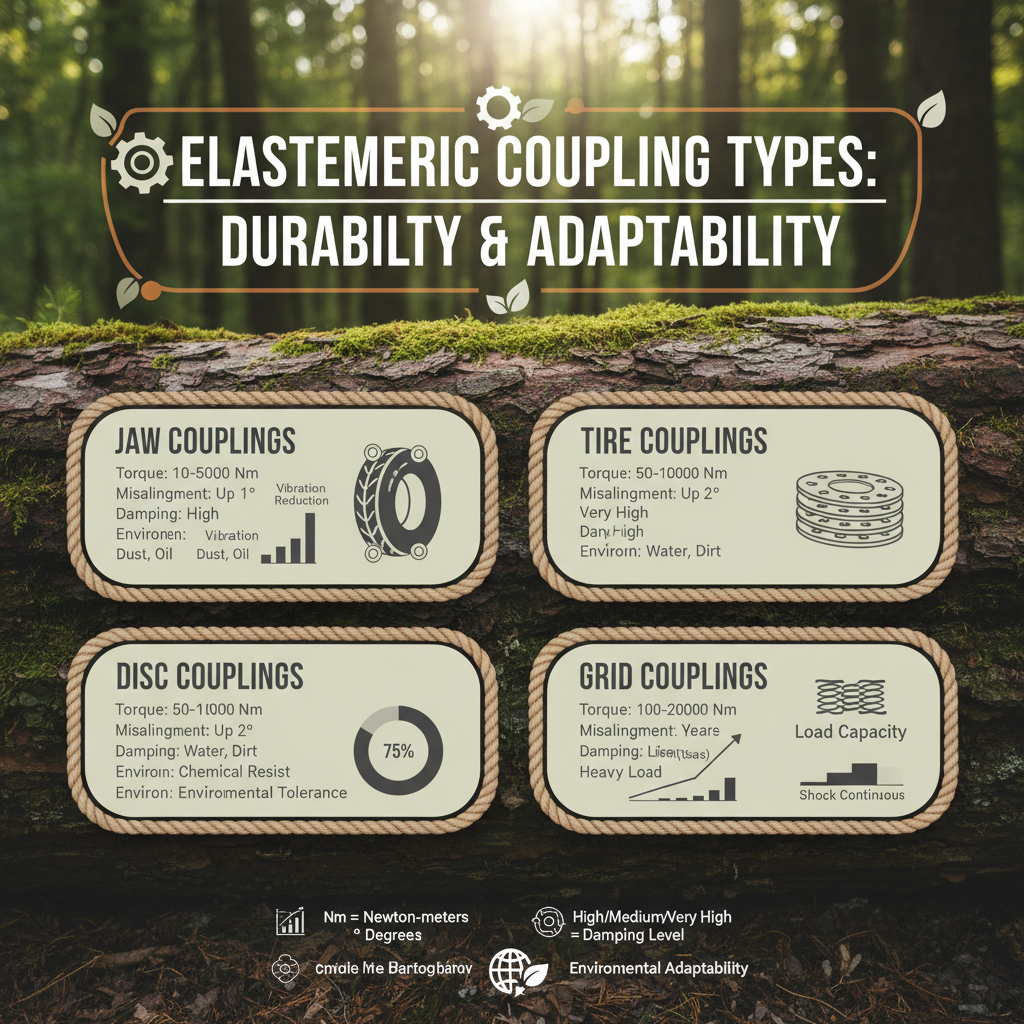
Jaw-type elastomeric couplings are among the most common and cost-effective options. They consist of two hubs with interlocking jaws separated by an elastomeric element – typically a rubber spider. These couplings excel at transmitting torque while accommodating parallel, angular, and axial misalignment. They are frequently used in general industrial applications like pumps, fans, compressors, and conveyors. Their simple design makes them easy to install and maintain, however, they offer limited damping capacity compared to other types.
Key Advantages: Simple design, easy maintenance, cost-effective, accommodates multiple misalignments.
Pin and Bush Elastomeric Couplings: High Torque Capacity & Smooth Operation
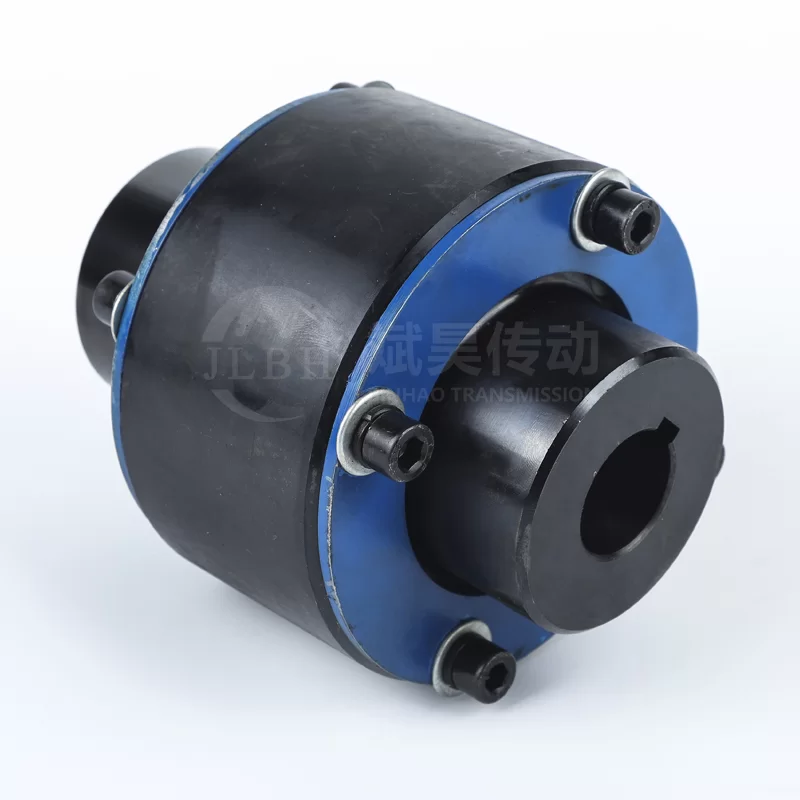
Pin and bush elastomeric couplings are known for their ability to handle high torque and provide smooth, vibration-free operation. These couplings feature a series of pins inserted through a flexible bush (typically rubber or polyurethane). The pins transmit torque while the bush allows for misalignment and absorbs shock. They are widely used in heavy-duty applications like mining, steel mills, and crushers. Their robust construction ensures reliability in demanding environments. Binhao Coupling offers a diverse range of pin and bush couplings tailored to specific industry requirements.
Comparing Elastomeric Coupling Types: Performance & Application
Selecting the appropriate elastomeric coupling requires a careful assessment of the application's specific demands. Factors such as torque requirements, misalignment conditions, operating speed, and environmental factors play a crucial role. Below is a comparison of several common types:
Spider-Type Elastomeric Couplings: Compact and Versatile
Spider-type couplings are similar to jaw couplings, utilizing a rubber “spider” element to connect two hubs. However, they often feature a more compact design and can accommodate slightly higher torque levels. These couplings are frequently found in applications like gearboxes, pumps, and power transmission systems. Their relatively low cost and ease of installation contribute to their widespread adoption. Regular inspection of the spider element is crucial to ensure continued performance.
Key Considerations:
• Regularly inspect the spider element for wear and tear.
• Ensure proper alignment during installation.
• Select the appropriate spider material for the operating environment.
Selecting the Right Elastomeric Coupling for Your Needs
Choosing the optimal elastomeric coupling requires careful consideration of several factors. These include the application’s torque requirements, operating speed, anticipated misalignment, environmental conditions (temperature, humidity, chemical exposure), and budget constraints. Binhao Coupling provides expert guidance and a comprehensive selection of couplings to meet diverse industrial needs. Consulting with a coupling specialist can ensure you select a solution that delivers reliable performance and maximizes equipment uptime.
Conclusion: Optimizing Performance with the Right Elastomeric Coupling
Selecting the right elastomeric coupling is crucial for ensuring reliable power transmission, minimizing downtime, and optimizing equipment performance. By carefully considering the application's specific requirements and exploring the diverse coupling types available, engineers and maintenance professionals can make informed decisions that enhance operational efficiency and reduce maintenance costs. Binhao Coupling is committed to providing high-quality couplings and expert support to meet your unique needs.
Frequently Asked Questions (FAQs)
What are the key benefits of using elastomeric couplings?
Elastomeric couplings offer a multitude of advantages, including shock and vibration absorption, misalignment accommodation (parallel, angular, and axial), torsional flexibility, and ease of maintenance. The elastomeric element dampens vibrations, protecting connected equipment from damage. They also eliminate the need for lubrication, reducing maintenance requirements. Their ability to accommodate misalignment reduces stress on bearings and other components, extending their lifespan. They generally require less precision in alignment during installation compared to rigid couplings.
How do I determine the correct size elastomeric coupling for my application?
Determining the correct coupling size involves several factors. First, calculate the maximum torque requirements of the driven equipment, including start-up torque. Consider any anticipated shock loads or peak torque values. Next, assess the degree of misalignment present in the system. Use these parameters to consult coupling selection charts provided by manufacturers like Binhao Coupling. Ensure the coupling’s torque capacity exceeds the application’s requirements by a safety factor (typically 1.5 to 2).
What are the limitations of elastomeric couplings?
While versatile, elastomeric couplings have some limitations. They generally have lower torque capacity compared to gear couplings or rigid couplings. The elastomeric element is subject to wear and degradation over time, requiring periodic inspection and replacement. They may not be suitable for extremely high-speed applications or environments with harsh chemical exposure. It's also important to consider the temperature limitations of the elastomeric material.
How often should I inspect an elastomeric coupling?
The frequency of inspection depends on the application and operating conditions. However, a visual inspection should be performed at least every six months, or more frequently in demanding environments. Look for signs of wear, cracking, or degradation of the elastomeric element. Check for loose fasteners and ensure proper alignment. Document the inspection findings and establish a preventative maintenance schedule to ensure optimal coupling performance and prevent unexpected failures.