The Ultimate Guide to Choosing the Right Shaft Coupling for Industrial Machinery
In the world of mechanical engineering, the efficiency of power transmission depends heavily on the connection between two shafts. A high-quality shaft coupling serves as the critical link that transmits torque while accommodating misalignment and dampening vibrations. Whether you are managing a large-scale manufacturing plant or designing a precision instrument, understanding the nuances of coupling selection can prevent premature equipment failure and reduce maintenance costs. In this comprehensive guide, we will explore the different types of couplings, their technical advantages, and how to select the perfect fit for your specific operational needs.
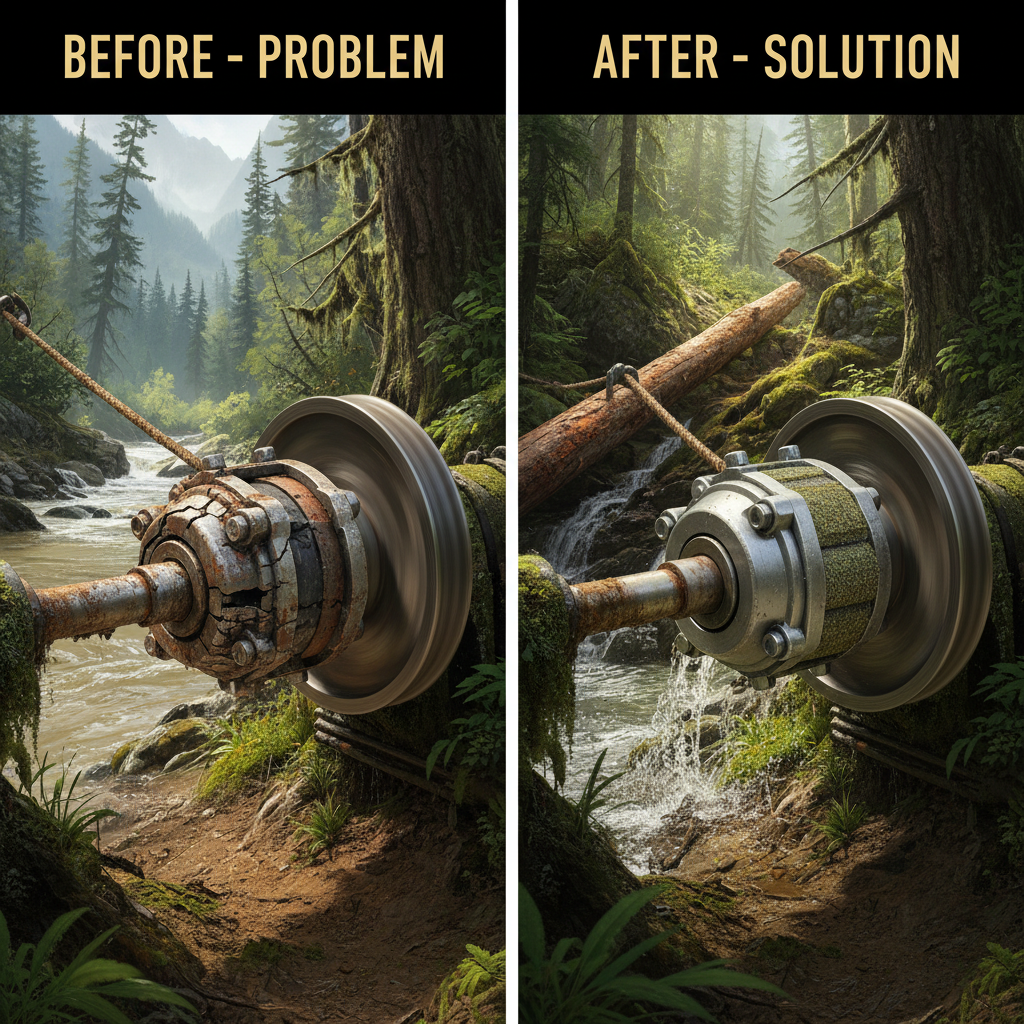
Understanding the Core Function of a Shaft Coupling
At its simplest level, a shaft coupling is a device used to connect two shafts together at their ends for the purpose of transmitting power. However, their role extends far beyond a simple connection. In real-world industrial environments, shafts are rarely perfectly aligned. Couplings are engineered to handle angular, parallel, and axial misalignments. Without this flexibility, the resulting stress would lead to bearing failure and shaft breakage. By absorbing these discrepancies, couplings protect the motor and the driven equipment, ensuring a smoother operation and extending the overall lifespan of the machinery.
Pro Tip: Always check the misalignment tolerances of your coupling before installation. Exceeding these limits can lead to increased wear and reduced torque transmission efficiency.
Types of Shaft Coupling: Rigid vs. Flexible
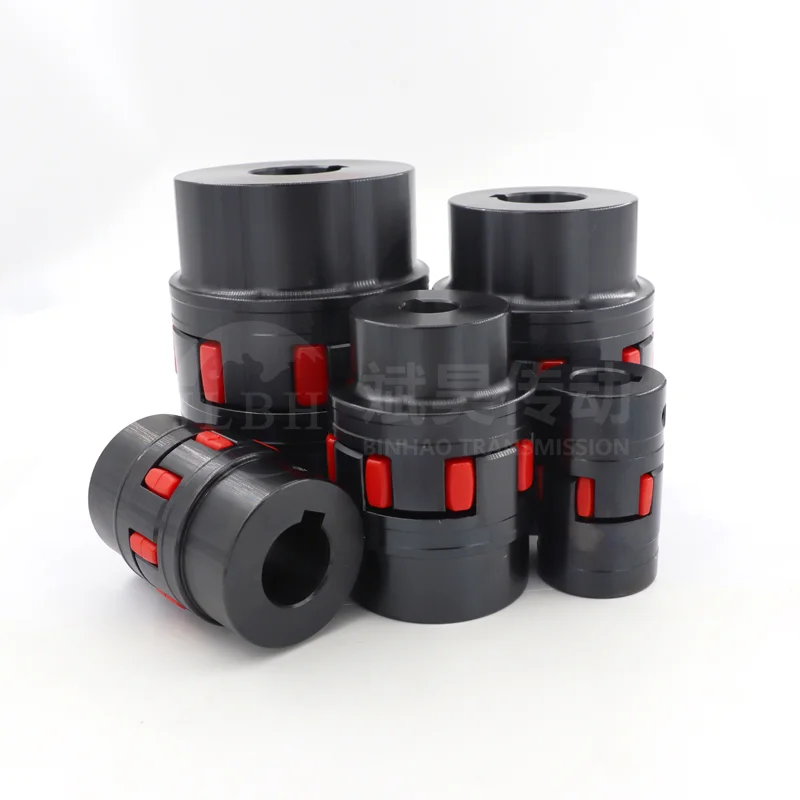
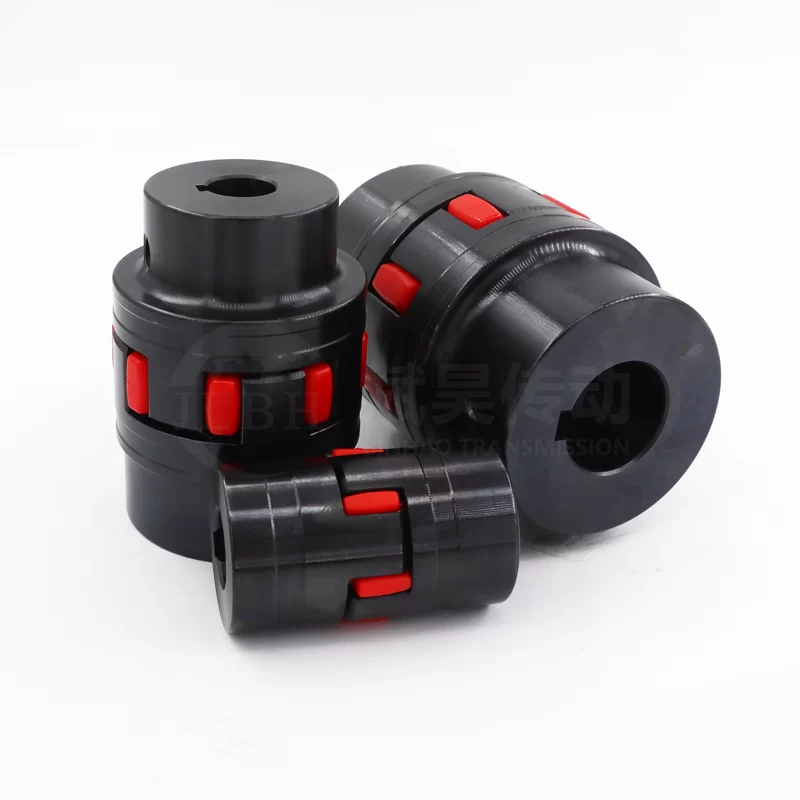
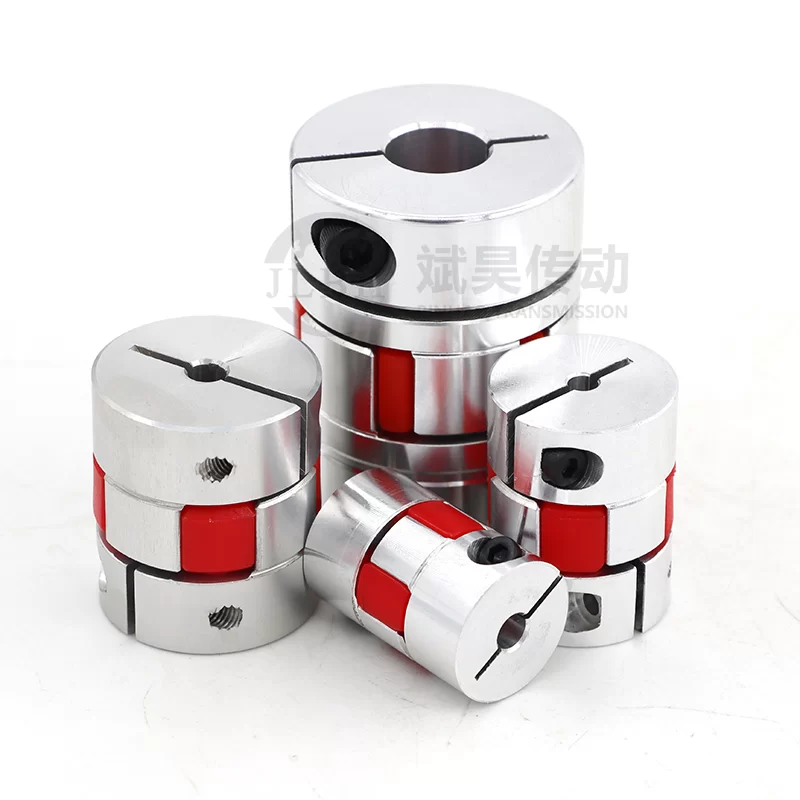
Choosing between a rigid and a flexible shaft coupling depends entirely on your alignment precision and vibration requirements. Rigid couplings are used when shafts are perfectly aligned and no flexibility is needed; they offer maximum torque transmission with zero slip. On the other hand, flexible couplings use an elastomeric element or a specialized geometry to allow for slight offsets. These are essential for protecting motors from shock loads and reducing the noise transmitted through the system. The following comparison highlights the fundamental differences to help you decide.
Critical Factors for Shaft Coupling Selection
Selecting a shaft coupling is not a "one size fits all" process. Engineers must consider several technical parameters to ensure the system operates reliably under load. First, Nominal Torque is the primary driver; the coupling must handle the peak torque without shearing. Second, Rotational Speed (RPM) affects the centrifugal forces and the balance of the coupling. Third, the Environmental Conditions—such as exposure to corrosive chemicals, extreme heat, or moisture—will determine whether you need stainless steel, aluminum, or specialized polymers. Ignoring these factors can lead to catastrophic failure during peak production hours.
Common Industrial Applications of Shaft Couplings
From heavy-duty mining equipment to delicate medical devices, the shaft coupling is ubiquitous. In the Oil and Gas industry, couplings must resist corrosion and handle massive torque from pumps. In Automotive manufacturing, precision couplings are used in robotic arms to ensure exact movement. Meanwhile, in HVAC systems, flexible couplings isolate the vibration of the compressor from the rest of the building's structure. Understanding these applications helps in choosing the right material—such as using polyurethane for shock absorption or steel for high-load stability.
Technical Specifications for High-Performance Couplings
When reviewing a product catalog, it is essential to look at the technical specification table. A professional-grade shaft coupling will provide data on its maximum permissible misalignment and its fatigue limit. Below is a typical specification table for industrial-grade coupling series, showcasing the relationship between bore size and torque capacity.
Maintenance and Troubleshooting for Couplings
Even the best shaft coupling will eventually wear out. Regular maintenance is key to preventing unplanned downtime. The most common sign of failure in flexible couplings is the degradation of the elastomeric insert—often seen as "dust" or rubber fragments around the coupling. This indicates that the coupling is working too hard to compensate for excessive misalignment. To prolong the life of your components, implement a quarterly inspection schedule involving laser alignment tools. Ensuring the shafts are within the manufacturer's specified tolerance will drastically reduce friction and heat buildup.
Conclusion: Maximizing System Efficiency with Quality Couplings
Selecting the right shaft coupling is a critical decision that impacts the reliability and efficiency of your entire mechanical drive train. By balancing torque requirements, misalignment tolerances, and environmental constraints, you can ensure a seamless power transmission that protects your most valuable assets. Investing in premium components and adhering to strict alignment protocols is the most cost-effective way to minimize downtime and maximize productivity. For high-performance industrial solutions, always trust a manufacturer with proven expertise and precision engineering.
Frequently Asked Questions (FAQs)
How do I know if my shaft coupling is failing?
The most common signs of coupling failure include unusual noise or vibration during operation, a visible increase in heat around the coupling area, and the presence of debris (such as rubber particles) from the flexible element. If you notice a drop in torque efficiency or if the motor is drawing more current than usual, it may be an indication that the coupling is slipping or creating excessive friction due to misalignment. Regular visual inspections and vibration analysis are recommended to catch these signs early.
What is the difference between angular and parallel misalignment?
Parallel misalignment occurs when the centerlines of the two shafts are parallel but not collinear, meaning they are offset by a certain distance. Angular misalignment occurs when the centerlines of the shafts intersect at an angle rather than being in a straight line. Most high-quality shaft couplings are designed to accommodate both to some degree, but different types of couplings (like disc vs. jaw) vary in their ability to handle one over the other.
Can I use a rigid coupling for any application?
No, rigid couplings should only be used when you can guarantee near-perfect alignment between the two shafts. Because they have no flexibility, any small amount of misalignment will be transferred directly to the bearings and seals of the connected equipment, leading to rapid wear and potential failure. Rigid couplings are excellent for high-torque, low-vibration applications where precision mounting is possible, but for most general industrial uses, a flexible coupling is a safer and more durable choice.
What materials are best for couplings in corrosive environments?
For environments exposed to saltwater, chemicals, or high humidity, stainless steel (such as 304 or 316 grade) is the gold standard due to its natural oxidation resistance. Additionally, some couplings use specialized polymer or composite materials for the flexible element to prevent chemical degradation. It is important to check the compatibility chart of the elastomer used in the coupling to ensure it doesn't swell or crack when exposed to the specific oils or chemicals present in your facility.