The Ultimate Guide to Choosing the Right Jaw Coupling for Industrial Machinery
In the world of mechanical power transmission, ensuring a smooth and reliable connection between shafts is critical to preventing equipment failure. A jaw coupling serves as a vital component that transmits torque while compensating for misalignment. Whether you are dealing with high-torque industrial pumps or precision motor drives, understanding the nuances of this coupling type is essential for maximizing uptime and reducing maintenance costs. In this comprehensive guide, we will explore how these components work, their primary benefits, and how to select the perfect model for your specific operational needs.
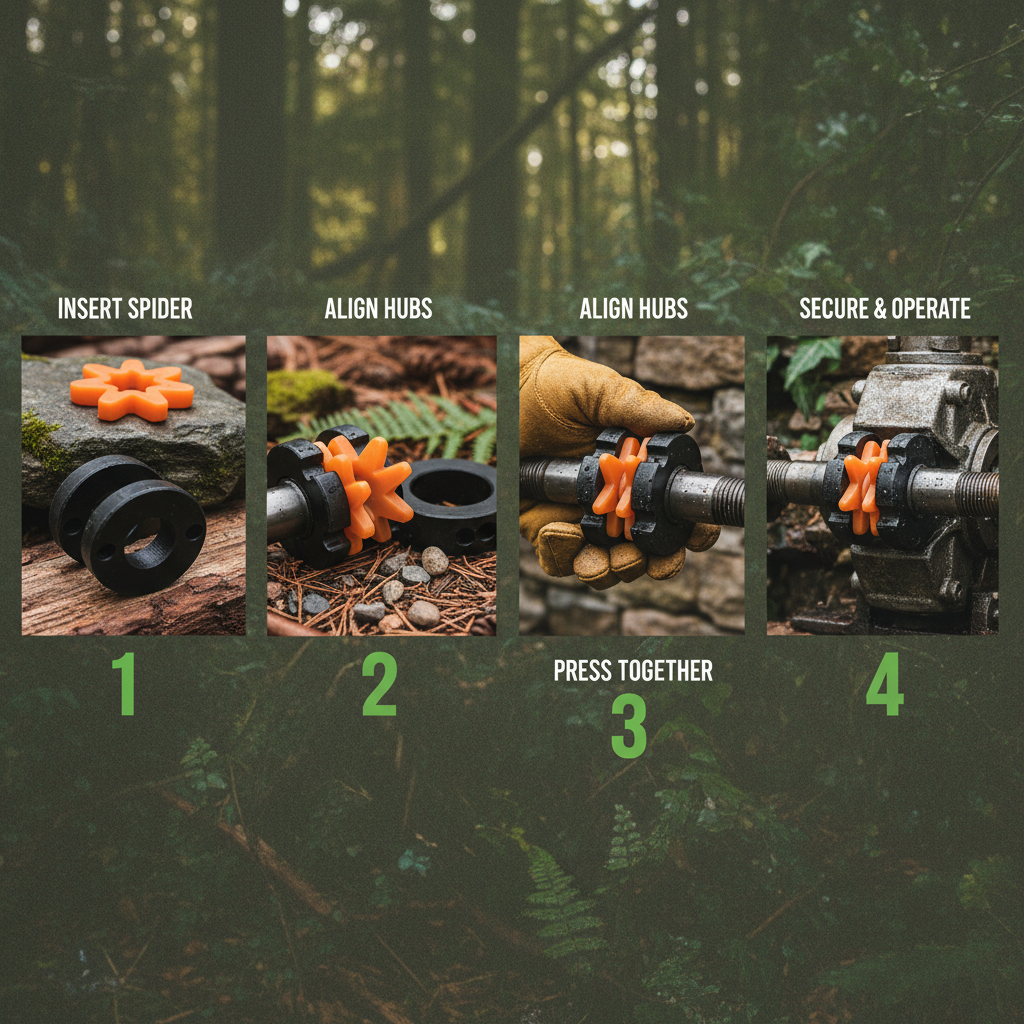
How a Jaw Coupling Works to Protect Your Equipment
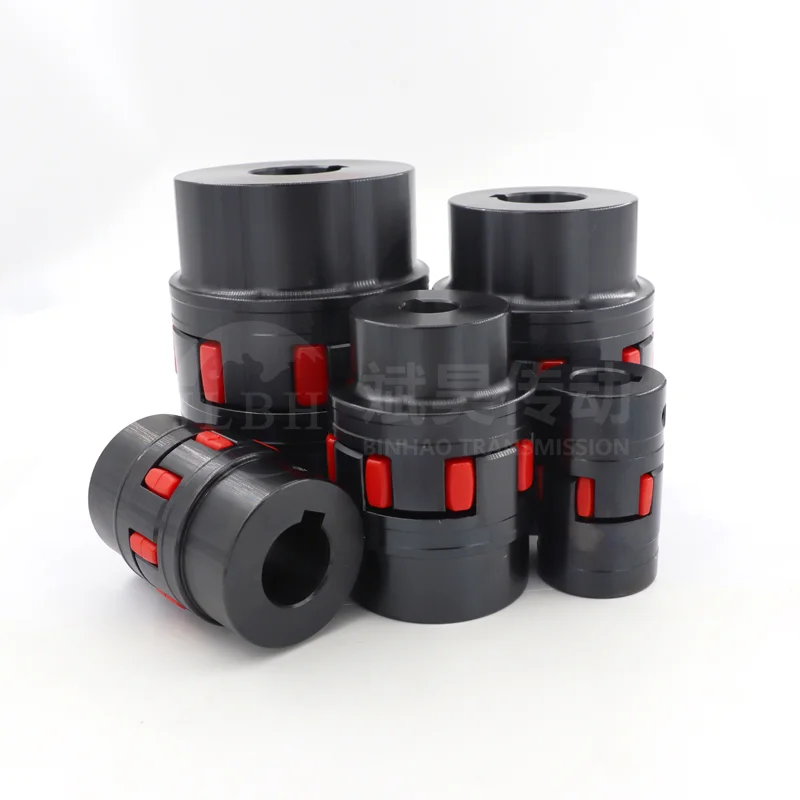
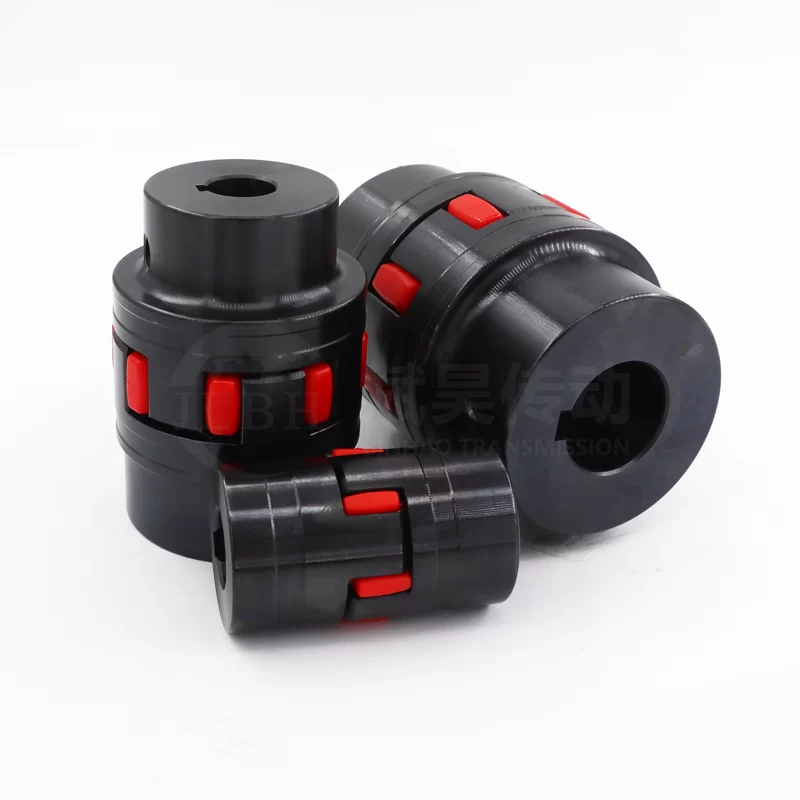
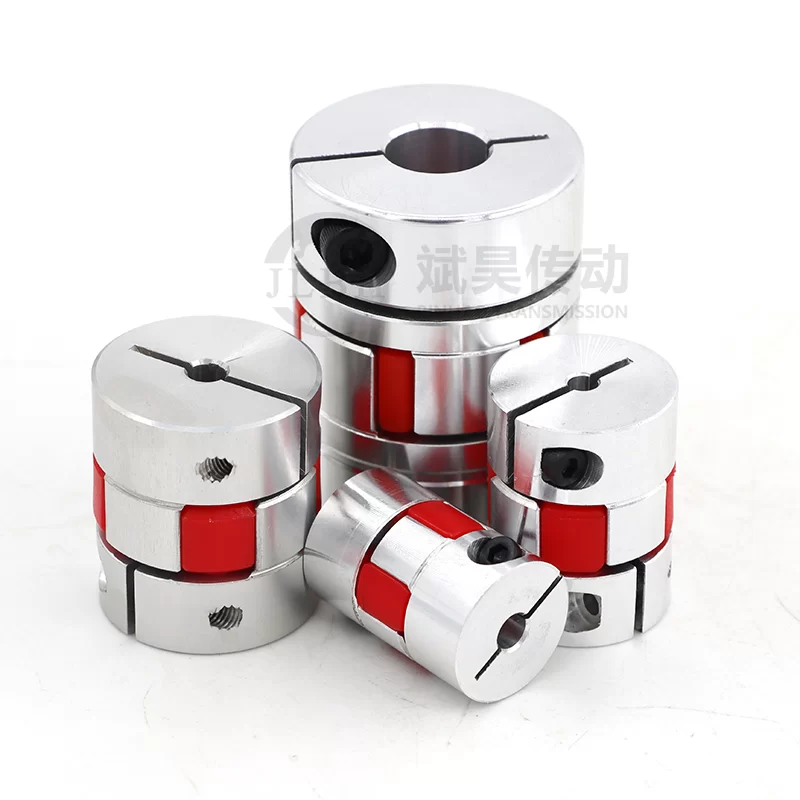
A jaw coupling operates on a simple yet effective principle. It consists of two hubs with interlocking "jaws" and a flexible elastomer element, often called a spider, placed between them. As the driving shaft rotates, the jaws compress the spider, which transfers the torque to the driven shaft. This design is particularly effective because the flexible element acts as a shock absorber, dampening vibrations and protecting the motor and bearings from sudden torque spikes. By absorbing these stresses, the coupling significantly extends the service life of the entire drivetrain.
Pro Tip: The choice of spider material (such as Nitrile, Hytrel, or Urethane) is the most critical factor in determining the coupling's temperature resistance and torque capacity.
Key Advantages of Using a Jaw Coupling
One of the primary reasons engineers prefer the jaw coupling is its "fail-safe" design. In many models, even if the elastomeric spider fails, the interlocking jaws will continue to transmit torque, preventing an immediate and catastrophic system shutdown. Additionally, these couplings are virtually maintenance-free as they do not require lubrication. Their ability to handle parallel, angular, and axial misalignment makes them incredibly versatile for a variety of industrial layouts where perfect shaft alignment is nearly impossible to achieve.
Top Benefits at a Glance:
• Zero Lubrication: Reduces operational costs and contamination risks.
• Vibration Dampening: Protects sensitive components from mechanical noise.
• Easy Replacement: Spiders can be swapped without moving the shafts.
• Fail-Safe Operation: Maintains connection during spider wear.
Jaw Coupling Material Comparison and Selection
Selecting the right materials for your jaw coupling depends entirely on the environment. While the hubs are typically made of aluminum or cast iron for strength, the spider material determines the performance. For instance, Nitrile is excellent for general purpose use, while Urethane is preferred for high-torque applications. The following table helps you compare the most common spider materials to ensure you choose the one that matches your operating temperature and load requirements.
Industrial Applications for the Jaw Coupling
Because of their reliability and ease of installation, jaw couplings are found in almost every sector of modern manufacturing. In water treatment plants, they connect large electric motors to centrifugal pumps. In the food and beverage industry, stainless steel hubs are used to maintain hygiene while ensuring precise power transfer. They are also common in conveyor systems and HVAC blowers, where they mitigate the start-stop shocks typical of these machines. Their versatility allows them to perform consistently across diverse environments, from humid factories to temperature-controlled clean rooms.
Technical Specifications: Sizing Your Jaw Coupling
When ordering a jaw coupling, you must consider several technical parameters to ensure a perfect fit. The bore size must match your shaft diameter exactly to avoid slippage, and the torque rating must exceed your peak load requirements to prevent premature spider failure. We recommend calculating the service factor based on the type of load (uniform vs. heavy shock) to select a size that provides a safety margin. Below is a sample specification table for a standard industrial series.
Maintenance and Lifespan Extension
While a jaw coupling is largely maintenance-free, regular inspections can prevent unplanned downtime. The most common failure point is the spider, which wears down over time due to friction and cyclic loading. Checking for "powdering" around the coupling or unusual noise can signal that the elastomer is reaching the end of its life. Replacing the spider is a quick process that doesn't require dismantling the motor, making it a highly cost-effective maintenance task. Ensure that you use genuine replacement parts to maintain the original torque ratings and balance of your machinery.
Conclusion: Optimizing Your Drive with Jaw Couplings
The jaw coupling remains one of the most reliable and versatile solutions for torque transmission in industrial settings. Its unique ability to dampen vibration, tolerate misalignment, and provide a fail-safe connection makes it an indispensable tool for any maintenance engineer. By choosing the right hub material and the correct spider elastomer, you can significantly reduce mechanical wear and enhance the overall efficiency of your system. Invest in quality couplings to ensure your operation runs smoothly for years to come.
Frequently Asked Questions (FAQs)
How do I know when to replace the spider in my jaw coupling?
You should replace the spider when you notice visible cracks, significant deformation, or when you see small particles of elastomer (dust/powder) accumulating around the coupling. Additionally, if you experience an increase in vibration or audible noise during operation, it often indicates that the spider has lost its dampening properties. Regular quarterly inspections are recommended to identify wear before it leads to a complete failure of the coupling element.
Can a jaw coupling handle significant shaft misalignment?
Yes, jaw couplings are specifically designed to handle small amounts of parallel, angular, and axial misalignment. However, they are not meant for "extreme" misalignment. If the shafts are too far apart or at too steep an angle, the spider will wear out prematurely and the hubs may experience excessive stress. For the best results, always aim for the closest alignment possible, using the coupling to absorb only the residual, unavoidable deviations.
What is the difference between a jaw coupling and a disc coupling?
The primary difference is the flexibility and the method of torque transmission. A jaw coupling uses an elastomeric spider to absorb shock and vibration, making it "soft" and forgiving. In contrast, a disc coupling uses thin metal discs, providing a "stiff" connection with zero backlash and much higher precision. While disc couplings are better for high-precision servo applications, jaw couplings are superior for general industrial use where vibration dampening and shock absorption are required. You can explore these options further on the Binhao Coupling website.
Is lubrication required for jaw couplings?
No, jaw couplings are completely lubricant-free. The interaction between the metal jaws and the elastomer spider does not require oil or grease. This is one of the biggest advantages of this design, as it eliminates the risk of lubricant leaks contaminating the product or the surrounding environment, and it removes the need for a scheduled lubrication maintenance routine.